Reading time: 9 minutes
Text: Thomas Masuch
Moi Composites: New composite materials for tooling and more
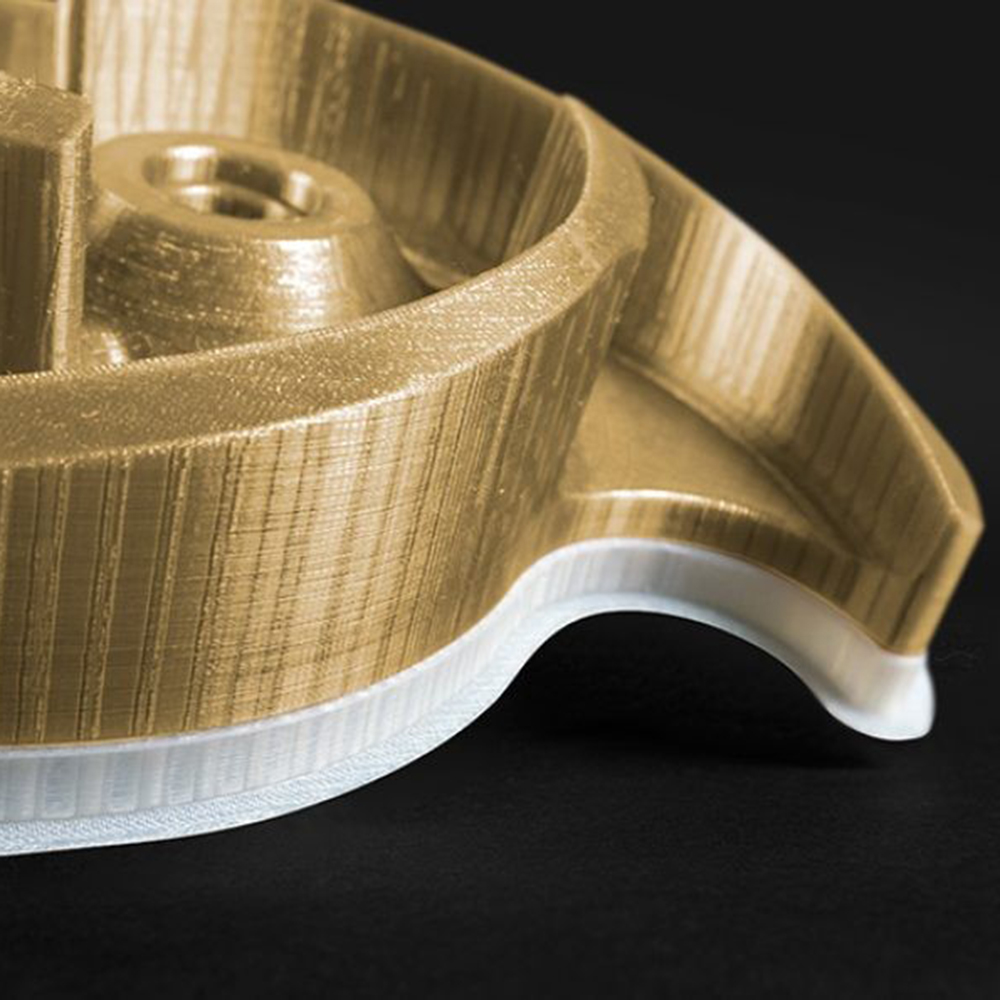
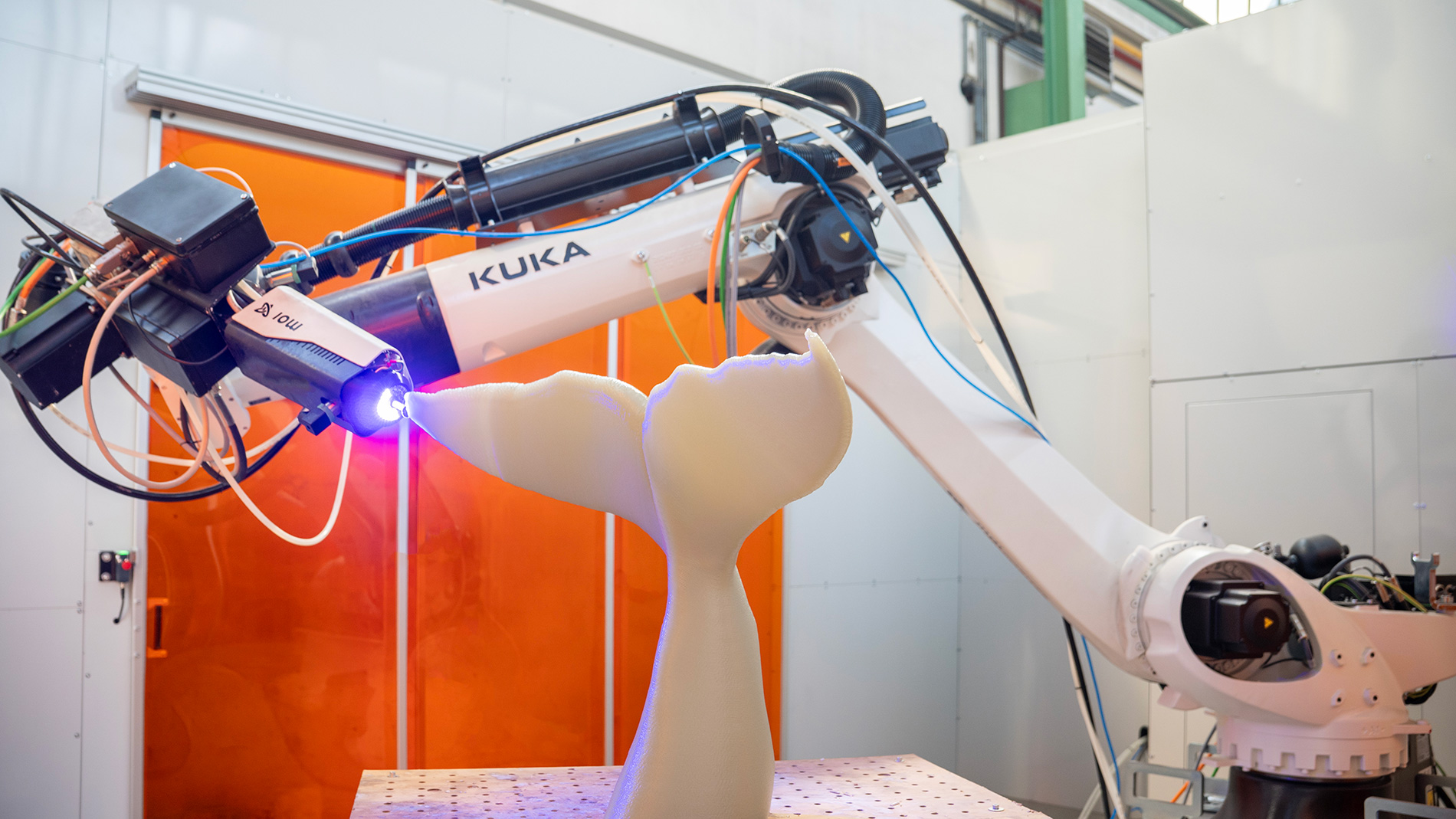
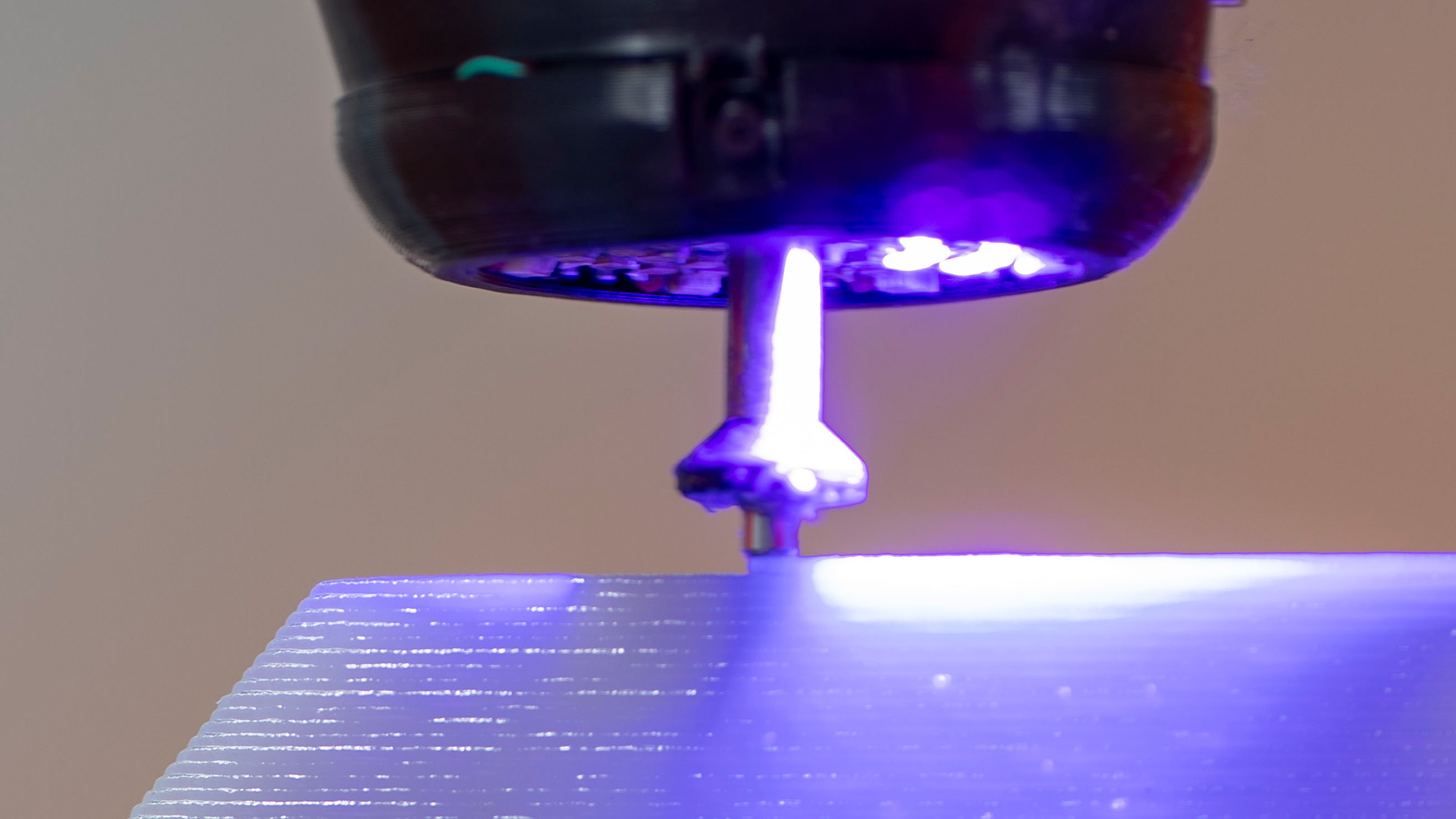
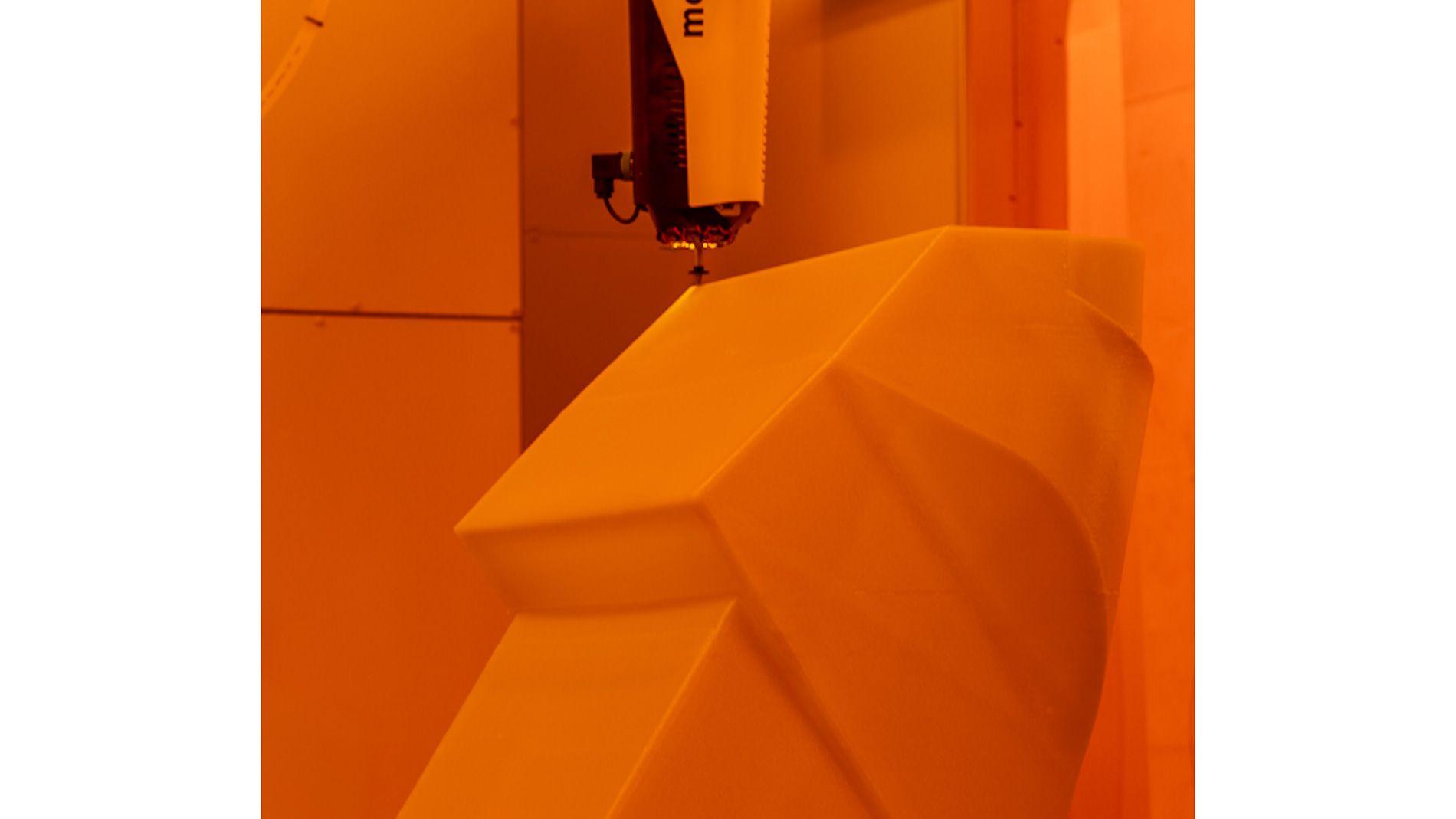
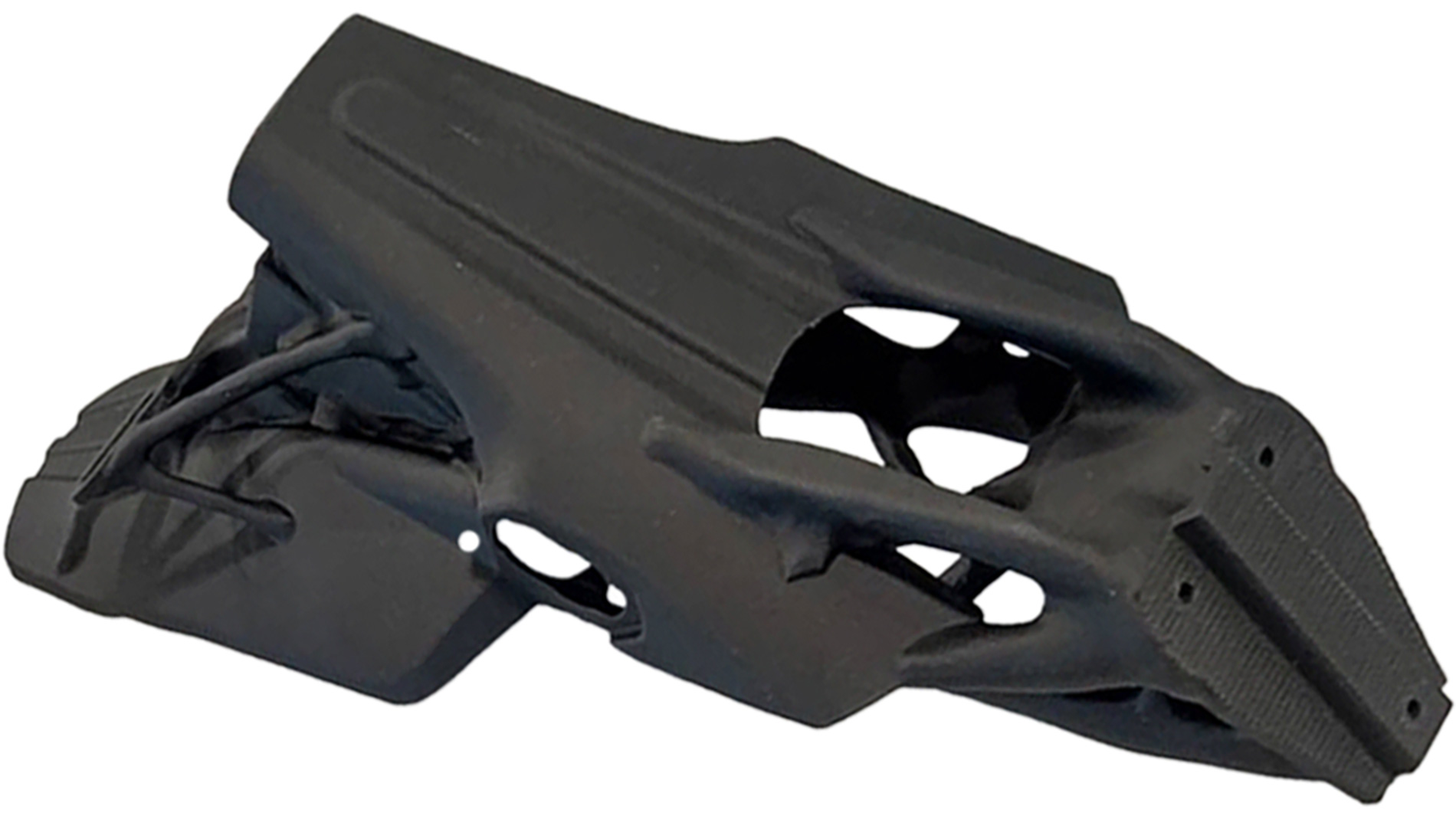
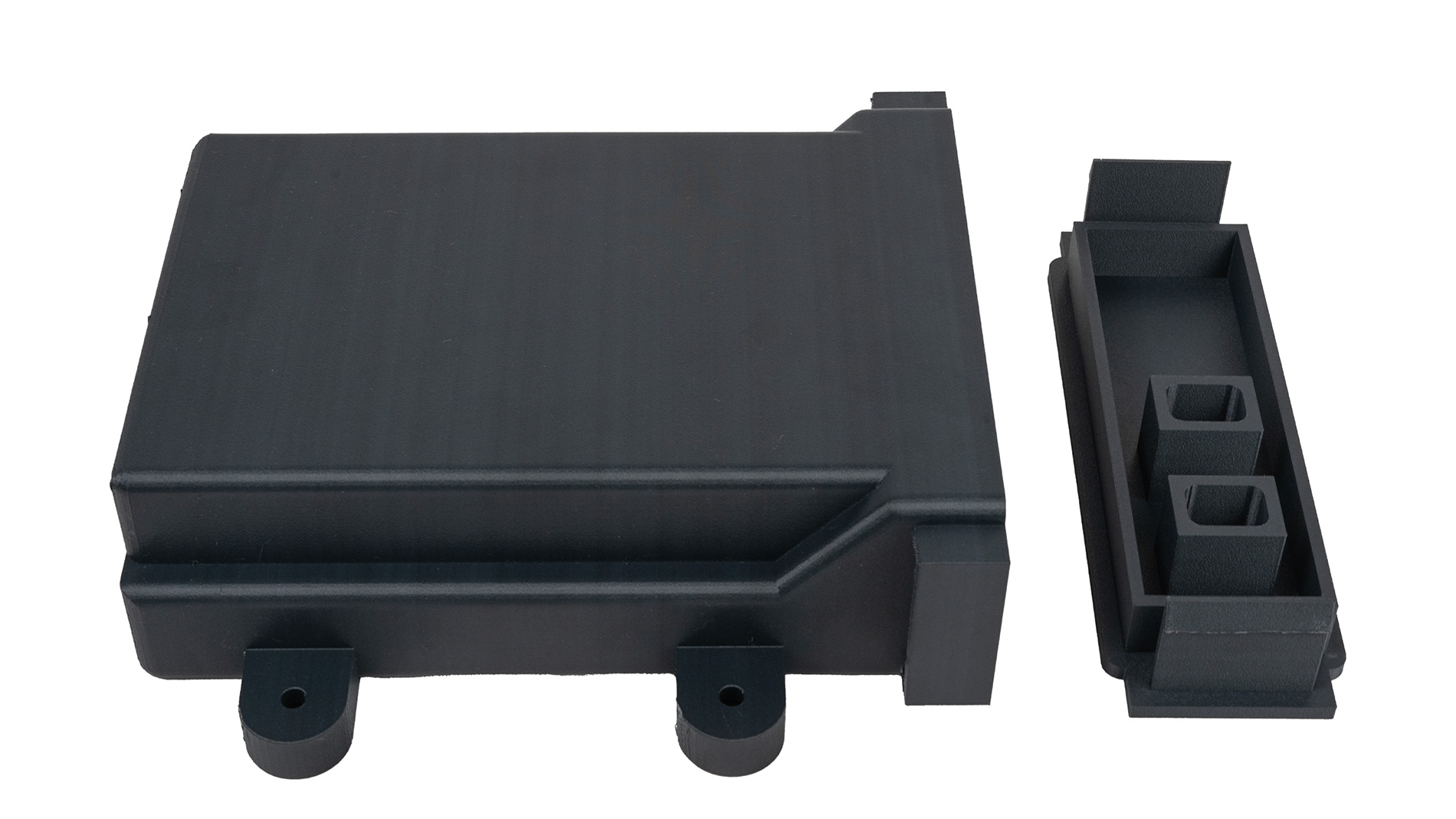
At Formnext, Moi Composites will present a range of new thermoset composite materials developed for demanding industrial applications. Central to the range is A1134, a material specifically engineered for Moi Composites’ SFM technology. Based on a vinyl ester matrix reinforced with up to 45% short glass fibres, A1134 is designed for applications that require high stiffness, elevated heat deflection temperature (HDT), dimensional stability and resistance to acids and oils. The material is particularly well suited to moulds and tooling applications where dimensional accuracy, machinability and surface finish are critical. The company has also developed a new High-Tg material for applications that require enhanced thermomechanical stability at elevated temperatures. Its increased glass transition temperature (Tg) extends the operating range in which printed component retain their dimensional and mechanical properties under thermal loads.
Moi Composites at Formnext 2026: Hall 12.1, Booth D19
Hydra Manufacturing: New ceramic formulations for hybrid manufacturing
In collaboration with Lucideon, Hydra Manufacturing has created two new material formulations for its Champ hybrid manufacturing system: silicon carbide and high-purity alumina. Champ combines additive deposition with integrated subtractive machining to produce technical ceramic and hardmetal components with fine features and tight tolerances. Silicon carbide extends Champ into high-temperature, wear-resistant and thermal-shock applications across aerospace, energy and semiconductor manufacturing, while high-purity alumina addresses demand for electrically insulating and biocompatible components in medical and electronics markets. The new materials are currently undergoing qualification and will be available in early 2027. Hydra Manufacturing and Lucideon are also exploring additional material formulations to meet growing demand across sectors such as aerospace, space, defence and energy.
Hydra Manufacturing at Formnext 2026: Hall 12.0, Booth F139 und Hall 11.0, Booth D62E
Mitsui Chemicals: Hybrid manufacturing concepts with fibre-reinforced composites
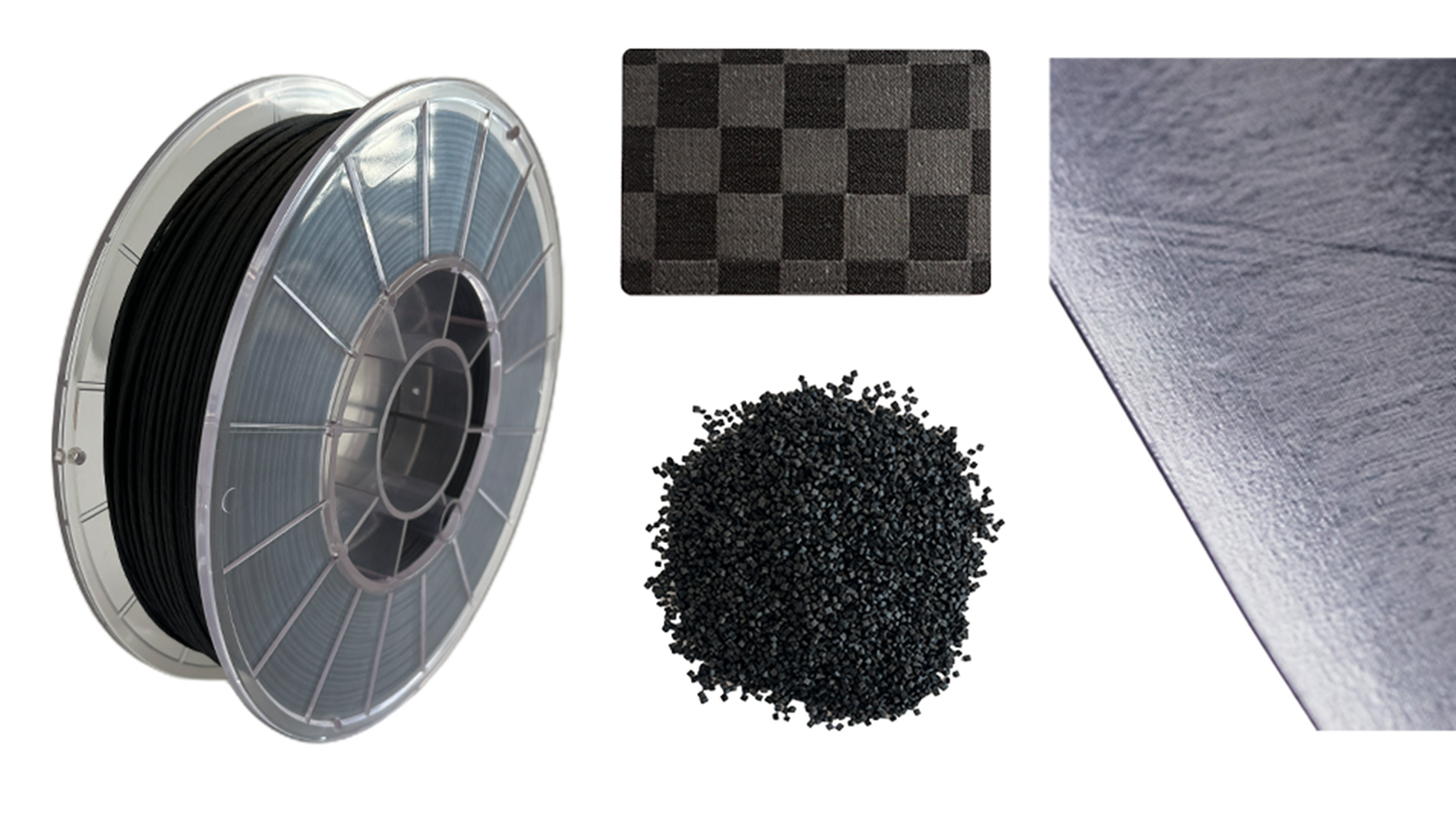
Making its Formnext debut, Mitsui Chemicals Europe will present new PP-CF filament and pellet solutions from the Tafnex product family. In addition to producing components using FFF and FGF processes, the materials can be combined with Tafnex semi-finished products reinforced with continuous fibre. According to the company, this enables hybrid manufacturing concepts that combine the design freedom of 3D printing with the performance benefits of continuously fibre-reinforced composites. Potential applications include mobility, robotics, defence and a broad range of industrial applications.
Mitsui Chemicals Europe at Formnext 2026: Hall 12.1, Booth G99
Siraya Tech: New materials for high Z-axis tensile strength
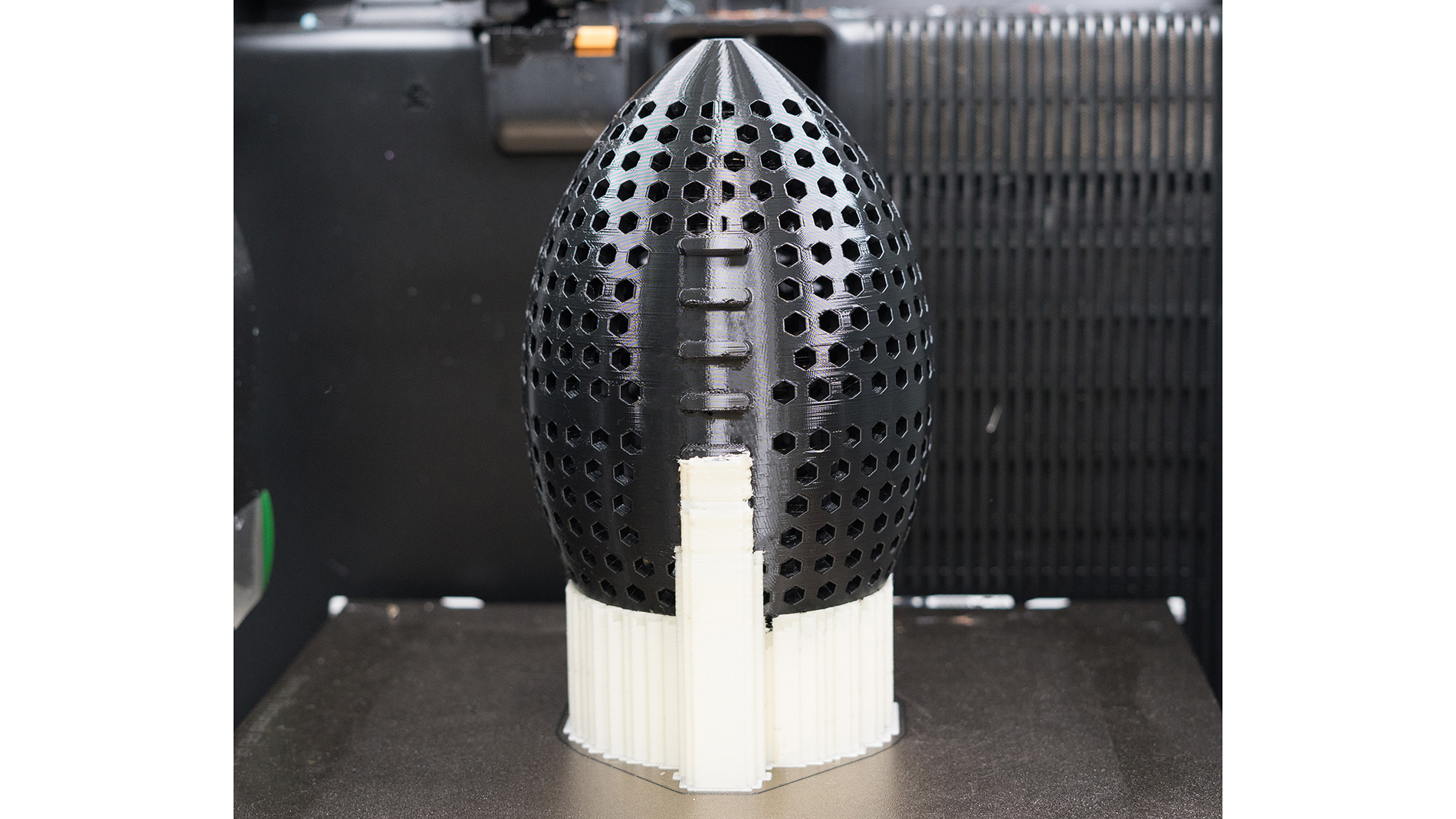
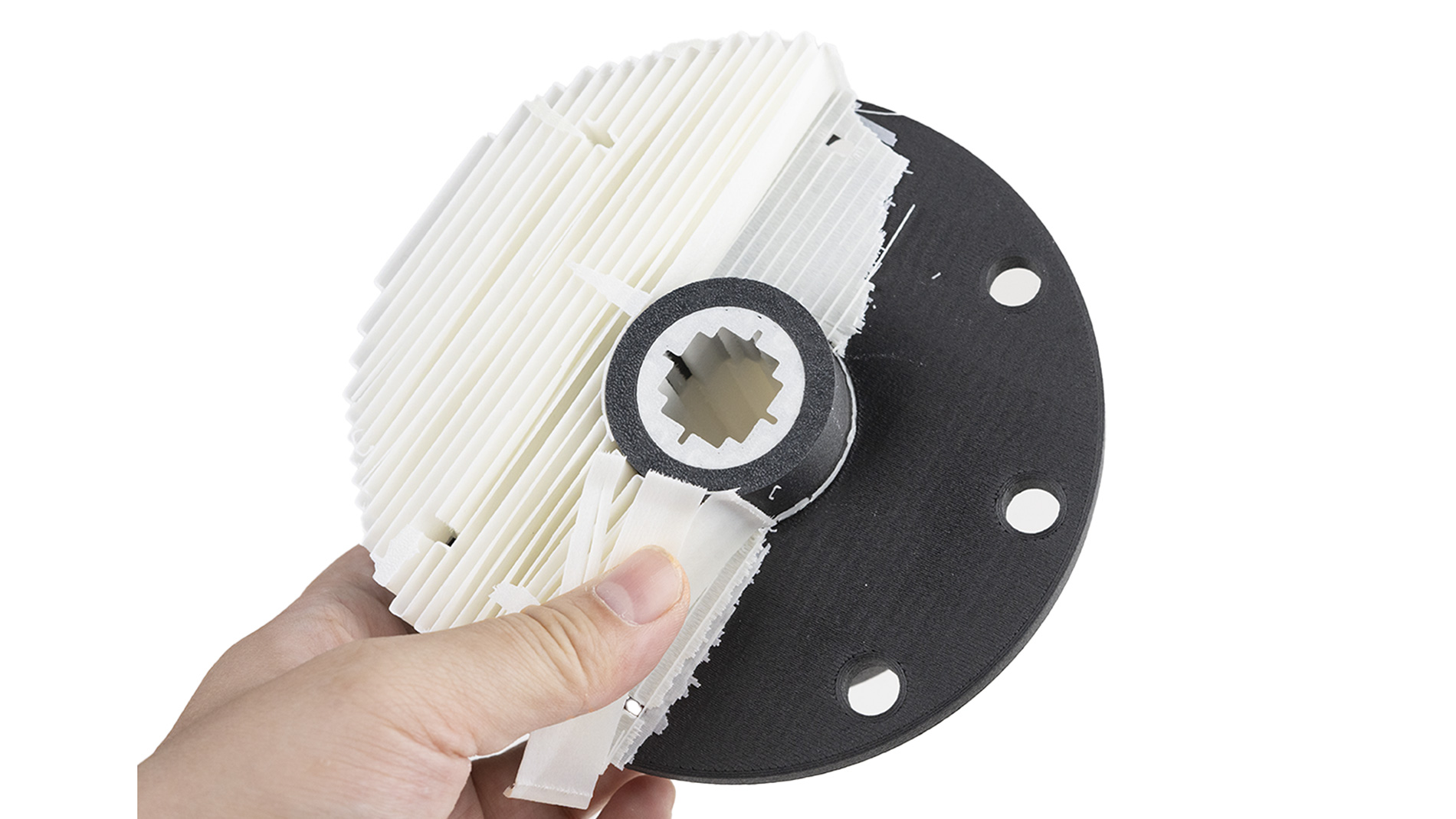
LA-based Siraya Tech, founded in 2019, is expanding its materials portfolio with new engineering-grade FDM filaments, industrial pellets and casting resins to address key challenges in 3D printing. Among the new materials is ASA-CF Core, which features a concentrated chopped carbon fibre core encased within an outer shell of highly adhesive modified ASA. With an overall carbon fibre content of 20%, the material is designed to deliver enhanced stiffness without compromising layer adhesion. The company will also present Support PET Ivory, a breakaway support material for multi-material and IDEX printers working with mid-temperature engineering polymers including PET-CF/GF, ABS, ASA and TPU. For higher-temperature materials such as PPA-CF/GF, PPS and PA6, Support PPA Ivory offers the same clean-removal characteristics. Completing the range is Cast Ultra White, a casting resin developed for jewellery and industrial investment casting. Its wax-rich formulation enables clean burnout with very low ash content.
Siraya Tech at Formnext 2026: Hall 12.1, Booth A62
Lower fresh powder content reduces production costs
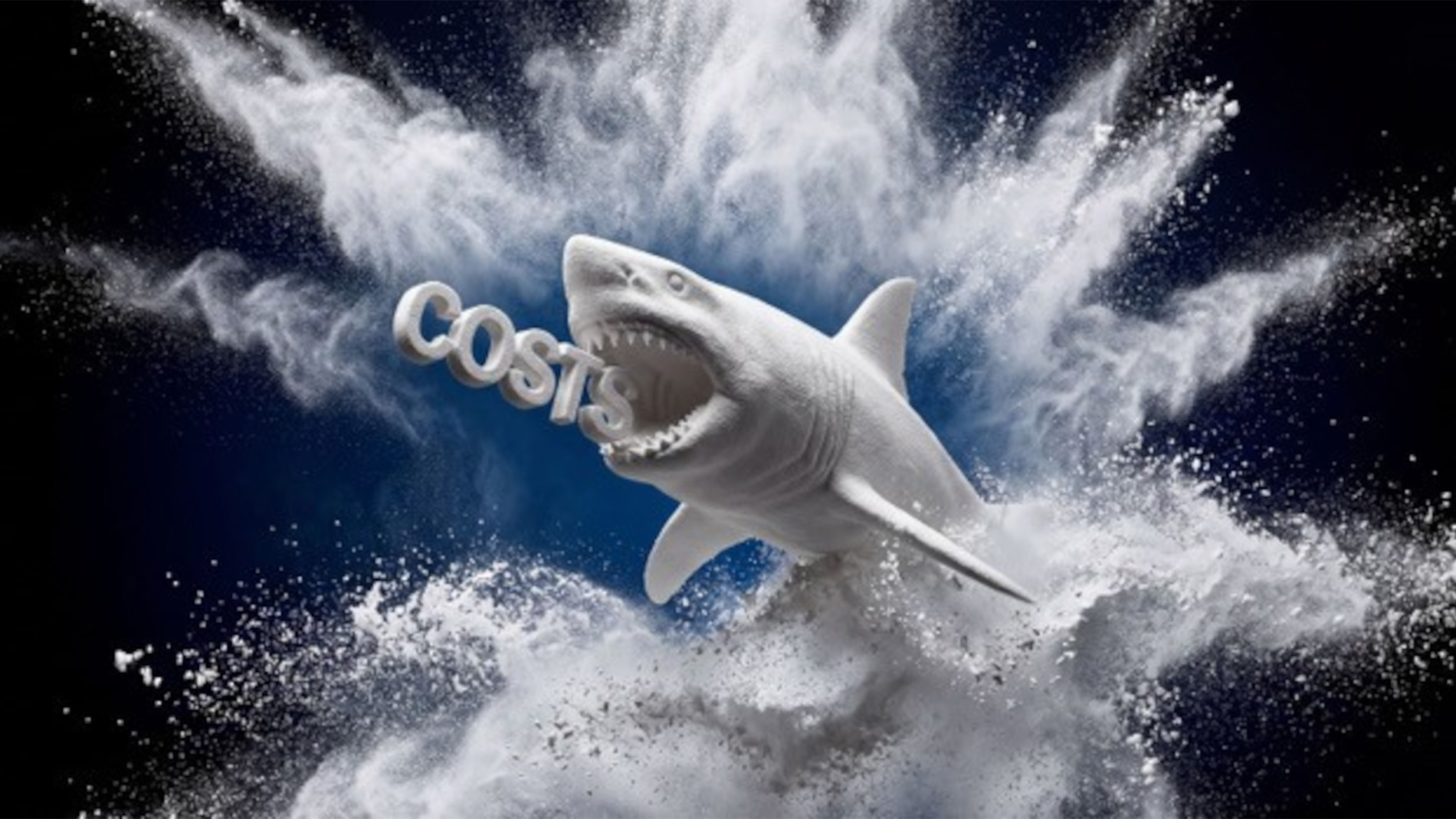
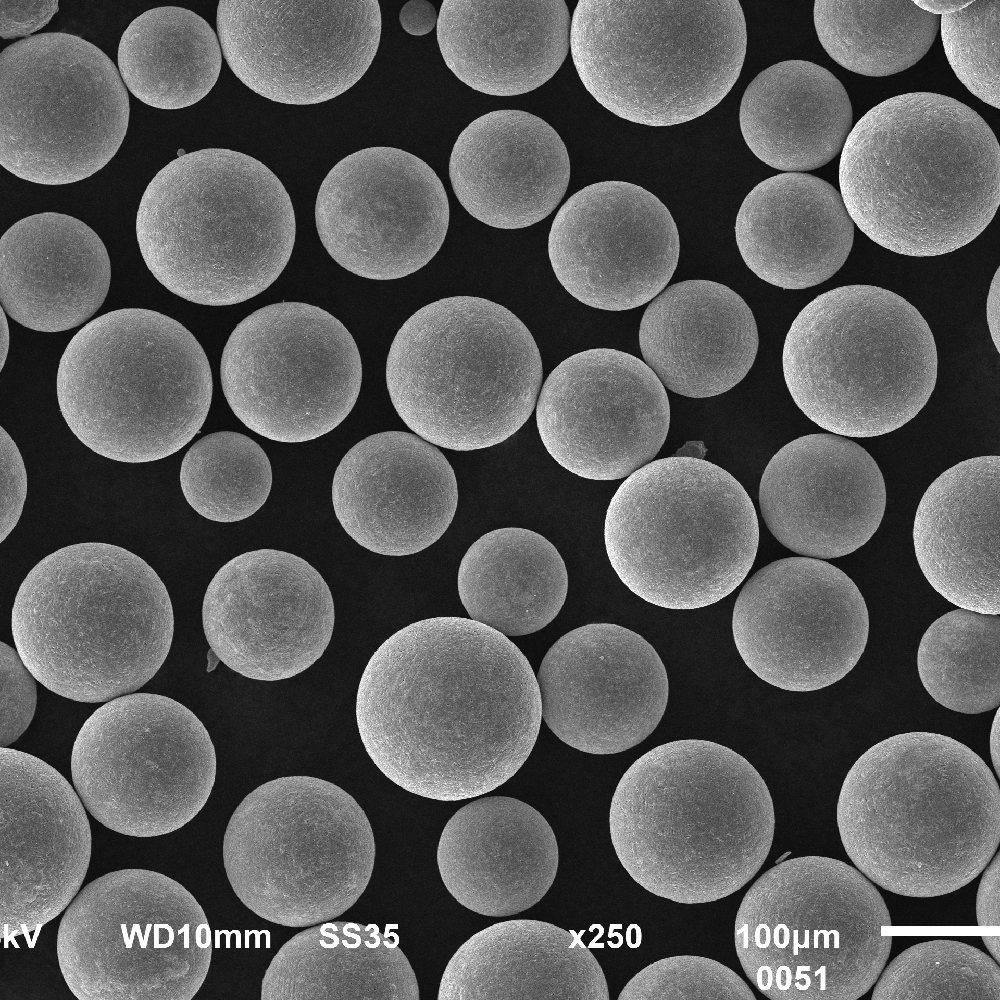
German plastic powder producer Lean Plastics Technologies GmbH (LPT) promises high technical performance, improved material efficiency and reduced process costs with its new material, LeanSint PA12 Eco, a white PA12 powder for selective laser sintering (SLS). The material has been tested on various SLS systems and can be processed using standard build parameters for EOS PA2200. According to LPT, its mechanical properties are comparable to those of established PA12 materials in key areas, and it is fully compatible with standard post-processing methods such as dyeing and vapor smoothing. To drive cost efficiency in the SLS process, LeanSint PA12 Eco significantly reduces production costs by using a lower proportion of fresh powder. A sample calculation by LPT showed potential cost savings of more than 60%. At the same time, LeanSint PA12 Eco helps reduce, as used PA12 powder can be reprocessed by LPT and reintegrated into the material cycle.
Lean Plastics Technologies at Formnext 2026: Hall 12.1, Booth A127
Sunlu: Long-term filament dehumidification
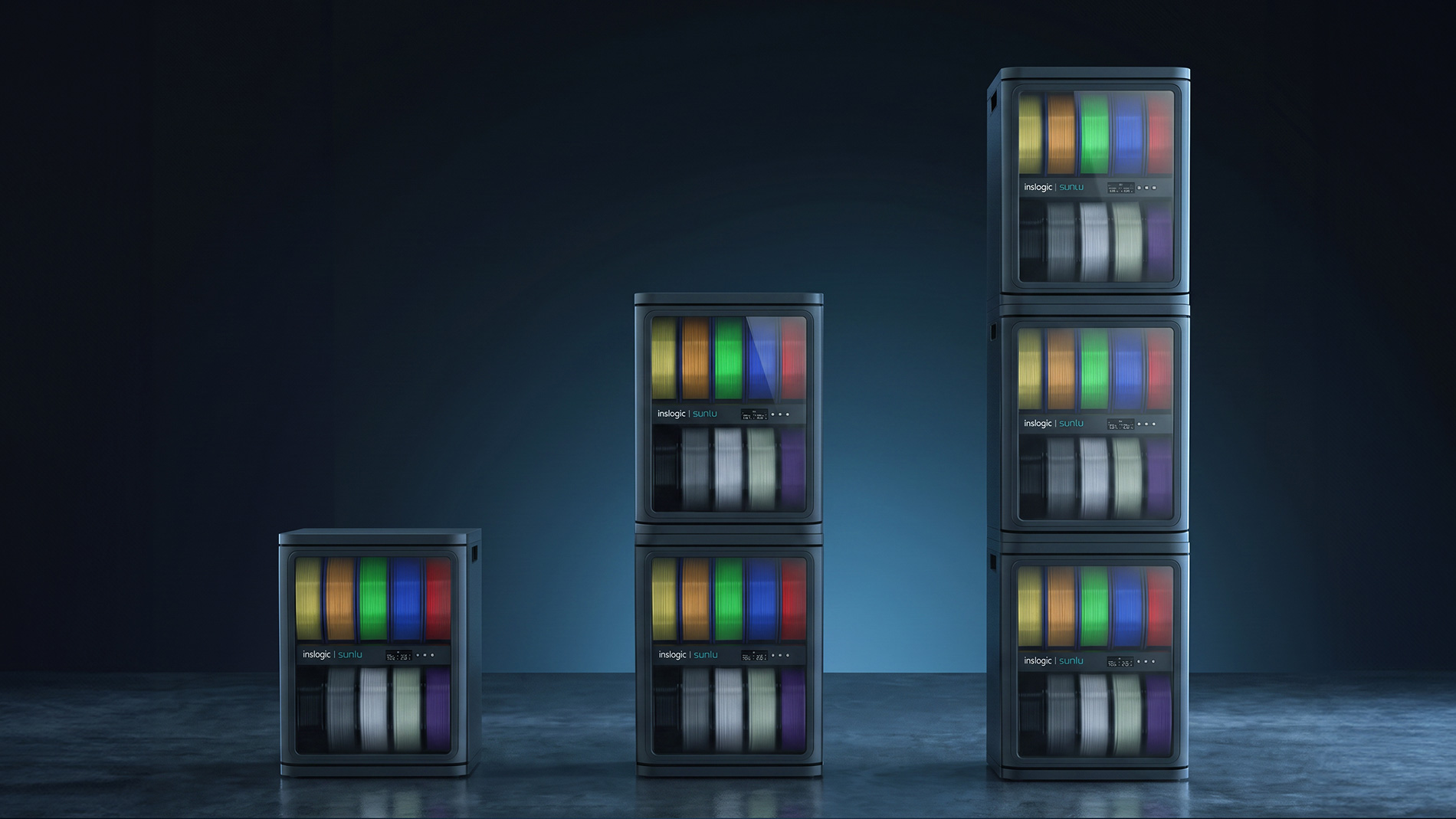
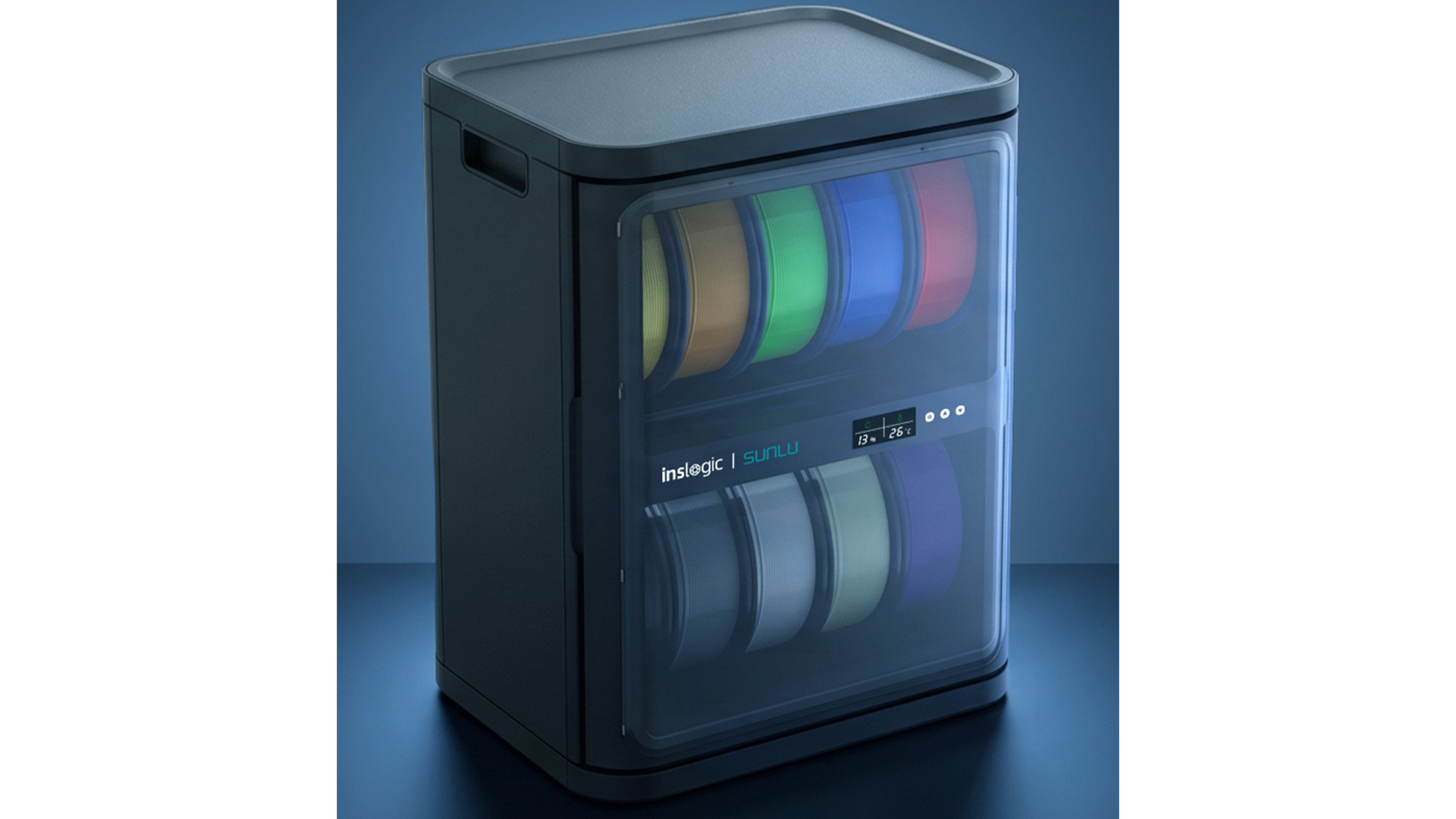
Chinese manufacturer Sunlu presents its new, co-branded Sunlu-Inslogic FilaDC i10 filament dehumidification cabinet. The new hardware solution addresses two key challenges in FDM 3D printing: reliable long-term filament storage and continuous active moisture control.
Featuring an innovative molecular sieve circulating dehumidification system, the FilaDC i10 provides a reliable, energy-efficient alternative to conventional hot-air drying cabinets. Rather than relying on prolonged high-temperature drying, the cabinet continuously circulates air through an integrated desiccant system that captures and retains moisture. When the molecular sieves become saturated, they are automatically regenerated through controlled heating, which removes the trapped moisture and restores full dehumidification performance without user intervention. Founded in 2013 in Zhuhai, Sunlu specialises in 3D printing filaments, resins and accessories. The company operates more than 270 production lines, has sold over 25 million products and holds more than 530 intellectual property rights.
Sunlu at Formnext 2026: Hall 12.0, Booth C11
Alpaplastic: Measuring the CO2 footprint of spools
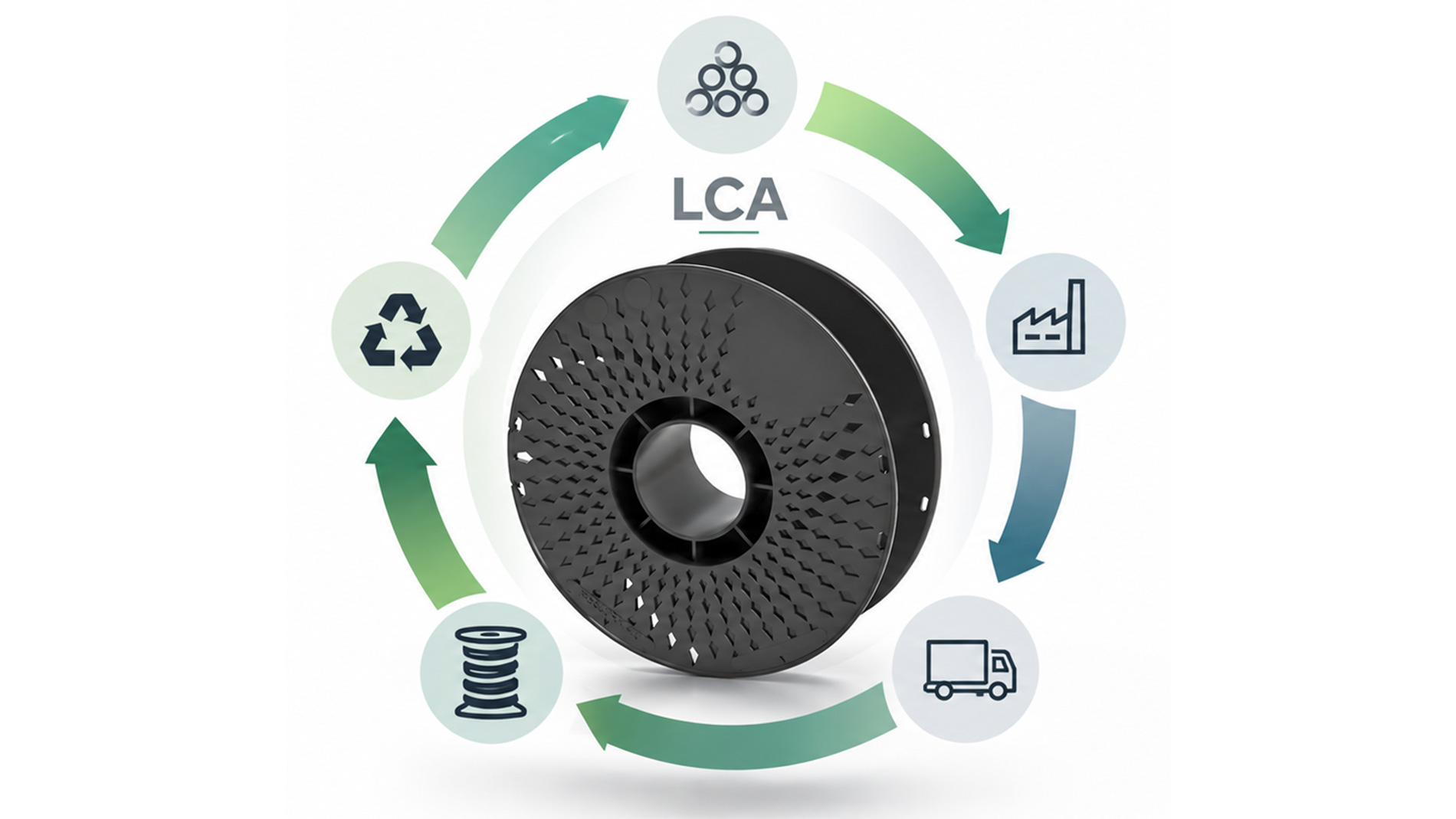
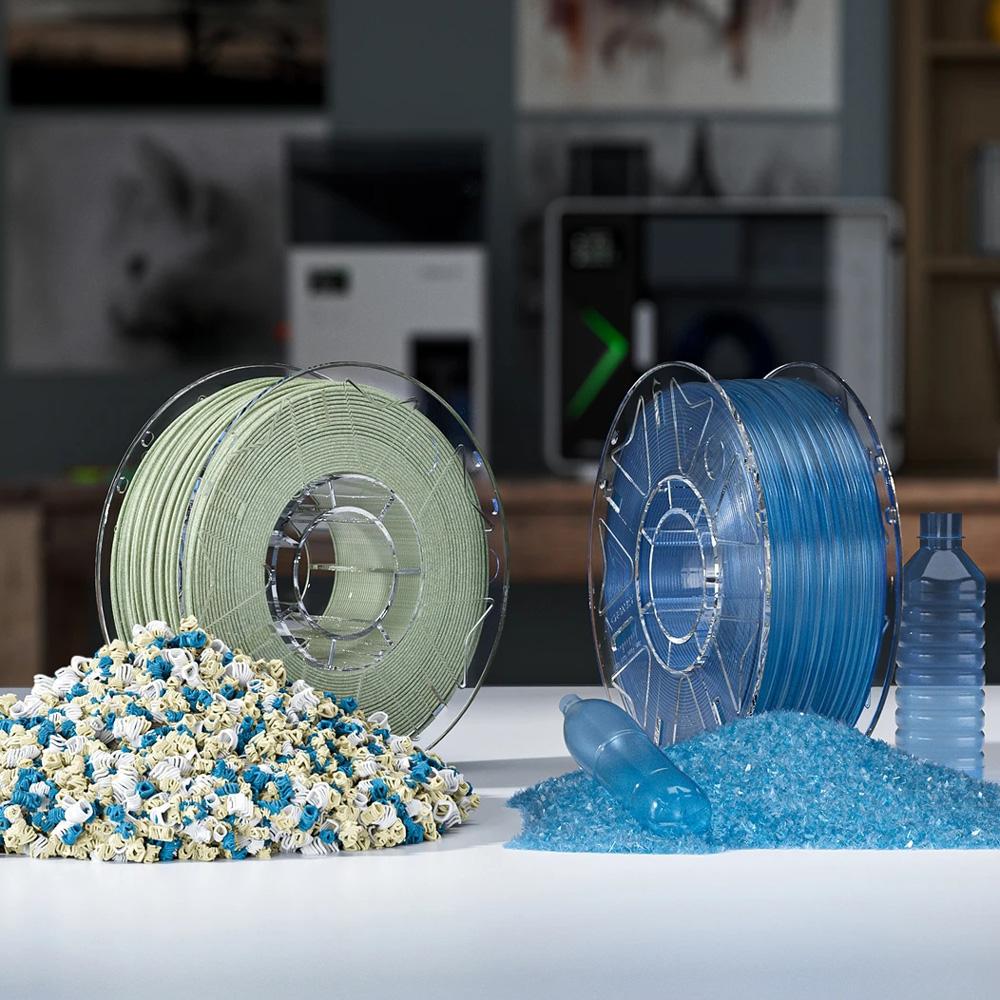
As part of its ongoing commitment to sustainability, Alpaplastic now measures the environmental impact of its spools through Life Cycle Assessment (LCA) using a dedicated carbon accounting platform. LCA examines a product’s environmental impact across its entire life cycle rather than focusing on a single indicator. Carbon dioxide (CO2) emissions are the first metric the company has begun tracking. As an example, Alpaplastic has calculated the carbon footprint of one of its spools, from raw material sourcing through to manufacturing – a key first step towards applying this analysis across the majority of its product portfolio. As industrial buyers increasingly request verifiable environmental data for the components they purchase, Alpaplastic aims to have this information readily available before it becomes a formal requirement.
Alpaplastic at Formnext 2026: Hall 12.1, Booth F71