
Reading time: 2 minutes
Text: Thomas Masuch
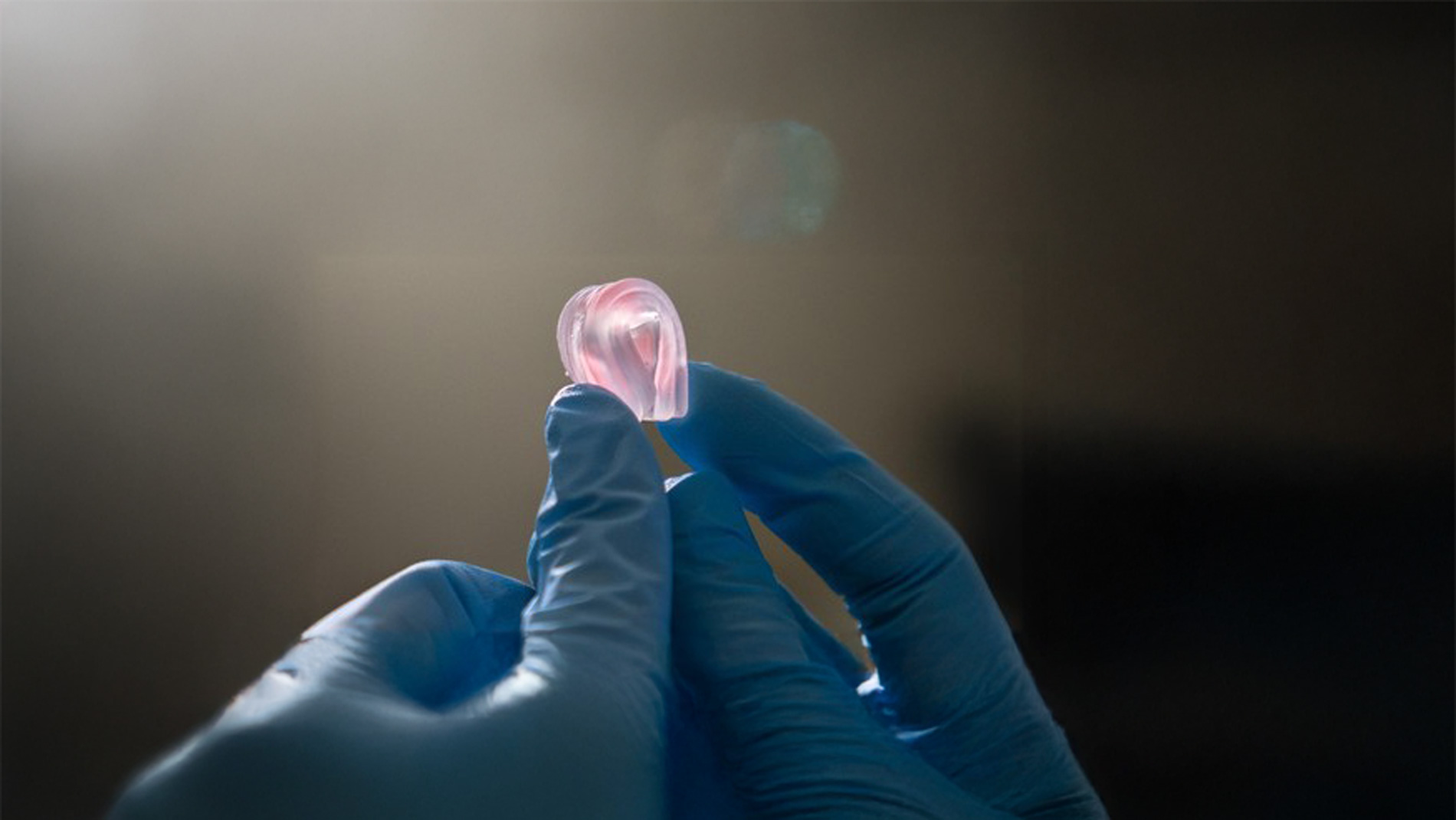
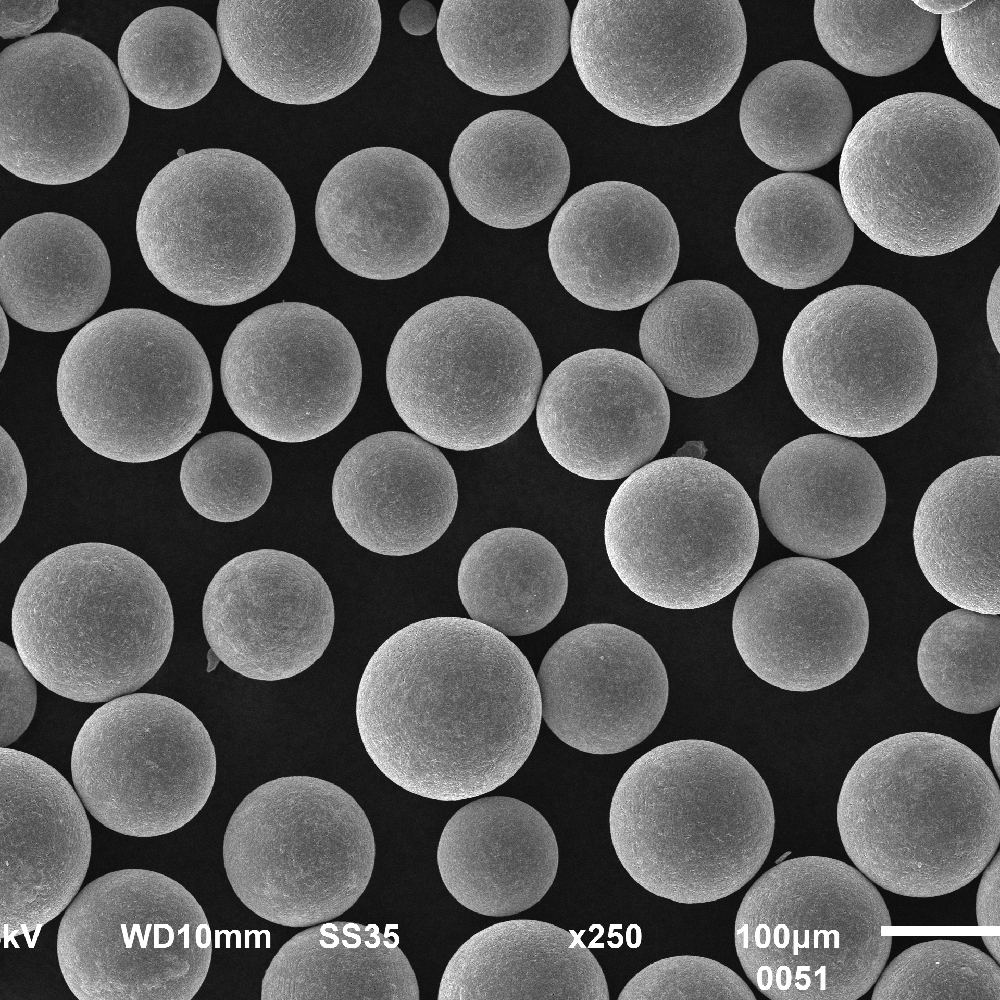
These rubber-like materials are made of microscopic elastomer particles connected by a softer elastomer network. Originally, DNGEs were developed as 3D printing “inks” for components with precisely tailored mechanical properties.
In a follow-up study, the research team has now demonstrated an unexpected additional advantage of this material architecture: superior resistance to both fracture and material fatigue. While the initial goal was to improve the processability of the material, the team has now discovered that these materials are also exceptionally tough. According to Esther Amstad, head of the Soft Materials Laboratory, this toughness comes from repeated energy-dissipation mechanisms: the material can absorb energy over and over without suffering permanent damage.
The two networks – one consisting of granular elastomer particles and the other of a soft elastomer – share the mechanical load, according to Amstad. This makes the material more robust overall. In experiments, optimised DNGEs achieved fracture toughness values up to 15 times higher than conventional elastomers and fatigue resistance values up to 3 times higher.
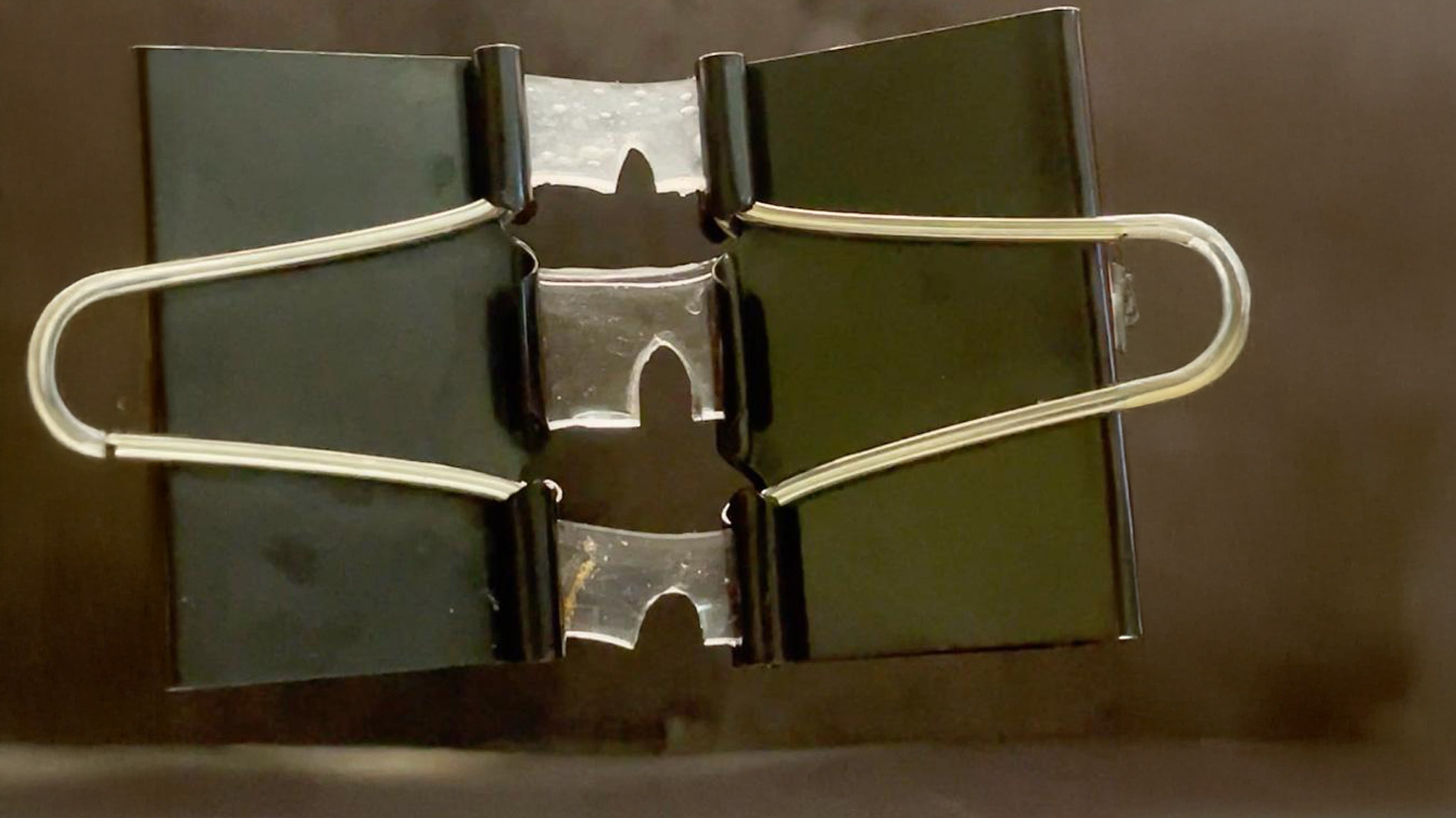
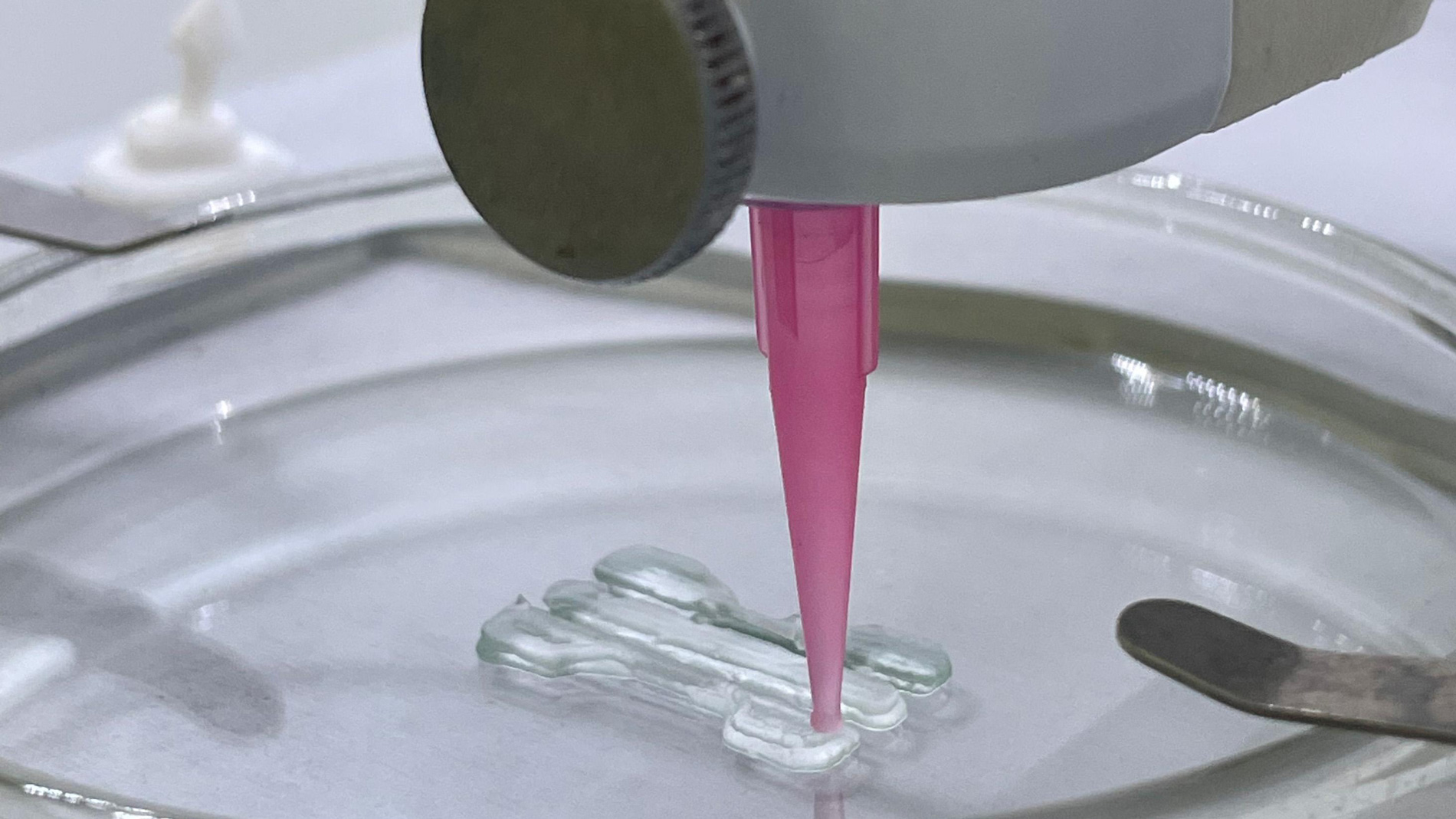
The research team is exploring potential applications in areas such as soft robotics systems, flexible electronics and biomedical devices, where components are subjected to repeated mechanical stresses over long periods. DNGE materials could help extend the service life of these systems.