Until 22 October we have two limited offers for you: early bird rates for Day- and Expo Passes or the very special Formnext experience with Premium Pass and VIP benefits.
In addition, we offer special rates for your arrival and stay. When planning your trip, pay attention to the travel specials on our website.
With the Formnext Awards, we shine a spotlight on innovative concepts that have the potential to transform industrial manufacturing in a lasting way. Formnext gives groundbreaking ideas the stage they deserve.
The AM world shines thanks to talented, motivated people who continue to advance the technology and thus drive the entire industry. It’s therefore only fitting that their ideas should receive the time in the spotlight they deserve – for the good of the industry and the forward-thinking development of modern production as a whole.
”Through the Formnext Awards, we create a framework in which quality, comparability, and responsibility become visible. They are part of our mission to shape technology hubs that provide guidance, enable networking, and sustainably support the industrial implementation of innovative technologies.”
“The Formnext Awards demonstrate where Additive Manufacturing is already delivering tangible value today – technologically, economically, and socially. They make visible which solutions are proven, which business models are viable, and which players are setting benchmarks. In doing so, the Awards offer valuable guidance within a highly dynamic market.”
The finalists have been announced!
Now it’s your turn: Cast your vote for your favorites!
Just like last year, you can help decide which ideas will be honored. The public vote counts as an additional jury voice: both visitors attending Formnext in person and those joining online can vote for one of the finalists in each of the six categories and help determine the final outcome.
The announcement of the winners and the award ceremony will take place on Thursday, 19 November, starting at 4:10 PM on the Industry & Application Stage (Hall 11.0, D72).
In addition to a trophy designed by the AM artist duo Sutosuto and produced by FKM, the winners will receive attractive prize packages.
Take part and vote for your favorite to win!
+++ Voting is open for all categories until Thursday, November 19, 2026 at 12:00 PM (CET) +++
The AMbassador Award honors individuals or organizations who provide real impact on the industry through training and educational programs or their personal advocacy.
Brazil has strong Additive Manufacturing capabilities, but for years they were fragmented and hard to find. Companies did not know which service providers, research institutions or suppliers could solve their problems, and international partners had even less visibility. Mechanical engineer Luan Saldanha set out to change that.
He created the Additive Manufacturing Map of Brazil, an independent publication that makes the country's AM ecosystem visible and connected. Its fifth edition mapped 249 organizations, including equipment and material suppliers, service providers, science and technology institutions, startups and events, and was launched at the 3rd Petrobras Additive Manufacturing Workshop. The initiative then evolved into Aditiva Brasil, a digital platform that now maps more than 400 technological assets across industry, research, startups, suppliers, infrastructure and education.
Beyond mapping, Luan expands access to AM knowledge. He publishes Panorama MA, a Portuguese-language AM newsletter, runs the industrial news site Manufatura Digital, creates educational content on YouTube and Instagram, and teaches courses, lectures and postgraduate classes. His approach is technically rigorous and hype-free, aimed at industrial engineers and managers who need to make real decisions about adopting AM.
His work turns scattered knowledge into connections that support industrial adoption. As a Formnext AMbassador Award finalist, he aims to bring Brazil's AM ecosystem into stronger international dialogue and connect its capabilities with the global AM community.
Your consent is required
To view the video, you must give consent to our Brightcove video player in the privacy policy settings.
Luan Saldanha, Founder & Additive Manufacturing Specialist, Aditiva Brasil
“Being a Formnext finalist is a chance to put Brazil's Additive Manufacturing ecosystem on the global map.”
You can experience the project presentation live at the Formnext Awards Showcase: Hall 11.0, F60
Professor Leroy Gardner and the Steel Structures Research Group at Imperial College London are advancing the adoption of metal Additive Manufacturing in construction by translating research into practical structural engineering solutions. Their work combines experimental research, structural optimisation, design development, robotic metal 3D printing and full-scale testing to establish the knowledge and evidence needed for safe, efficient implementation.
The Group’s research includes pioneering full-scale demonstrators that have progressively expanded what structural AM can achieve. Its collaboration with MX3D contributed to the world’s first 3D-printed steel bridge, demonstrating the feasibility of metal AM at structural scale. The Imperial–Shimizu Garden Bridge showed how structural optimisation can exploit AM design freedom, while a full-scale hybrid steel 3D truss with AM nodes demonstrates how AM can bridge structurally optimised design and practical steel construction.
Through research, education, publications and close collaboration with industry, the Group works to lower barriers to adoption, build technical capability and move structural AM from innovation towards scalable construction practice.
Your consent is required
To view the video, you must give consent to our Brightcove video player in the privacy policy settings.
Leroy Gardner, Professor of Structural Engineering, Imperial College London
“Being shortlisted for the Formnext AMbassador Award is an opportunity to bring structural metal AM to a wider engineering audience and show how research can translate into practical construction.”
You can experience the project presentation live at the Formnext Awards Showcase: Hall 11.0, F60
The Additive Manufacturing Center (AMC) at TU Darmstadt is an open learning, research and technology transfer hub dedicated to making Additive Manufacturing accessible, understandable and applicable.
With a focus on metal powder processes, we demonstrate the complete physical AM process chain in our Technical Center – from alloy development and ultrasonic powder atomization to PBF-LB/M and high-speed DED manufacturing, post-processing, and quality assessment through mechanical testing and materials analysis such as CT scanning. By combining the expertise of 13 institutes from mechanical engineering, materials science and civil engineering, we create a truly interdisciplinary environment. Researchers, students, technicians, start-ups and established companies can learn, experiment and develop new solutions side by side.
A central part of our mission is building the skilled workforce AM needs for the future. Each year, 50–60 students complete our courses, more than 20 student projects are carried out in our labs, and our research has contributed to 10 PhD theses in three years. Together with trade organizations such as IHK Rhein-Main, we introduce 40+ technical apprentices to AM, while more than 50 engineers and technicians from industry are trained through AMC workshops and partner events. Open lab days and guided tours reach another 200–300 visitors annually.
Beyond education, we lower entry barriers for SMEs, start-ups and public organizations by offering feasibility assessments, design support and access to industrial-grade AM equipment before investments are made. Partnerships with VDMA, HessenMetall and Hessen Trade & Invest extend our reach into industry and strengthen the AM ecosystem in the Frankfurt-Darmstadt region and beyond.
For us, AM is not only about machines and processes. It is about people, skills, safe and responsible practice, and creating an environment where new users can turn ideas into real applications.
Your consent is required
To view the video, you must give consent to our Brightcove video player in the privacy policy settings.
Dr. Michael Kraemer, Managing Director, TU Darmstadt – AM Center
“We are excited to be an AMbassador Award finalist and to have the opportunity to bring our mission to an even wider audience: making Additive Manufacturing accessible, understandable and applicable for students, technicians, companies and public organizations.”
Senior Program Manager, MIT - Massachusetts Institute of Technology
Design Award
By identifying concepts that balance both aesthetic and functional aspects, the Design Award highlights the importance of intelligent and inventive design in additive manufacturing.
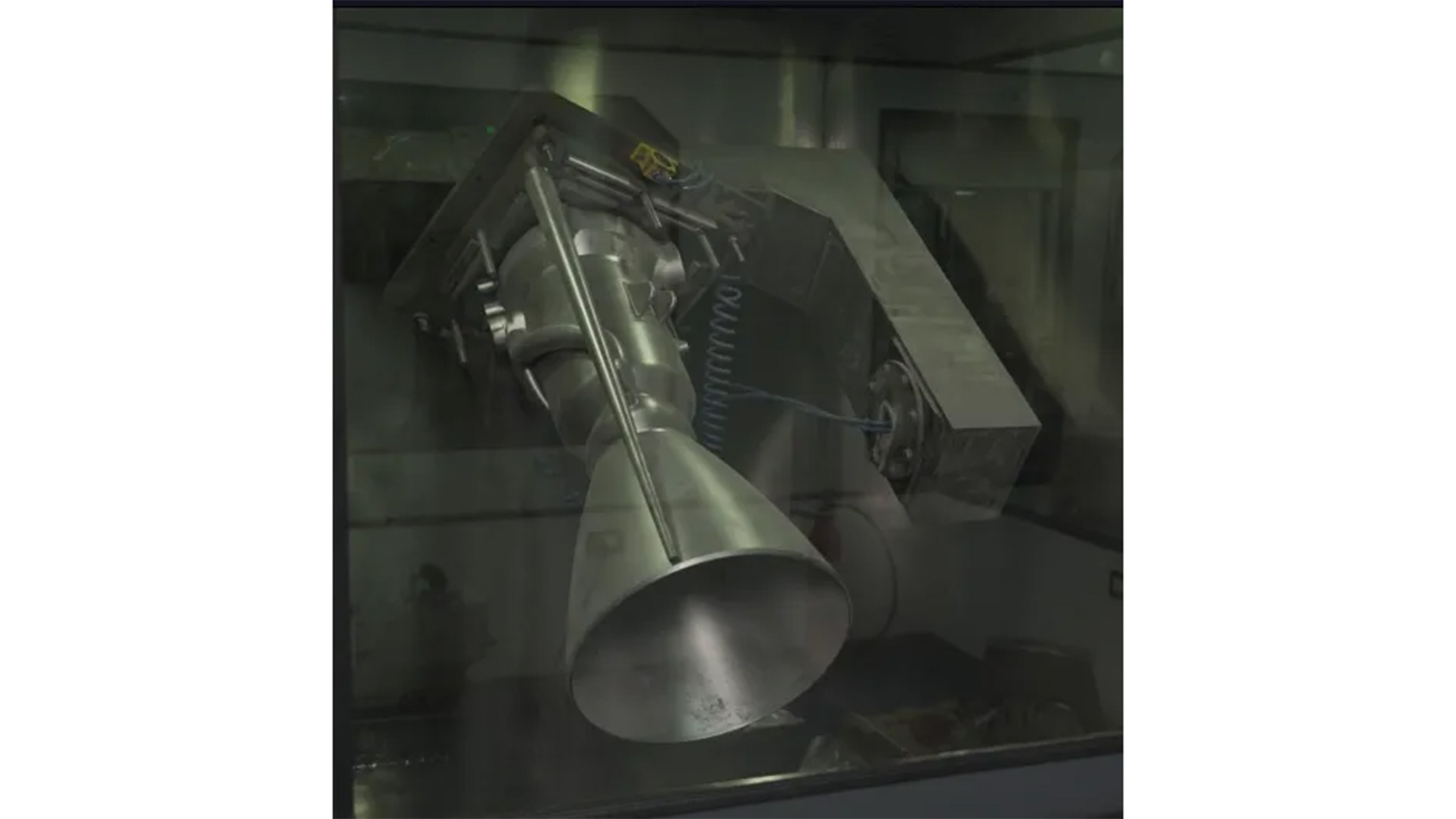
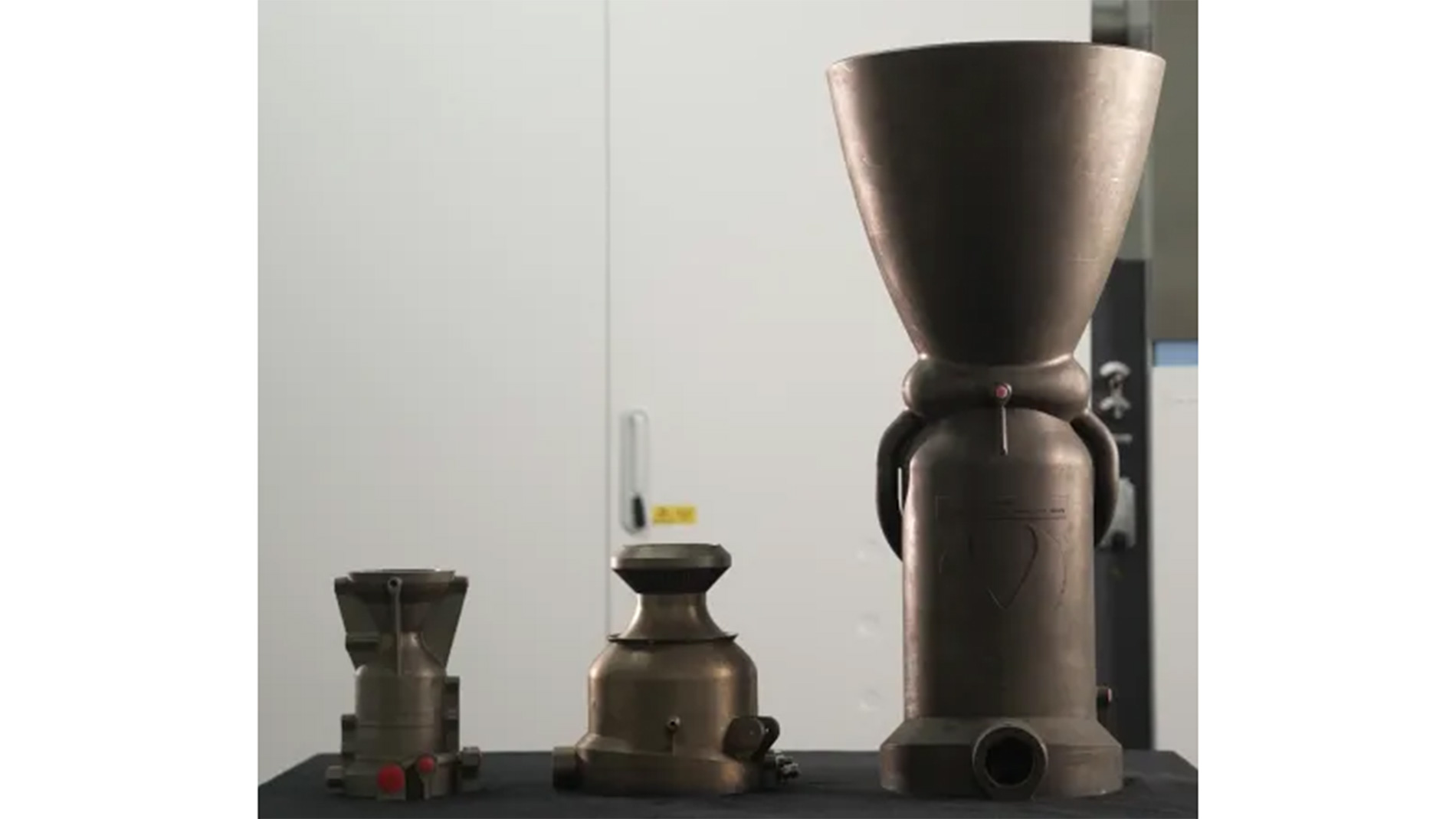
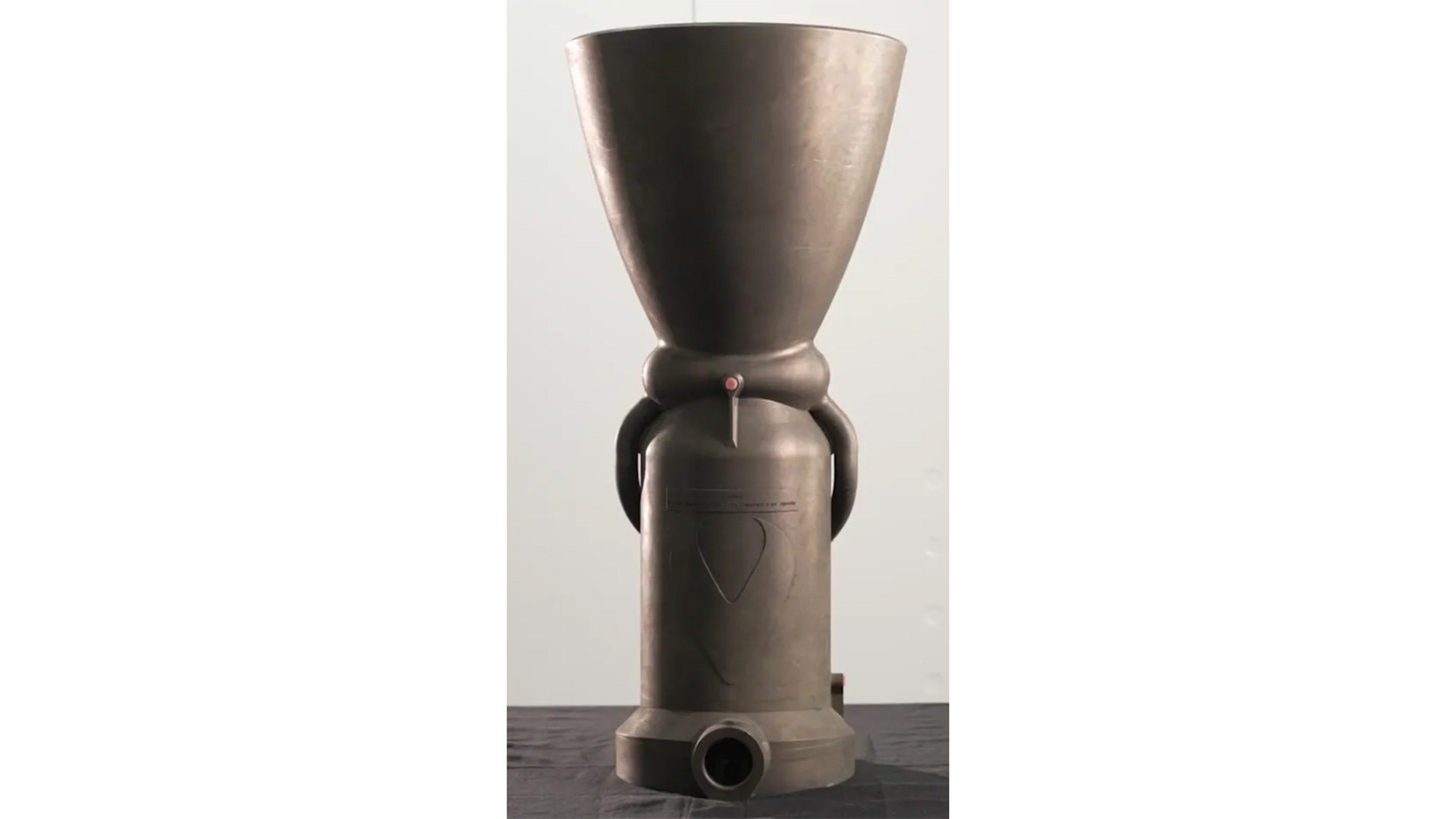
Agnikul Cosmos is redefining access to space through a single-piece, 3D-printed semi-cryogenic rocket engine conceived for additive manufacturing from the first design decision.
Instead of assembling more than 1,200 conventionally manufactured parts, welds, seals and interfaces, Agnikul integrates the injector, combustion chamber, propellant paths, regenerative-cooling network and structural functions into one continuous Inconel architecture.
Its sculptural form follows performance: every contour supports flow, cooling, combustion, heat transfer or structural load. Metal laser powder bed fusion enables tightly routed internal geometries that would be extremely difficult, time-intensive or uneconomical to produce conventionally. The digital, tool-less route also accelerates iteration and reduces production from months to days.
This is not a conventional engine adapted for printing. It is an additive-first propulsion architecture.
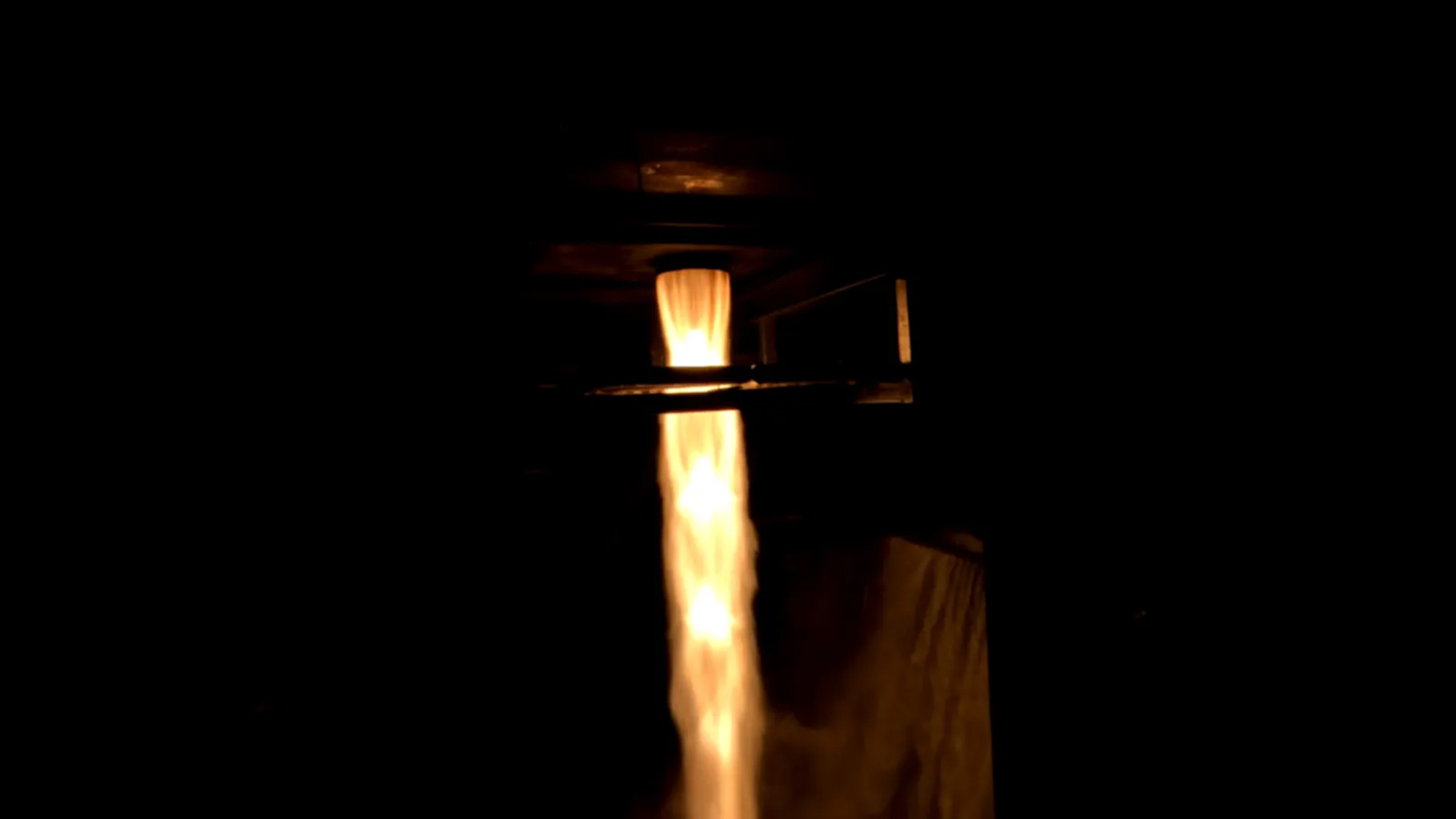
Its successful flight in the Agnibaan SOrTeD mission in 2024 proved that smart DfAM can move beyond prototyping to flight-critical performance, enabling more responsive and accessible launch services.
Your consent is required
To view the video, you must give consent to our Brightcove video player in the privacy policy settings.
“Formnext provides the ideal platform to build a lasting global bridge between Additive Manufacturing and the space industry, from powder to finished parts, from complex architectures to applications in spaceflight.”
You can experience the project presentation live at the Formnext Awards Showcase: Hall 11.0, F60
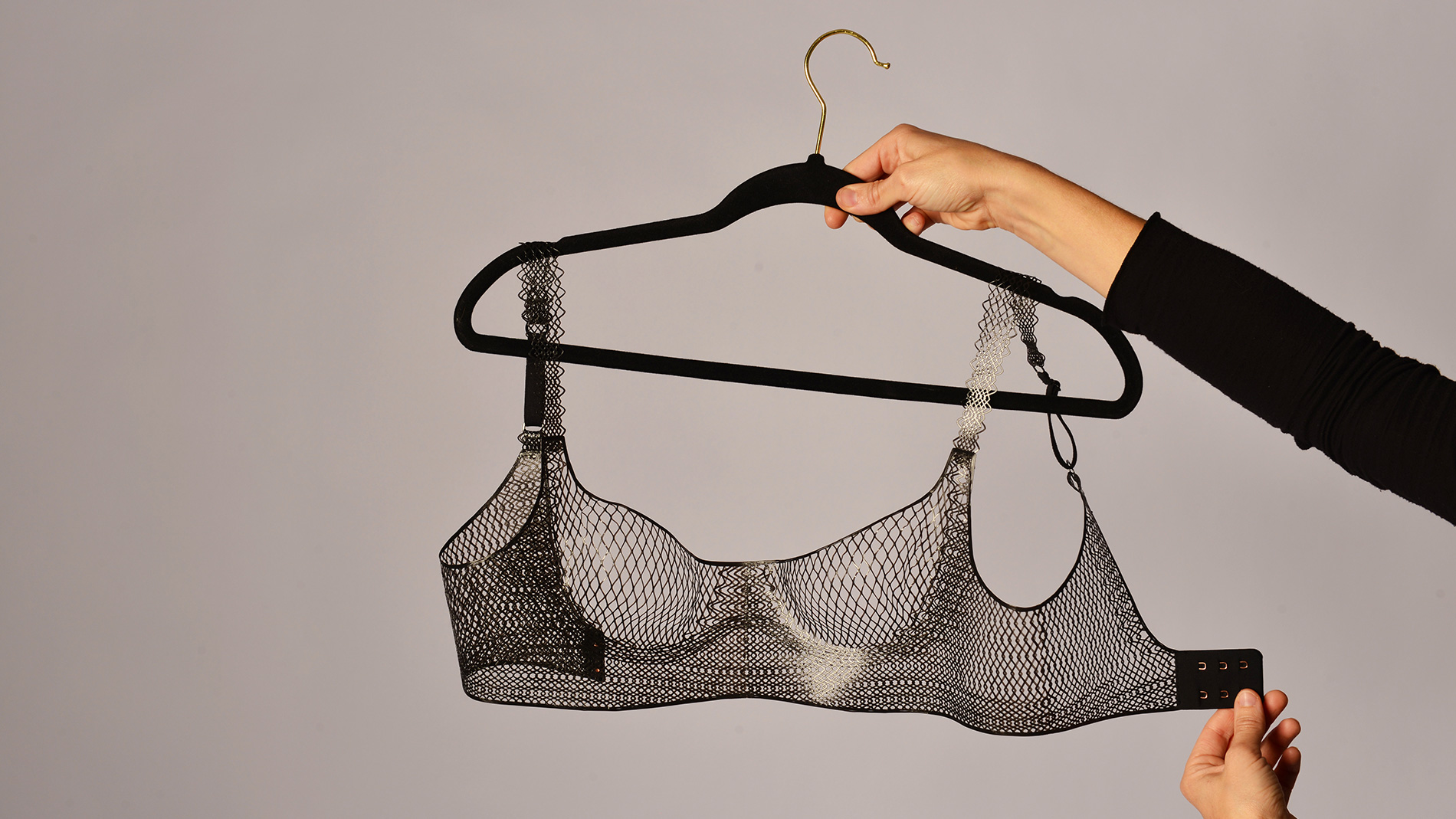
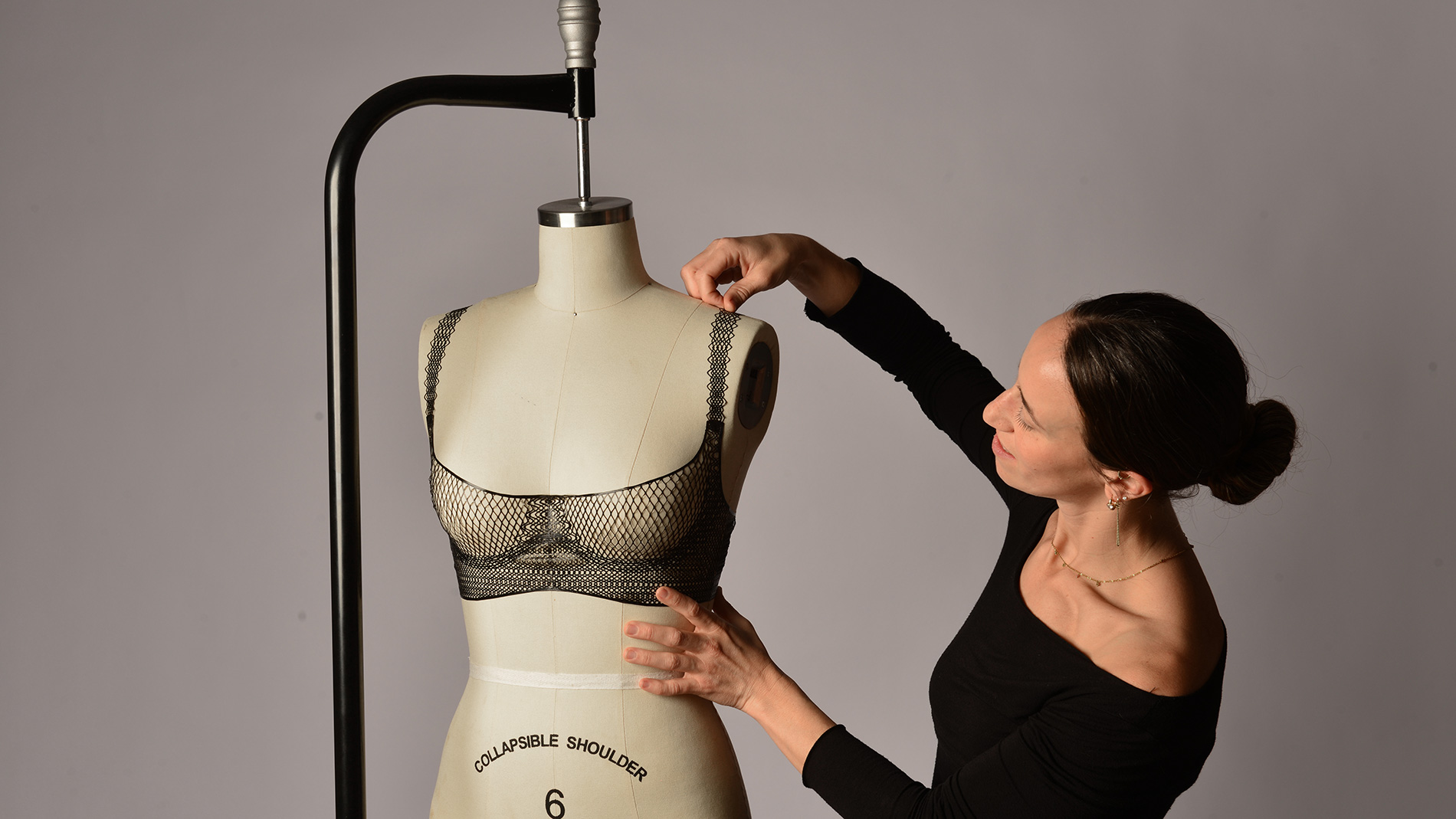
Computational Bra is a fully 3D printed bra that explores how computationally designed textile structures can shape elasticity, support and compression within a full garment.
A conventional bra relies on many components: pads, underwires, stabilizers, elastics and glue. This project removes them without giving up performance, by printing their functions directly into the textile, from a single material (TPU) on a desktop FDM printer.
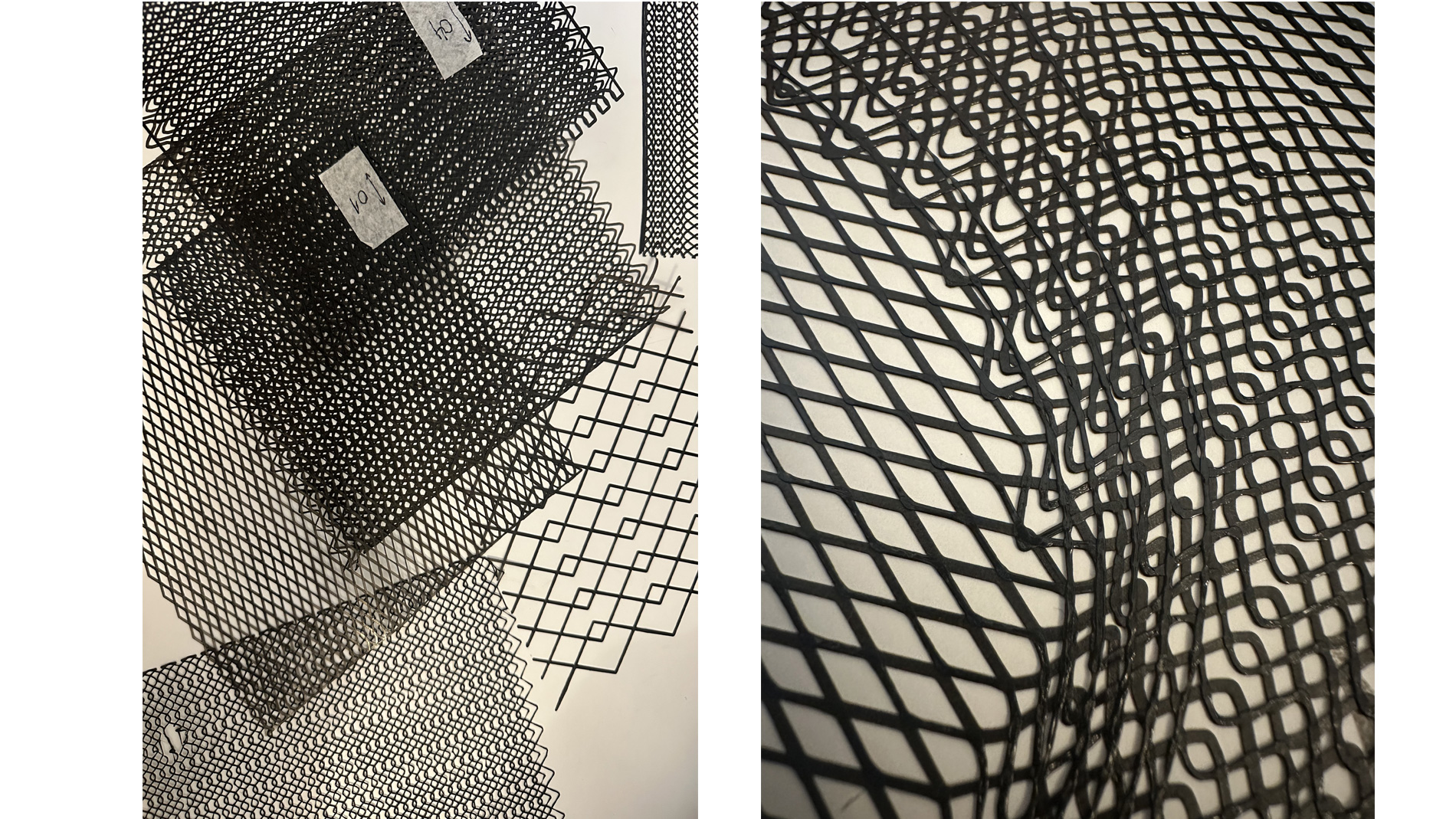
Inspired by engineered knitwear, where different structures are assigned to different zones of a garment, Maya Kaplan developed a library of algorithm-based textile structures that range from expandable and flexible to rigid and supportive.
An algorithm in Grasshopper maps the bra by function and assigns the structures accordingly: the cups expand to take the volume of the breast, the underbust is firmer and replaces the underwire, and the straps combine strength with elasticity and recovery. G-code is generated directly from Grasshopper, giving full control over toolpath, extrusion and speed.
The pattern is divided into pieces sized to fit the printer's build plate, and an innovative approach was developed to connect them: the print head itself is used as a sewing machine. A series of printed stitches, each with different performance characteristics, was developed by programming the print head's toolpath to move non-linearly in space, joining the pieces together.
The result is a new aesthetic of data-driven textile, with performance properties embedded into a single garment made of one material. It points to a route toward on-demand, customizable garments that can be produced locally, adjusted to individual measurements and, with future sustainable printable materials, potentially recycled at the end of use.
This project was developed as part of the Digital Design and Craft course at the Industrial Design M.Sc. program, Technion Institute of Technology.
Your consent is required
To view the video, you must give consent to our Brightcove video player in the privacy policy settings.
“Formnext provides me with the opportunity to showcase my research on the transformative potential of Additive Manufacturing for the textile industry to an international audience, gain press exposure, and build new collaborations.”
You can experience the project presentation live at the Formnext Awards Showcase: Hall 11.0, F60
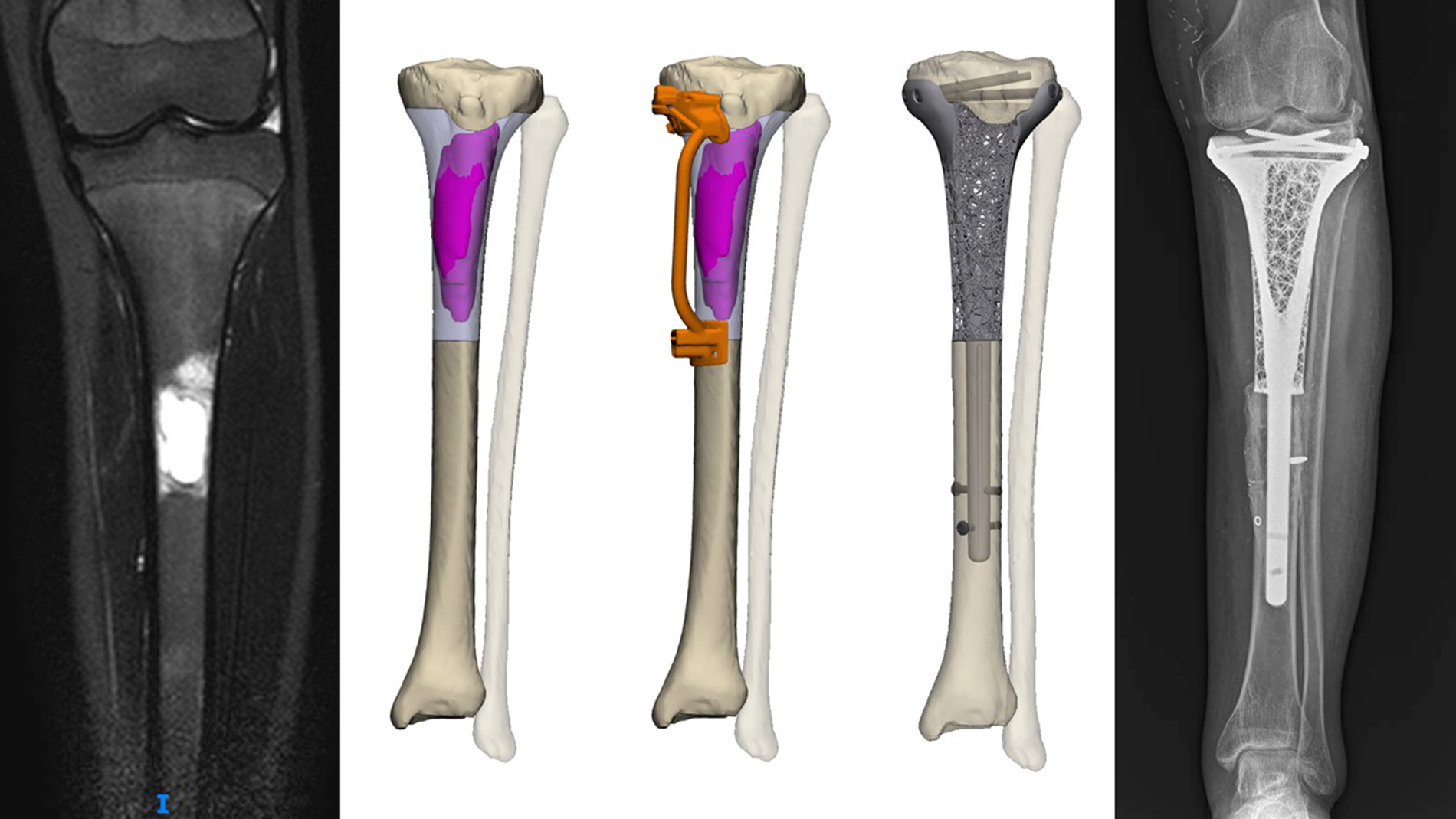
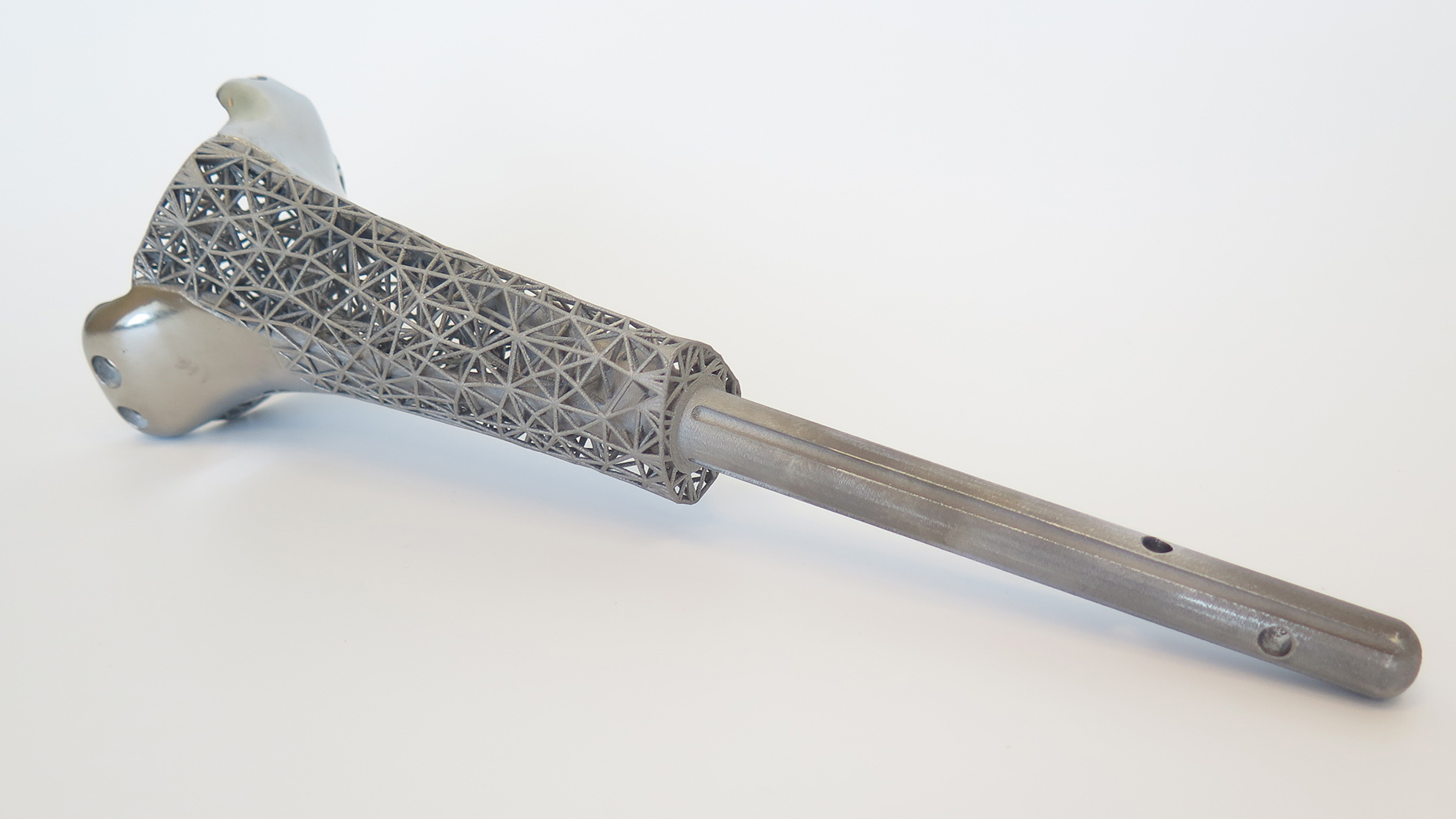
Bone cancer in youth often forces amputation or destructive mega-prostheses, such as sacrificing the knee joint. This monolithic, anatomy-conformal titanium implant redefines pediatric oncology.
From left to right: Pre-operative MRI scan; CAD views of the 3D bone model with segmented tumor margins, surgical cutting guide (jig) positioning, and final titanium implant design; and post-operative X-ray image demonstrating complete joint preservation.
By combining point-of-care 3D planning with 3D-printing in medical Ti-6Al-4V, the patient's native knee is fully preserved.
The implant unites dynamic load-bearing and biological fixation:
Load-Bearing Y-Frame: Transmits gait loads directly into the intramedullary canal, validated by FEA.
Octet-Truss Lattice: Stimulates bone ingrowth for solid cortical reconstruction.
Final patient-specific 3D-printed titanium implant, integrating anatomical fixation flanges, an osteoconductive lattice to foster natural bone integration, and an intramedullary stem.
Instead of permanent disability, the patient returned to active sports - turning cancer survival into true functional recovery.
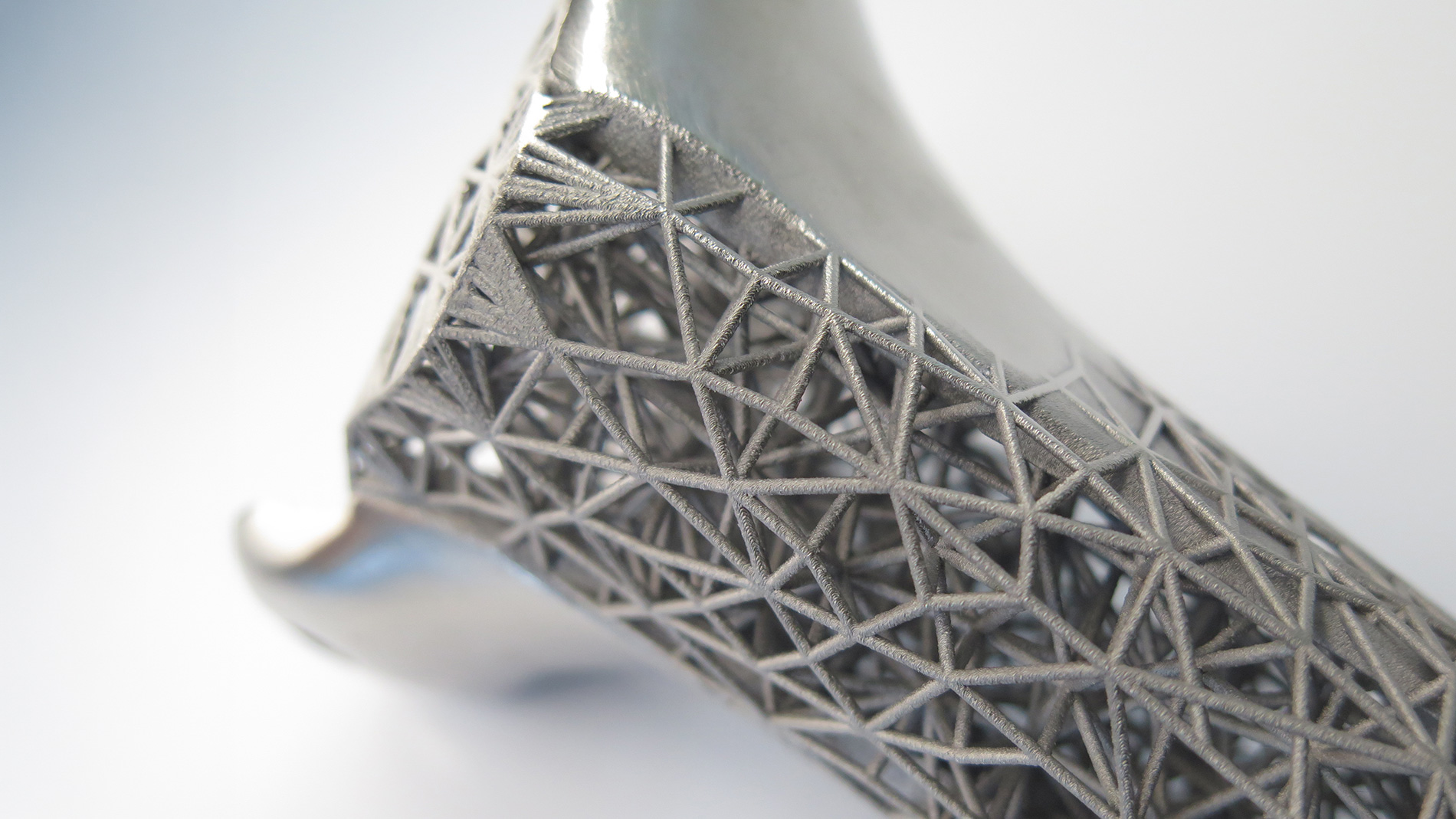
Close-up view of the osteoconductive lattice and the high-polish finish on the anatomical flanges, to prevent soft-tissue irritation.
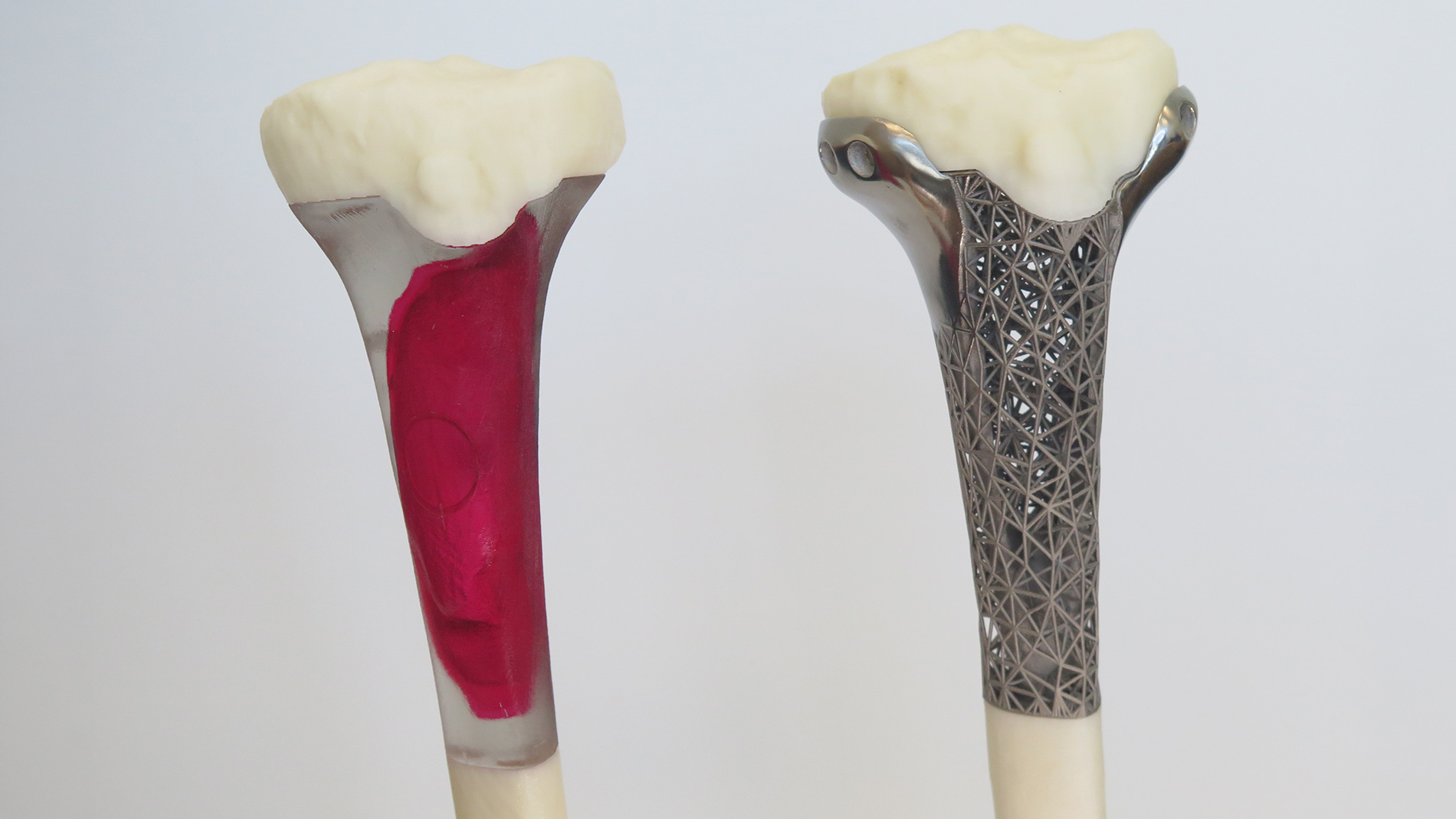
Pre-surgical fit verification: 3D-printed proximal tibia model with resected tumor volume (left) alongside the actual manufactured titanium implant fitted onto the plastic bone model to verify anatomical alignment (right).
The titanium implant was printed and post-processed by Sharon-Tuvia Ltd. using a 3D Systems printer. The procedure was carried out in close collaboration with the National Unit for Orthopedic Oncology at Tel Aviv Sourasky Medical Center, who co-developed both the surgical plan and the custom implant design.
Your consent is required
To view the video, you must give consent to our Brightcove video player in the privacy policy settings.
Eran Golden, CTO, Levin Center
“Showcasing the clinical impact of Additive Manufacturing and connecting with leading MedTech experts from around the world has provided me with valuable insights and new perspectives.”
You can experience the project presentation live at the Formnext Awards Showcase: Hall 11.0, F60
Jury members
Dr. Patrick Pradel
Senior Lecturer Digital Design & Manufacturing, University of Loughborough, DfAM UK
Duann Scott
Founder – Bits to Atoms and the CDFAM Computational Design Symposium Series
Prof. Dr.-Ing. Oliver Tessmann
Professor Digital Design Unit – TU Darmstadt
(R)Evolution Award
Groundbreaking products, technologies, or services that offer exceptional added value for users are honored with the (R)Evolution Award.
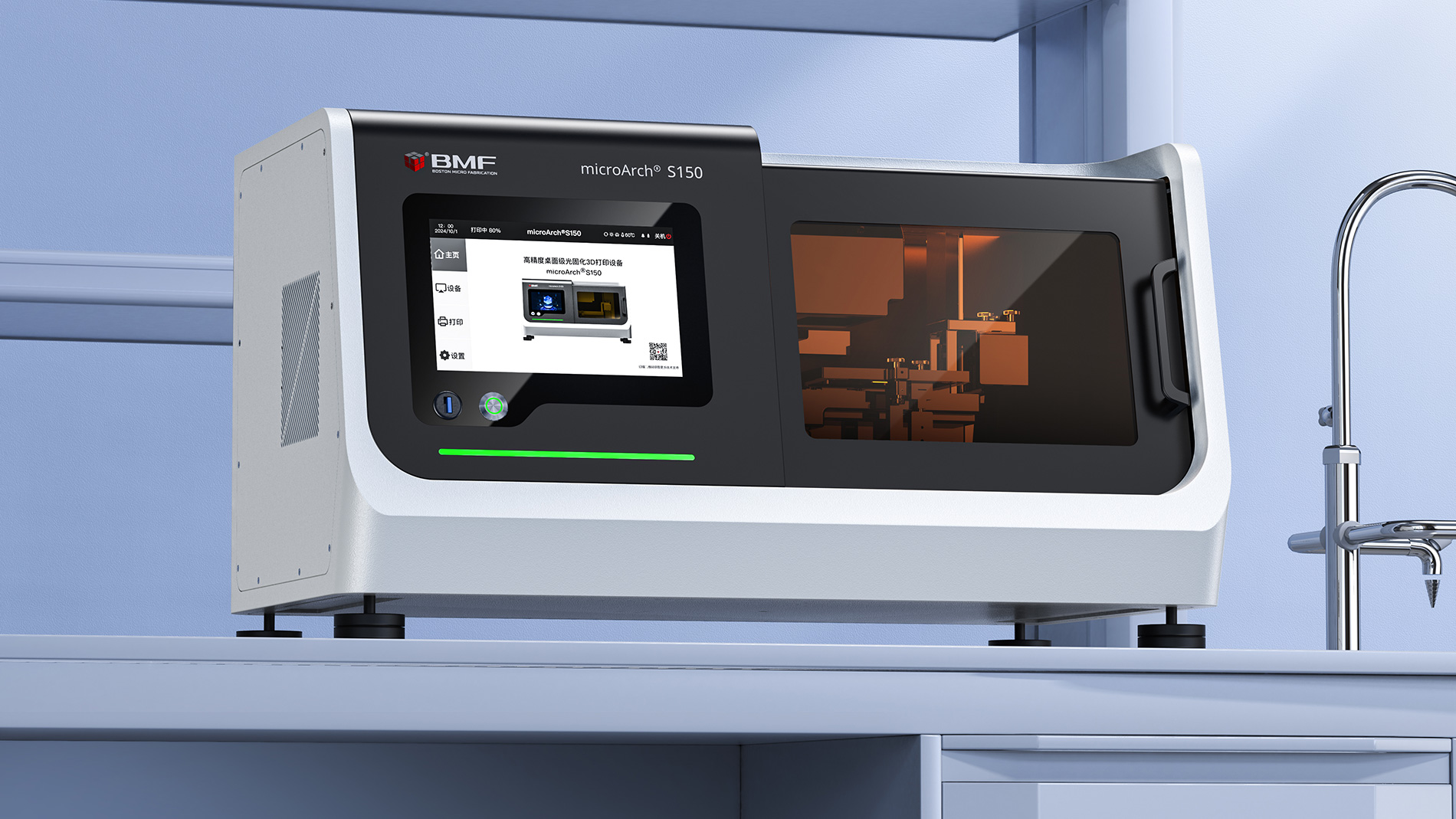
Many engineers need parts with features too small, too detailed or too complex for conventional manufacturing, and have never thought 3D printing could make them. The microArch® S150 Series was built for them.
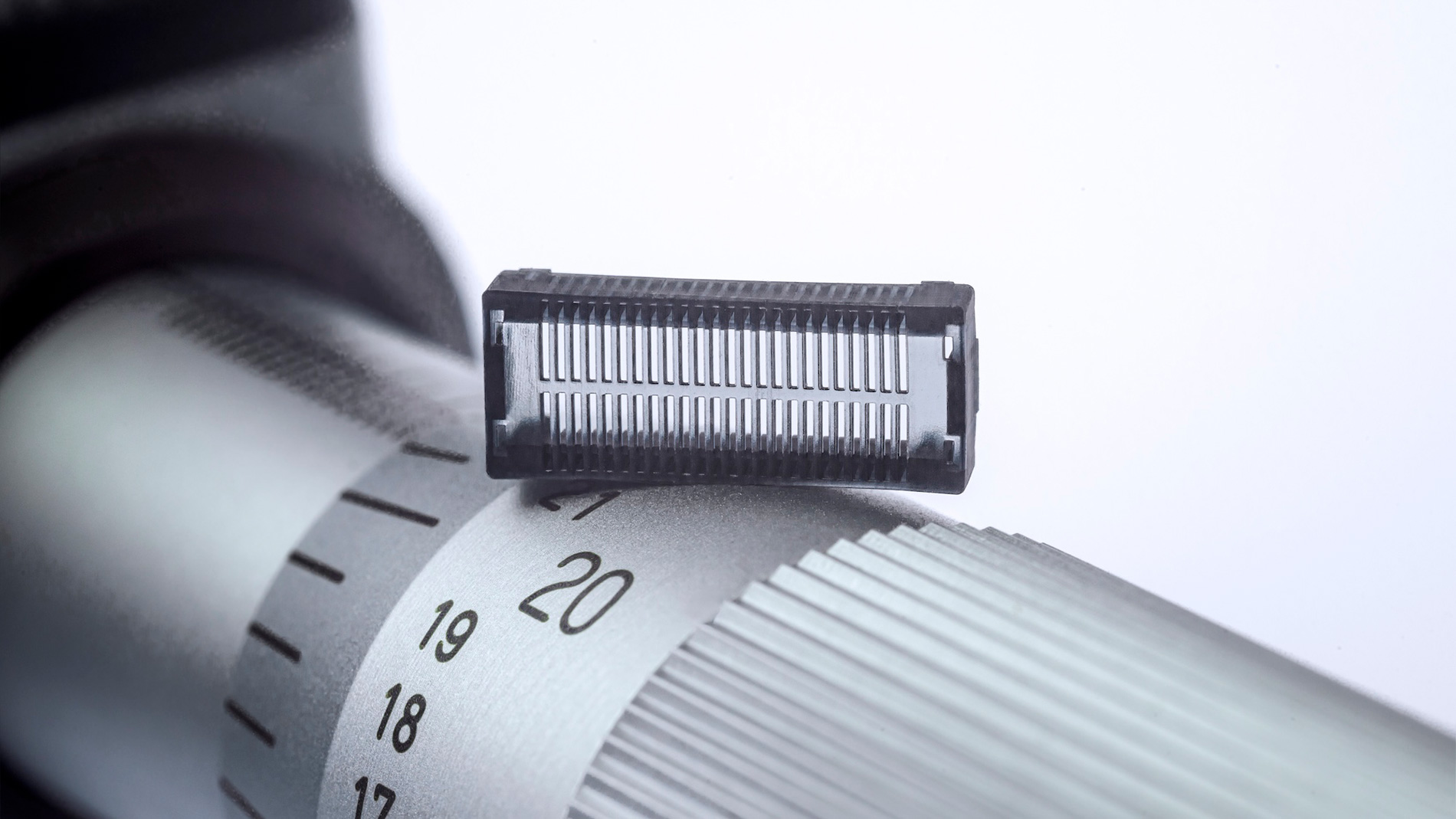
The S150 is a compact desktop printer based on BMF's Projection Micro Stereolithography (PµSL) technology. It delivers 25 µm optical resolution, ±3 µm positional accuracy and layers as fine as 10 µm across an 80 x 48 x 50 mm print area, producing parts that are true to CAD.
Micron-level printing has long been limited to specialist labs because of system complexity, cost and the expertise needed to run it. The S150 is designed to change that. One-touch operation and built-in print parameters mean users can start printing without dialing in settings themselves, and a side-shifting membrane stays in place between builds, so there's less handling and downtime. Teams without a dedicated micro-manufacturing specialist can bring this capability in-house.
For years, features at this scale meant micromachining, lithography, micro-molding or manual assembly, with long lead times and tooling costs. The S150 lets engineers print those parts themselves and go from CAD to functional part in days instead of weeks or months. They can design for performance first rather than around manufacturing limits, and combine several components into one printed part.
Customers use BMF's PµSL technology for microfluidic channels, fiber optic components, biomedical devices, RF and millimeter-wave structures and electronic components. As Sonion put it, BMF parts "truly mimic expensive micro molded parts," without the wait.
The S150 is commercially available and already in use. What sets it apart isn't a single spec. It's who can now use micro-precision additive manufacturing.
Help us bring micron-level printing to more engineers: vote for the microArch S150 in the Formnext (R)Evolution Award, and see it in person at Formnext in Frankfurt.
Your consent is required
To view the video, you must give consent to our Brightcove video player in the privacy policy settings.
Laura Galloway, Director of Marketing, Boston Micro Fabrication (BMF)
“I look forward to increasing the visibility of our solutions among engineers who require micron-level precision parts and depend on components that remain true to CAD specifications every time.”
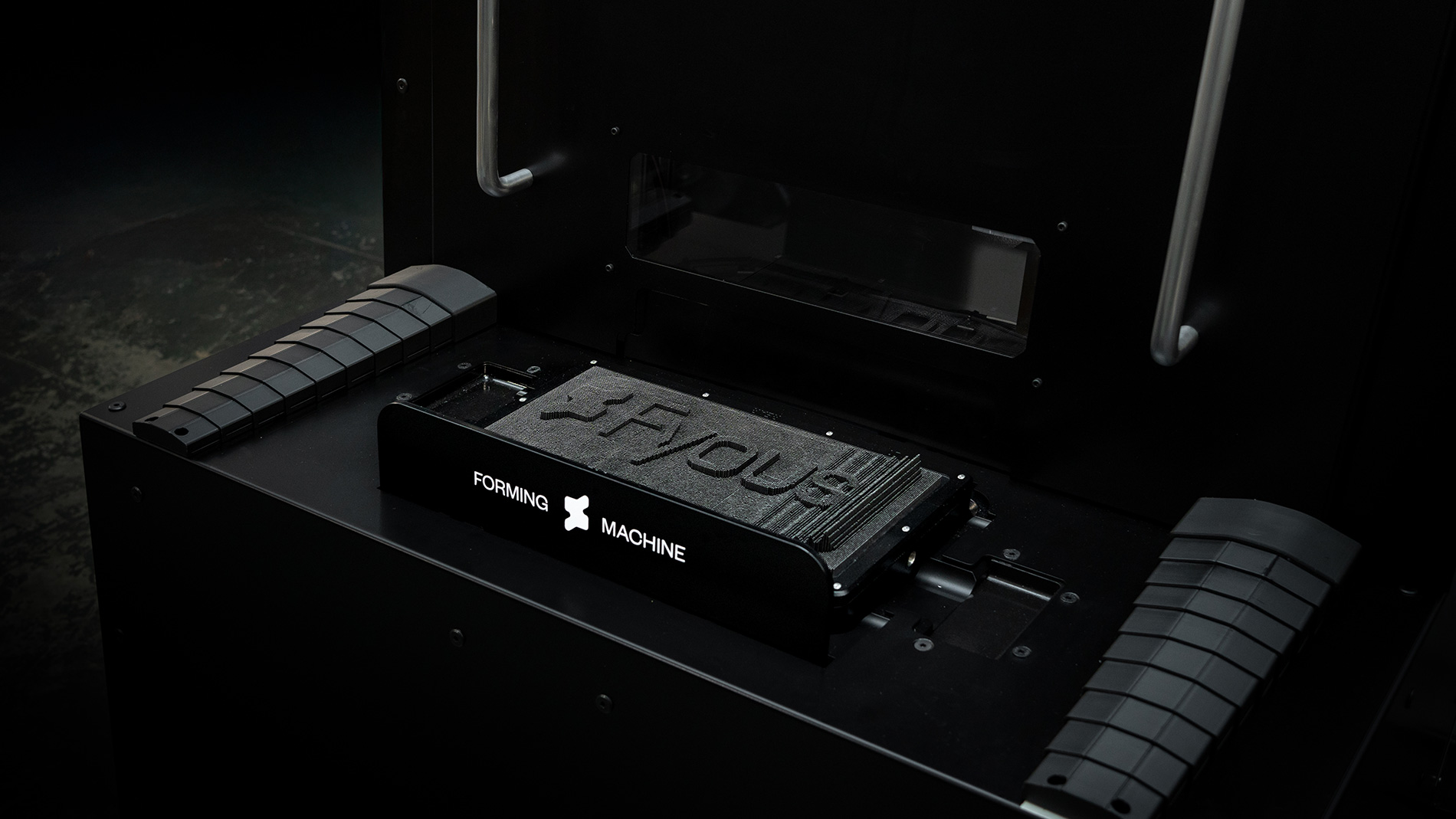
The dental industry produces and discards 1.1 million resin models per day. Fyous are unveiling the solution at Formnext. Their GHOST machine lets dental labs produce aligners and retainers without having to print, cure, wash or dispose of a model. All whilst using the same thermoforming blanks from their current workflow.
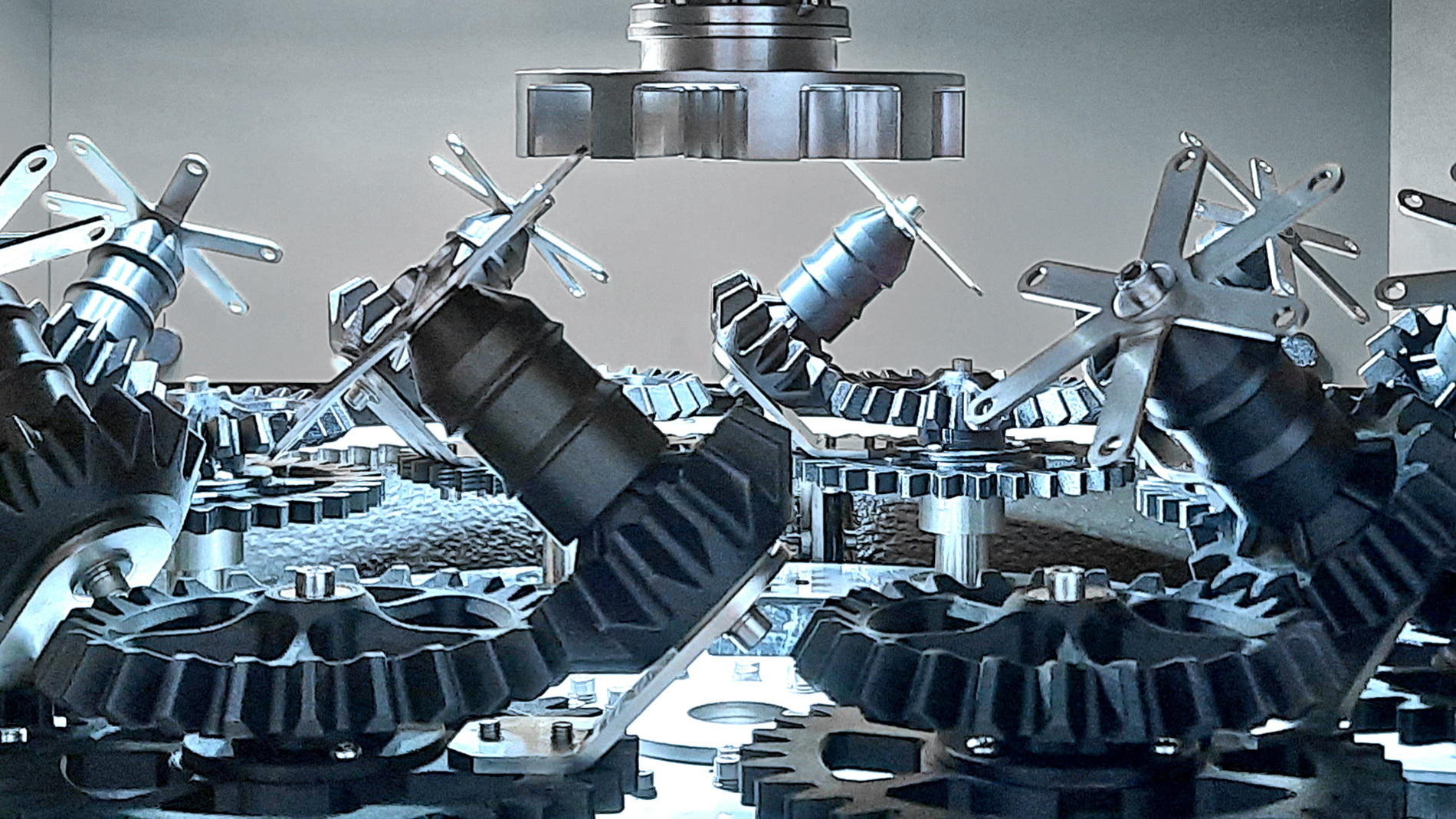
PolyMorphic 28k Tool
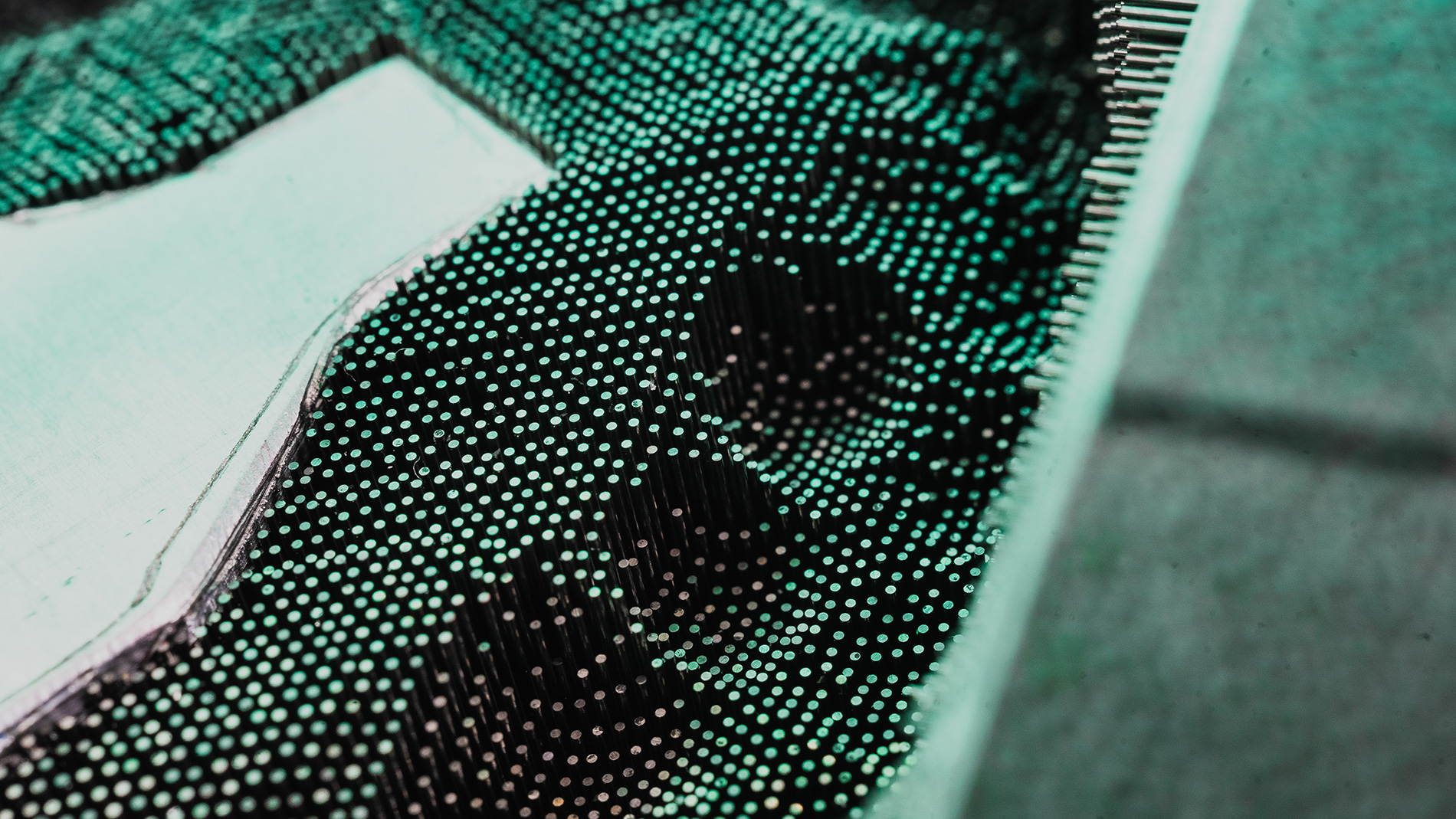
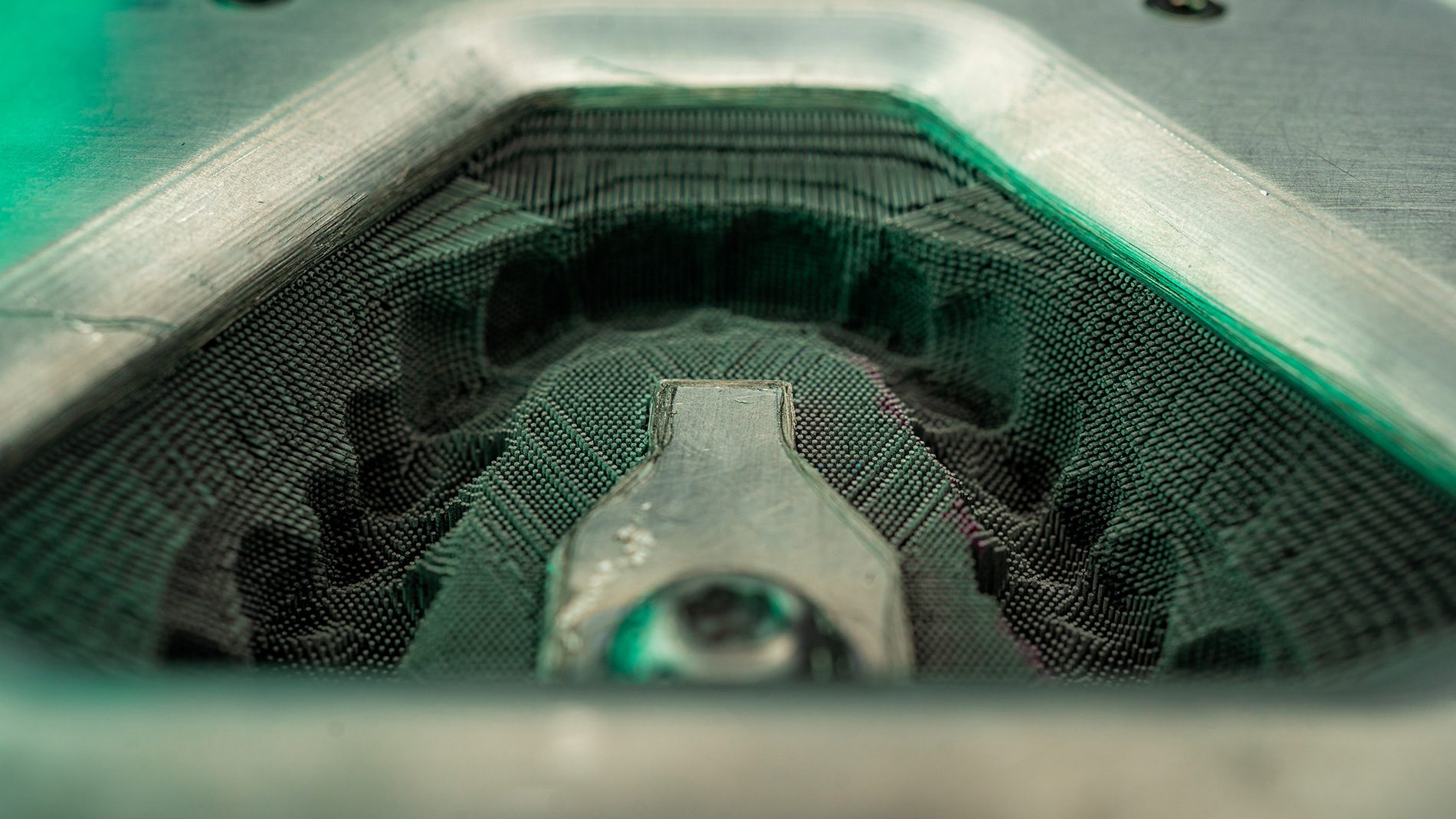
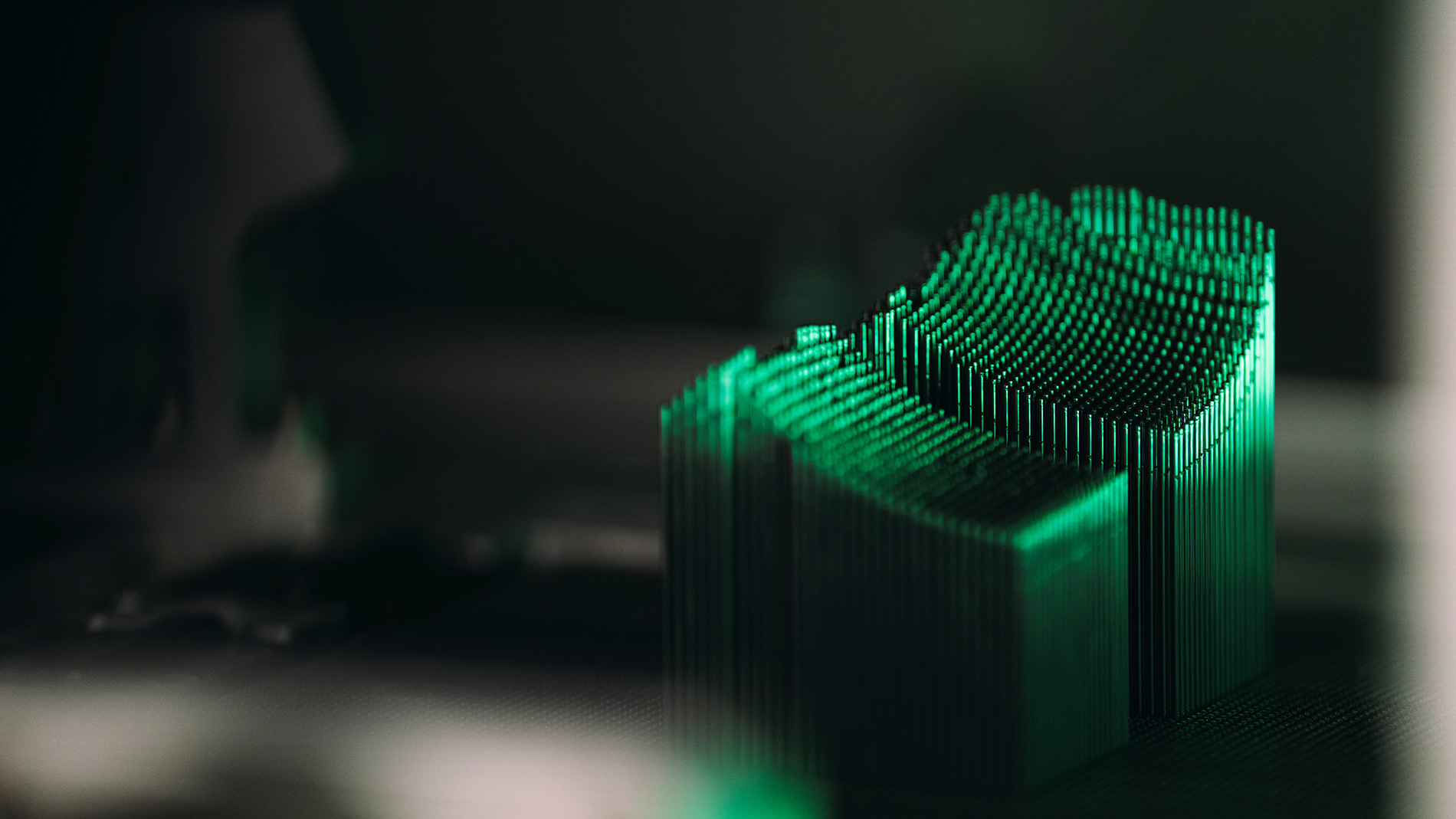
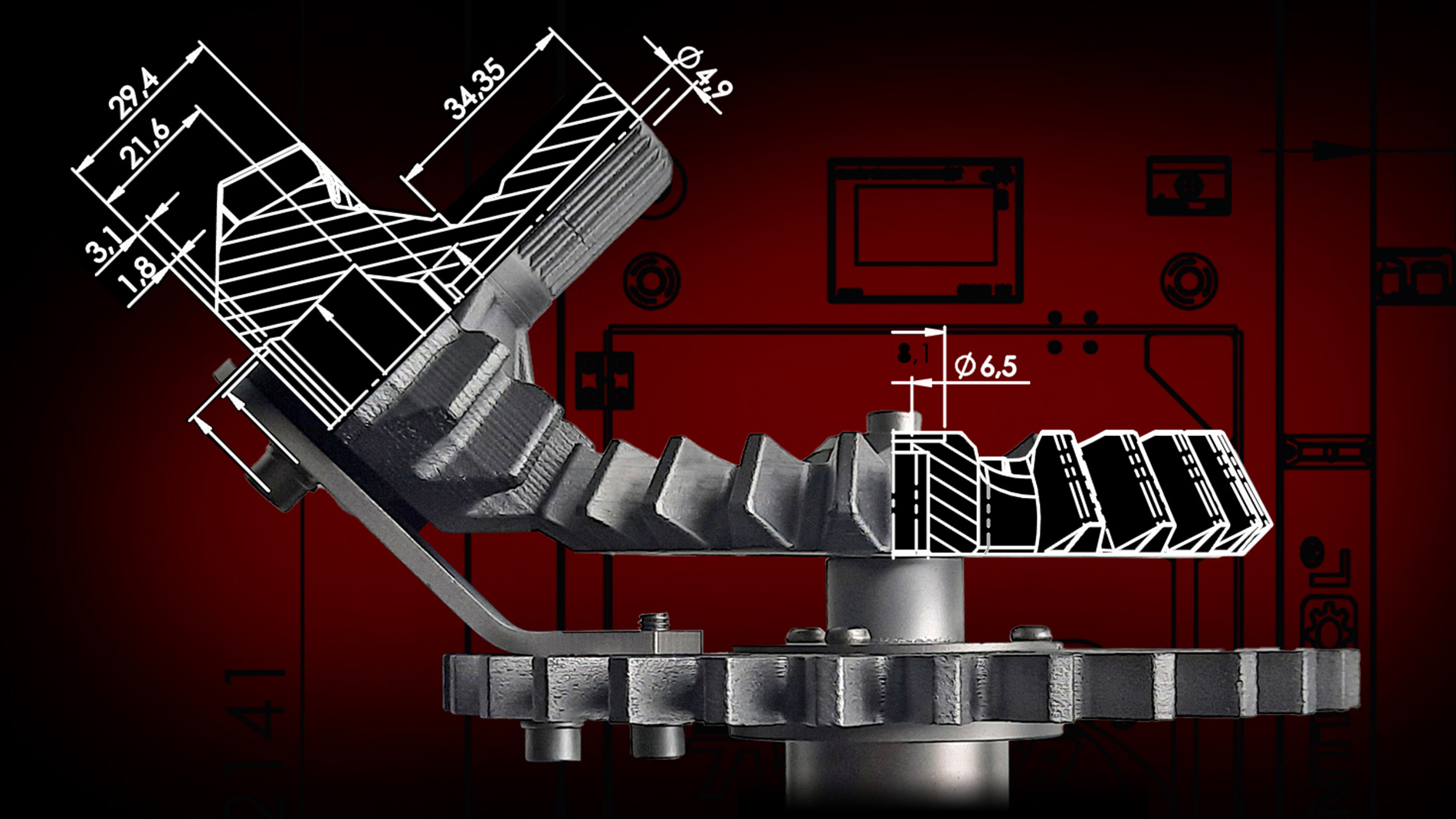
Instead of printing a model, Fyous's proprietary PolyMorphic Moulding technology creates the shapes temporarily from thousands of precisely actuated pins. The appliance is formed directly over the pins. The tool then reshapes for the next patient. This cuts the average lab workflow in half and reduces resin costs to zero.
Fyous is hosting the global reveal of the GHOST dental system at Formnext 2026.
PolyMorphic GHOST Tool closeup
PolyMorphic GHOST Tool
PolyMorphic Pins Closeup
Your consent is required
To view the video, you must give consent to our Brightcove video player in the privacy policy settings.
Josh Shires, CEO & CO-Founder, Fyous
“We are total outsiders, so this is validation for PolyMorphic Moulding. We are excited for some conversations with the industry about our unique alternative to 3D Printing.”
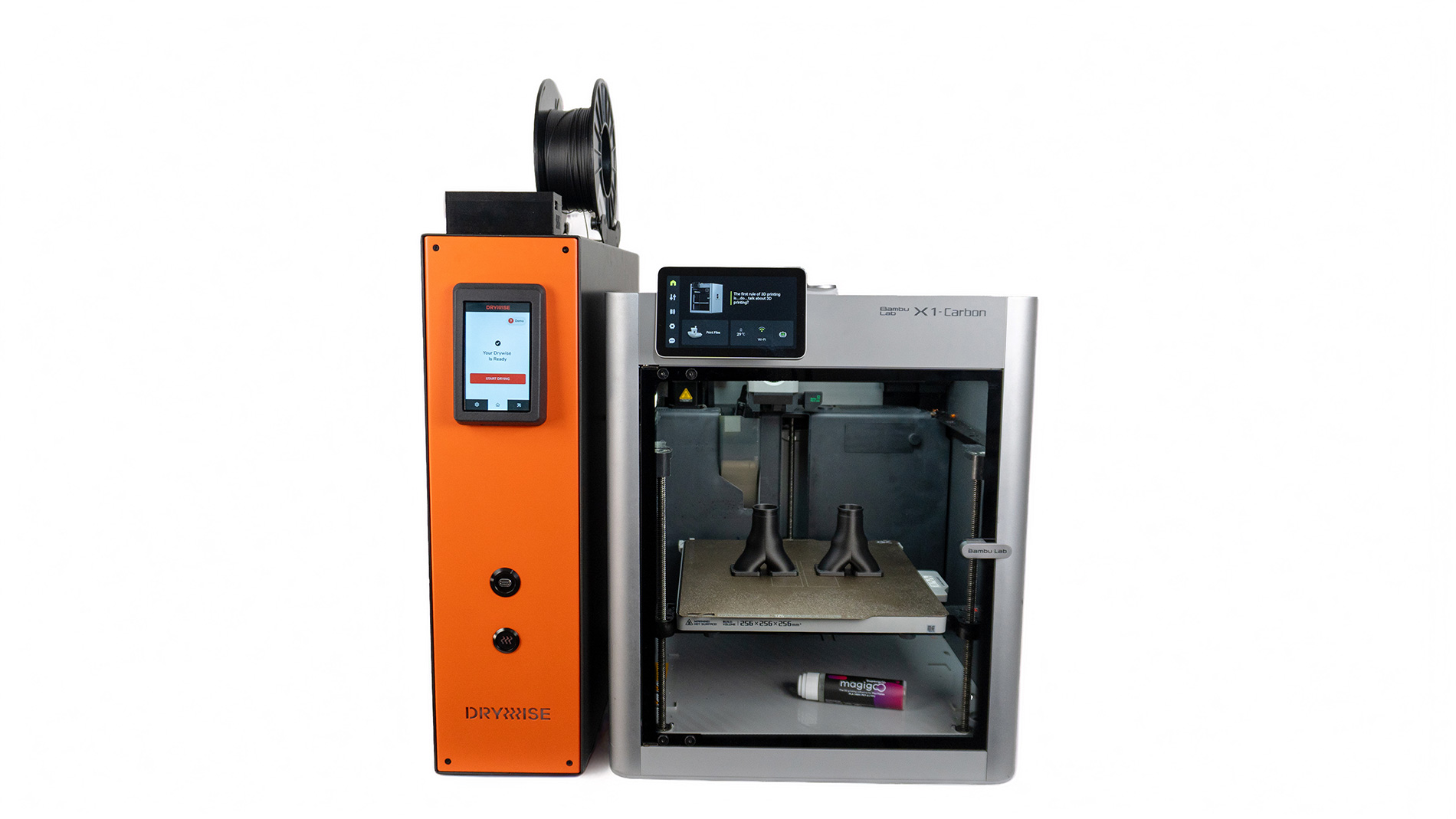
Engineering polymers absorb moisture from the air, often within hours and even straight out of a sealed box. Wet filament prints weak, rough and unpredictably. Until now the only answer was to stop and wait: up to 48 hours of oven pre-drying before a job could start, with no guarantee the material would still be dry at hour 100 of a long print. Drywise removes the wait.
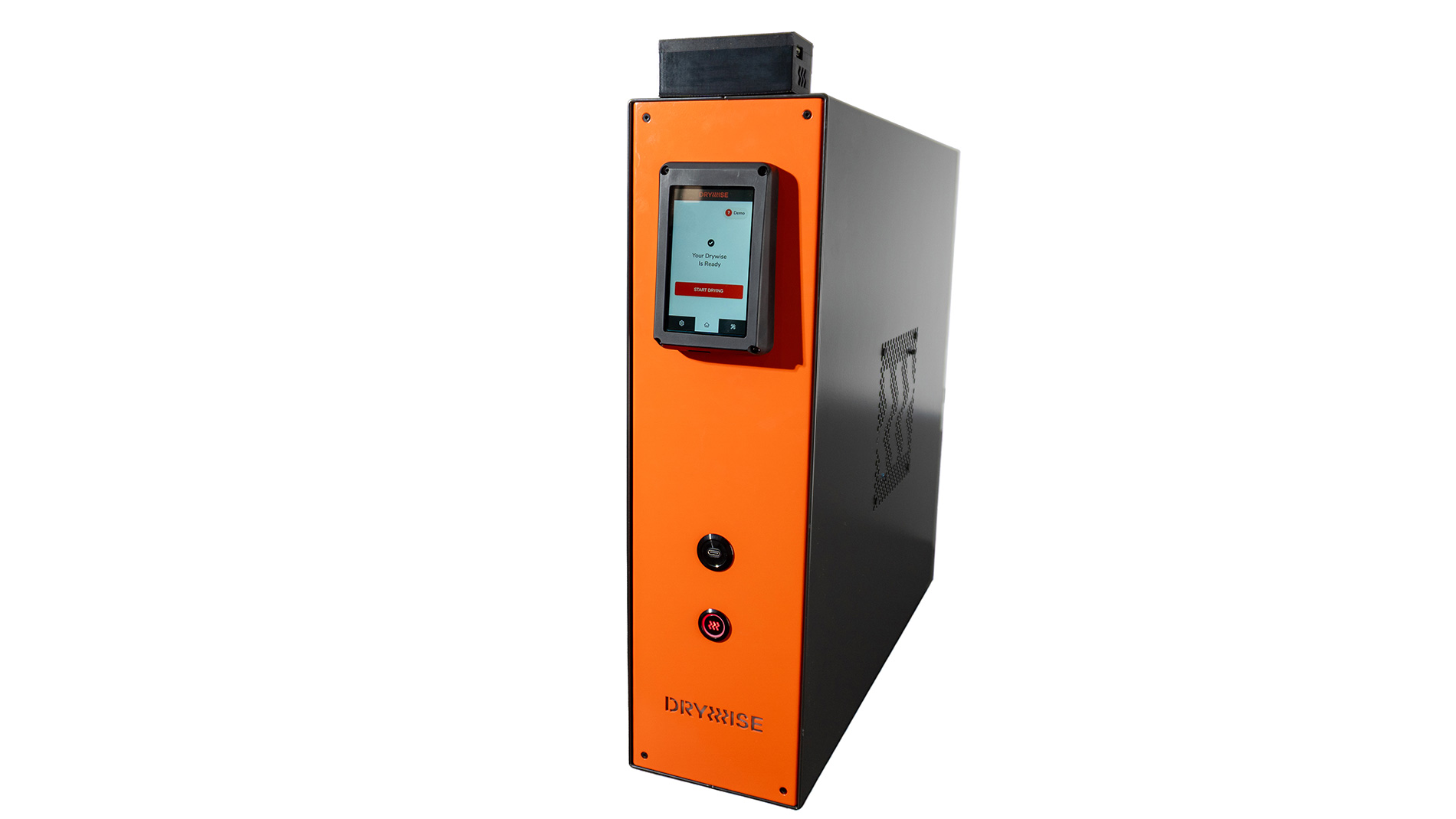
Drywise in-line filament dryer with motorised Autoloader. Filament enters at the top and is conditioned only as it travels to the printer.
Instead of heating a whole spool in a batch, it conditions only the short length of filament about to be extruded, continuously, while the printer runs.
Drywise beside the printer it feeds: the spool is conditioned in-line while the job runs, with no separate pre-drying step.
A sealed active drying path of 1.2–1.3 m, a closed-loop self-regenerating desiccant circuit and sensor-controlled feedback hold the material at its target condition for the whole print, so the first layer and the hundredth arrive in the same state.
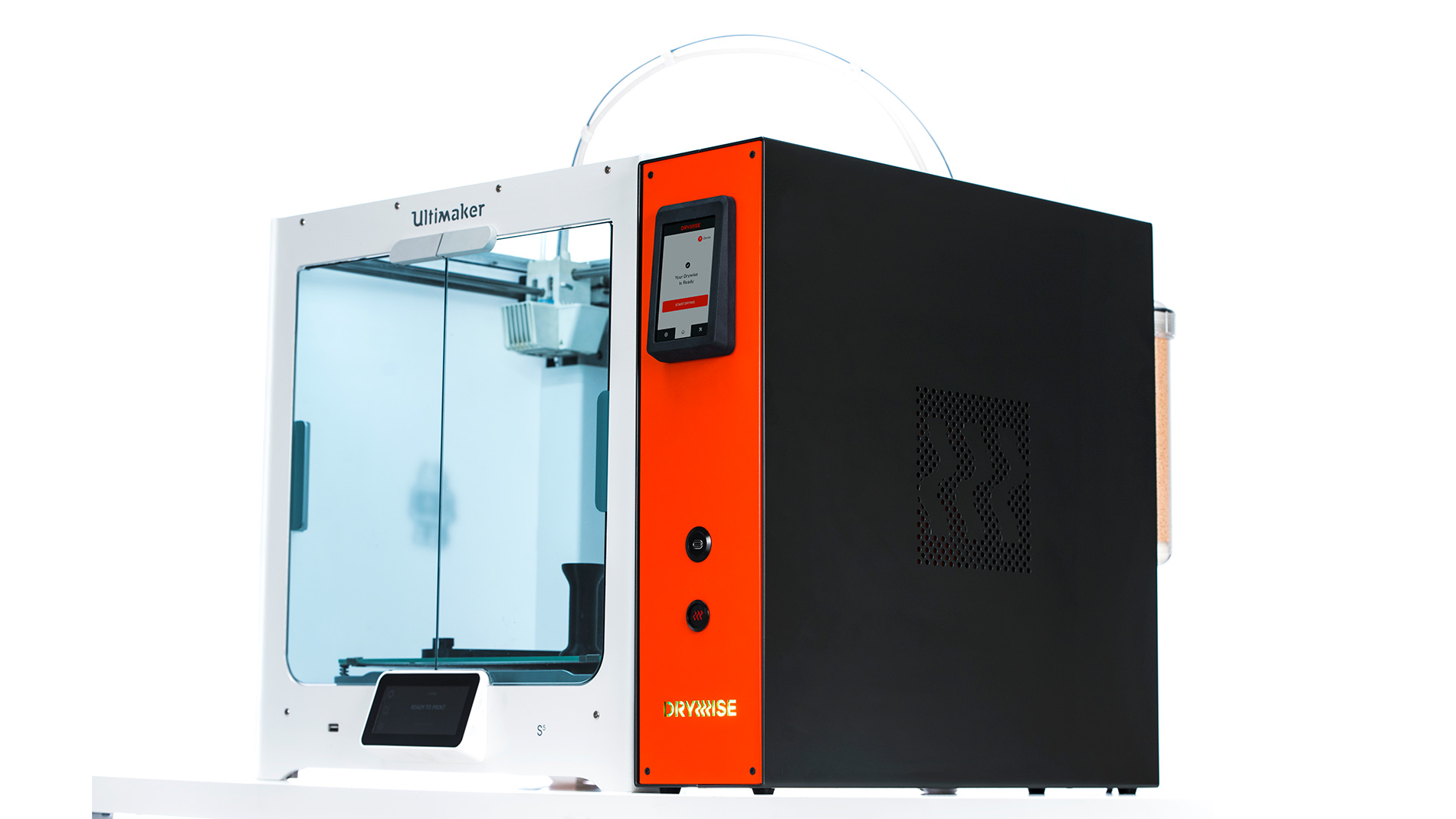
Drywise running alongside an UltiMaker printer. The UltiMaker Cura plug-in writes the conditioning sequence into the print job.
Pre-drying falls from up to 48 hours to 40–90 minutes, a cut of more than 95%, and that time now sits inside the print job: the UltiMaker Cura plug-in writes the conditioning sequence straight into the G-code, so the operator loads the spool and presses print.
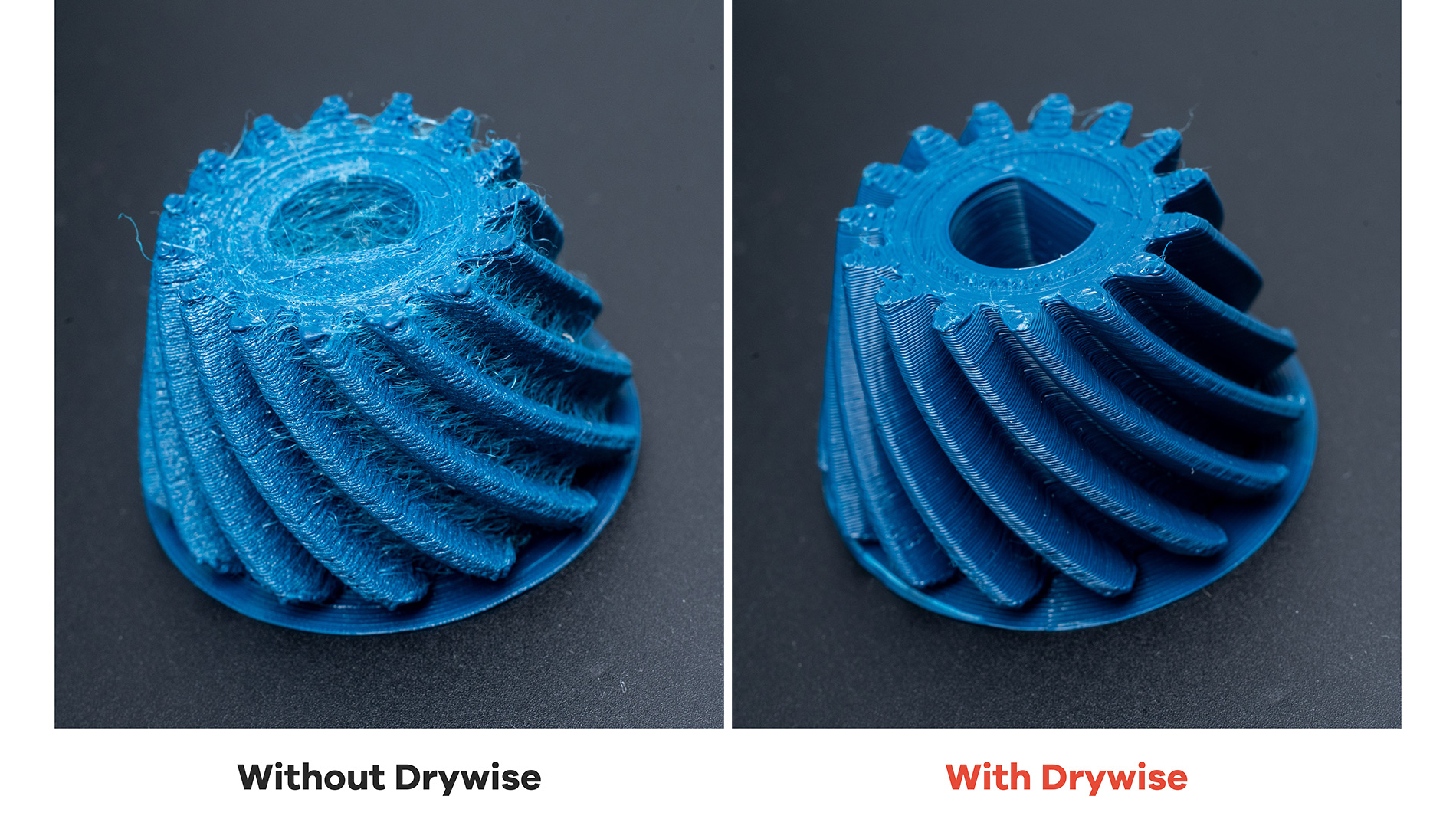
The same gear, same printer, same settings and same filament through the same Drywise unit. The only difference: Drywise off (left) and on (right).
The result is not only faster. Against oven-dried nylon, Drywise parts gained around 7% tensile strength perpendicular and 12% parallel — a better baseline, not a marginal gain.
Energy use falls by more than 45% compared with an overnight drying oven, and spools written off as ruined can be brought back: Printpool in Oxford recovered £2,000–£3,500 of Onyx a year and reached zero material waste.
Drywise ships with a motorised Autoloader that holds near-zero feed tension even on 3 kg spools. It runs in daily production at Ford Werke, Briggs Automotive Company, Third Element Aviation, 3D Promakim and Printpool. Patented: US 12,624,892; EP and CA pending.
Thought3D, founded in Malta in 2014, is also the maker of the Magigoo adhesive range.
Your consent is required
To view the video, you must give consent to our Brightcove video player in the privacy policy settings.
Edward Borg, Co-Founder & CEO, Thought3D
“I look forward to building a strong network of partners at Formnext to further advance reliable moisture control in Additive Manufacturing and help establish print-ready filament as a new industry standard.”
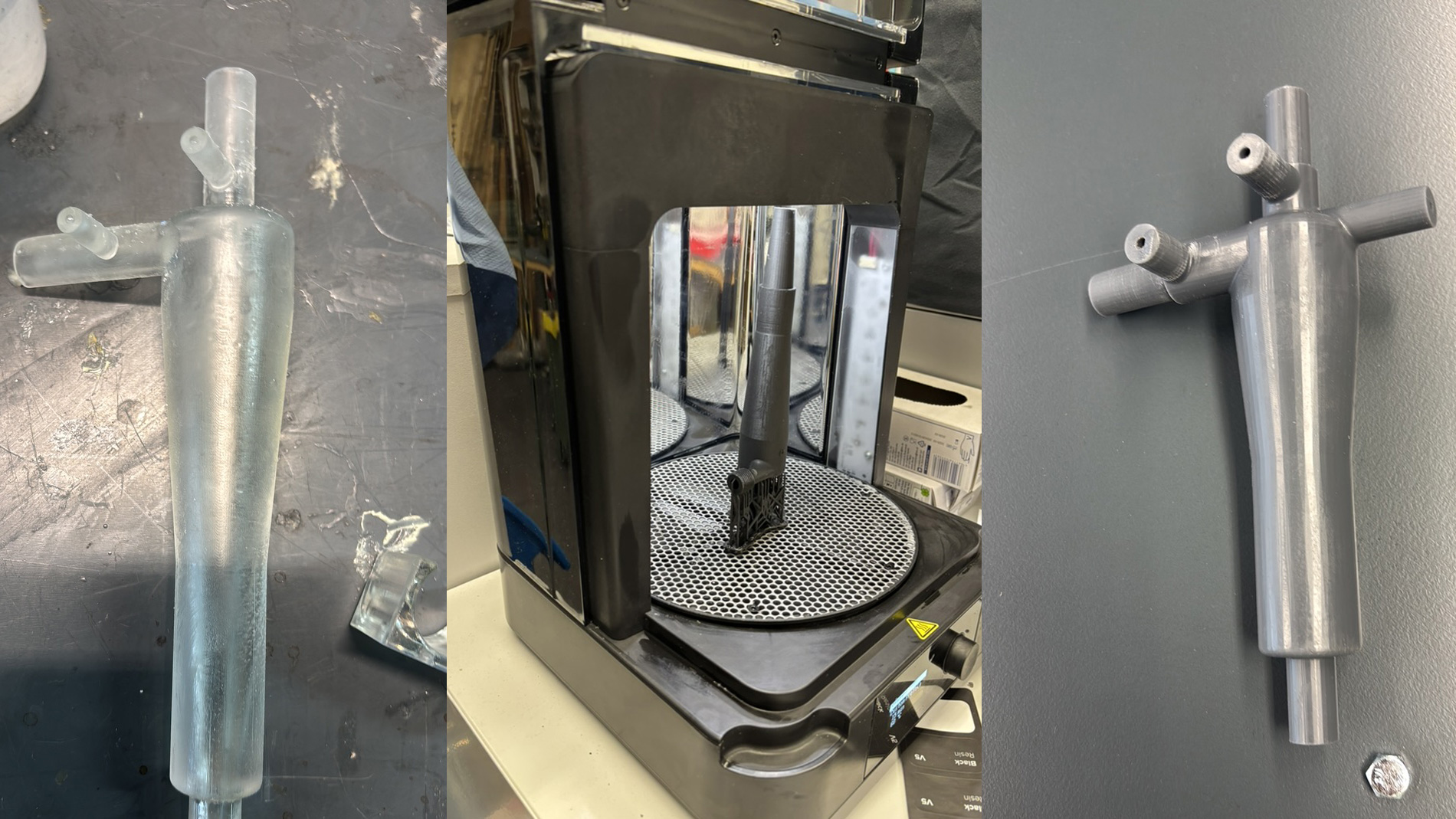
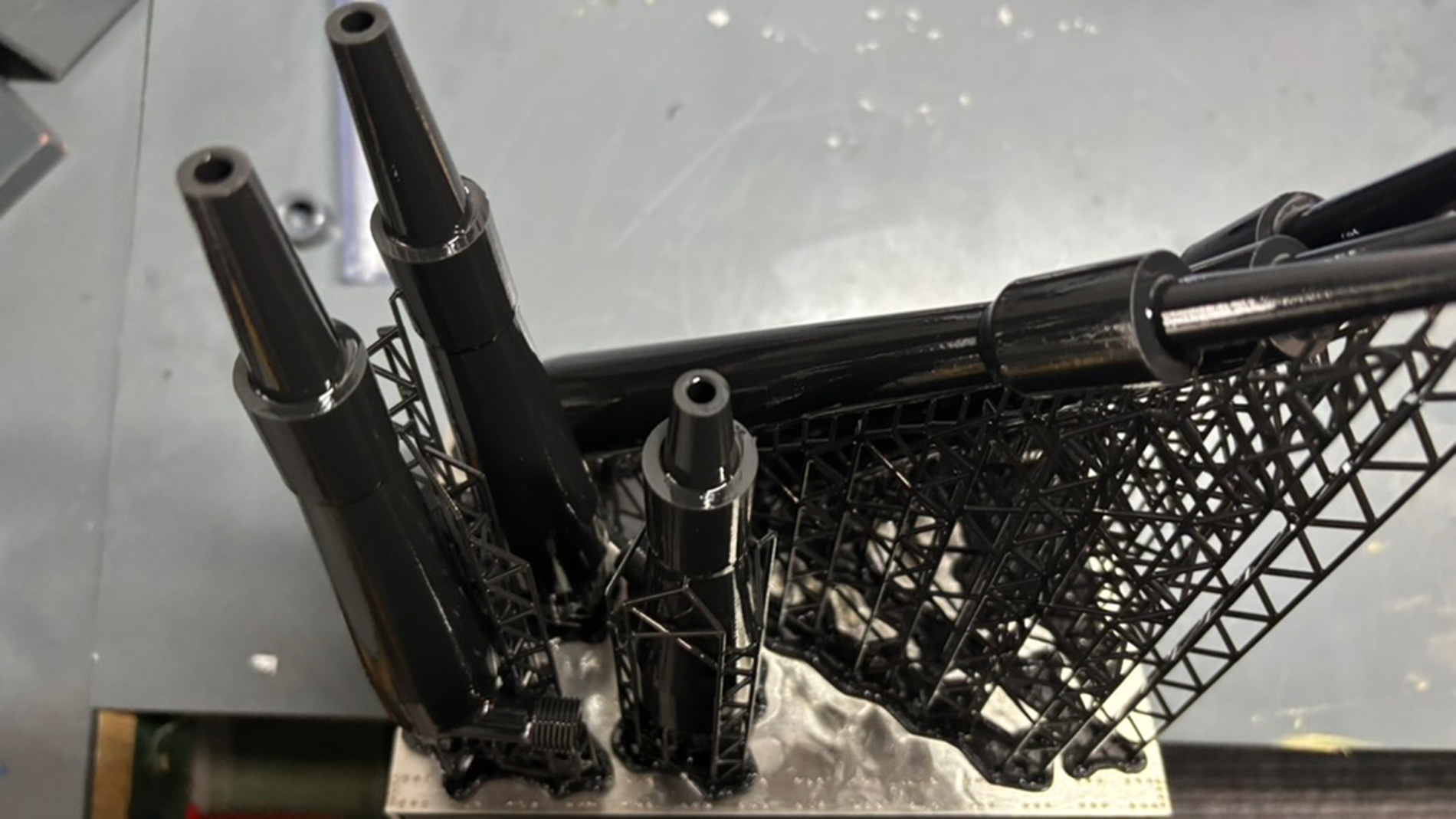
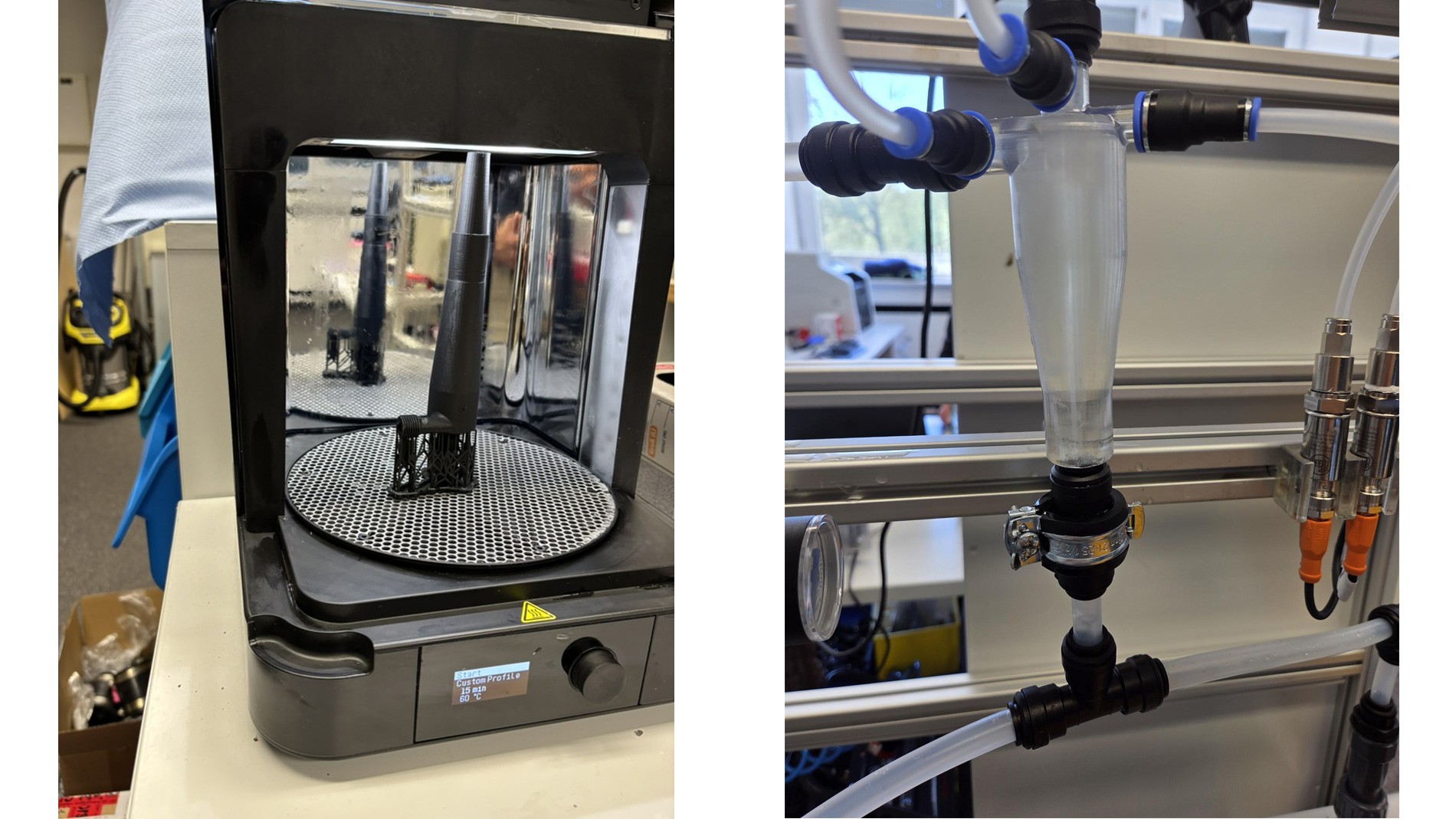
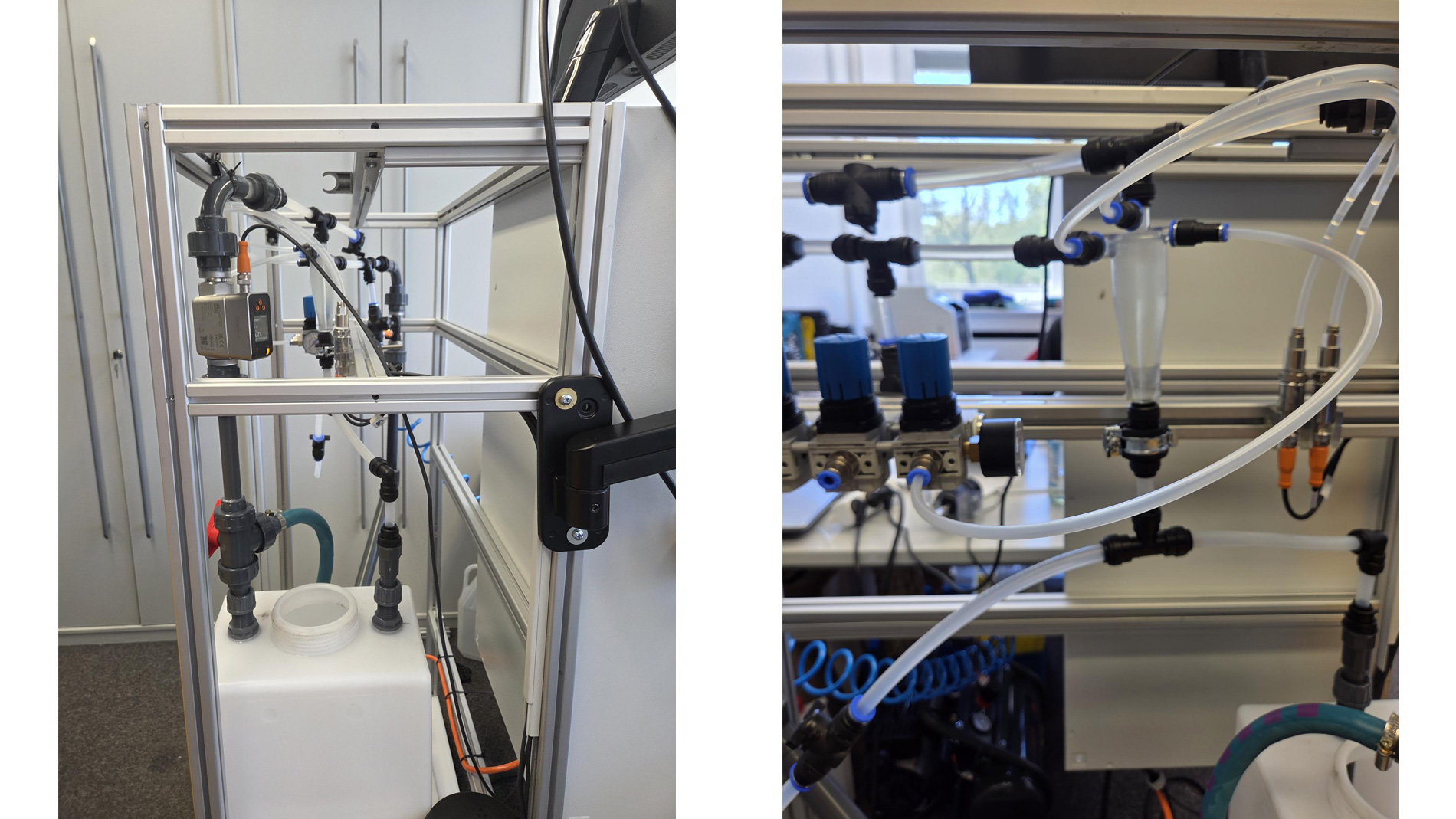
cAIclone builds AI-optimized, 3D-printed hydrocyclones for fine-particle separation in the 1–50 µm range – the blind spot of mechanical processing.
Conventional hydrocyclones, designed by decades-old correlations and castable geometries, cut too bluntly: valuable fines end up in waste streams.
cAIclone closes an automated loop of CFD simulation, Bayesian optimization and additive manufacturing that tailors cut point and separation sharpness to each task – with free-form geometries only AM can produce.
Demonstrated on real battery materials; patent pending.
Beachhead: battery recycling.
Pre-founding team from Munich, member of TUM Venture Lab Additive Manufacturing, partnering with three TUM chairs and Fraunhofer ISC.
Your consent is required
To view the video, you must give consent to our Brightcove video player in the privacy policy settings.
Dr. Tobias Greese, Co-Founder, cAIclone
“I am excited to showcase the potential of AM-enabled separation technologies at Formnext and engage with industry partners who can help turn innovative concepts into first pilot applications.”
You can experience the project presentation live at the Formnext Awards Showcase: Hall 11.0, F60
FlexCycle Solutions produces copper powder for additive manufacturing and powder metallurgy from electronic waste and industrial residues from electronics manufacturing. The process is purely mechanical: no melting, no chemicals, no water.
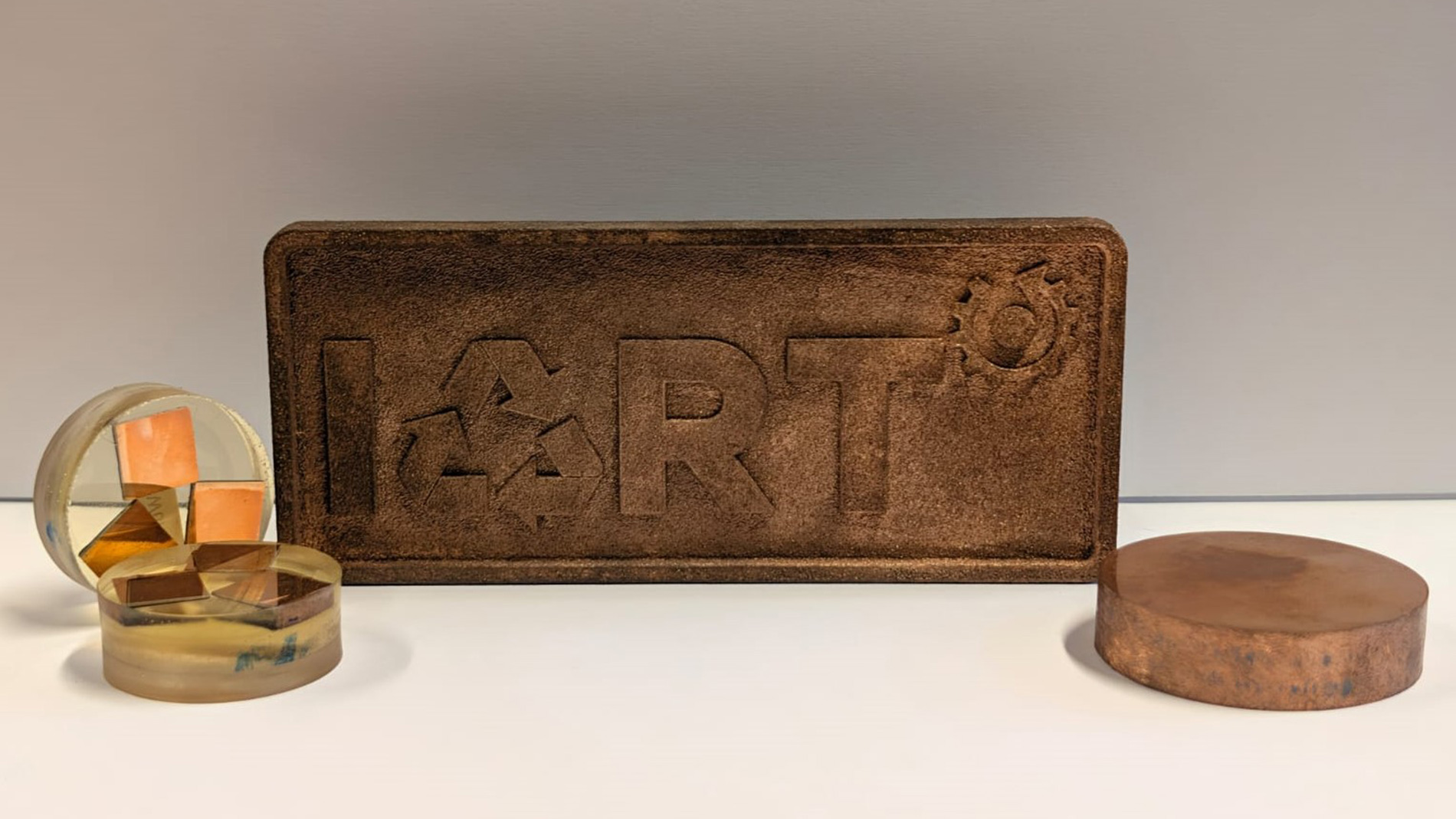
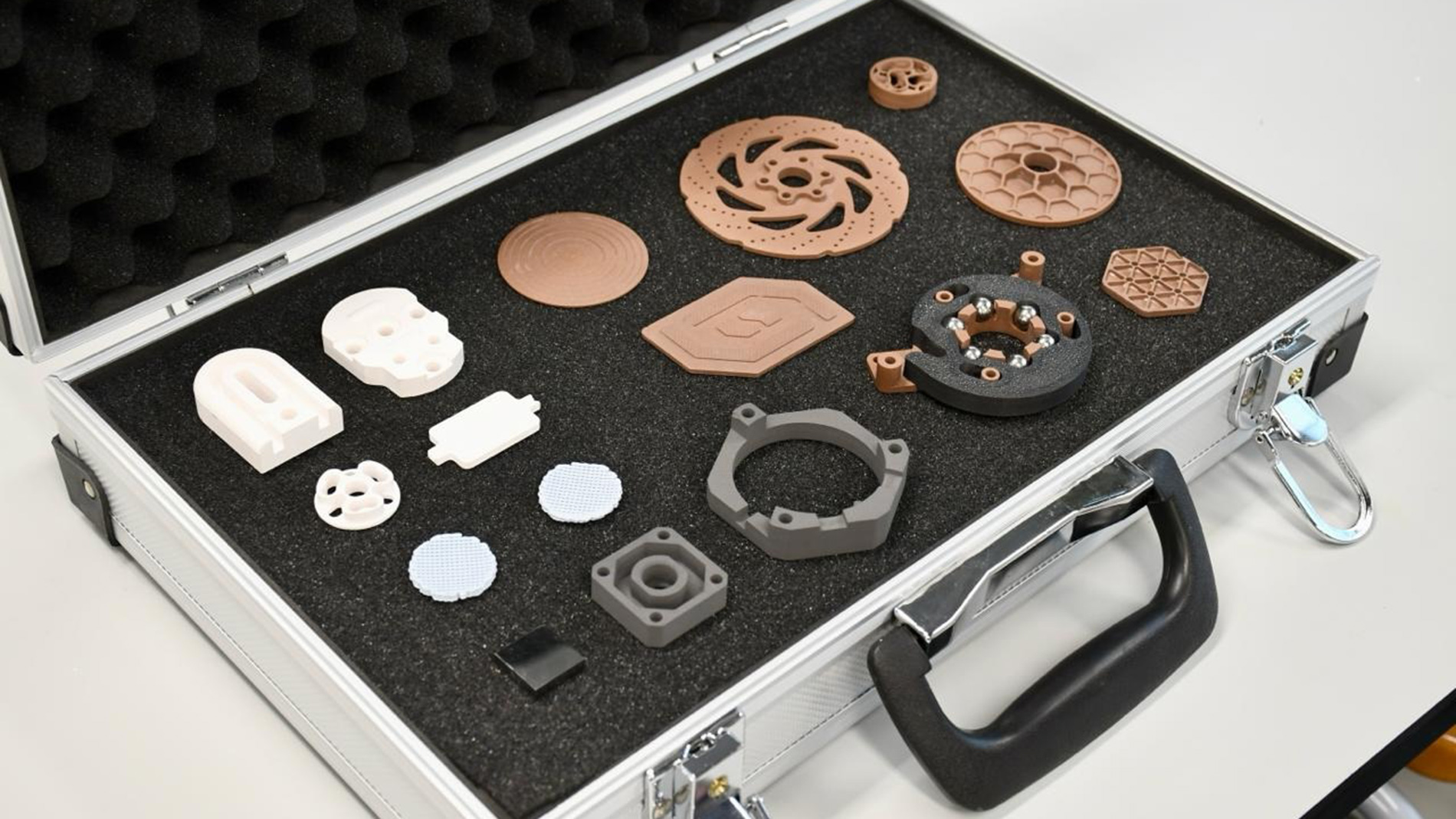
Printed IART logo plate, two resin-embedded cube samples, and a sample from sintering trials, all produced from recycled copper powder.
The resulting powder has a spherical-rough particle morphology. The rough surface improves laser absorption in laser powder bed fusion and supports green part strength in sinter-based powder metallurgy, while the particles still flow well despite the surface roughness.
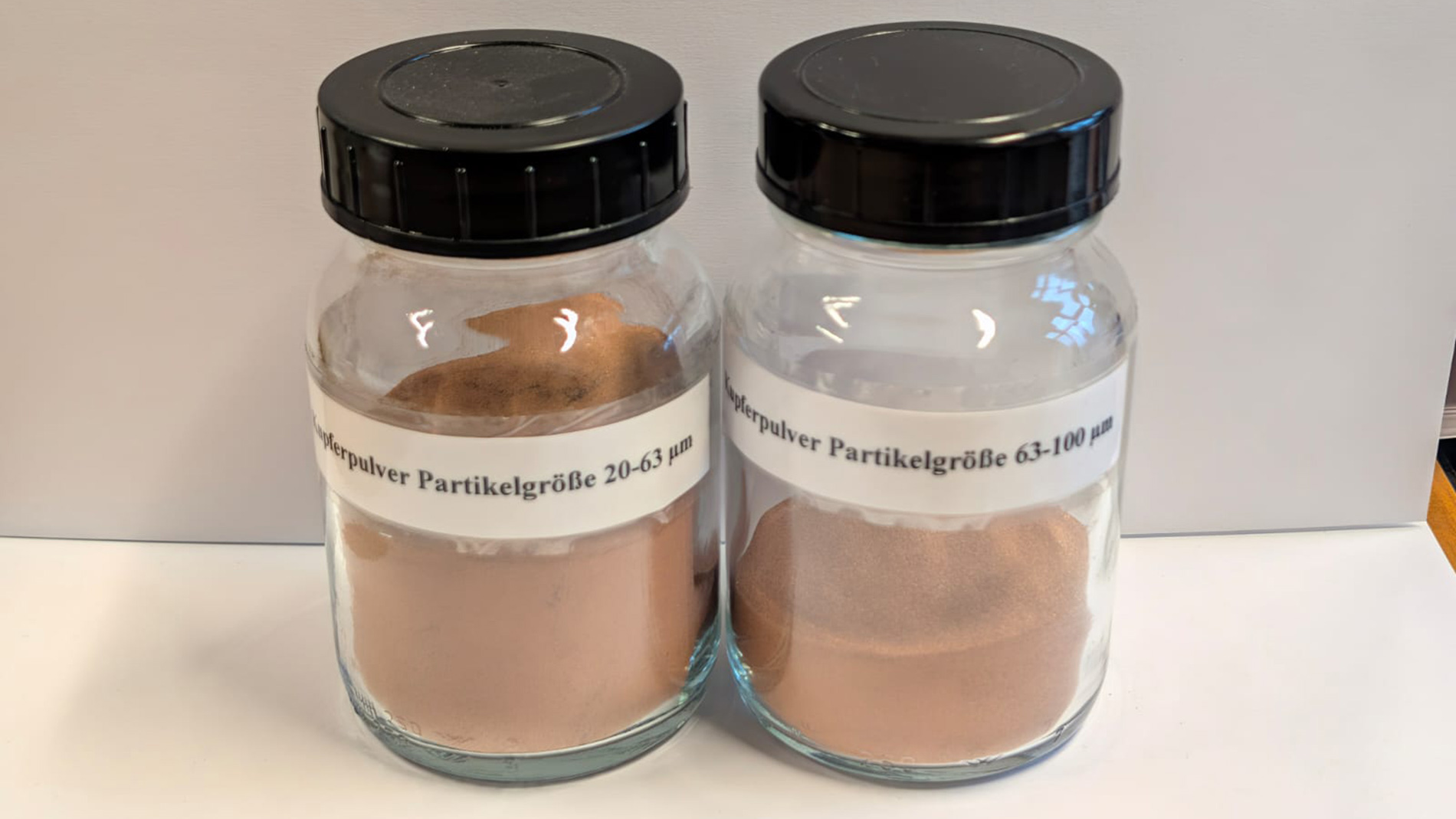
Recycled copper powder fractions, 20–63 µm and 63–100 µm.
The company is currently being set up as a spin-off from the Institute of Mineral Processing Machines and Recycling Systems Technology (IART) at TU Bergakademie Freiberg, building on doctoral research into metal recycling for additive manufacturing, with a founding team spanning process engineering, materials science, and business development.
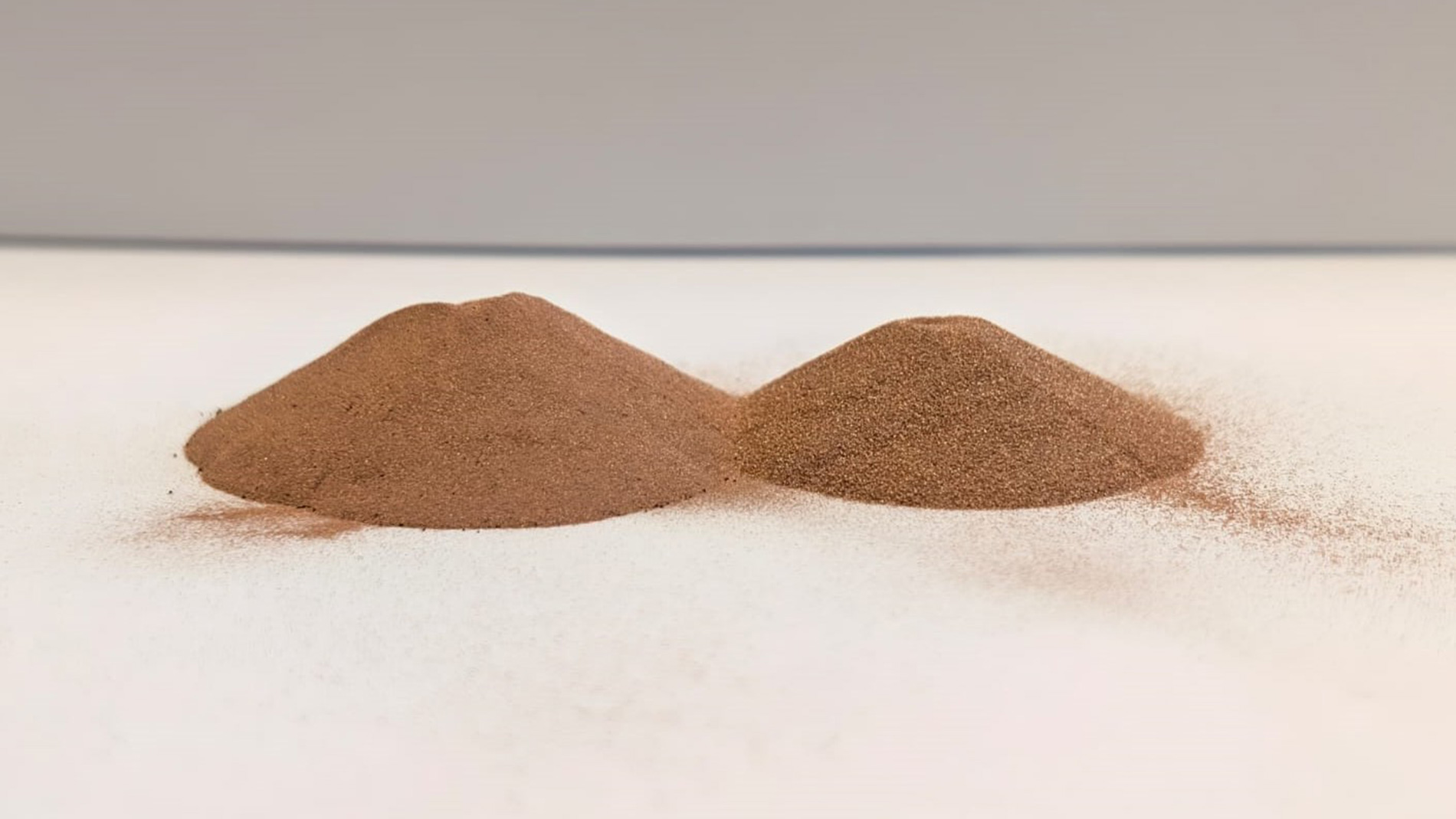
Close-up of recycled copper powder fractions, 20–63 µm and 63–100 µm.
A patent application for the core process is already filed with the German Patent and Trade Mark Office, and the company is preparing its launch through the EXIST-Forschungstransfer program.
Your consent is required
To view the video, you must give consent to our Brightcove video player in the privacy policy settings.
Julius Eik Grimmenstein, Co-Founder (designated CEO), FlexCycle Solutions
“Formnext offers us the opportunity to gain greater visibility for our technology, connect with valuable industry contacts, and receive expert validation from leading professionals across the AM sector.”
You can experience the project presentation live at the Formnext Awards Showcase: Hall 11.0, F60
SpaceForm is developing Vacuum Atomised Suspension Printing (VASP), a new metal additive manufacturing architecture originally conceived to enable powder-bed manufacturing in microgravity.
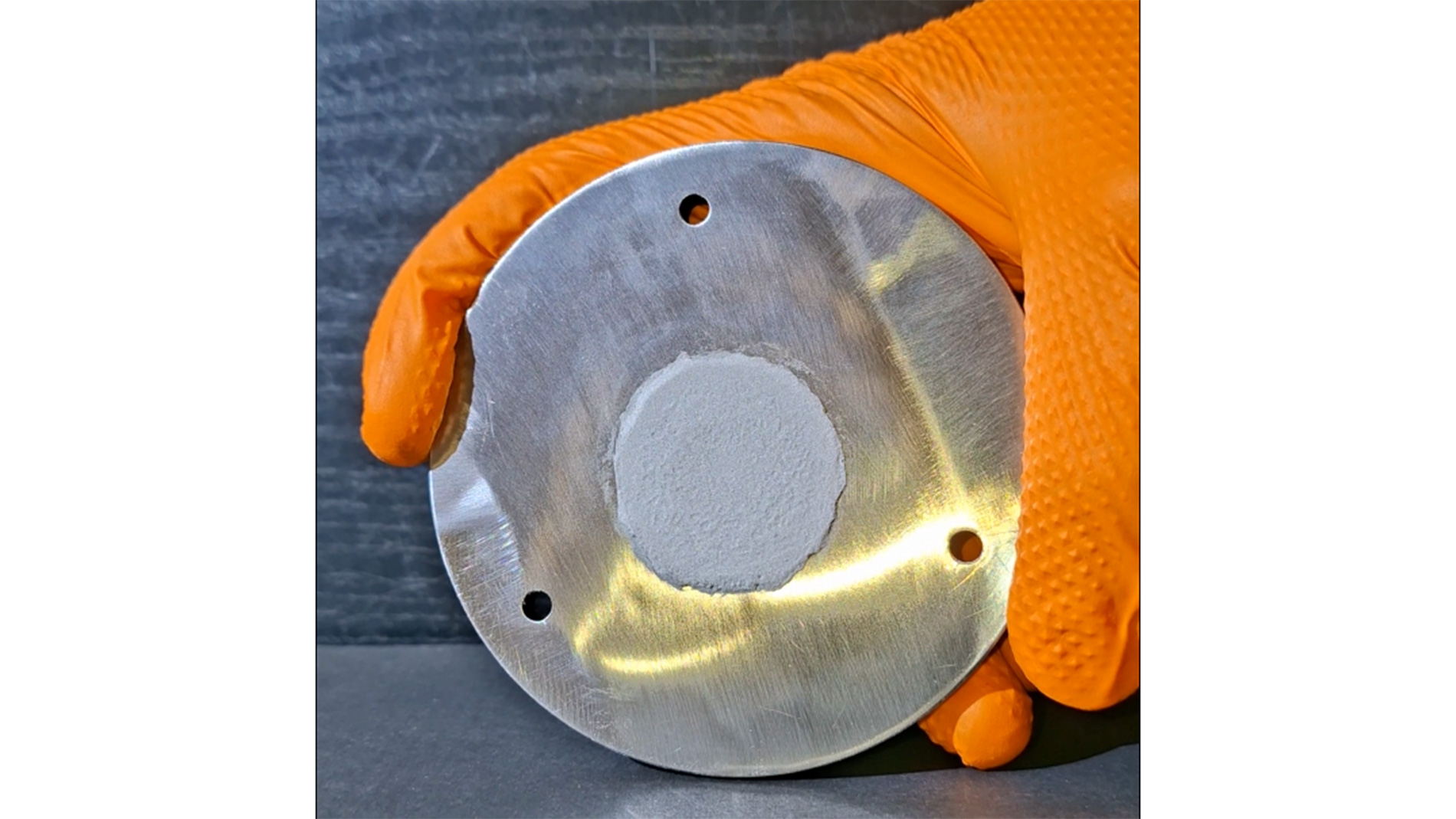
Cohesive powder bed - multiple layers of stainless steel, pre-laserplease
Instead of spreading loose dry powder, VASP deposits metal powder from a suspension and uses vacuum-driven drying to form a stable, cohesive layer before laser processing. This approach is designed to improve powder control while opening new possibilities in precision, material flexibility and complex geometries.
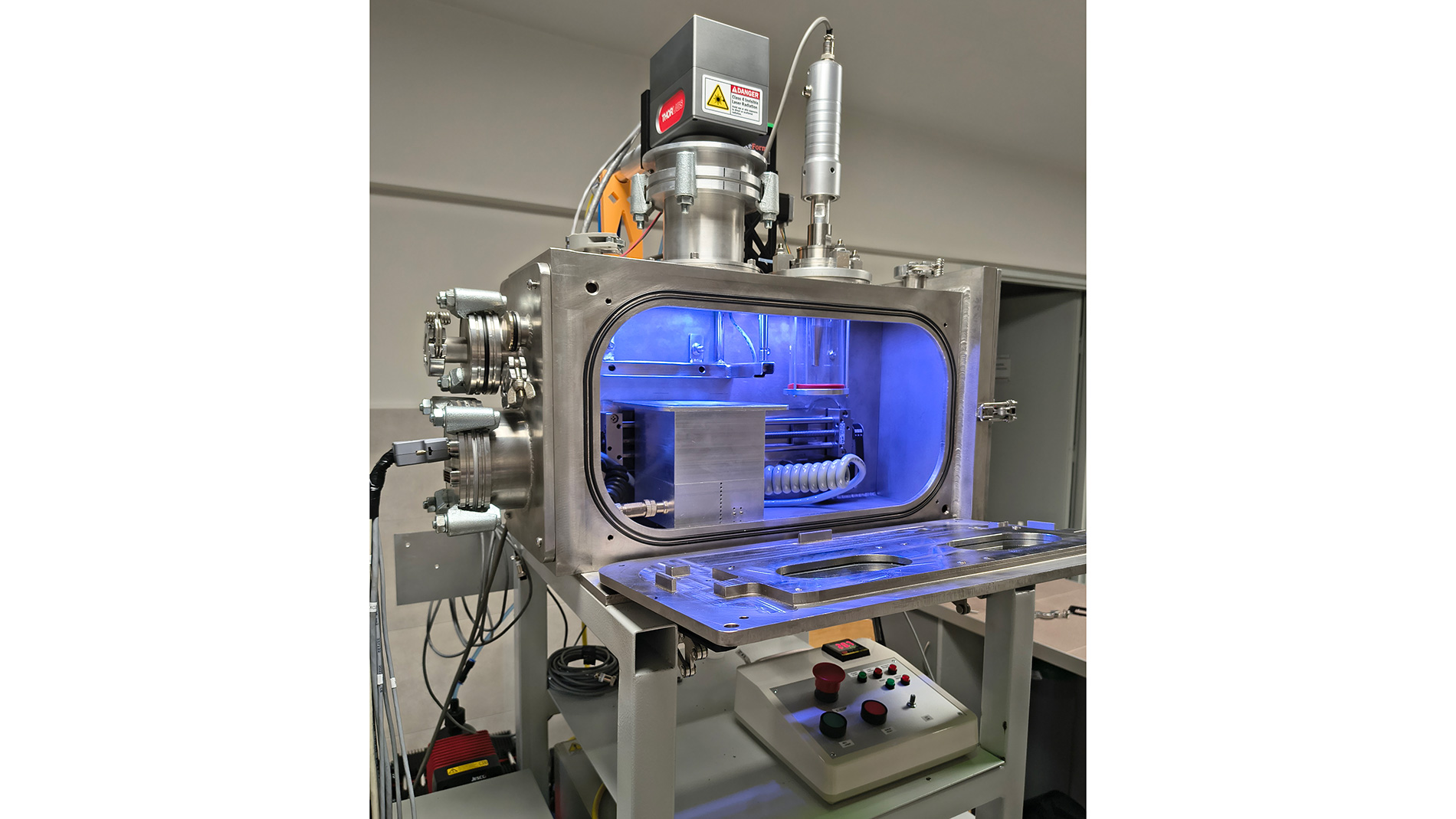
Experimental printer in VASP architecture
SpaceForm is now developing VASP as a micro-to-meso metal manufacturing platform, bridging the gap between high-precision micro-AM and industrial metal additive manufacturing. Initial applications include RF components, advanced thermal management and precision fluidics.
VASP has already demonstrated multilayer processing in titanium and stainless steel, including dense 316L samples with no visible porosity under optical microscopy.
Originally developed through the European Space Agency’s Open Space Innovation Platform, the technology is now being advanced for industrial applications on Earth and, ultimately, autonomous manufacturing in space.
Your consent is required
To view the video, you must give consent to our Brightcove video player in the privacy policy settings.
Krzysztof Fryzowicz, CEO & Founder, Spaceform
“Formnext offers the ideal opportunity to connect with industry leaders and accelerate VASP from a breakthrough idea to widespread industrial adoption.”
You can experience the project presentation live at the Formnext Awards Showcase: Hall 11.0, F60
Jury members
Arno Held
Principal, Held Holding
Alex Kingsbury
Product Line Manager Additive Manufacturing – nLight Inc.
Dr.-Ing. Sascha Schwarz
Managing Director – TUM Venture Labs
Prof. Dr. Peter Mayr
Head of Department Materials Engineering,
Professor Werkstofftechnik der Additiven Fertigung
Technische Universität München
Heather Swift Hunt
Head of Design & Tech, Kickstarter
Start-up Award
The Start-up Award recognizes young, inspiring companies with actionable business models.
additiveStream4D was founded 2022 in Berlin and develops retrofit technology that enables standard metal LPBF systems to manufacture precisely on existing geometries.
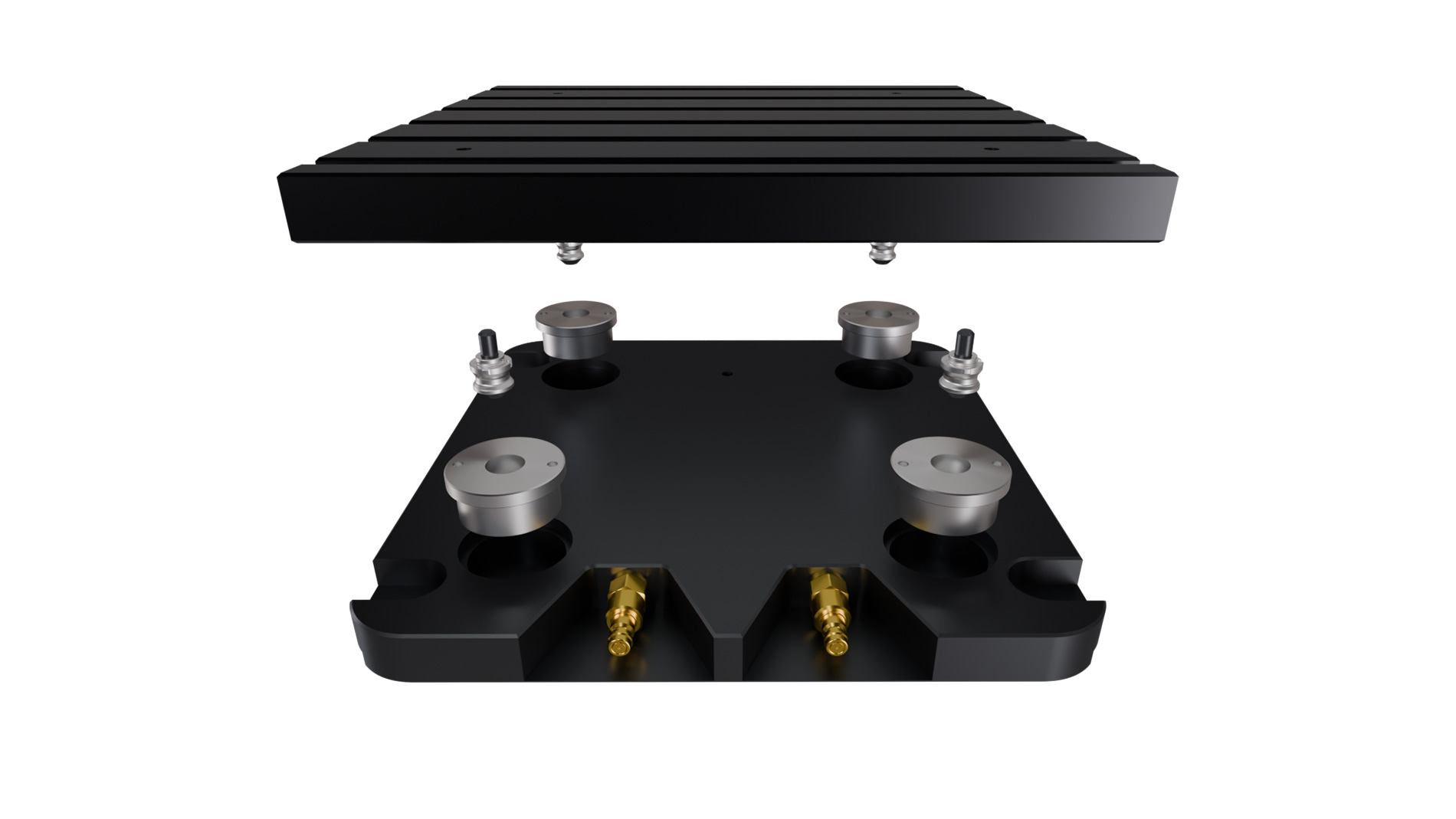
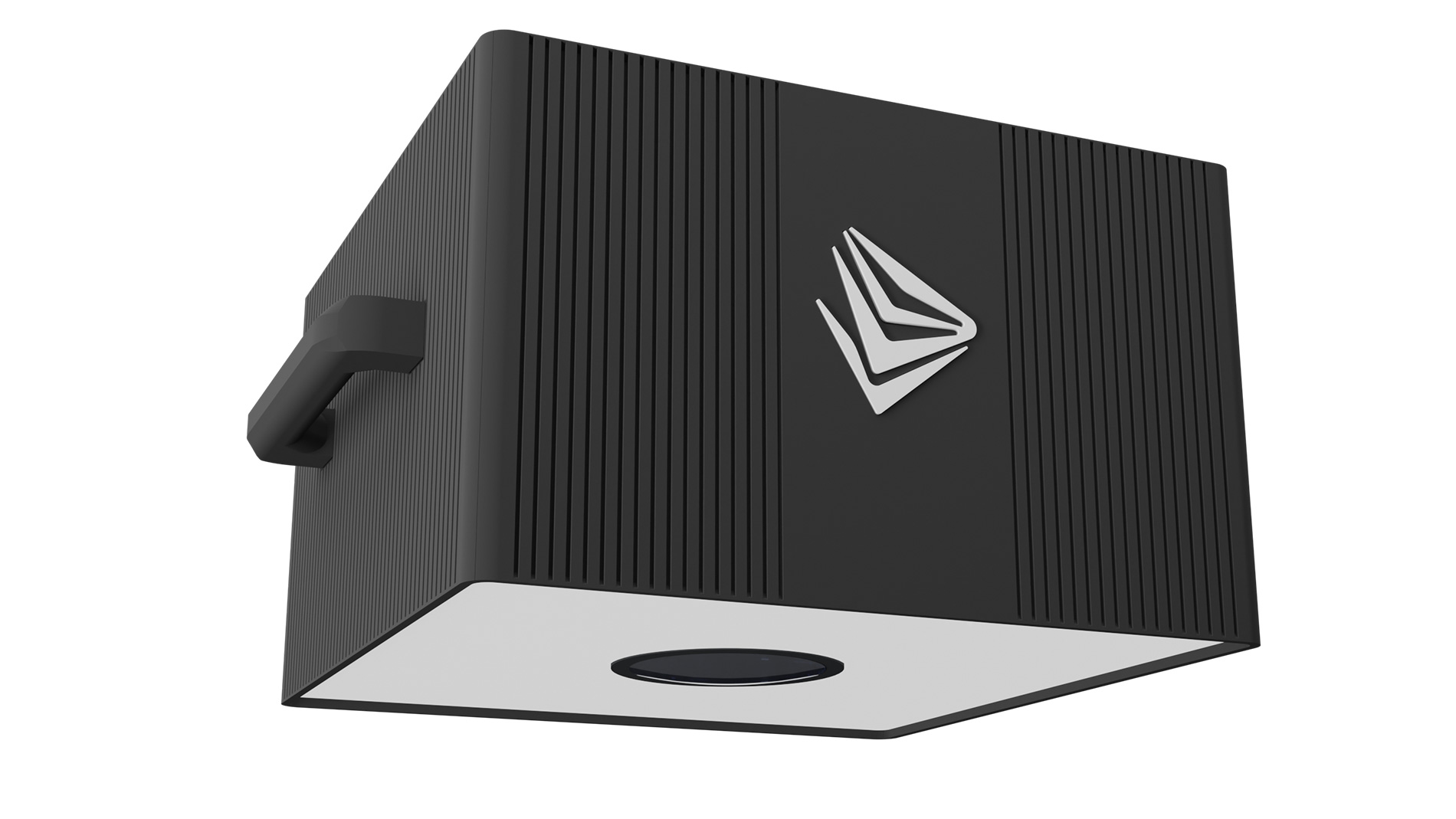
Clamping System consisting of the Machine Interface (bottom) and an Application Interface (top)
By combining patented positioning and calibration hardware with intelligent software, existing machines can be upgraded for hybrid manufacturing without replacing the equipment or intervening in the machine control.
A collection of Hybrd.AM manufactured parts
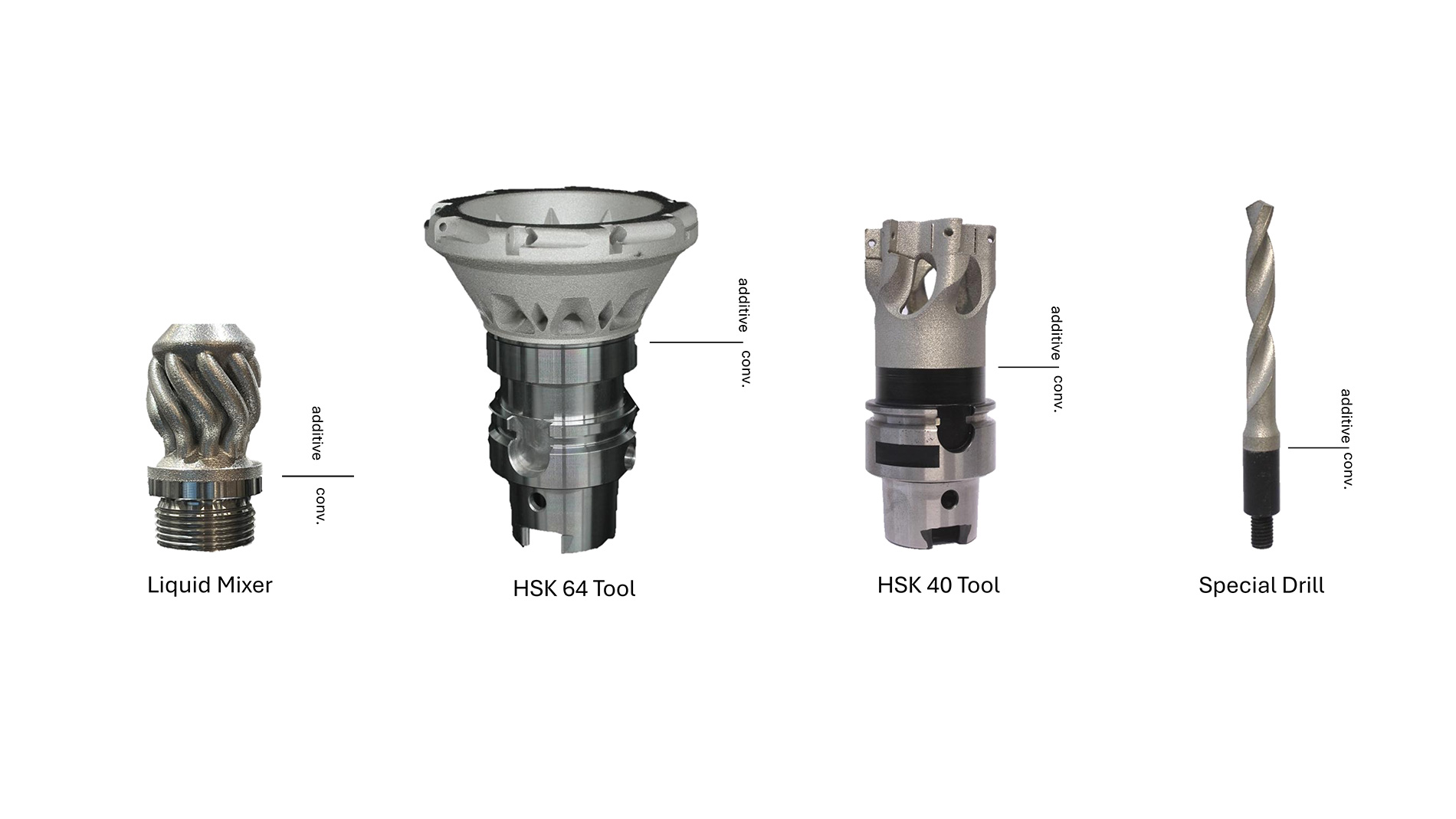
The platform enables two main applications. With hybrd.AM, conventionally manufactured preforms provide simple, cost-efficient base geometries, while LPBF adds only the complex and high-value features. This reduces unnecessary additive build volume and opens new opportunities for applications such as advanced cutting tools and other high-performance components.
A collection of Hybrd.AM manufactured parts
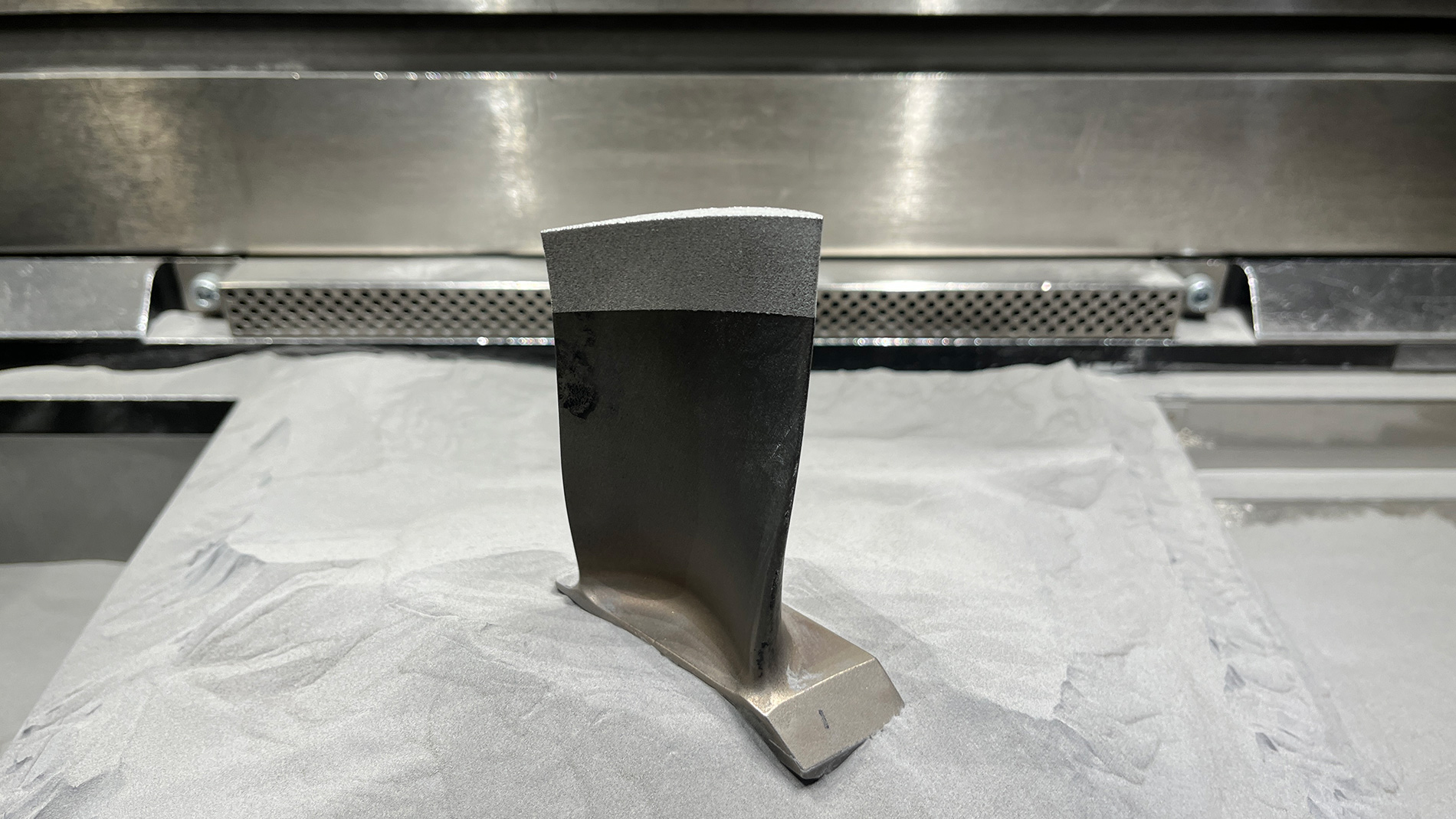
Nickel-based superalloy turbine blade repaired via AM.repair
With AM.repair, 3D scanning, automated inspection, repair decision-making and CAD morphing enable precise, geometry-adapted repairs of high-value parts such as turbomachinery components.
The core idea is to use additive manufacturing only where it creates a real technical advantage. Instead of printing complete parts from scratch or replacing damaged components, additiveStream4D connects conventional manufacturing, digital inspection and LPBF in one integrated workflow.
Calibration System used to Calibrate the LPBF Machine
The machine-independent approach is designed for existing industrial LPBF fleets and allows manufacturers to extend the capabilities of their installed equipment. By combining high-precision powder bed fusion with conventional manufacturing and repair, additiveStream4D aims to make hybrid manufacturing more scalable, economical and resource-efficient.
Your consent is required
To view the video, you must give consent to our Brightcove video player in the privacy policy settings.
Clemens Miaskowski, CTO, additiveStream4D GmbH
“The nomination provides us with the opportunity to increase the visibility of our hybrid LPBF technology, establish valuable industry connections, and gain the momentum needed to scale it further.”
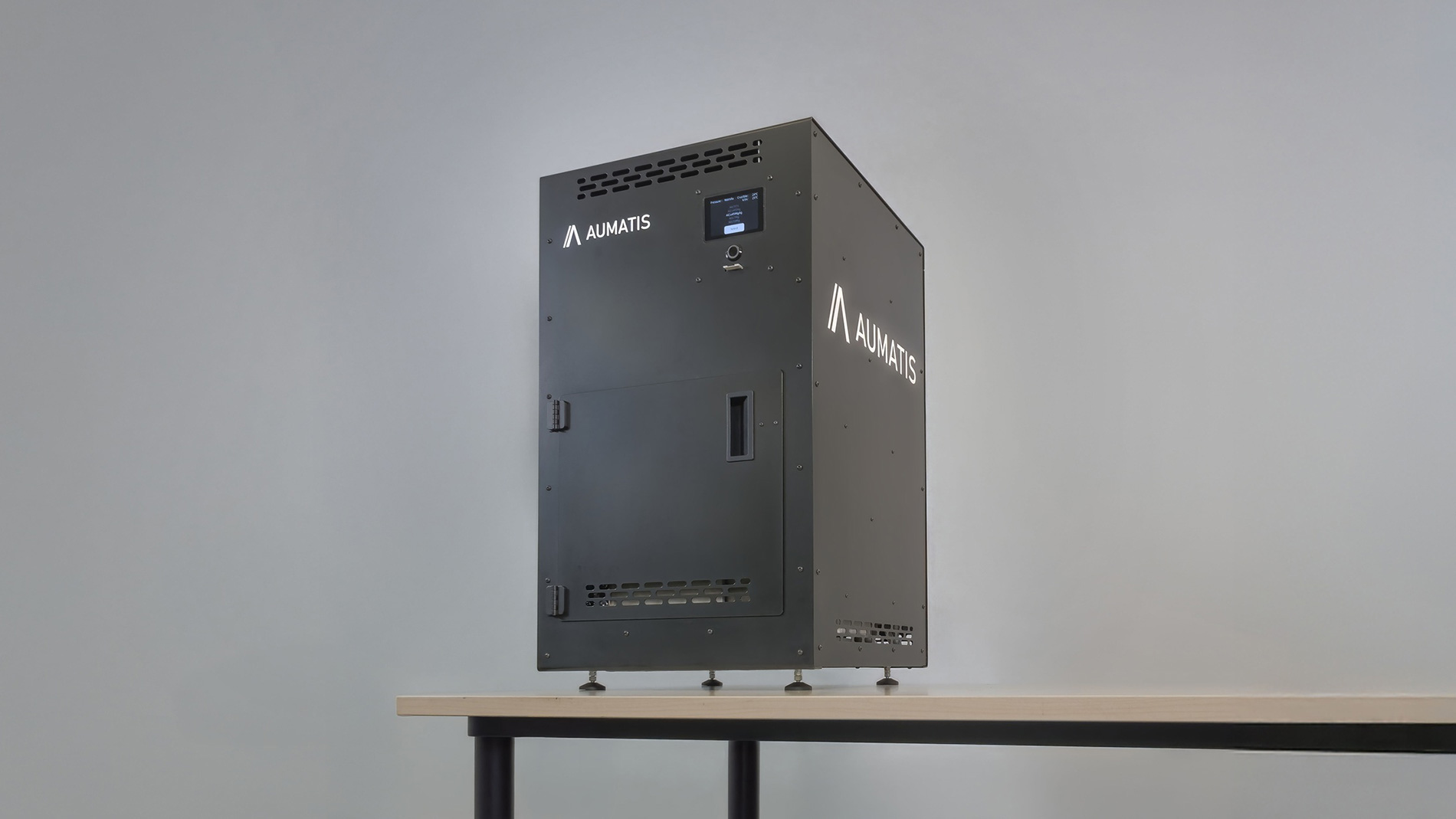
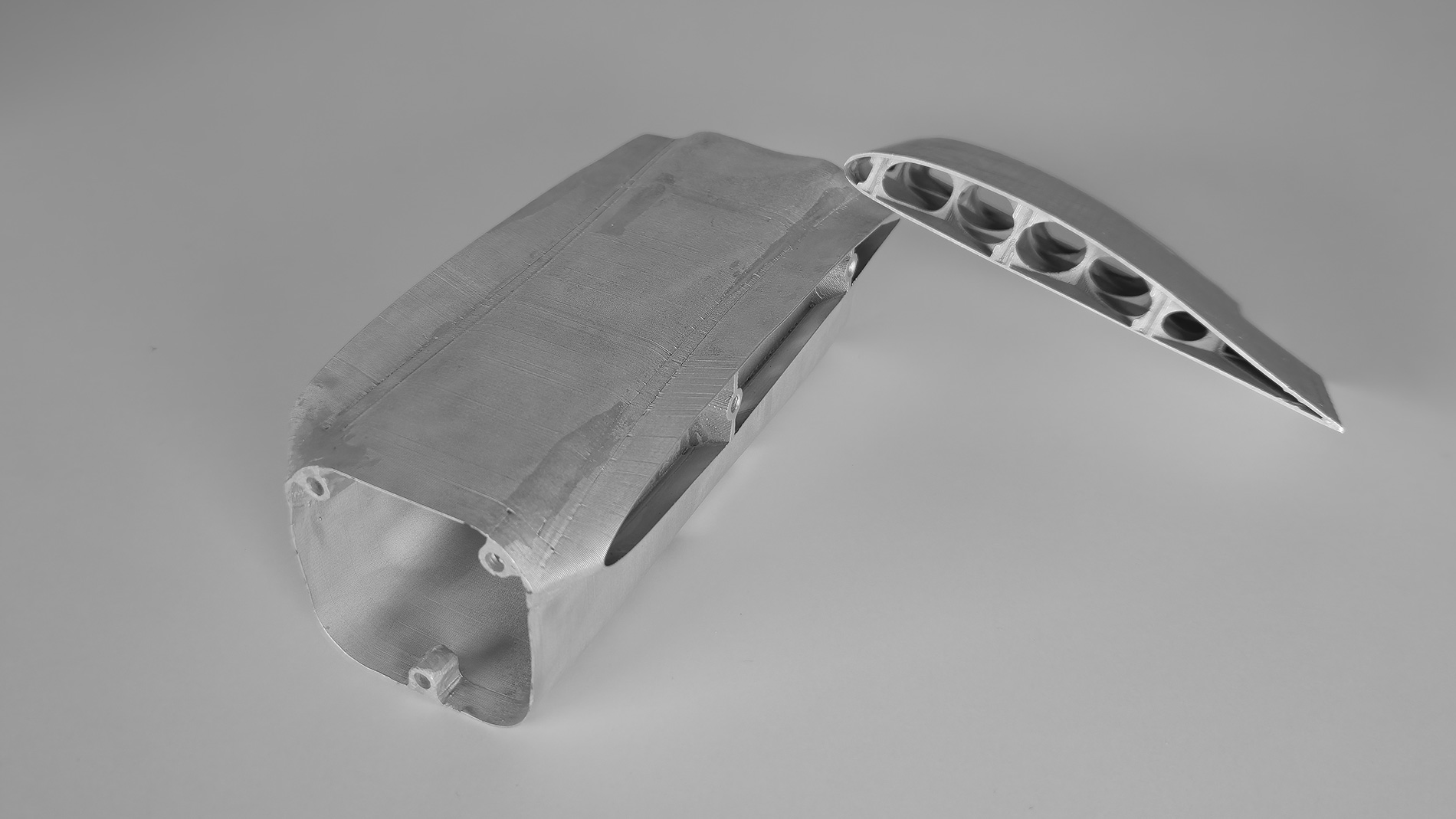
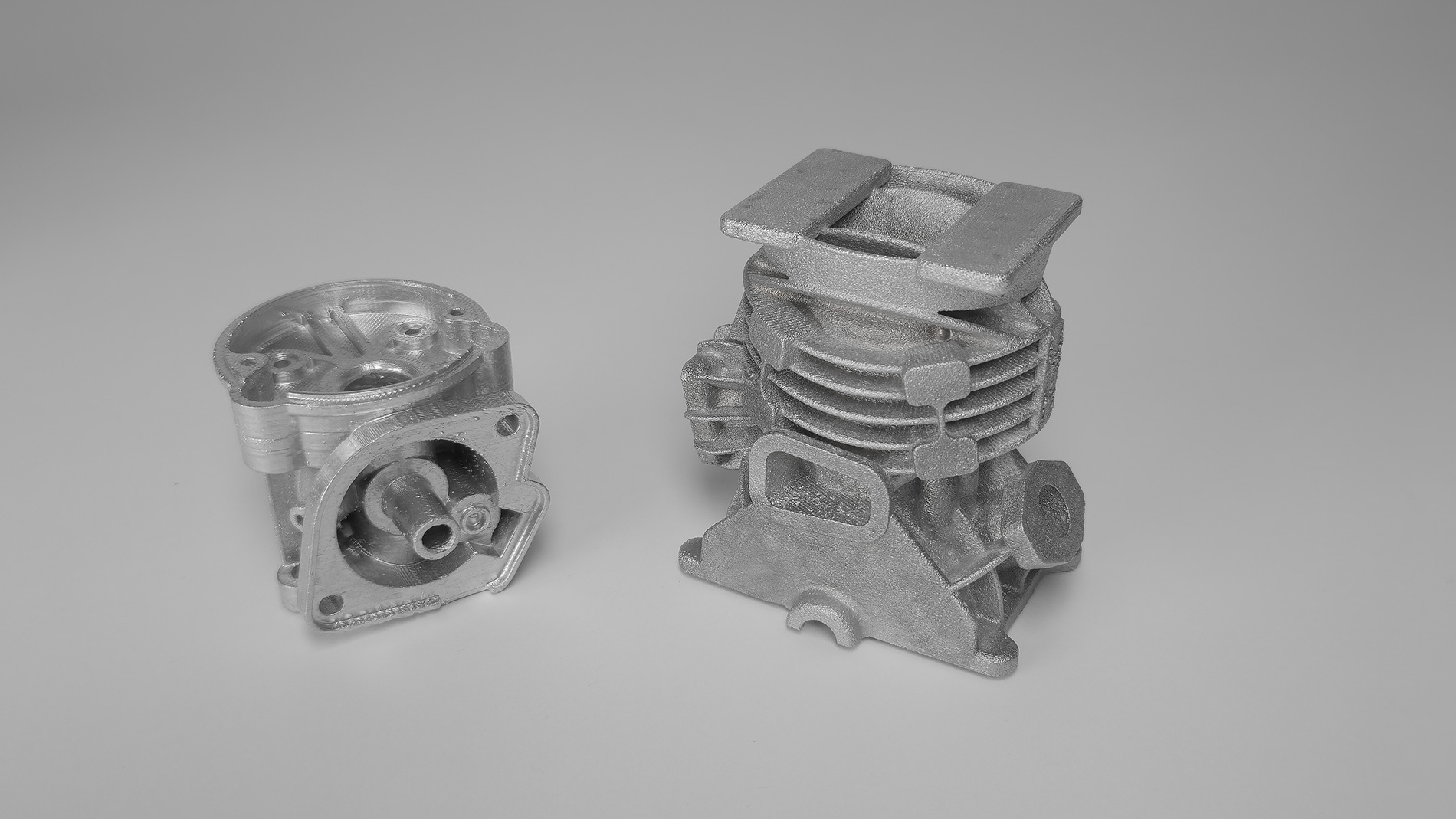
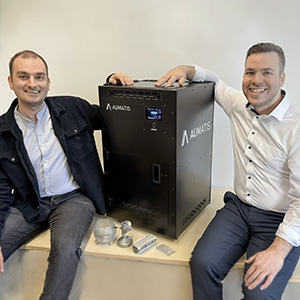
The AX-150 makes complex metal parts available in-house, overnight. A 3D-printed plastic model is embedded in a proprietary investment compound, burned out and cast under vacuum. It is a process that has been standard in industry and jewellery for decades, now automated end to end in a single machine that runs on a standard power outlet, without lasers and without powder.
Melting furnace, burnout furnace and exhaust catalyst sit in one system, and the catalyst is what makes indoor operation possible in the first place. Aluminium, zinc, copper, silver and gold alloys. No training, no infrastructure, no dedicated room.
What changes is the loop: parts designed and printed in plastic, delivered in metal, in a day instead of weeks, with development cycles that no longer wait on external suppliers. The system covers rapid prototyping through to small-series and near-production components.
This is not a concept. Systems have been running at industrial customer sites since 2025, across mobility, defence and precision manufacturing. Patent pending.
The two founders, both from TU Munich, built the machine from first prototype to commercial systems without external financing, funded by the customers who bought them. Series production is under way.
Your consent is required
To view the video, you must give consent to our Brightcove video player in the privacy policy settings.
Dr.-Ing. Christoph Rehekampff, Managing Director & Felix Pancheri, Managing Director, Aumatis GmbH
“For us, the nomination is an opportunity to be part of the conversation about the future of accessible metal manufacturing and to help shape the next steps in its development alongside industry leaders.”
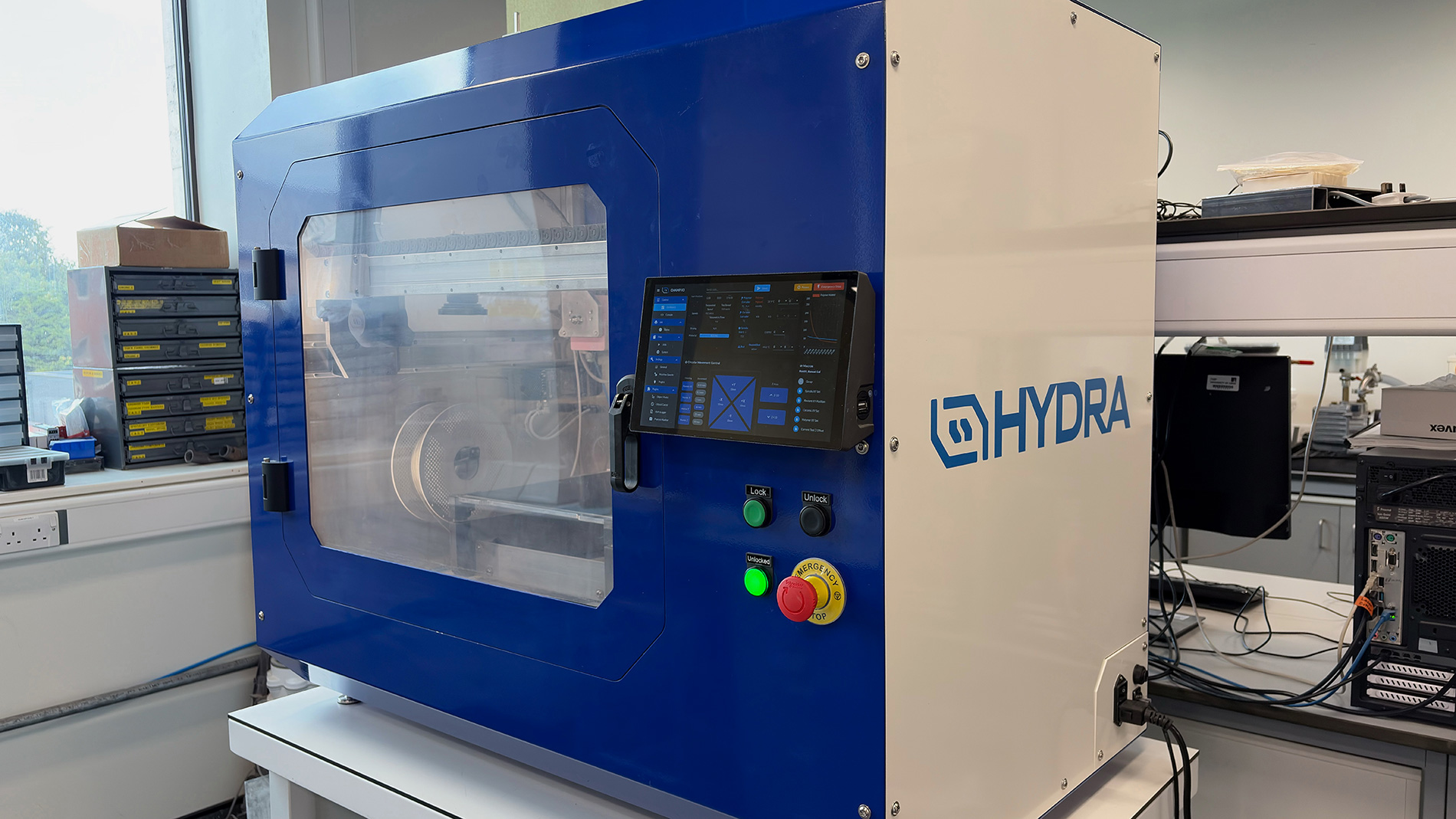
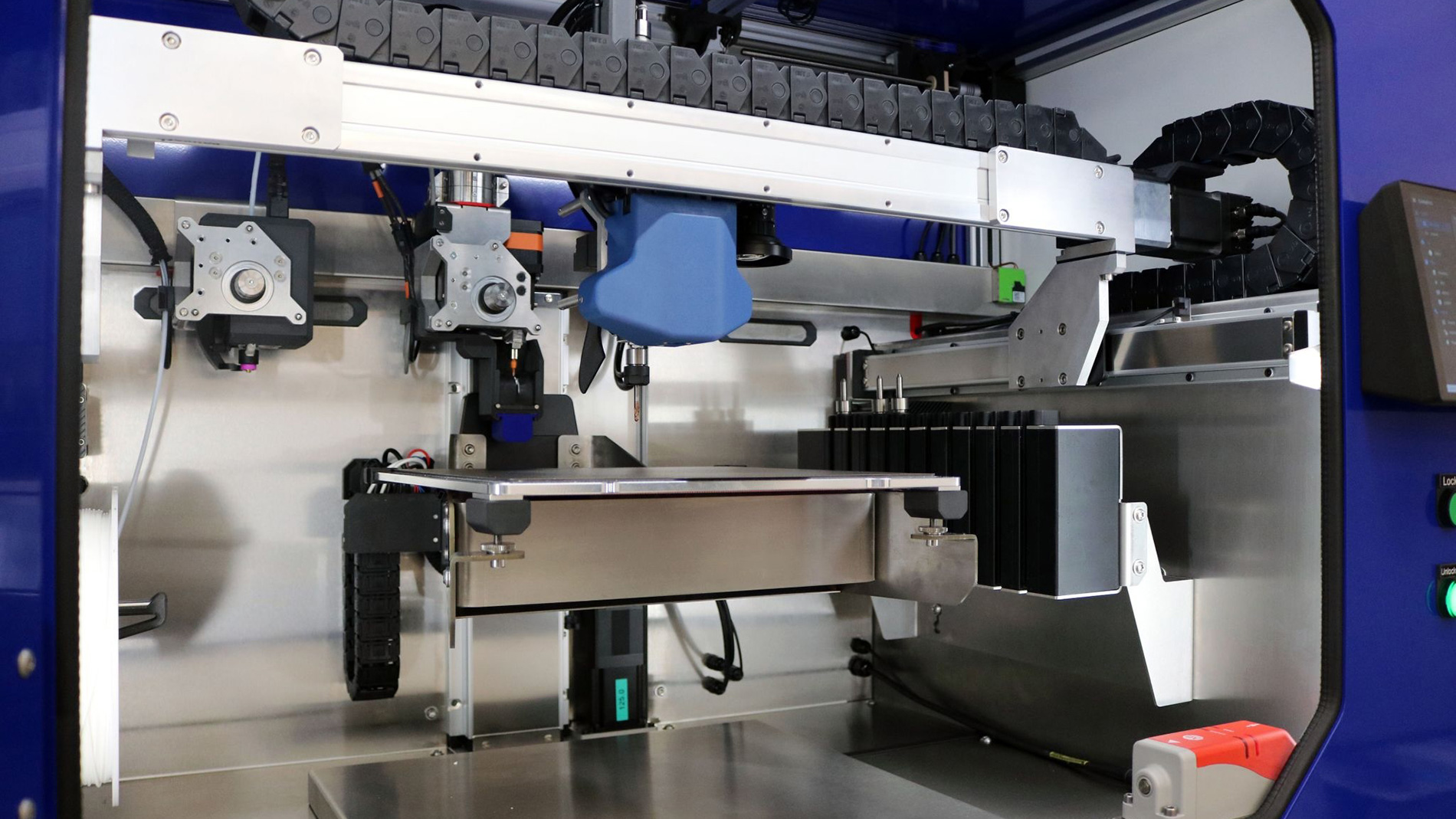
Hydra’s flagship product is the Ceramic Hybrid Additive Manufacturing Platform (CHAMP), which combines paste extrusion, green-state machining and in-process inspection within one machine.
CHAMP enables the geometric freedom of 3D printing with machining before sintering to improve surface finish and dimensional control. The process utilises water-based pastes, which simplifies feedstock formulation, and allows for a wider range of materials that are unsupported by existing light-based processes, such as SiC and cemented carbides.
CHAMP includes our patent-pending extrusion system, which optimises the flow of material, streamlining the development of new material formulations. Combined with our in-process monitoring system, CHAMP reduces the likelihood of defects occurring and allows for corrective actions to be performed mid-print, saving material, energy and time. The combination of speed, precision and reliability removes obstacles from development cycles, creating new opportunities for next-generation ceramic parts.
By bringing deposition, green-state machining and inspection together, CHAMP provides a more controlled route for developing complex ceramic and hardmetal components and evaluating new material and application opportunities.
Your consent is required
To view the video, you must give consent to our Brightcove video player in the privacy policy settings.
Louis Masters, Chief Executive Officer, Hydra Manufacturing Limited
“Formnext gives us the opportunity to put components made on CHAMP in front of the people developing the next generation of ceramic and hardmetal applications. We want to understand where current manufacturing routes are limiting progress, explore new material and application opportunities and build relationships with end users, material suppliers and strategic partners.”
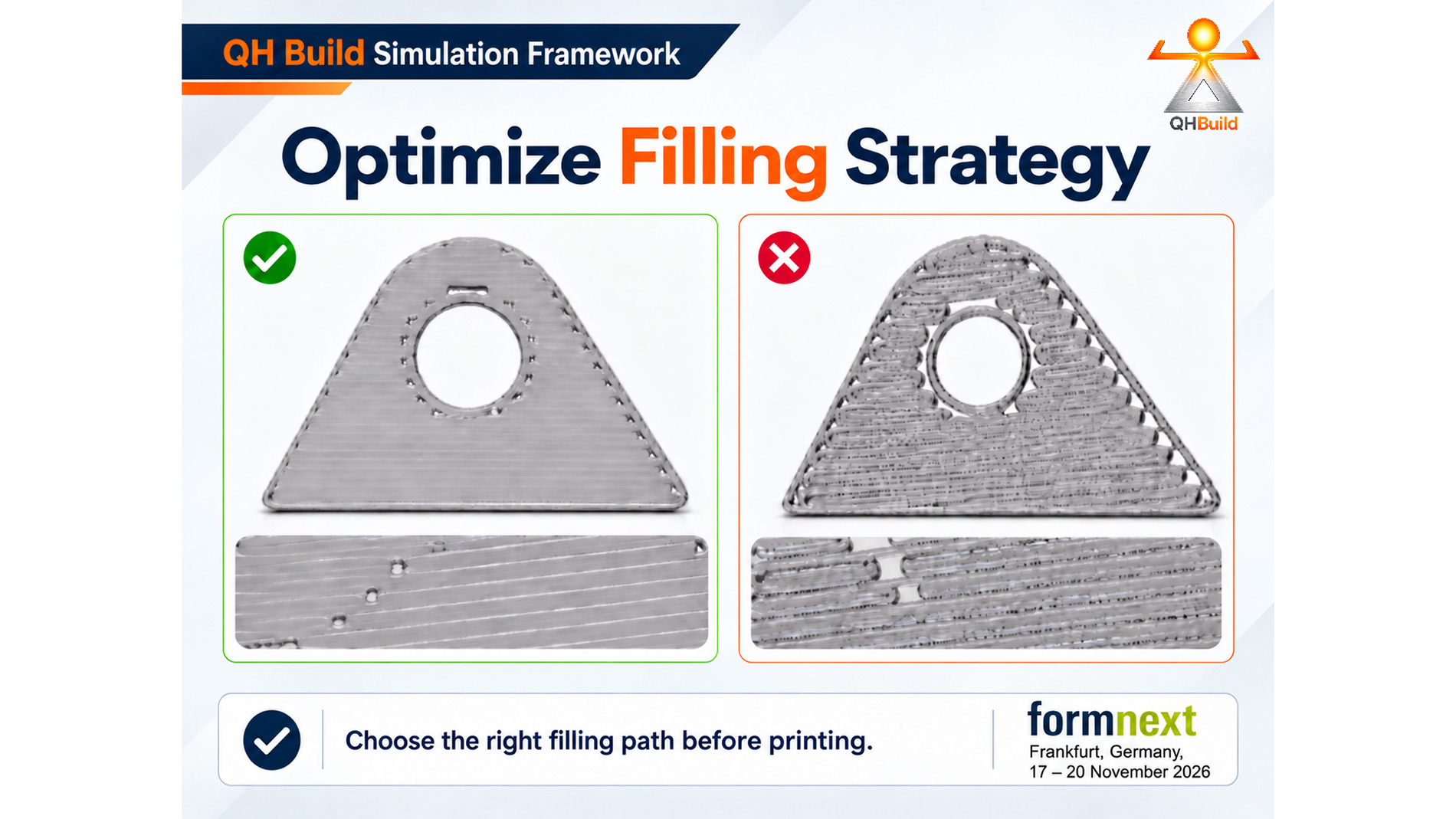
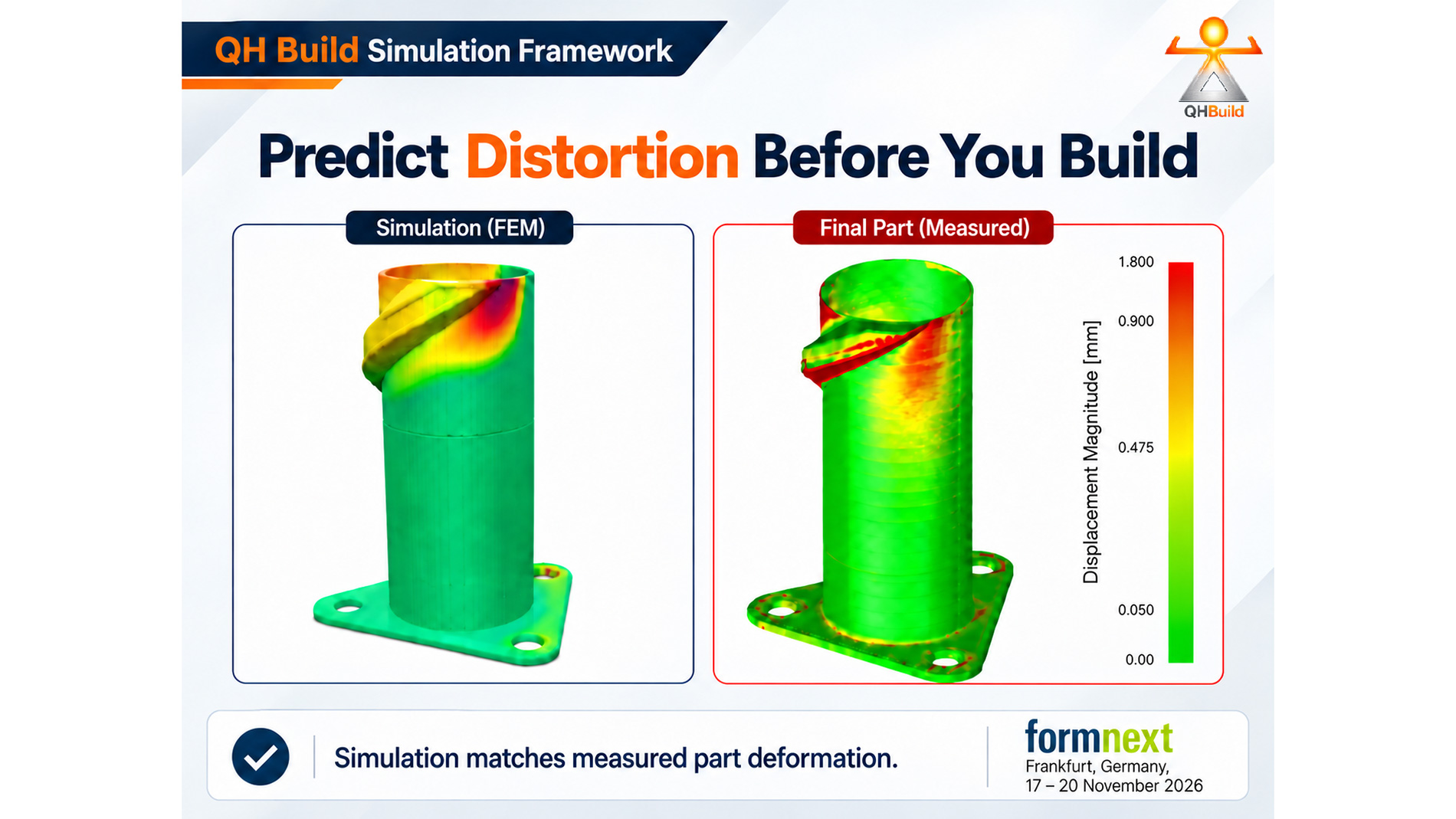
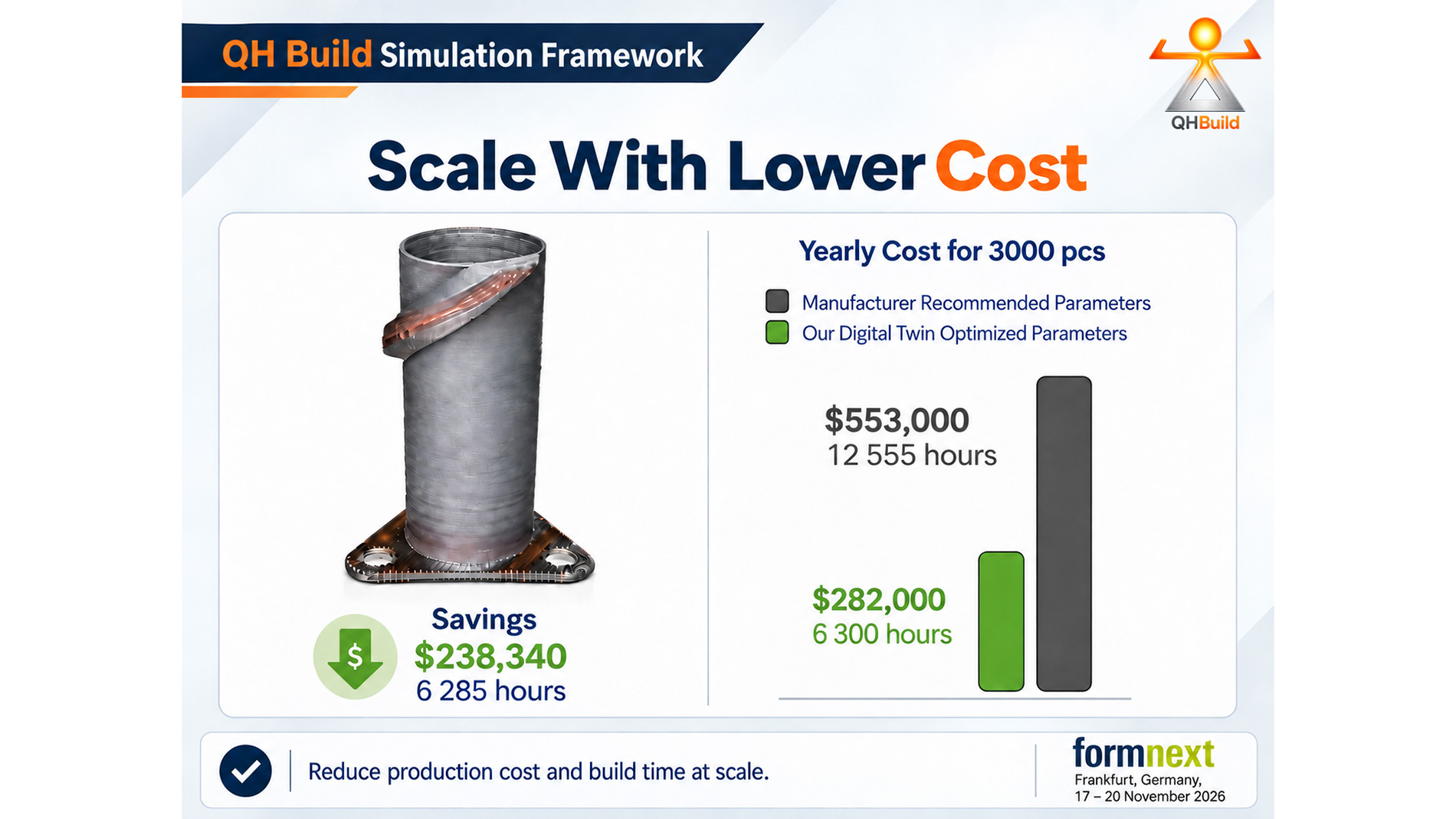
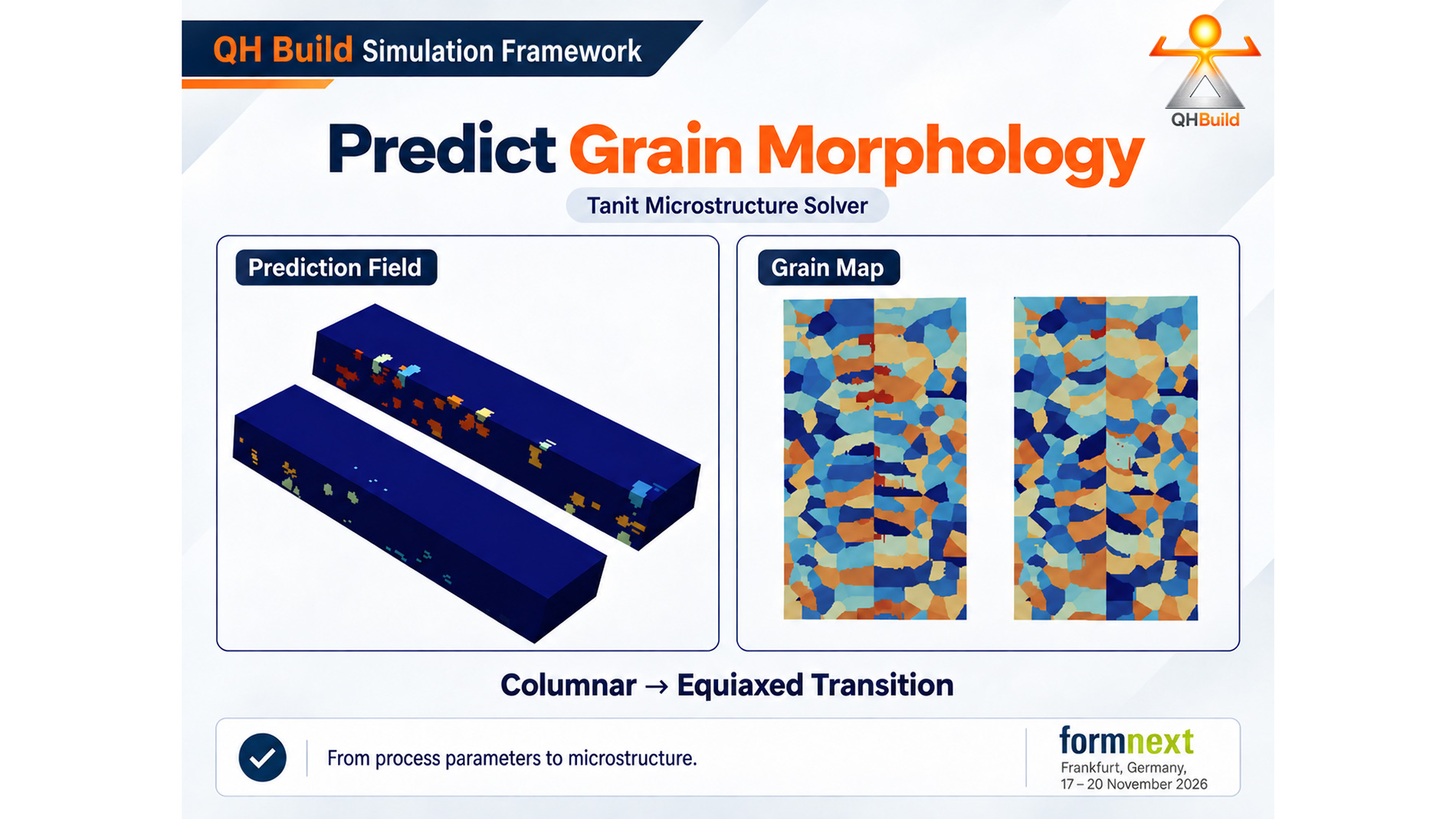
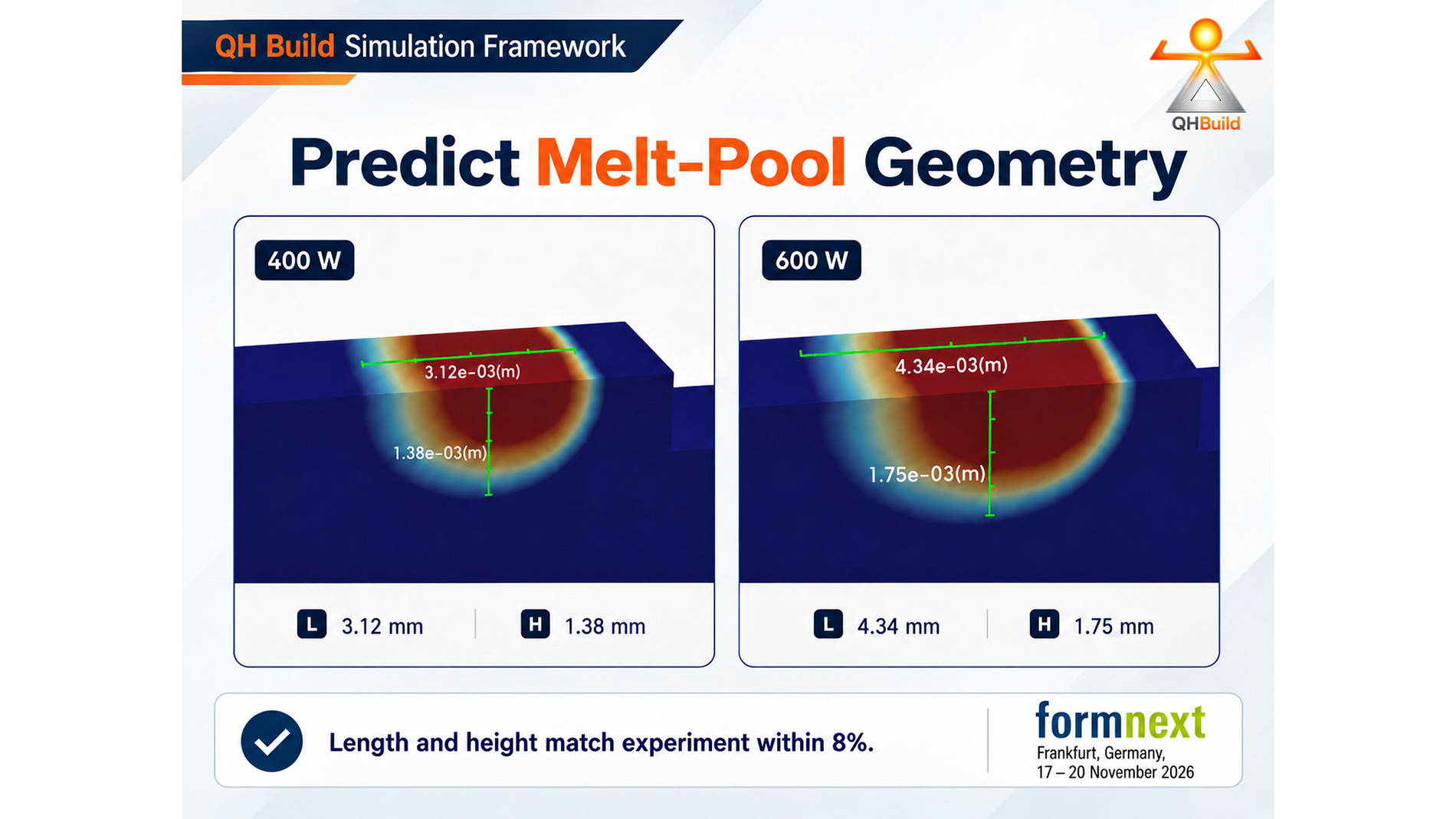
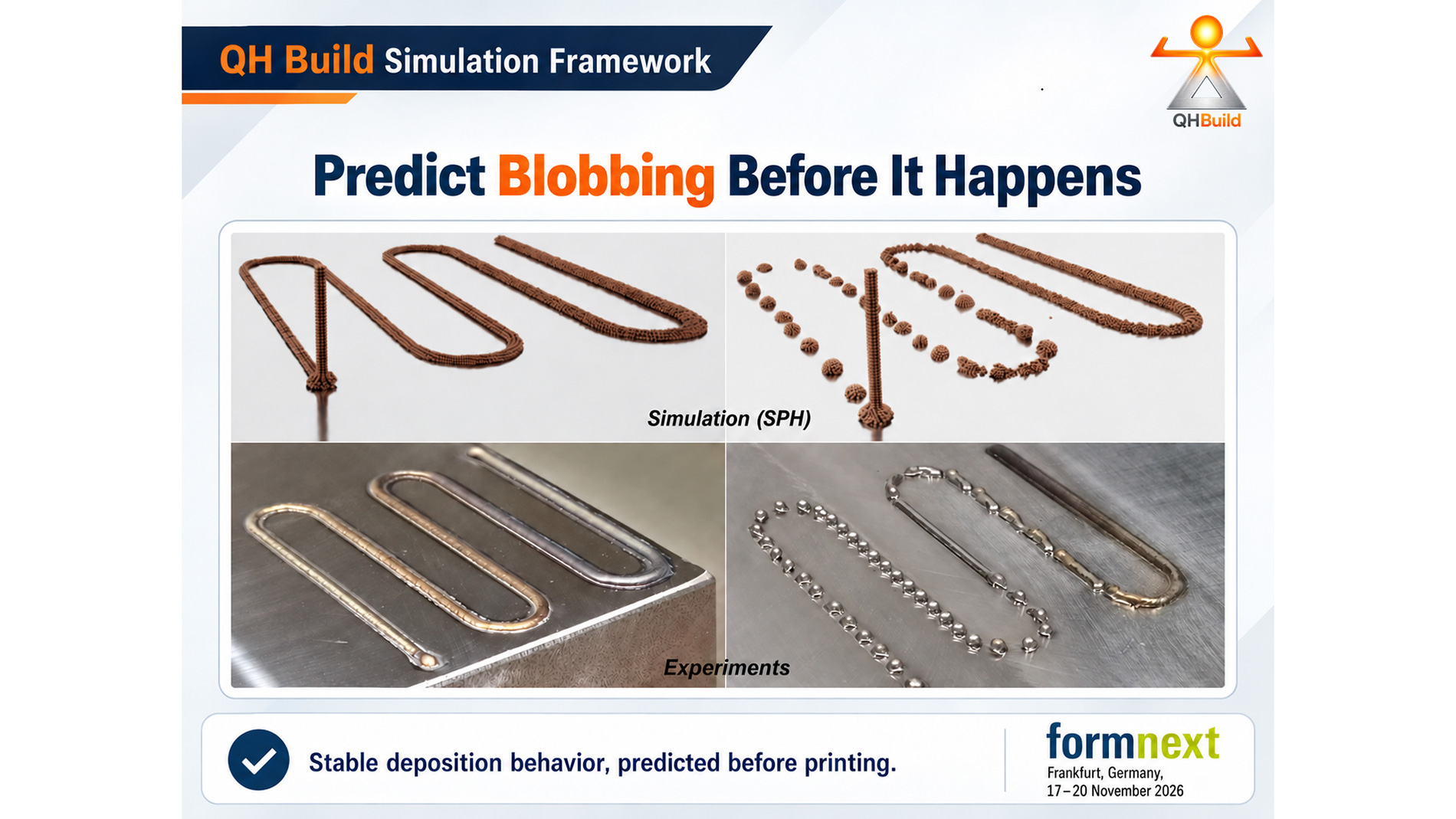
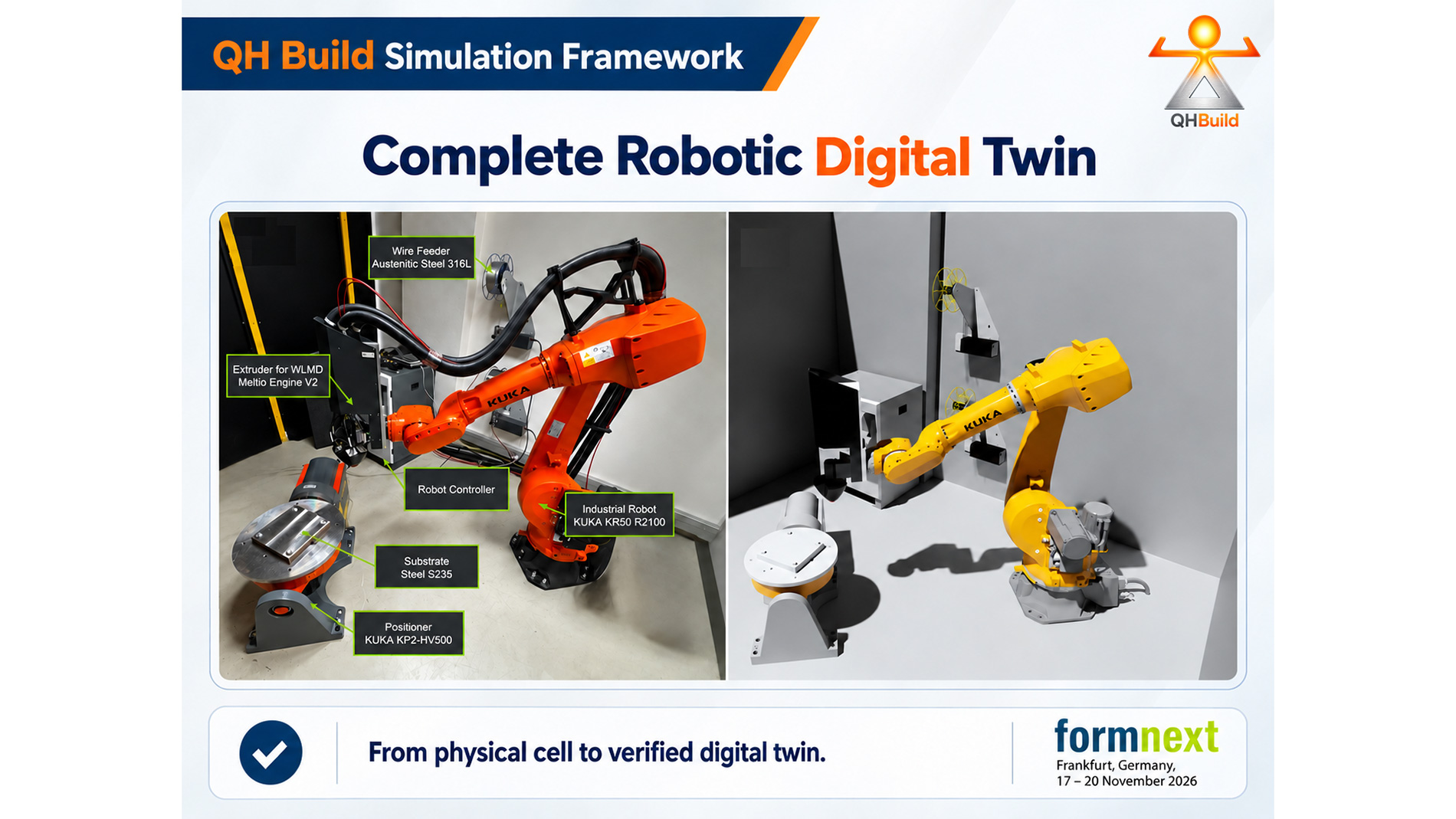
Make the mistakes in simulation – not in the build. Using QH Build, a WLAM case presented in a published scientific paper achieved ~72% shorter deposition time and ~64% lower cost per part.
QH Build combines industrial robotics, multiphysics simulation, and a controller-aware digital twin to reduce costly trial-and-error in metal DED.
Your consent is required
To view the video, you must give consent to our Brightcove video player in the privacy policy settings.
Abdi Mehdi, CEO, QH BUILD LLC
“At Formnext, we aim to introduce QHBuild to the metal Additive Manufacturing community, connect with DED users, machine OEMs, research organizations and technology partners, and explore collaborations that accelerate the development and industrial adoption of advanced Directed Energy Deposition workflows.”
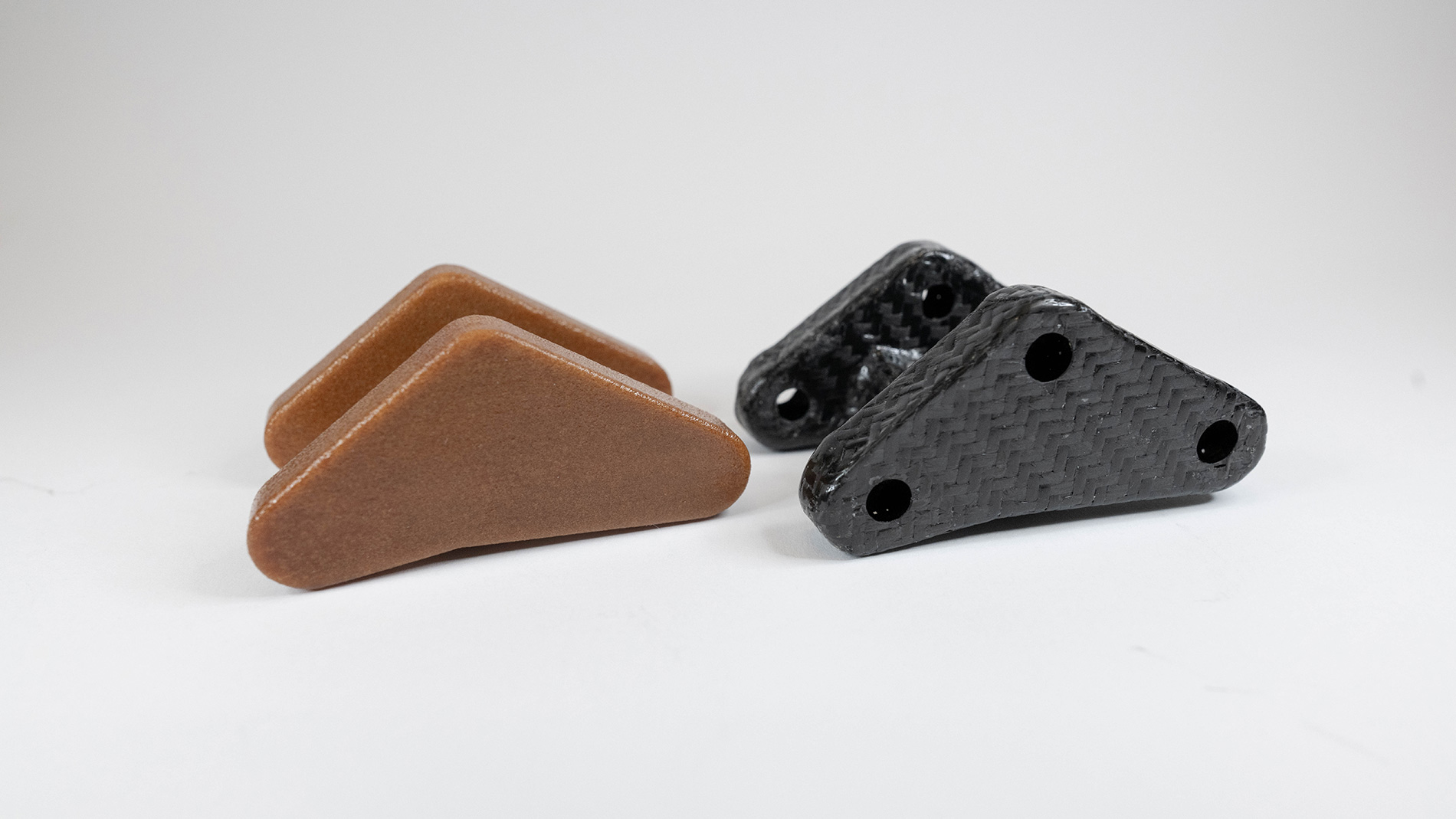
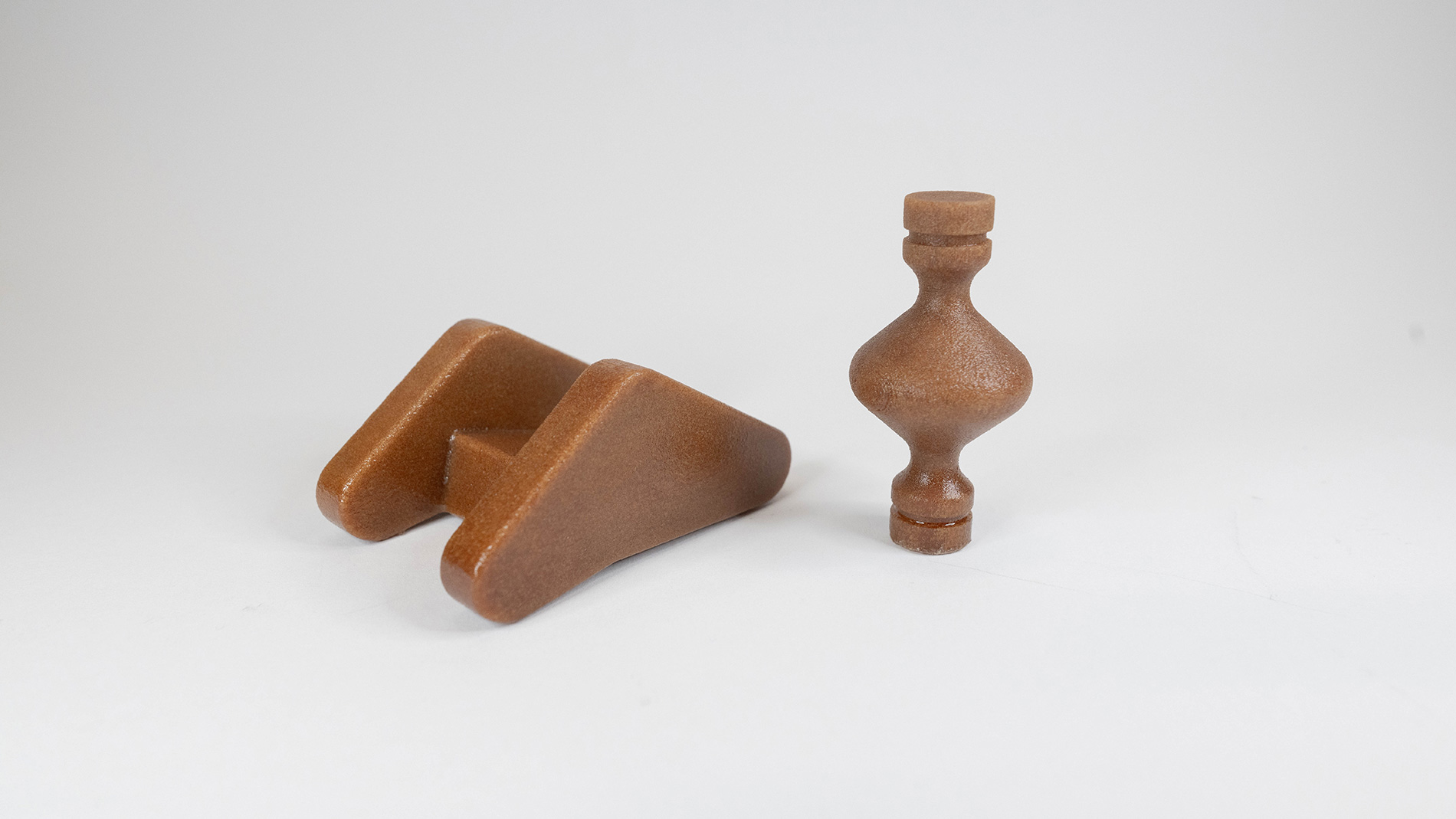
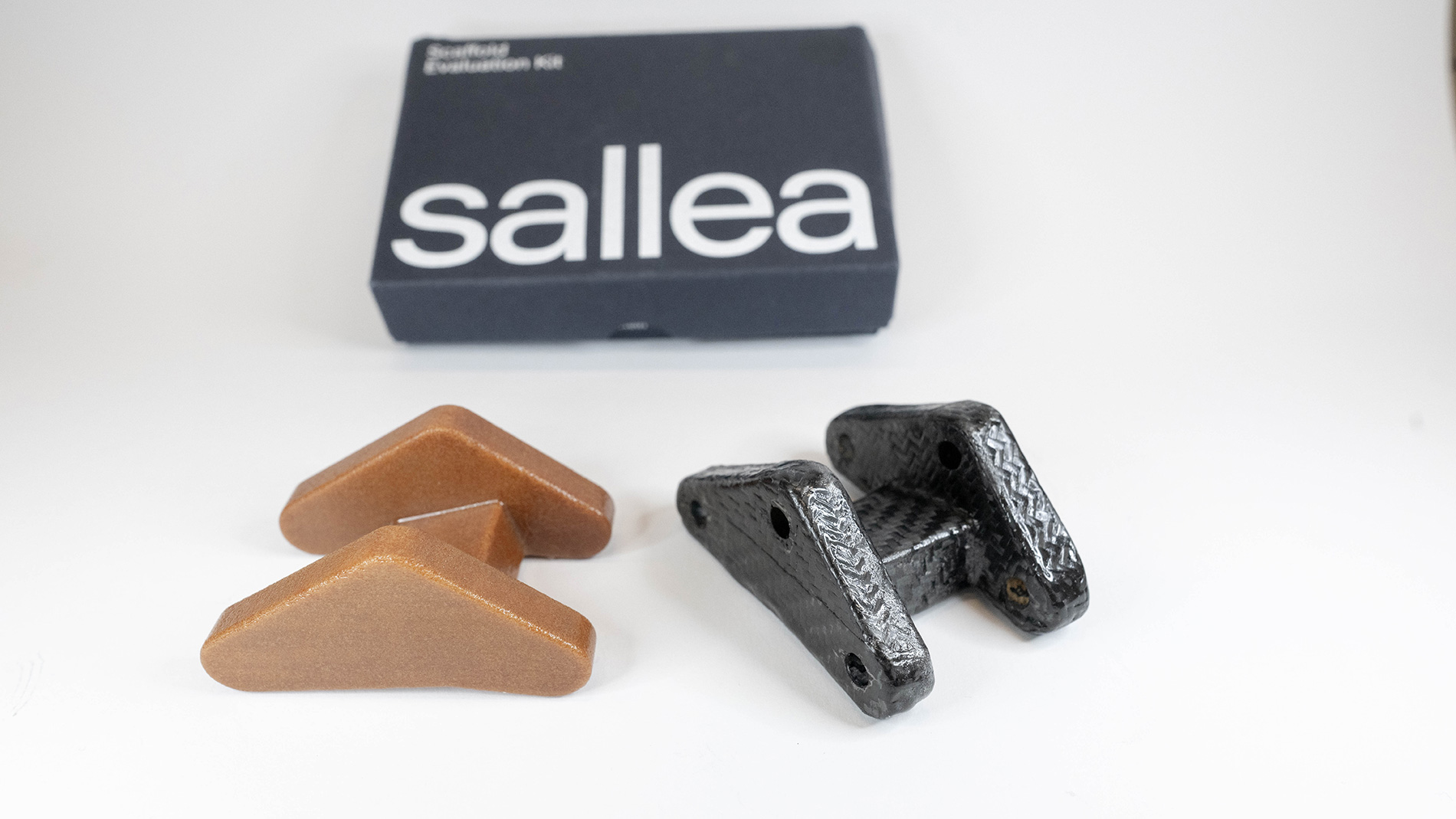
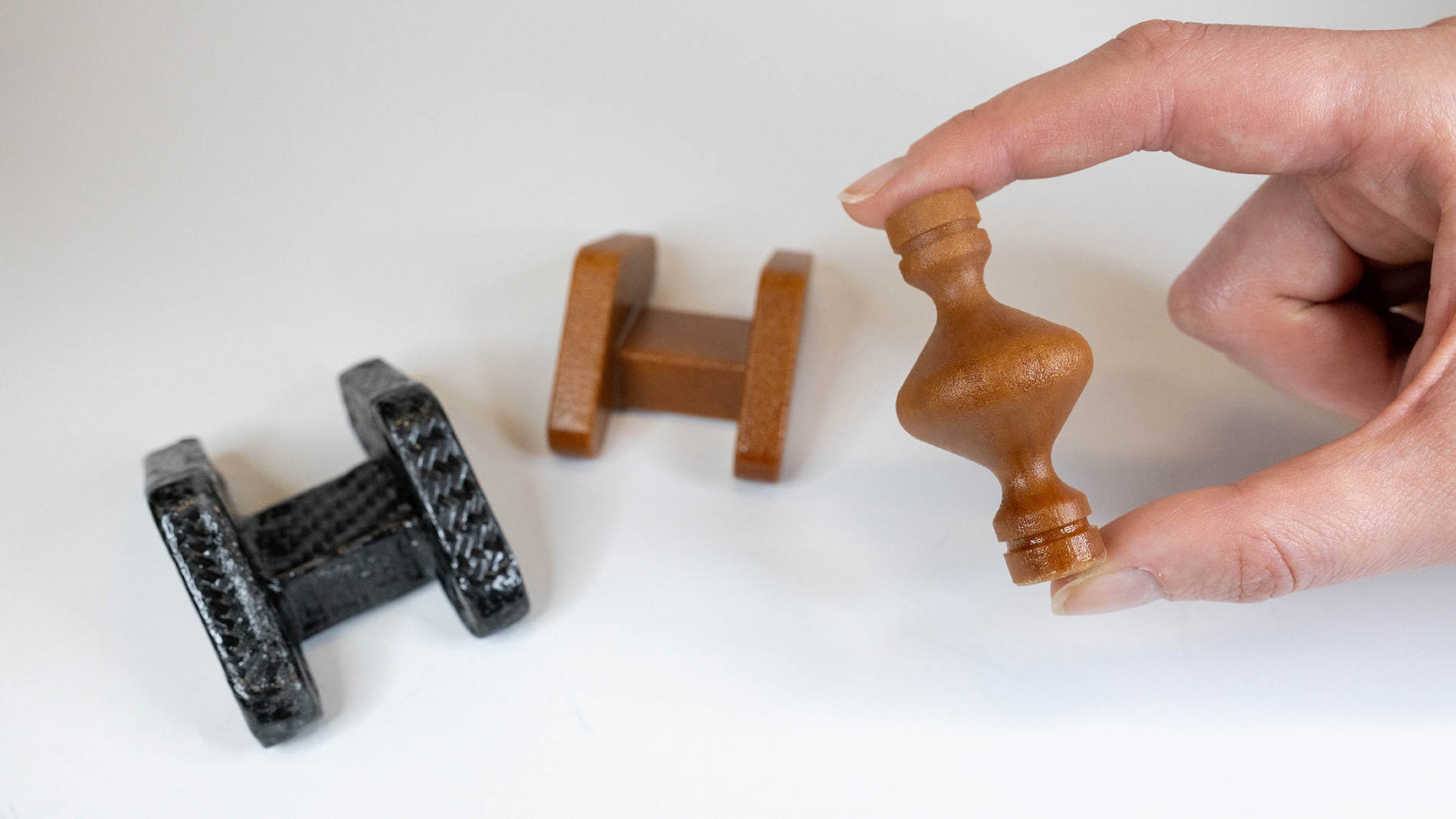
Sallea’s 3D-printed wash-out tooling & core technology makes it easier to create lightweight parts with complex shapes. The temporary core is removed with water after production, enabling greater design freedom and fewer assembly steps.
First applications focus on thermoset CFRP for motorsport & sporting goods, with future use to create lightweight, complex injection molded parts made from thermoplastic composites, silicone, and metals.
Your consent is required
To view the video, you must give consent to our Brightcove video player in the privacy policy settings.
Simona Fehlmann, Co-Founder & CEO, sallea AG
“What excites me most about Formnext is the opportunity to connect with people who see manufacturing challenges as opportunities for innovation. At sallea, we are driven by the belief that better production technologies can enable entirely new products. I am looking forward to exchanging ideas, meeting old and new friends in AM, and exploring partnerships that can help turn that vision into reality.”
The Sustainability Award recognizes AM applications and products that deliver sustainable impact throughout their entire lifecycle - beyond just the manufacturing process.
Turn carbon data into better manufacturing decisions. Baker Hughes’ Manufacturing Carbon Platform (MCP) gives additive manufacturing teams clear, traceable insight into environmental impact – from quotation to delivery.
At the earliest stage, MCP brings carbon considerations alongside cost, quality and lead time, helping teams compare production scenarios and make informed choices.
As plans evolve, it identifies opportunities to optimize materials, equipment and process routes while maintaining operational requirements.
At delivery, MCP automatically creates a customer-ready sustainability report for inclusion in the product quality documentation package.
By connecting carbon data across the manufacturing lifecycle, MCP moves sustainability beyond retrospective reporting and into everyday decision-making – helping manufacturers improve transparency, support sustainability goals and create measurable business value.
Your consent is required
To view the video, you must give consent to our Brightcove video player in the privacy policy settings.
Lampros Giourntas, Senior Digital Product Manager, Baker Hughes Energy Technology UK
“The recognition as a Formnext finalist demonstrates that sustainability has evolved from a long-term goal into a core manufacturing KPI, essential for competitive and future-ready production.”
You can experience the project presentation live at the Formnext Awards Showcase: Hall 11.0, F60
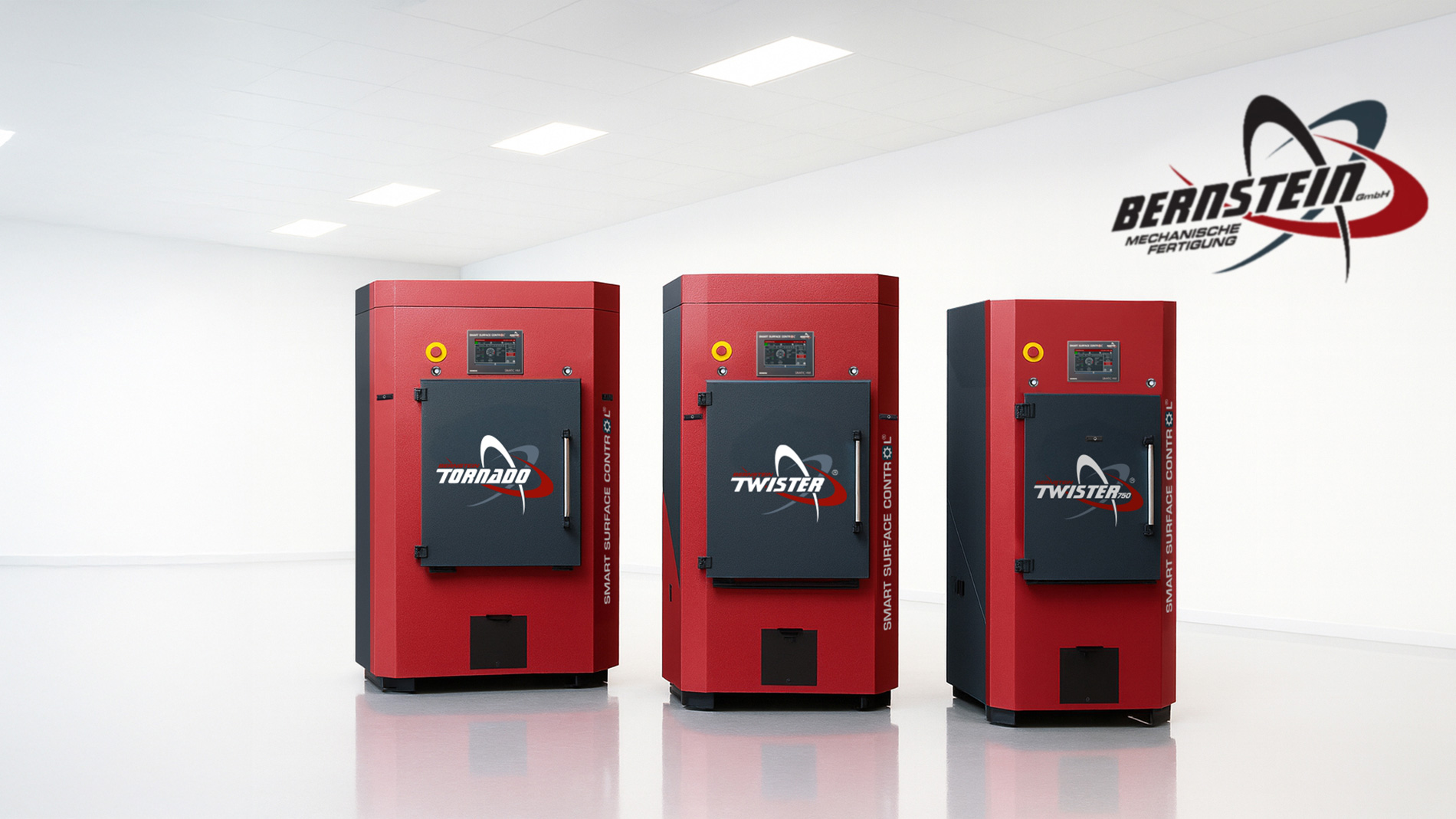
The aim of the project is to ensure that spare parts are available cost-effectively (excluding transport costs) and promptly (without the need for supply chains or delivery times).
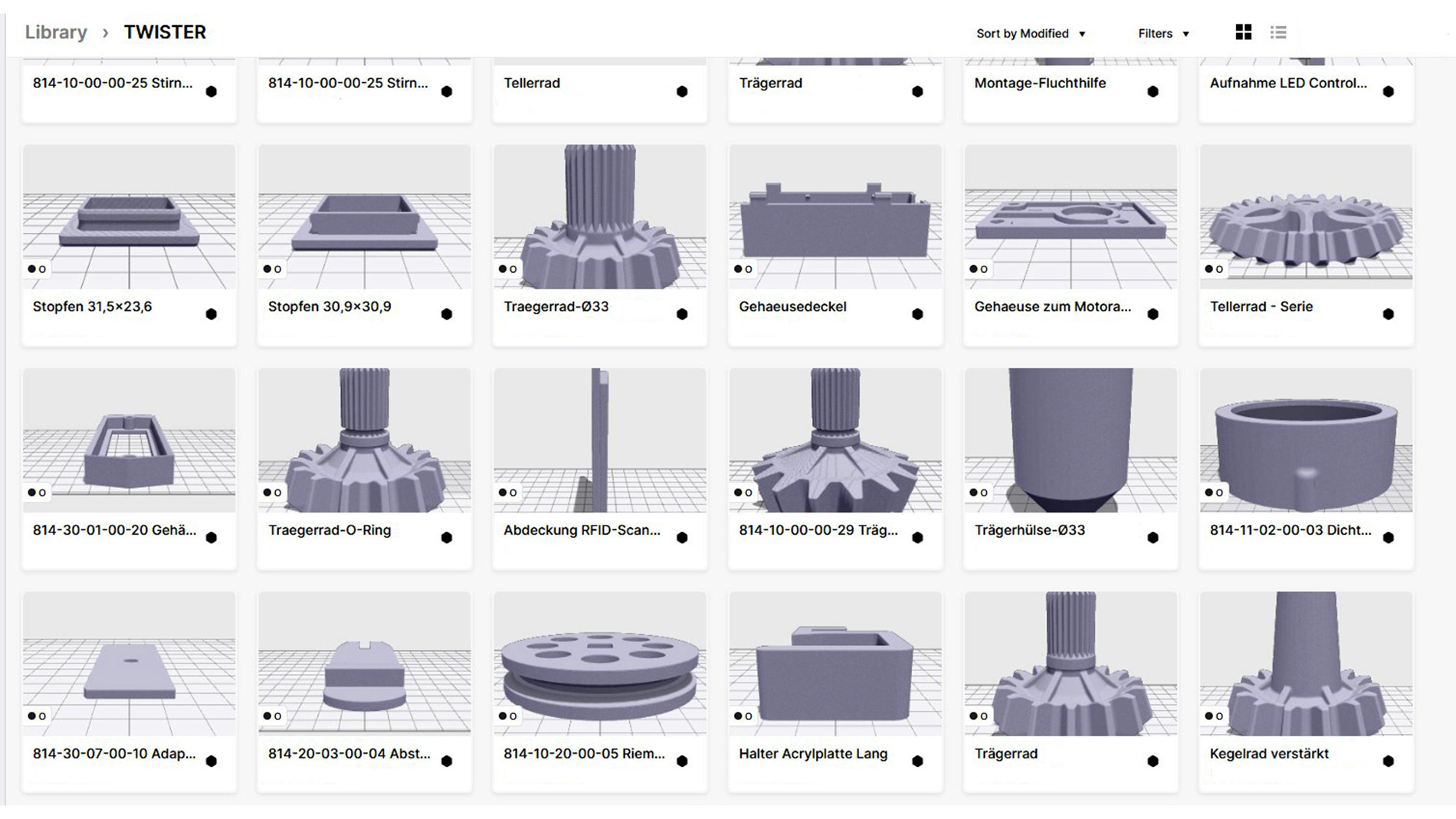
This significantly reduces machine downtime as well as transport, storage and administrative costs. Customers can use a supplied 3D printer to 3D-print their own (plastic) spare parts for their BMF blasting system.
The data required for this is available for download in DIGITALSOURCE (a cloud-based spare parts catalogue). The customer only pays for production data that has been downloaded and actually used to print a part.
This forms part of a customer-focused service concept – from machine development and component manufacturing right through to the availability of spare parts for the customer.
Great importance is attached to ease of use for the customer, as well as to the reuse of components already incorporated into the design – a significant contribution to reducing costs and environmental impact.
Your consent is required
To view the video, you must give consent to our Brightcove video player in the privacy policy settings.
Ronny Bernstein, CEO, BMF GmbH
“The nomination provides us with the opportunity to showcase our technology to a wider audience and highlight its potential to the global Additive Manufacturing community.”
FlexCycle Solutions turns copper production scrap into powder for additive manufacturing and powder metallurgy, without ever melting it.
Printed IART logo plate, two resin-embedded cube samples, and a sample from sintering trials, all produced from recycled copper powder.
Copper powder is conventionally made by atomization: the metal is melted and dispersed, usually with large amounts of inert gas. Gas atomization requires 9,000 kWh per tonne or considerably more. Our patent-pending process is purely mechanical, runs below 100 °C and needs around 650 kWh per tonne – over 97 % less energy than free-fall hot gas atomization and around 70 % less than water atomization. No melting, no inert gas, no chemicals, no water.
Recycled copper powder fractions, 20–63 µm and 63–100 µm
Our feedstock is electronic waste. When remelted, such waste lose up to 30 % of their material through burn-off, which is why they are often downcycled. We keep this copper in the loop and upcycle it into a high-value product: 100 % secondary raw material, sourced regionally in Europe, reducing dependence on primary copper and global supply chains.
Close-up of recycled copper powder fractions, 20–63 µm and 63–100 µm
Less energy also means better powder: the spherical-rough particles absorb infrared laser light better than smooth atomized powder, supporting copper processing on widely used LPBF machines. In press-and-sinter applications, the rough surface increases green strength, which can reduce rejects.
FlexCycle Solutions is a spin-off in preparation from the Institute of Mineral Processing Machines and Recycling Systems Technology (IART) at TU Bergakademie Freiberg, funded through the EXIST-Forschungstransfer program. The project contributes directly to UN SDGs 9, 12 and 13.
Your consent is required
To view the video, you must give consent to our Brightcove video player in the privacy policy settings.
Julius Eik Grimmenstein, Co-Founder (designated CEO), FlexCycle Solutions
“We aim to increase the visibility of circular copper powder solutions and, together with strong partners, help shape the path toward more sustainable Additive Manufacturing.”
You can experience the project presentation live at the Formnext Awards Showcase: Hall 11.0, F60
Jury members
Prof. Dr.-Ing. Kristian Arntz
Professor for Manufacturing Technologies and Machine Tools –
FH Aachen, University of Applied Science
Dr. Mohsen Seifi
Vice President Global Advanced Manufacturing Programs –
ASTM International
Sherri Monroe
Executive Director –
Additive Manufacturer Green Trade Association, AMGTA
The voting – Your voice counts!
Support your favorites and cast your vote now for the winners.
Voting is open for all categories until Thursday, 19 November 2026, at 12:00 PM.
The public online vote counts as an additional jury vote and will be added to the jury’s final decision.
Of course, you can also vote for just your favorite category.
As in the industry as a whole, we also work hand in hand with the Formnext Awards. These partners and sponsors support the Formnext Awards and pave the way for young, innovative developments in the AM world.
Category sponsors
Media sponsors
Trophy sponsor
Contact & sponsorship
Do you want to pave the way for young innovative ideas in the AM world? Then become a sponsor of the Formnext Awards 2026 – we still have space on the sponsor wall! You can find all the details here: