
Reading time: 2 minutes
Text: Thomas Masuch
The Imperial College spin-out, working with partners including Rolls-Royce, BAE Systems and GKN Aerospace, combines machine learning-based defect detection with the familiar language of statistical process control with the aim of compressing part qualification from months to weeks and giving serial AM production the process confidence that conventional manufacturing takes for granted.
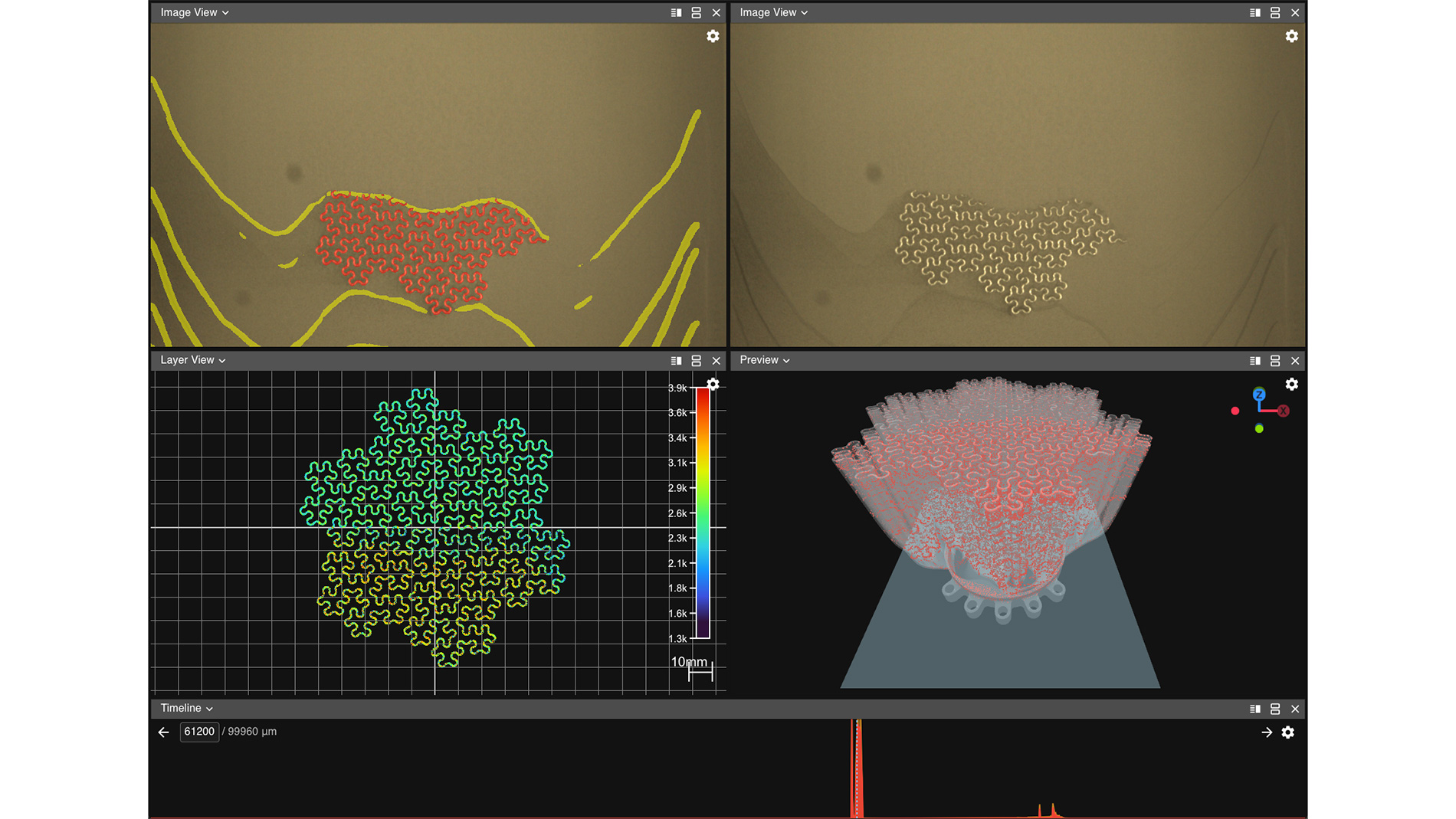
The Nexus platform is a software that fuses in-process sensor data – from optical and thermal cameras, photodiodes, pyrometers and other sensing systems – and feeds it through machine learning (ML) models built specifically for the physics of the AM process.
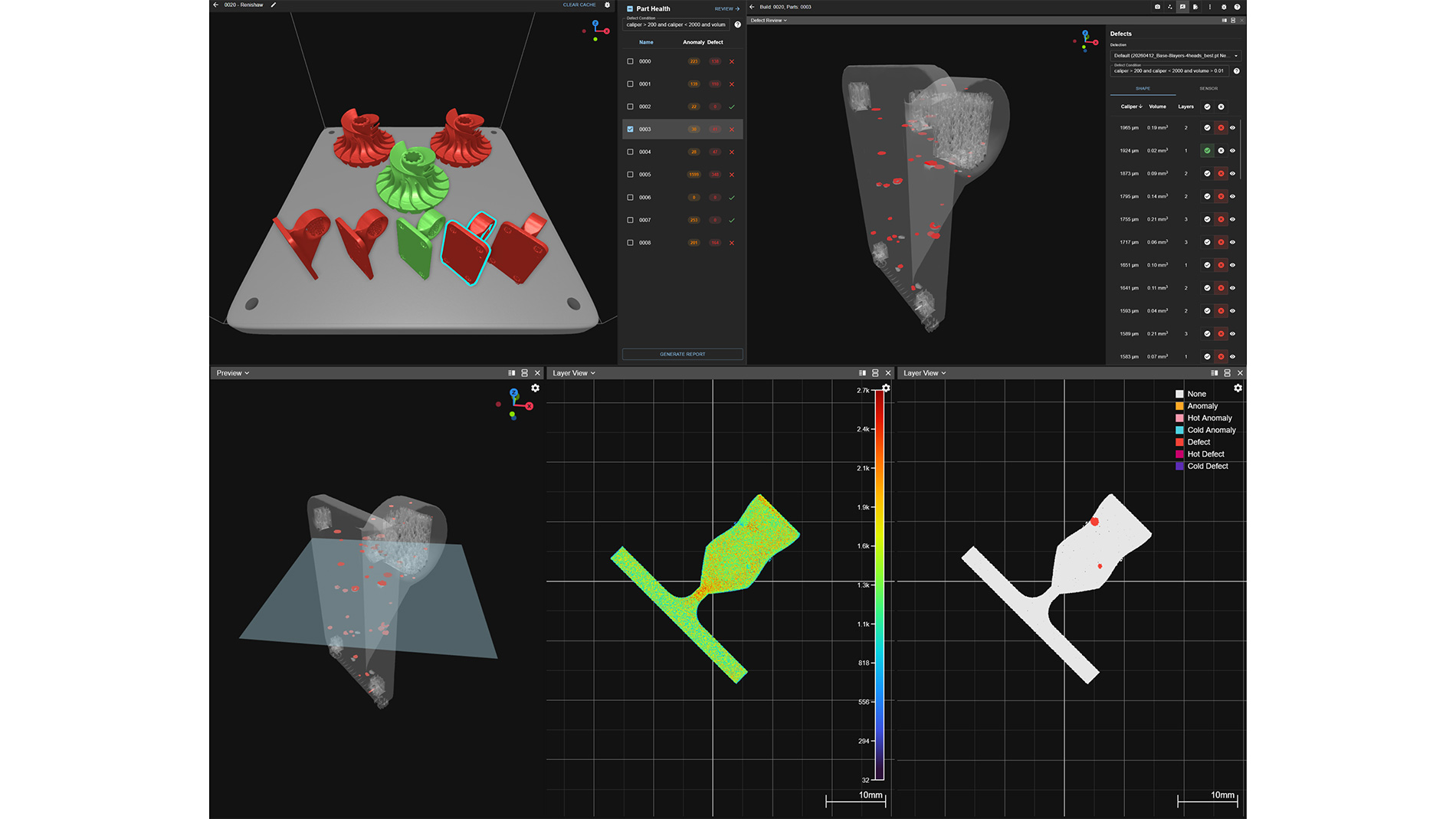
The company describes its patent-pending core technology as a neural-network CT surrogate: layer by layer, the platform registers multi-sensor data and laser path information into a common 3D coordinate system and builds a digital twin of the printed component, with defect location, estimated size and confidence.
Under the hood sits a physics-informed neural network trained on several trillion individual measurements, including a validation dataset of more than 10,000 intentionally seeded defects built following ISO/ASTM guidance for benchmarking AM inspection capability. The architecture matters.
The platform is deliberately machine- and sensor-agnostic, making it suitable for use with all major LPBF machine manufacturers. After a year of early-stage testing with its first customers, NexusAM is now signing up beta partners, with a full commercial launch planned for 2027.
Further information
NexusAM at Formnext 2026: Hall 11.0, Booth F21