
Reading time: 2 minutes
Text: James Woodcock
A late change to a build job is a familiar frustration. Alter one parameter and the preparation often has to be rebuilt from scratch, because nothing records what was done or in what order.
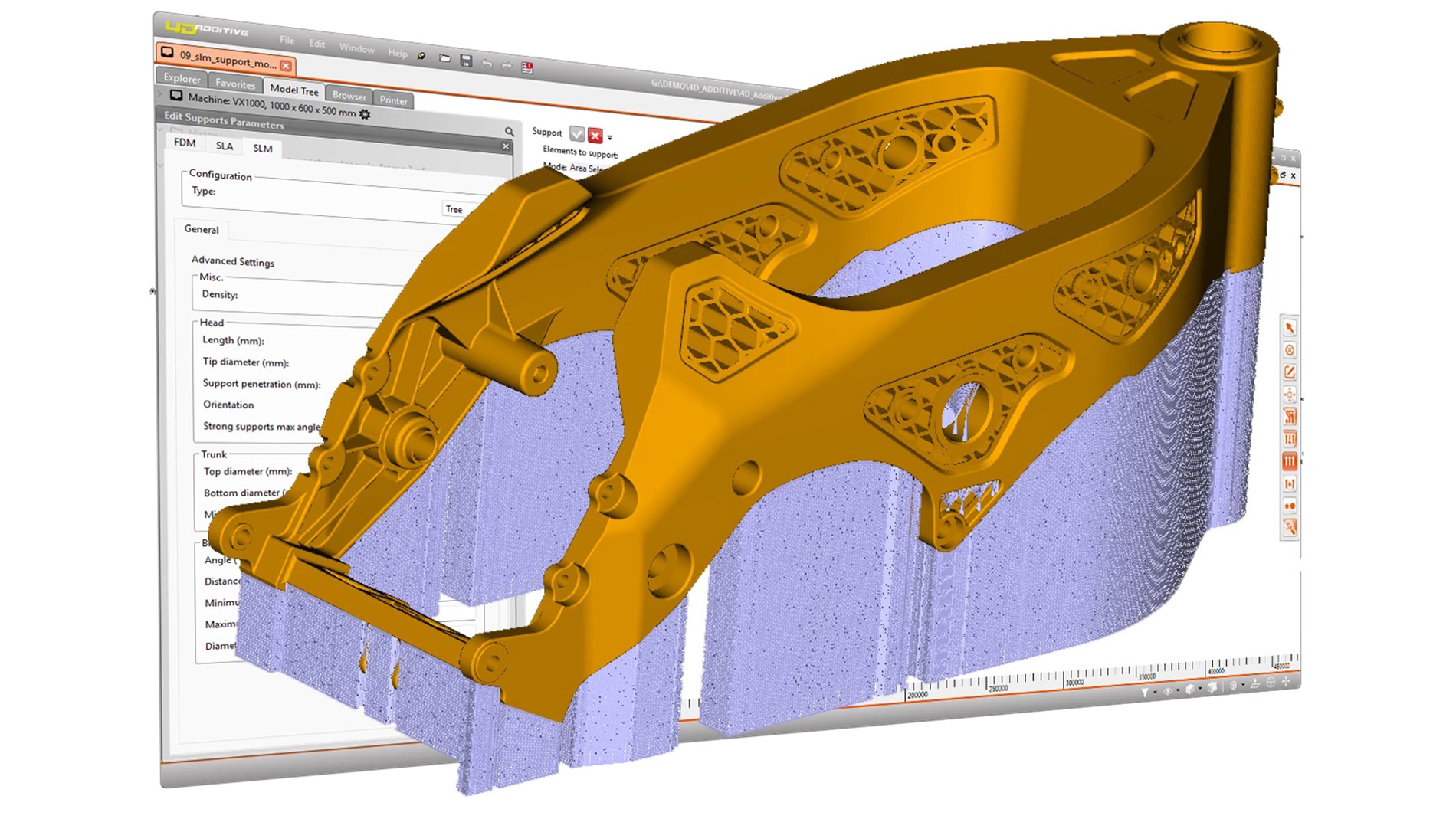
CoreTechnologie has addressed this in version 1.8 of its 4D_Additive software with a Build History Tree, borrowing the design history tree familiar from modern CAD. Every step appears in a structured list, documented and open to inspection directly or in sequence. Parameters from any step can be reviewed and changed at any point, so a variant or corrected component reuses the existing preparation instead of starting again.
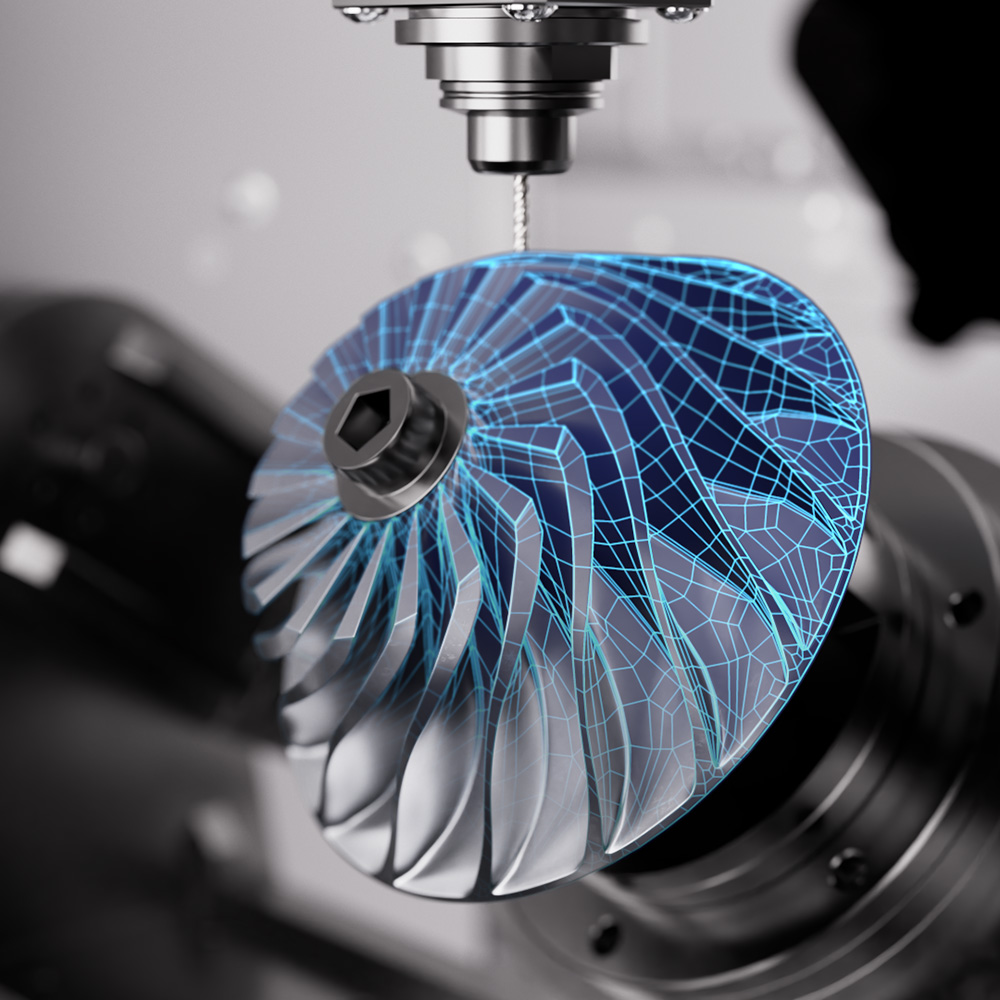
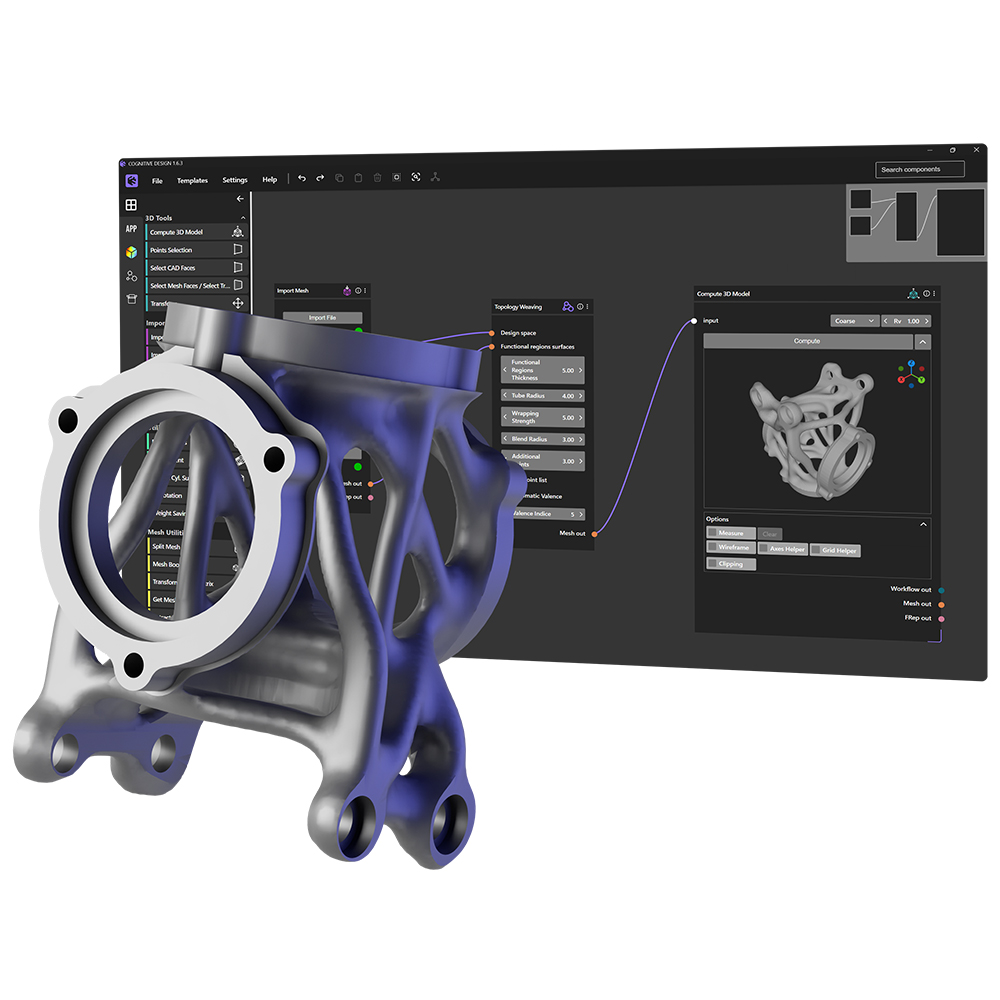
The Franco-German company has also reworked how awkward geometry is handled. Models import either as exact CAD geometry or as triangulated data, and exact geometry can be selectively tessellated then cleaned up with the new repair tools, combining native CAD precision with the speed of working on a mesh. A new Advanced Automatic Mode chains together healing operations that previously ran one at a time, correcting badly damaged source models in a single click.
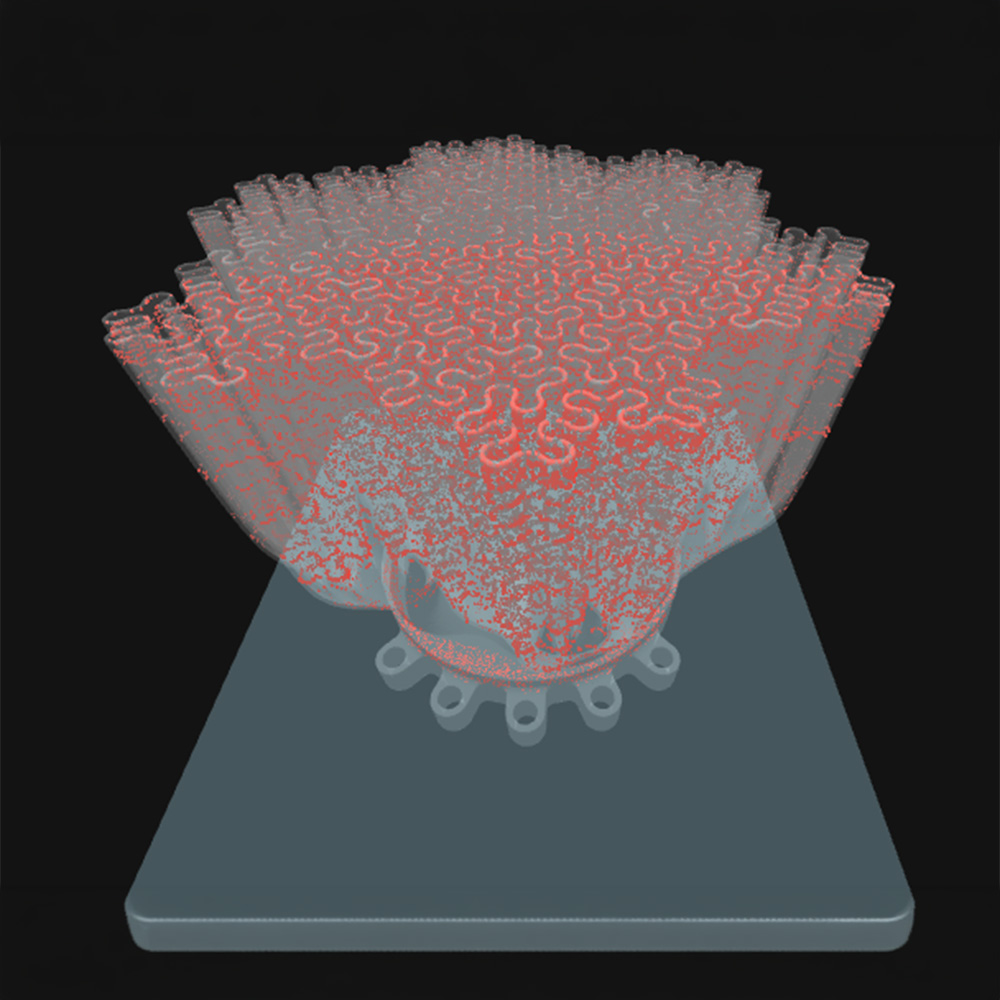
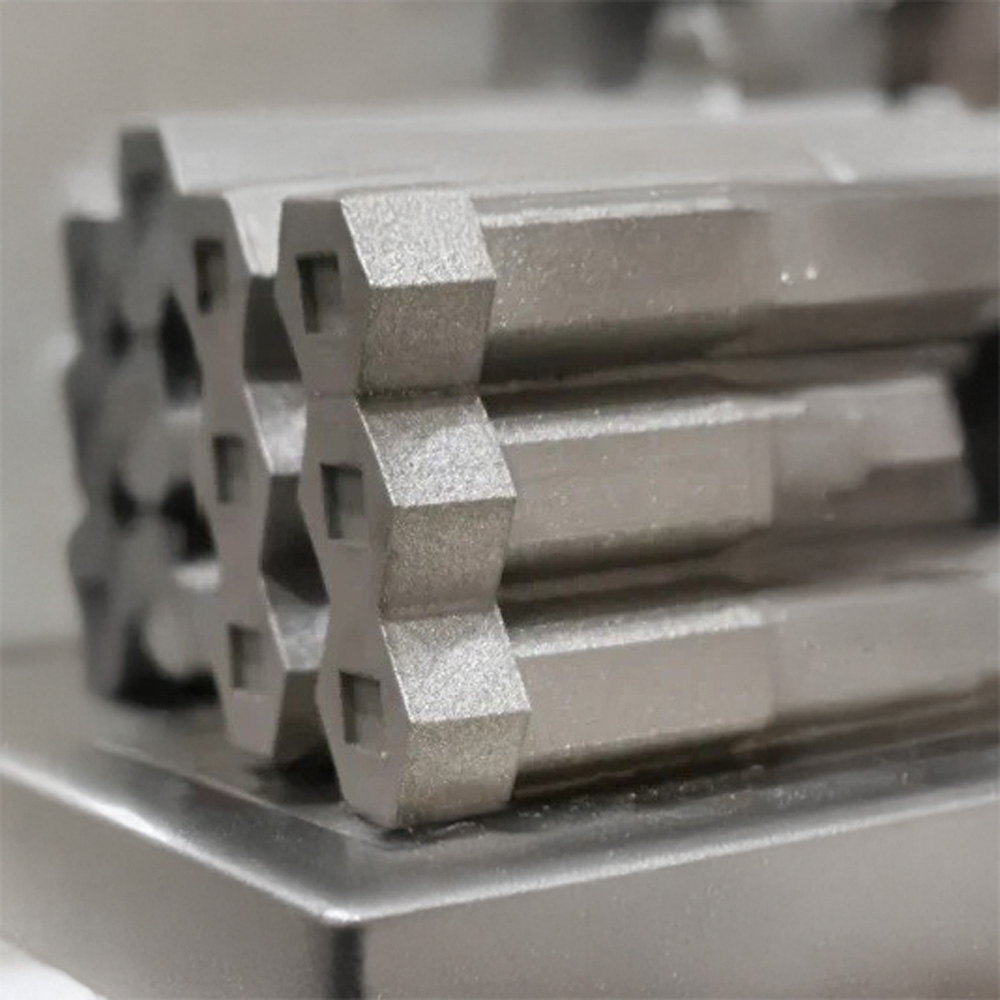
The most practical addition for production users may be the new stiffener function. These reinforcement structures hold thin-walled and large-surface parts steady through the build, countering the deformation that tends to appear on those geometries. Lattice generation has been extended too, with designs adaptable to part geometry and functional requirements for material savings and lightweighting.
Further Information
CoreTechnologie at Formnext 2026: Hall 12.1, booth C82