
Reading time: 2 minutes
Text: Thomas Masuch
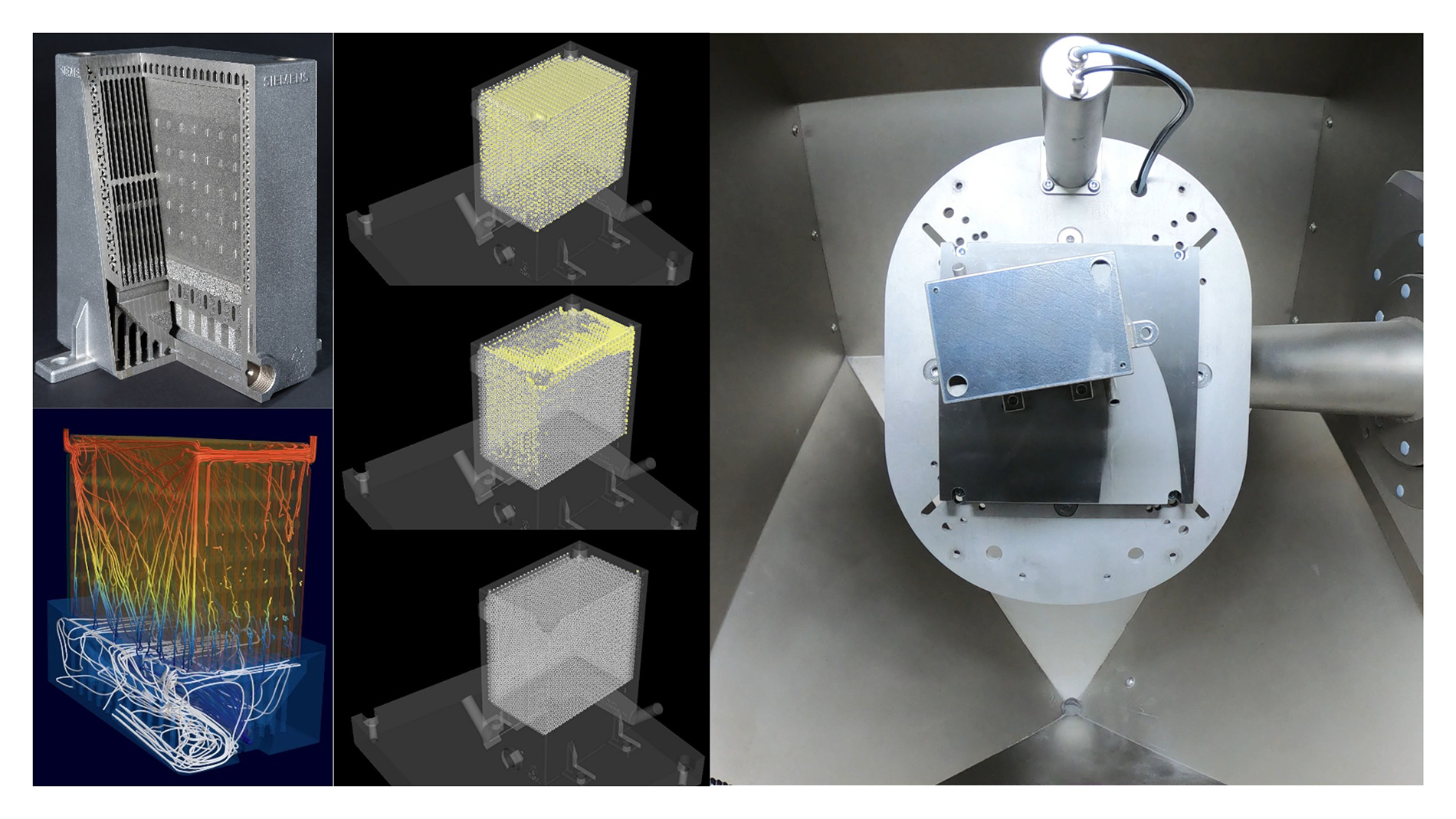
SPR-Pathfinder Pro was developed in response to the growing complexity of industrial 3D-printed components and, according to Solukon, improves simulation resolution, process time prediction, and the validation of the depowdering process during the design phase.
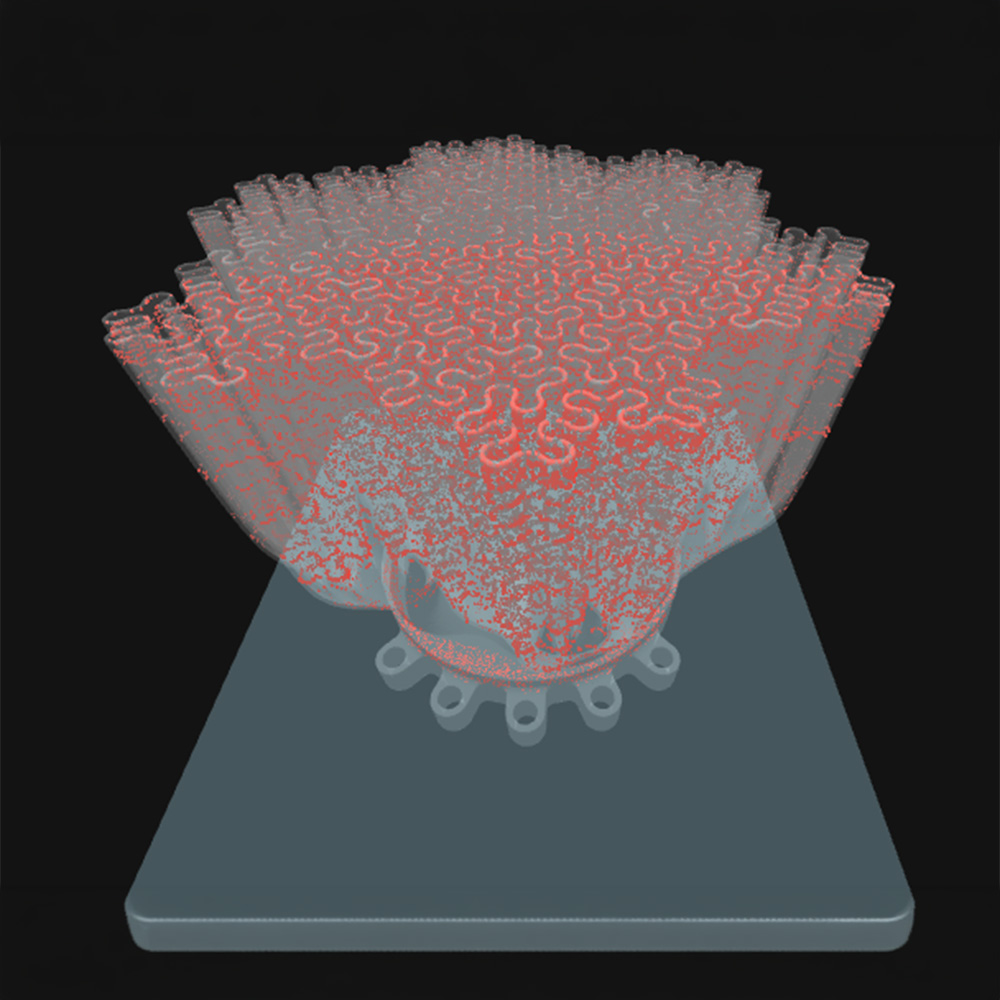
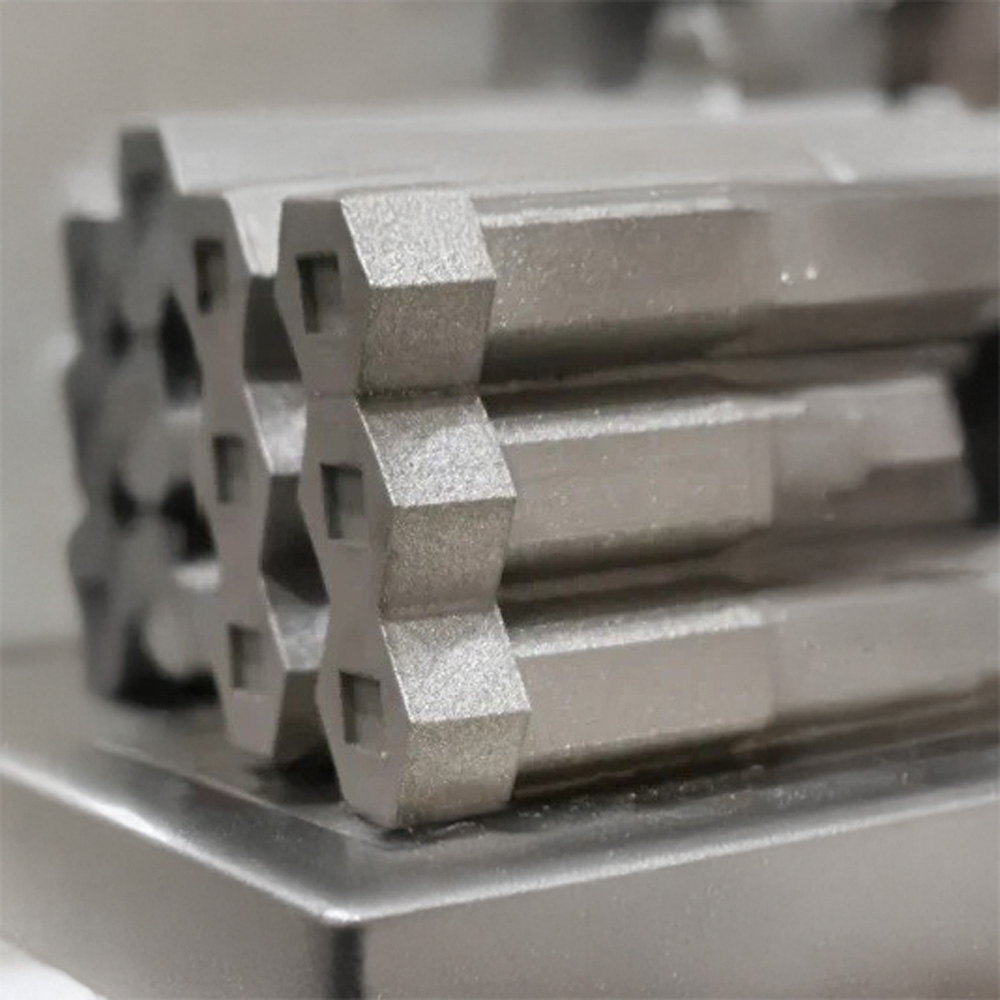
As LPBF geometries become increasingly complex, powder removal is emerging as a limiting factor for industrial adoption, according to Solukon. “Parts only create added value when powder can be removed reliably and repeatedly.” Product Owner Hemank Raj explains that geometries like ultra-complex heat exchangers and multi-channel aerospace structures require a very high simulation resolution to achieve reliable depowdering. For this reason, the previous limit of 2.4 million voxels has been removed, and the maximum number of voxels is now unlimited.
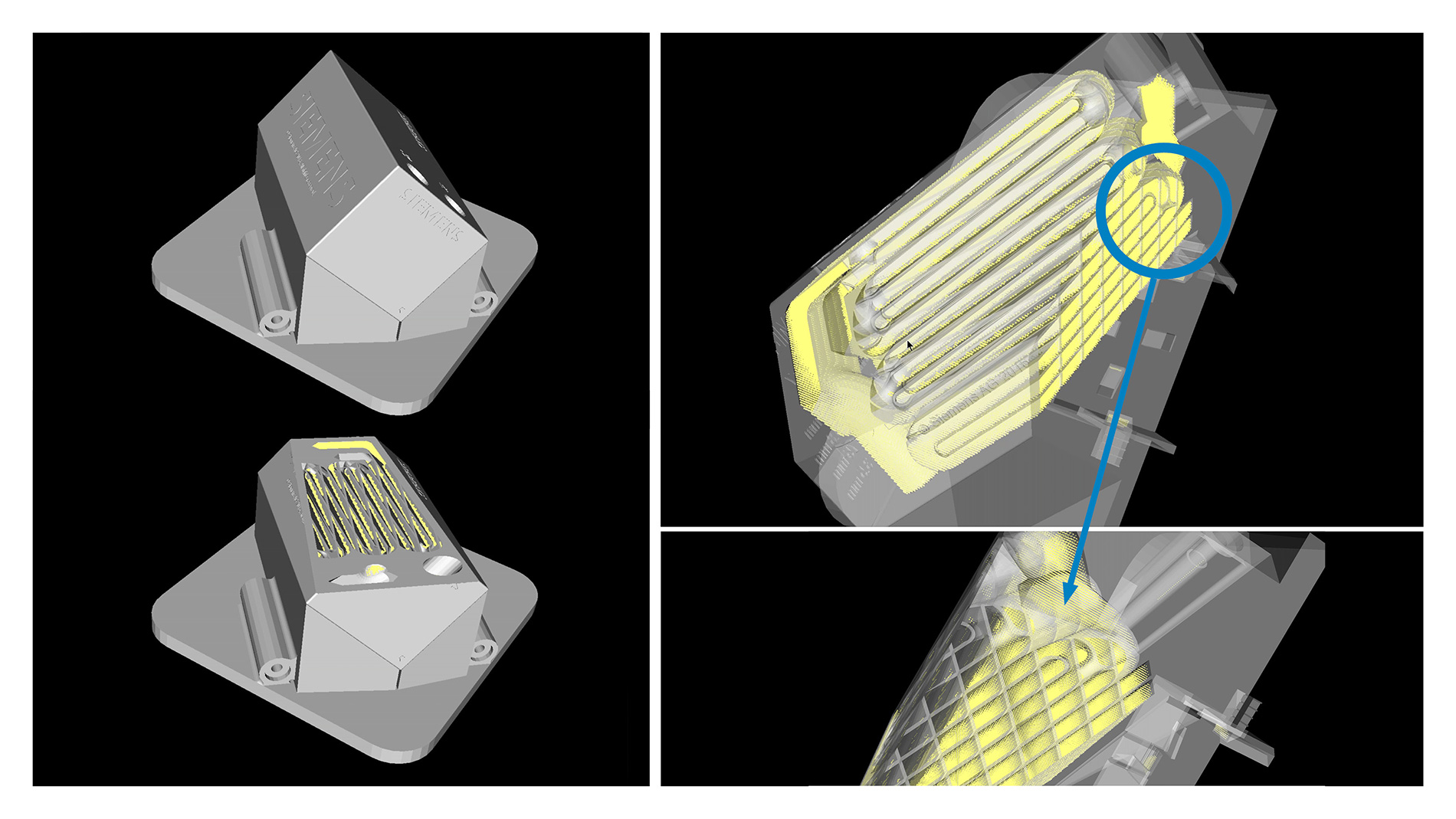
At the same time, Solukon aims to expand Design for Additive Manufacturing (DfAM) to include “Design for Depowdering,” ensuring that considerations regarding whether powder can reliably drain from a component’s internal structures are addressed as early as the design phase. To this end, the software provides cross-sectional views of the component in all planes (X, Y, and Z), giving users a complete view of the component’s interior. The transparency of the component can be adjusted in fine increments, allowing users to identify powder traps and bottlenecks. To better integrate depowdering into the industrial production process, the software also provides precise time estimates for the simulation and the depowdering process in a Solukon system.