
Reading time: 2 minutes
Text: Thomas Masuch
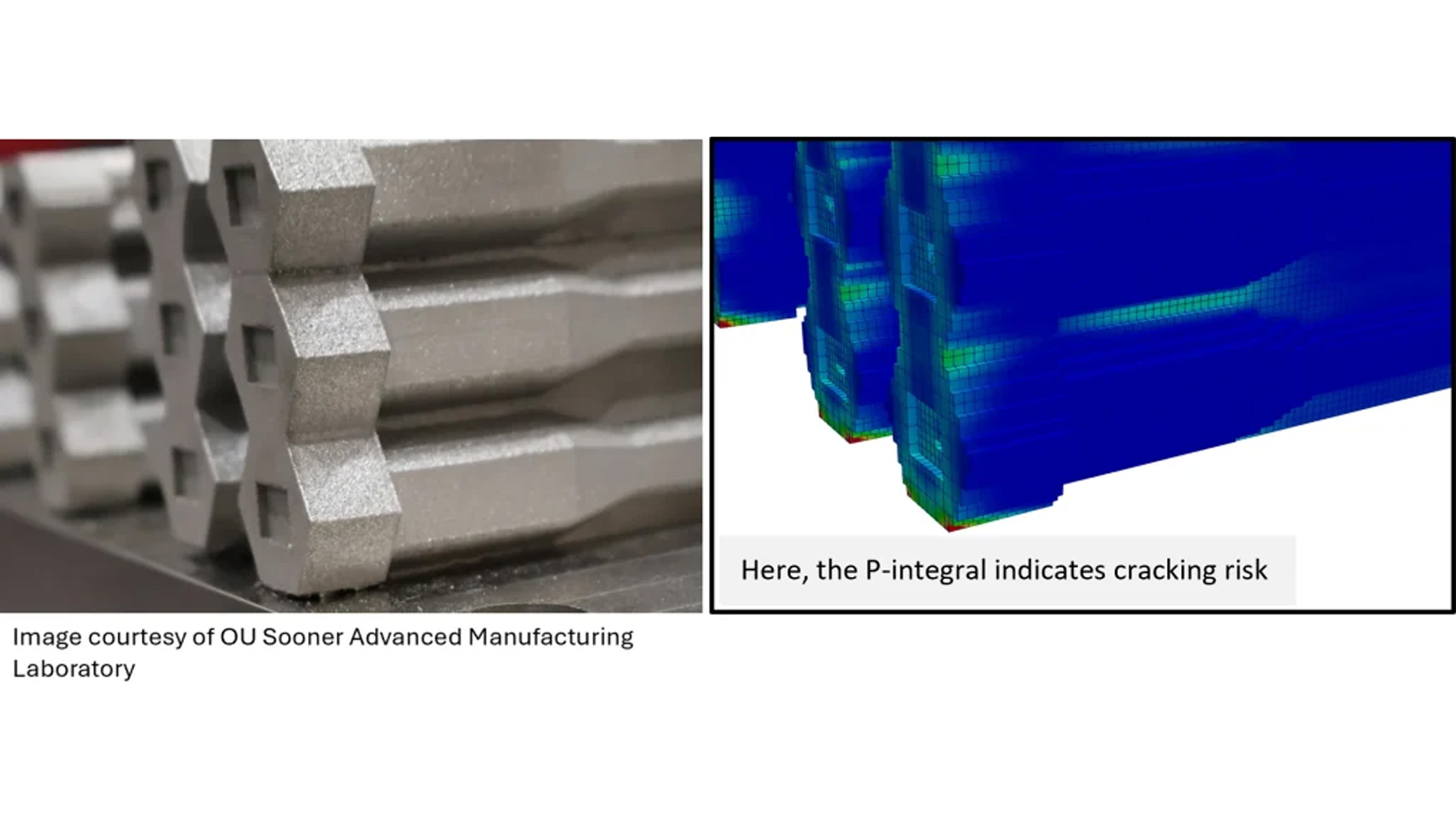
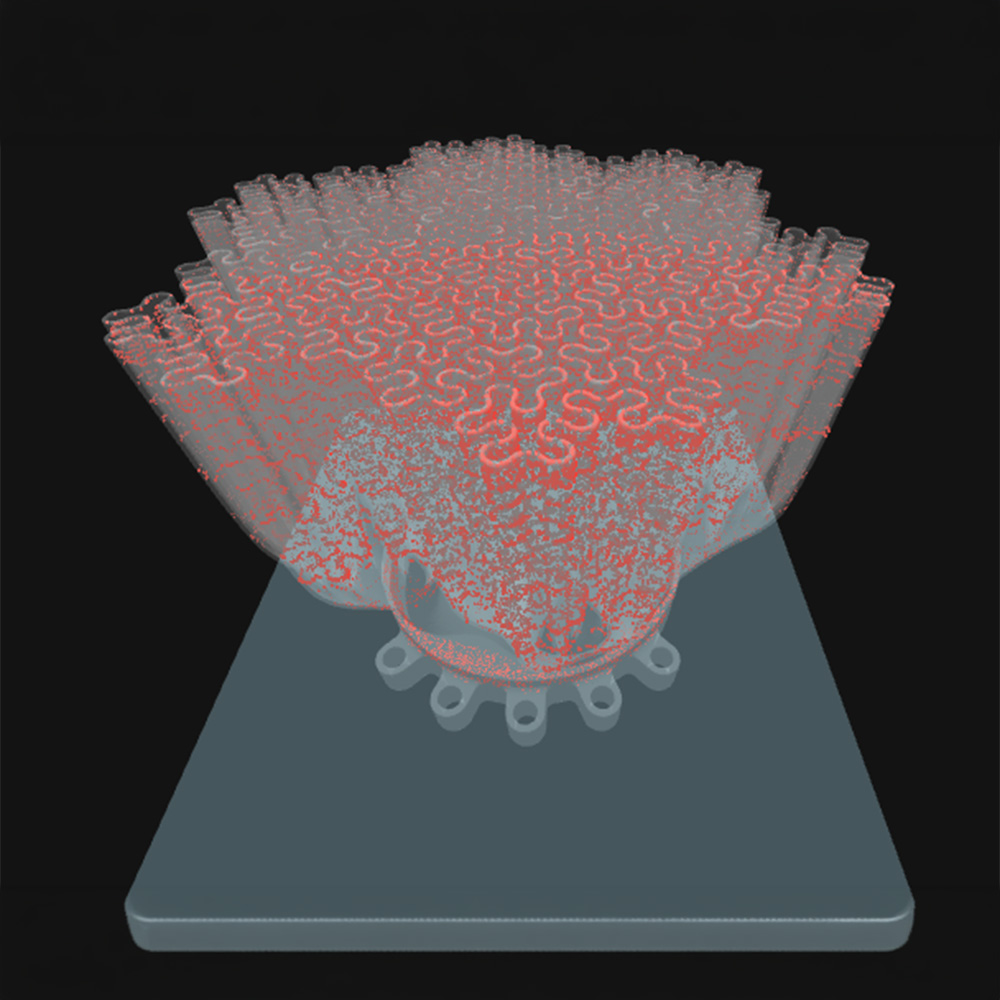
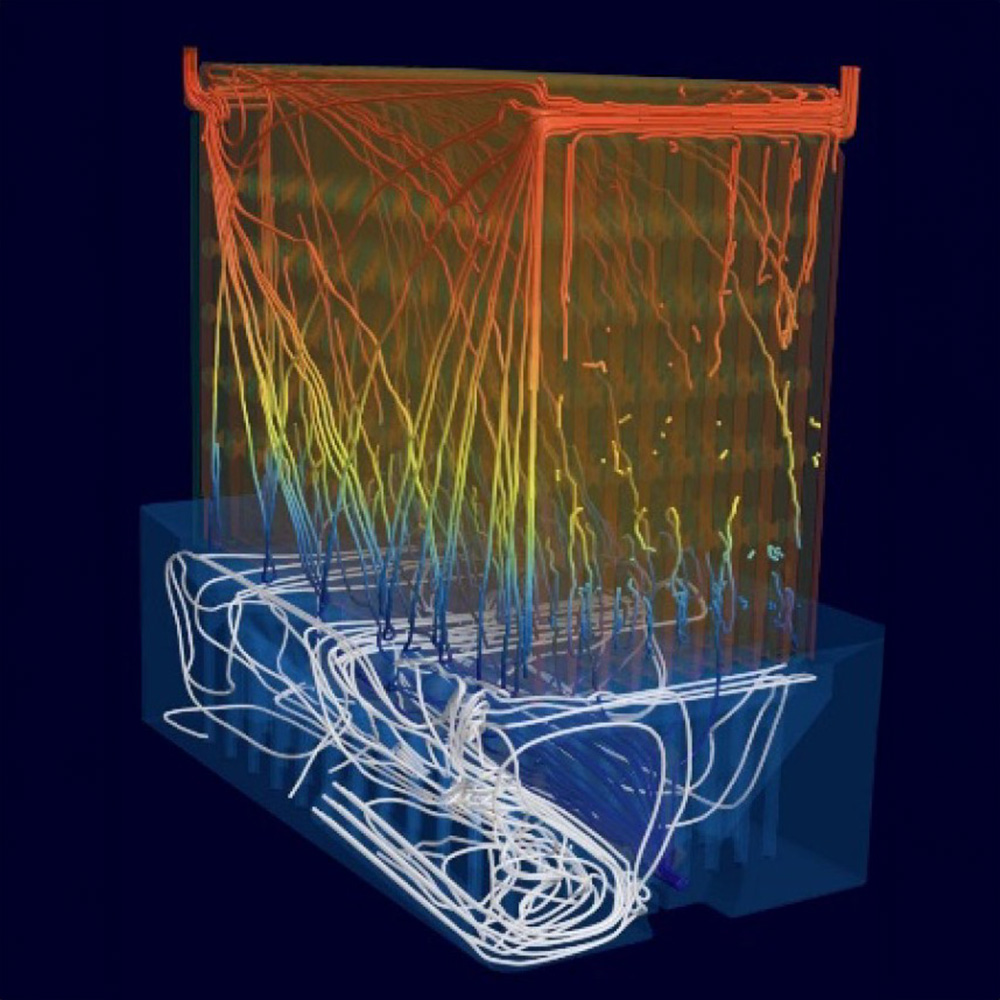
According to the study, the software can accurately predict thermal histories and mechanical distortions throughout the build process. As Additive Manufacturing continues to move in the direction of industrial-scale production, the demand for advanced simulation tools is growing, according to Pennsylvania-based PanOptimization. In highly regulated industries such as aerospace, defence and energy, digital twins could help assess builds before production, predict part distortion and reduce the effort required for qualification and certification.
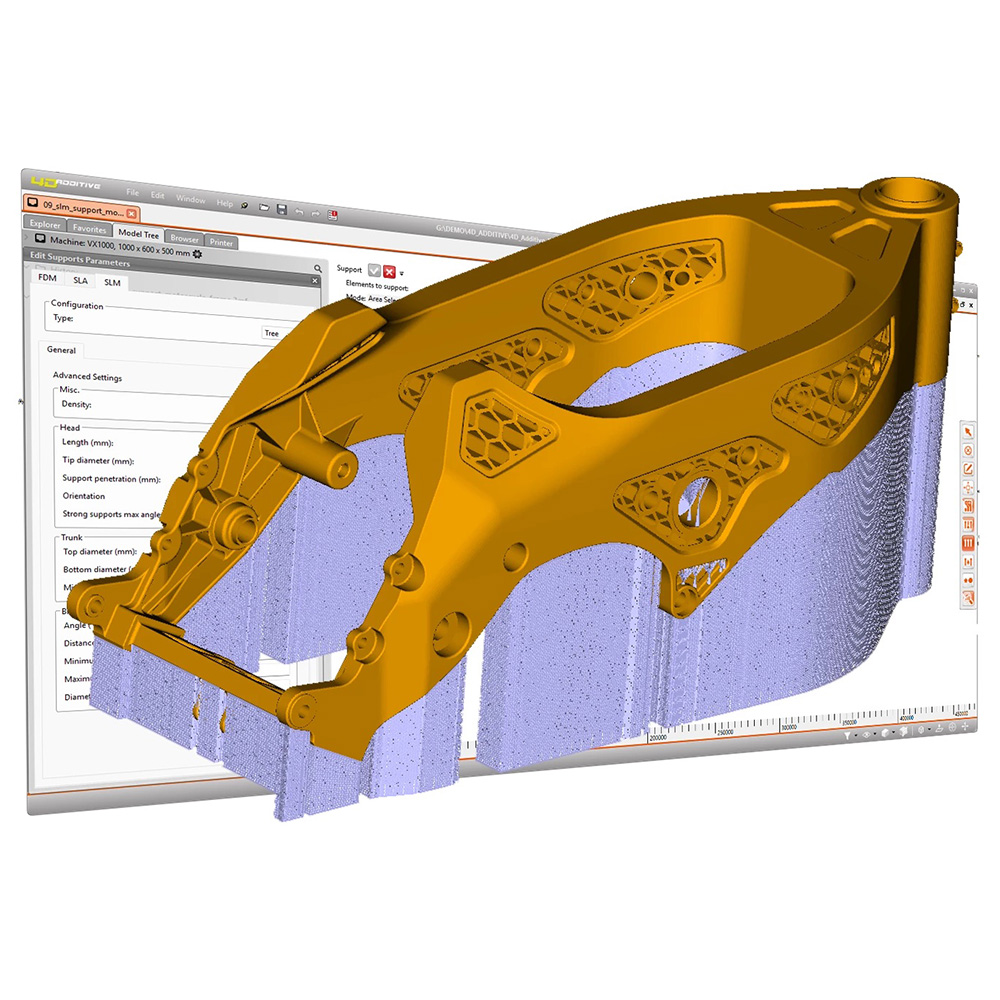
According to PanOptimization, PanX can simulate entire build volumes while accounting for the thermal and mechanical interactions between multiple parts on the build plate. At the same time, however, the study notes that the predictive accuracy could be improved even further. The evaluation did not include actual machine process timing or layer-by-layer energy input, both of which influence the simulation results. The authors suggest that incorporating these process parameters would further enhance the accuracy of predictions.
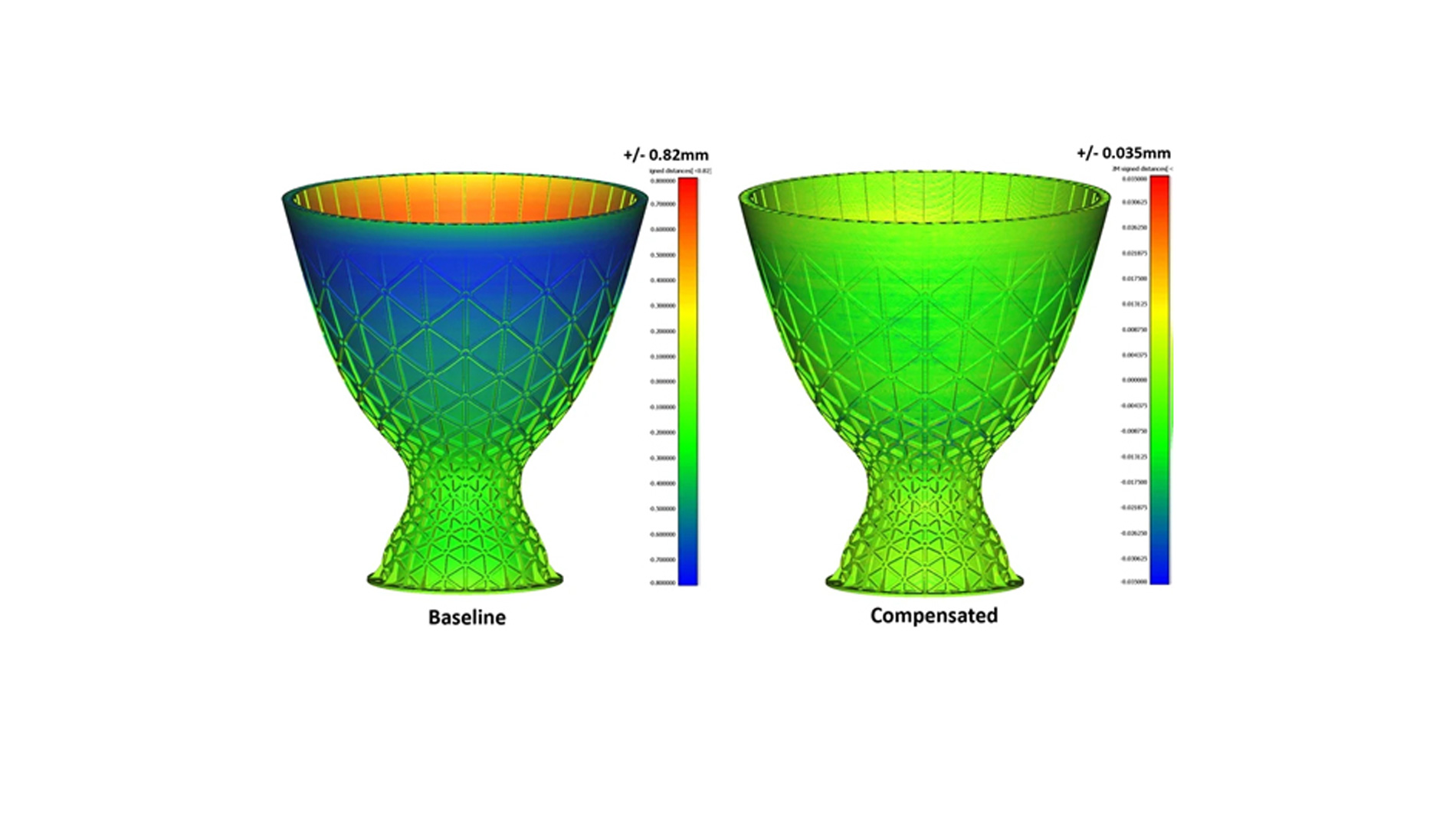
According to PanOptimization, physics-based simulation models are becoming a key enabling technology for industrial-scale Additive Manufacturing. By identifying potential issues before a build begins, they can potentially reduce the need for costly trial builds and improve the reliability of production processes.