Reading time: 5 minutes
Text: Thomas Masuch
CR-3D: Modular design for automated manufacturing
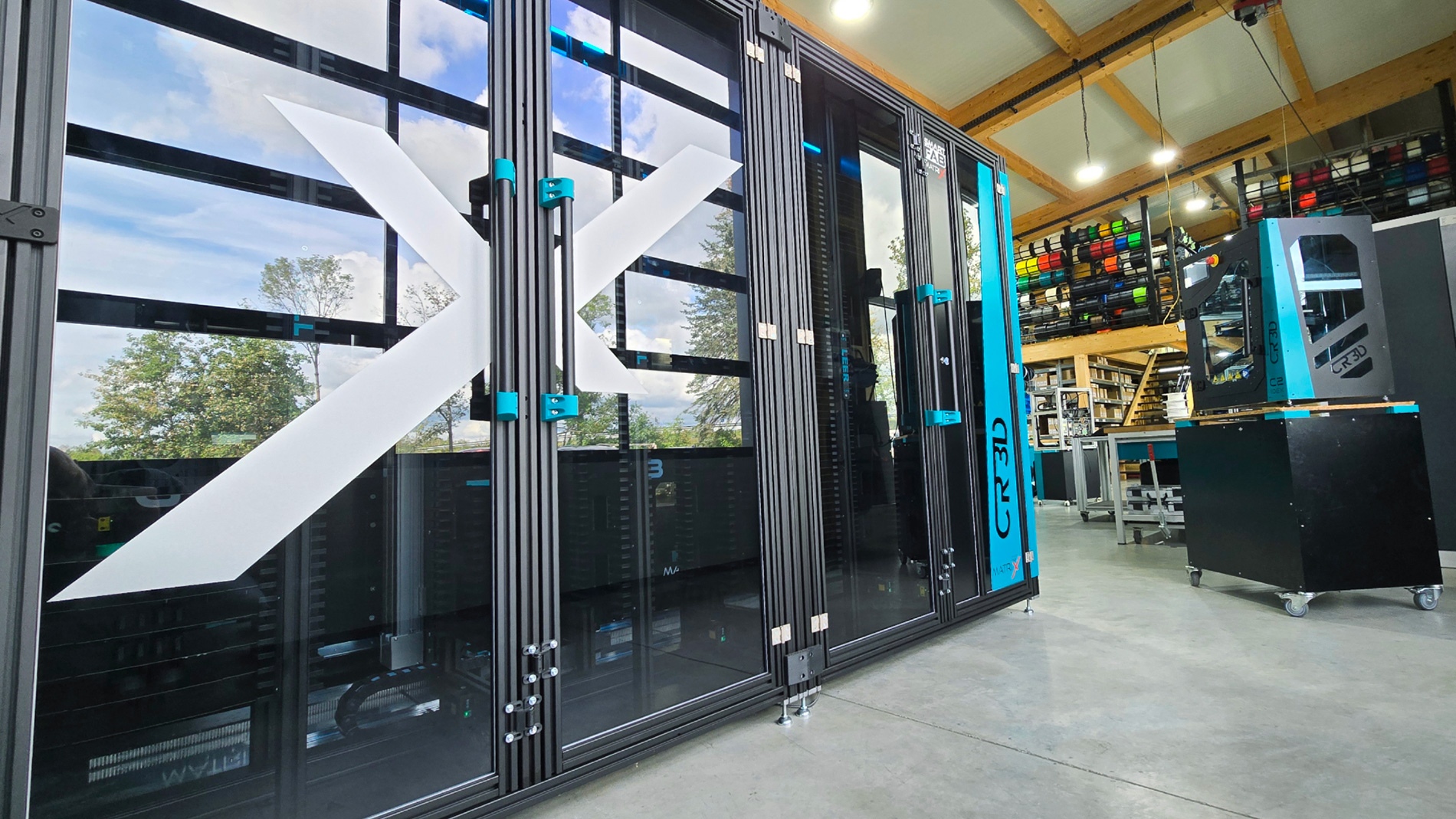
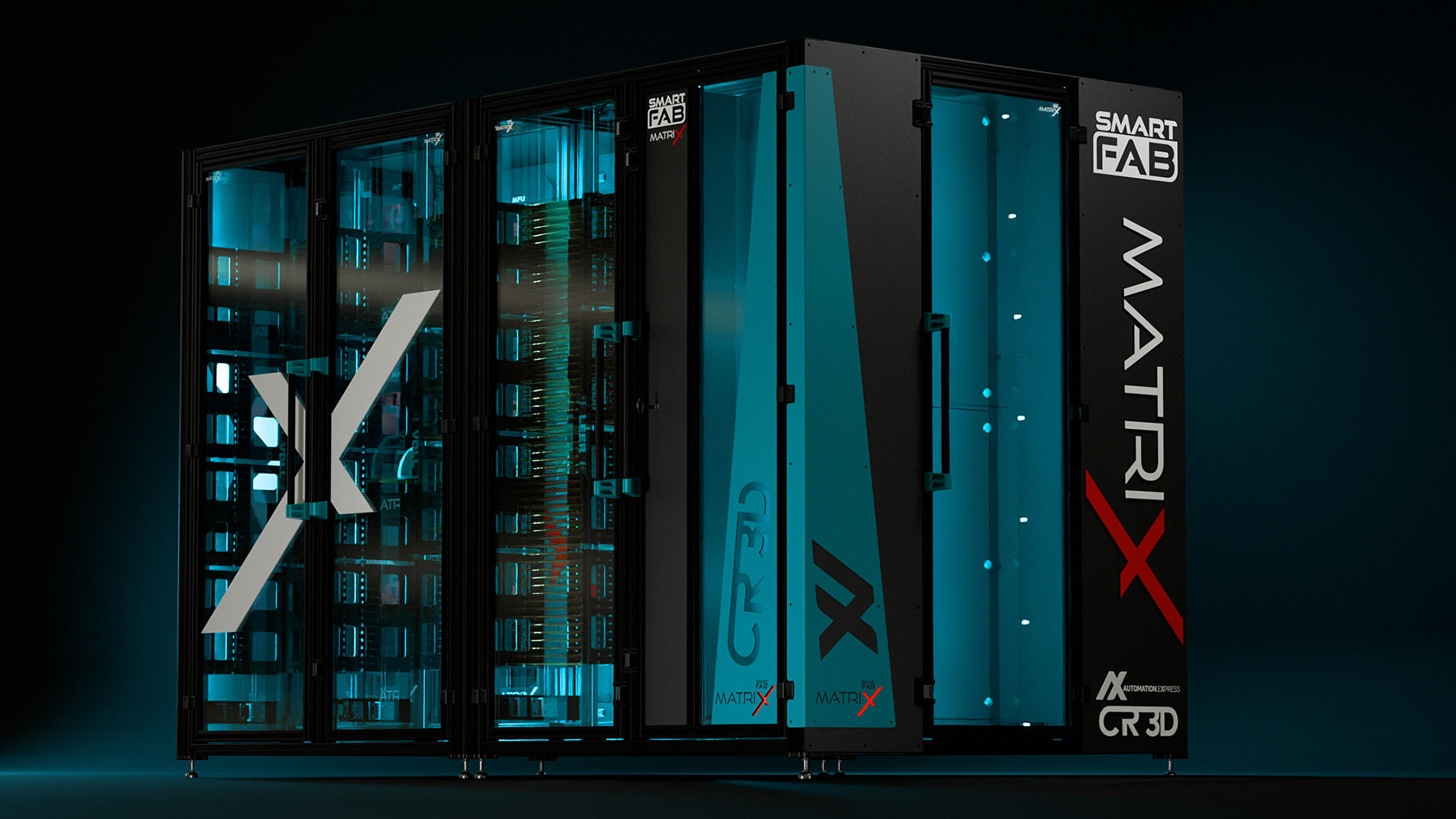
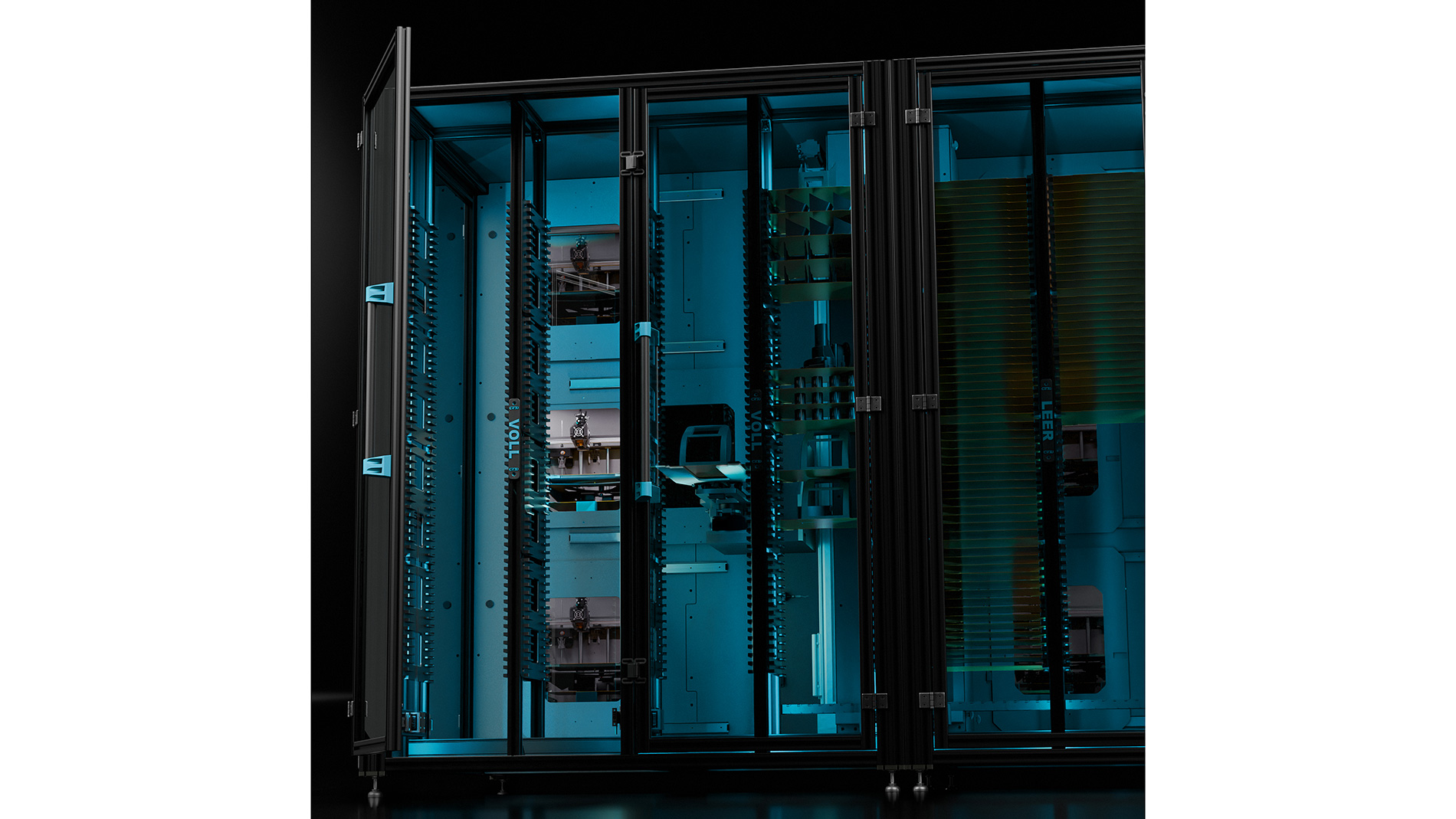
It’s 3:00 a.m. and the production floor is empty. Nevertheless, the SmartFAB MatriX is working through its job schedule. It starts the next print, changes the build plate in about two minutes, places the finished part in the output magazine, and pulls the next job from the queue. By morning, the batch scheduled during the day shift has been completed. CR-3D will demonstrate this process live at its booth at Formnext 2026, from print start to automatic part removal. The MatriX Cockpit is designed to address this challenge by providing a shared interface for all printing units within a production cell. Jobs can be scheduled using timeline, calendar or list views. The build plate magazine is visible in real time. The cell automatically assigns plates and materials and removes finished parts without operator intervention. Every print is logged, down to the individual unit and parameter set used, which supports batch traceability. For more than a decade, CR-3D has been developing industrial 3D printing systems for specific applications, with expertise spanning mechanics, electronics, firmware, slicers and filament development. The SmartFAB MatriX is designed for engineering materials. Each printing unit features a closed, heated build chamber and supports nozzle temperatures of up to 350 °C. Beyond standard plastics, it easily handles ABS, ASA, polyamides and fibre-reinforced filaments.
CR-3D at Formnext 2026: Hall 12.1, Booth E131
Anabolic Mechanics: Faster production of stronger parts
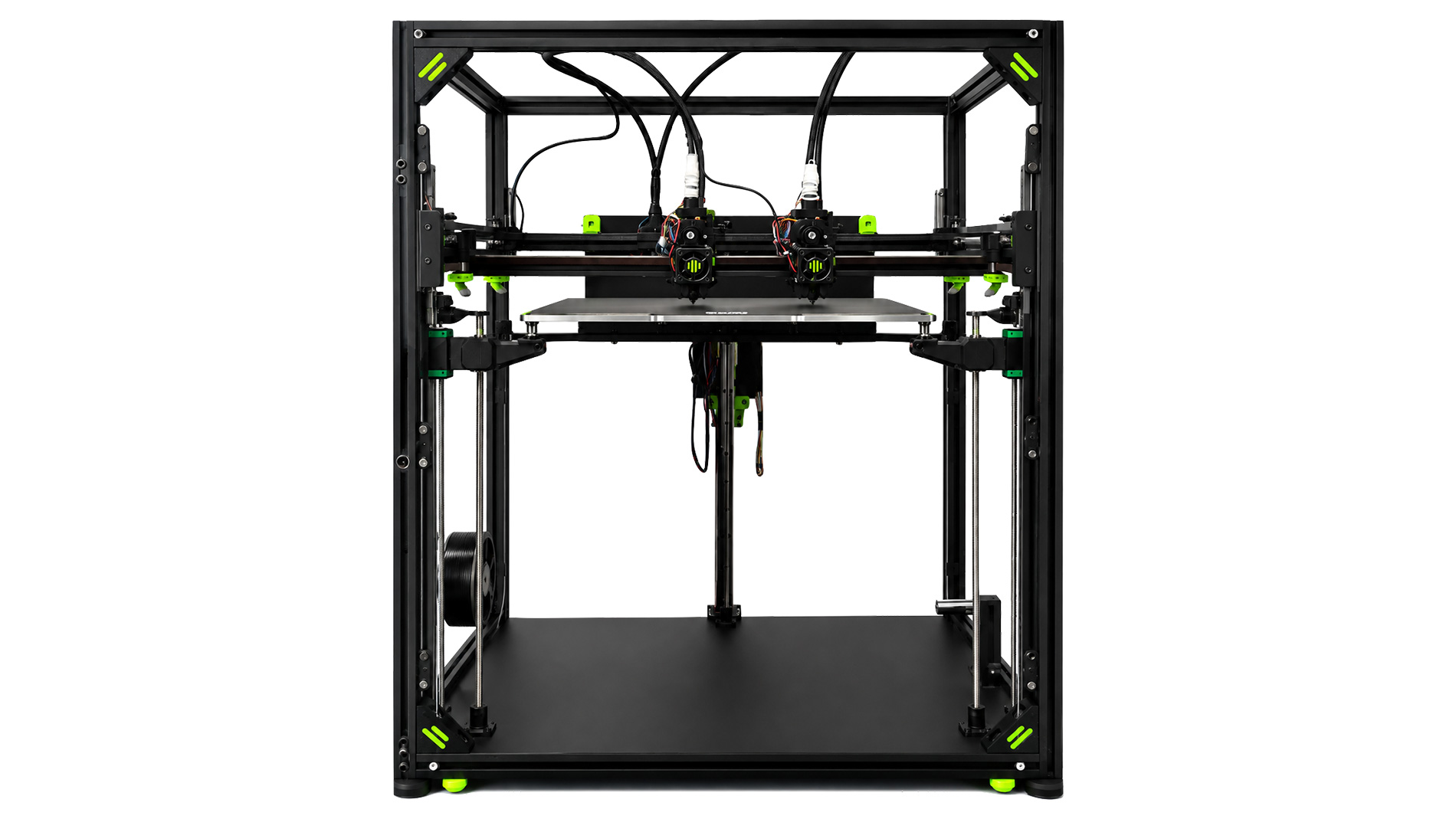
Qatar-based Anabolic Mechanics offers a combined hardware and software 3D printing solution engineered to drastically increase build speeds. The company will demonstrate this technology live at Formnext 2026 using its Anabolic DualCore FDM IDEX 3D printer. Its dual-simultaneous printing system allows two independent toolheads to operate on the same component concurrently. While one toolhead prints the fine outer perimeters, both contribute to filling the interior. This enables visible surfaces to be produced with finer layer heights for a clean surface finish, while internal regions are printed using thicker layer heights to decrease print time. According to the company, this technique significantly increases printing speeds while enhancing part durability. The software also uses “Overflow Anchor Seeding” to create internal cavities that are filled in a continuous overflow process, forming solid internal anchor points intended to increase part durability with no visible impact on the outer surface.
Anabolic Mechanics at Formnext 2026: Hall 11.0, Booth D62A
Raise3D: Large-format printing with high volumetric flow rates
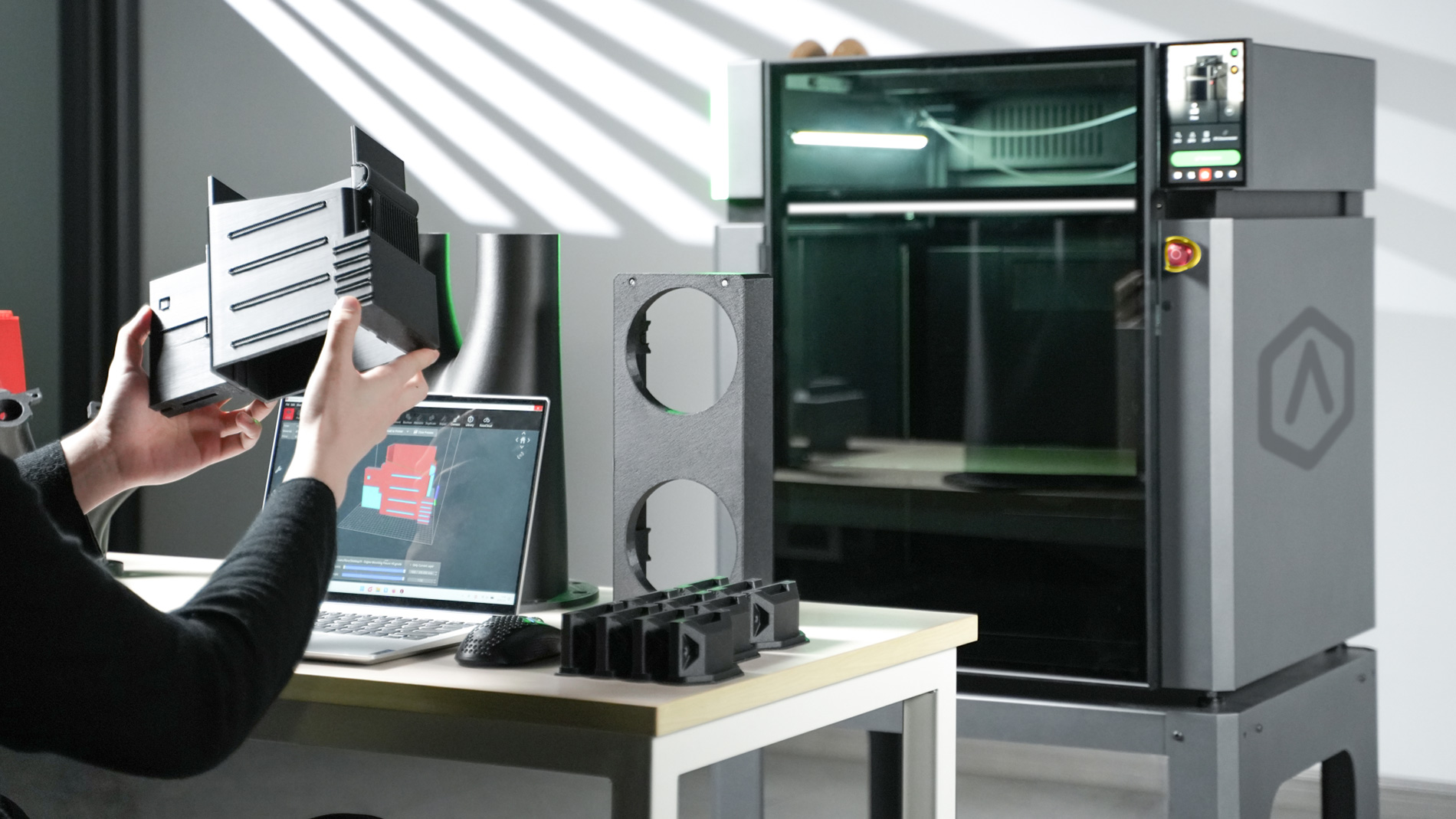
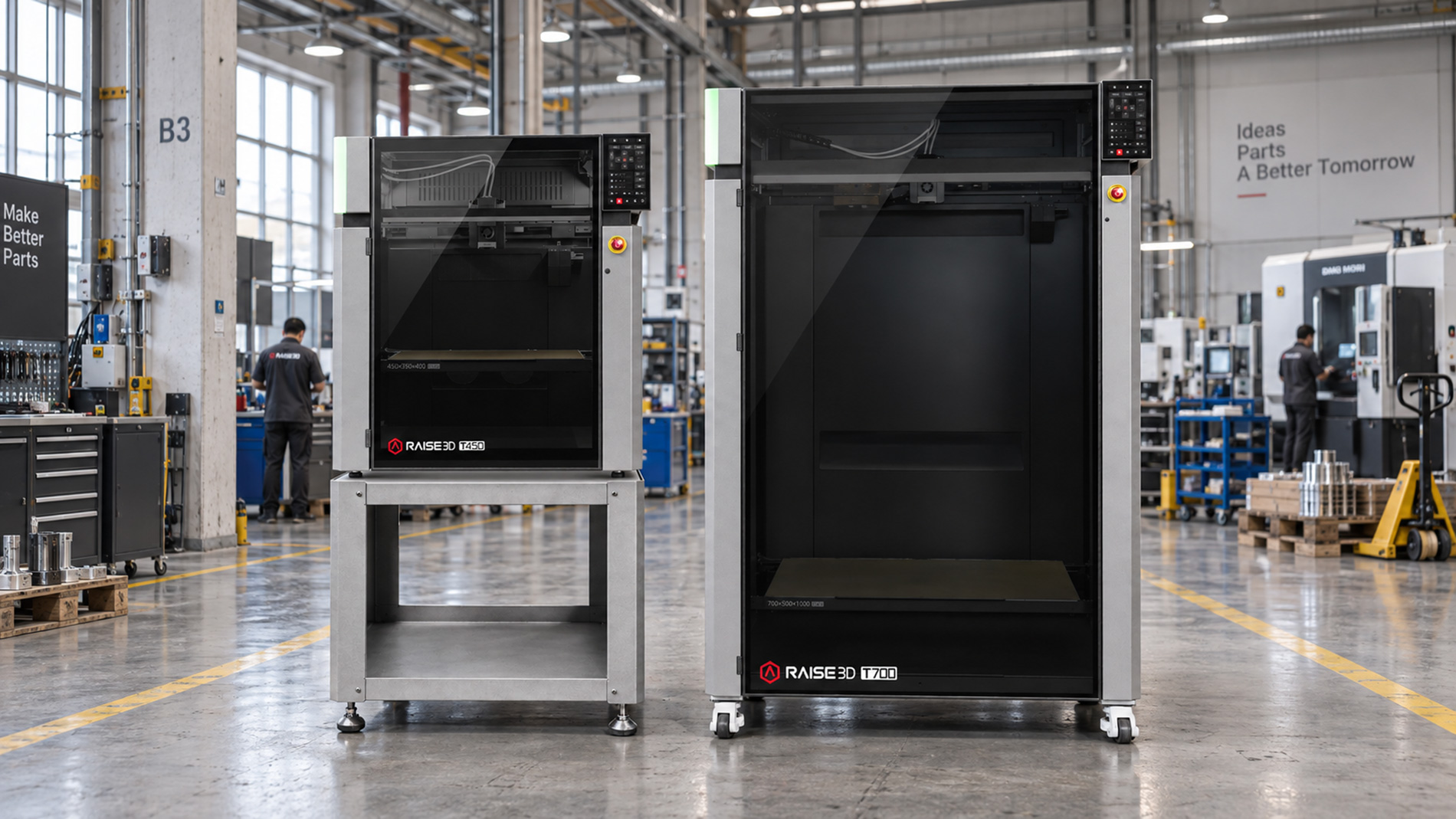
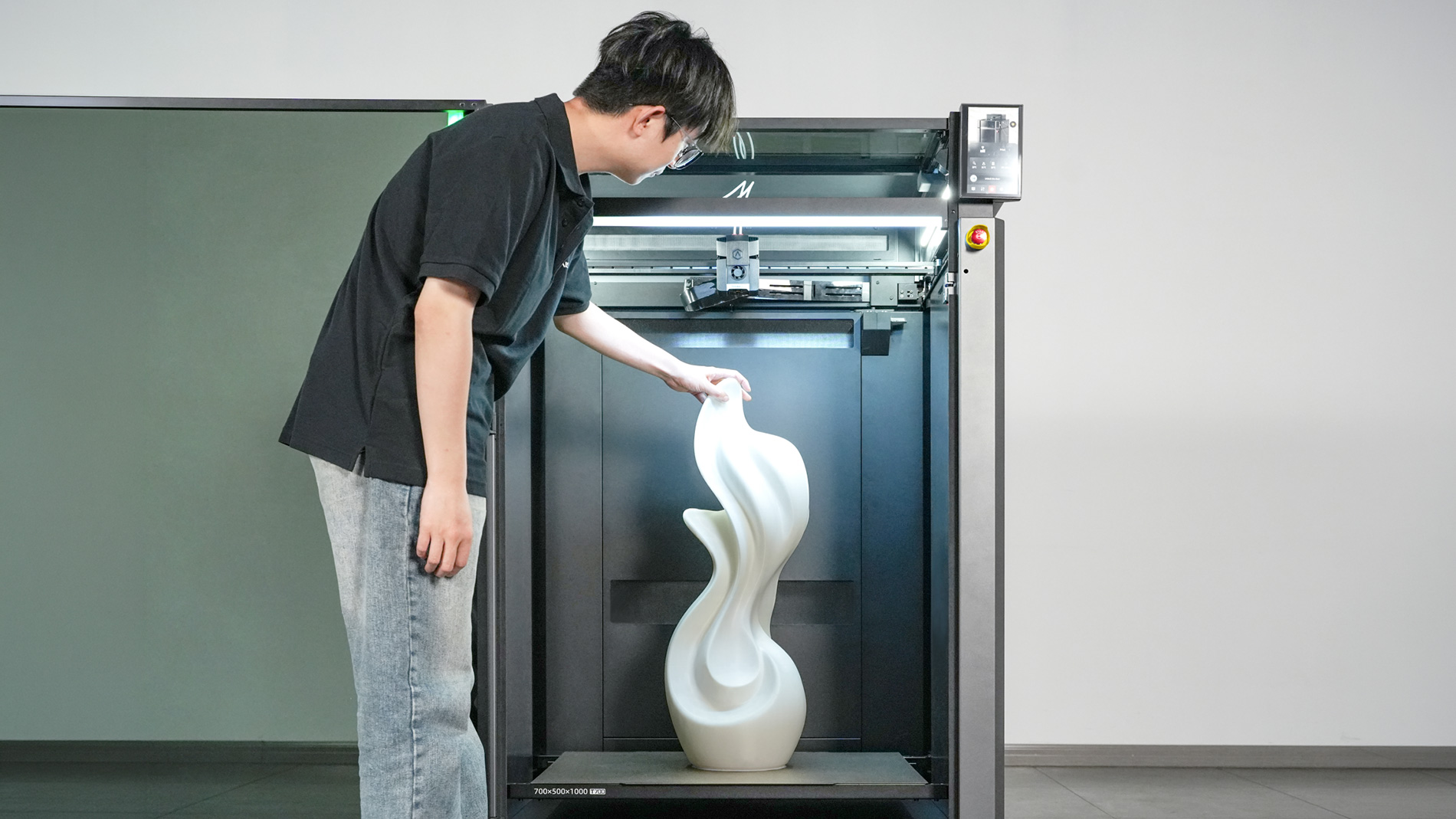
US-based company Raise3D will present the two initial models of the Raise3D T Series, a new family of industrial large-format FFF 3D printers. The T450 offers a 450 × 350 × 400 mm build volume, while the T700 extends this to 700 × 500 × 1,000 mm. Both systems combine 4MD CoreXY high-speed motion control, TwinFlow high-flow extrusion, an actively heated chamber and intelligent monitoring functions within a production-focused platform. TwinFlow technology uses two filament feeds to supply a single nozzle, increasing material throughput for large-format printing. Under specified test conditions, the T Series achieves volumetric flow rates of up to 80 mm³/s and print speeds of up to 700 mm/s. The T Series combines 4MD CoreXY motion control with Pressure Advance technology to reduce vibration, ringing and the risk of layer shifting. An additional benefit is improved extrusion consistency during rapid speed changes, limiting defects such as corner bulging and uneven flow. Supported materials include ABS, ASA and TPU, alongside fibre-reinforced polymers such as PET CF, PPA CF and PPS CF.
Raise3D at Formnext 2026: Hall 12.1, Booth D21
Peopoly: High throughput and cleaner travel moves
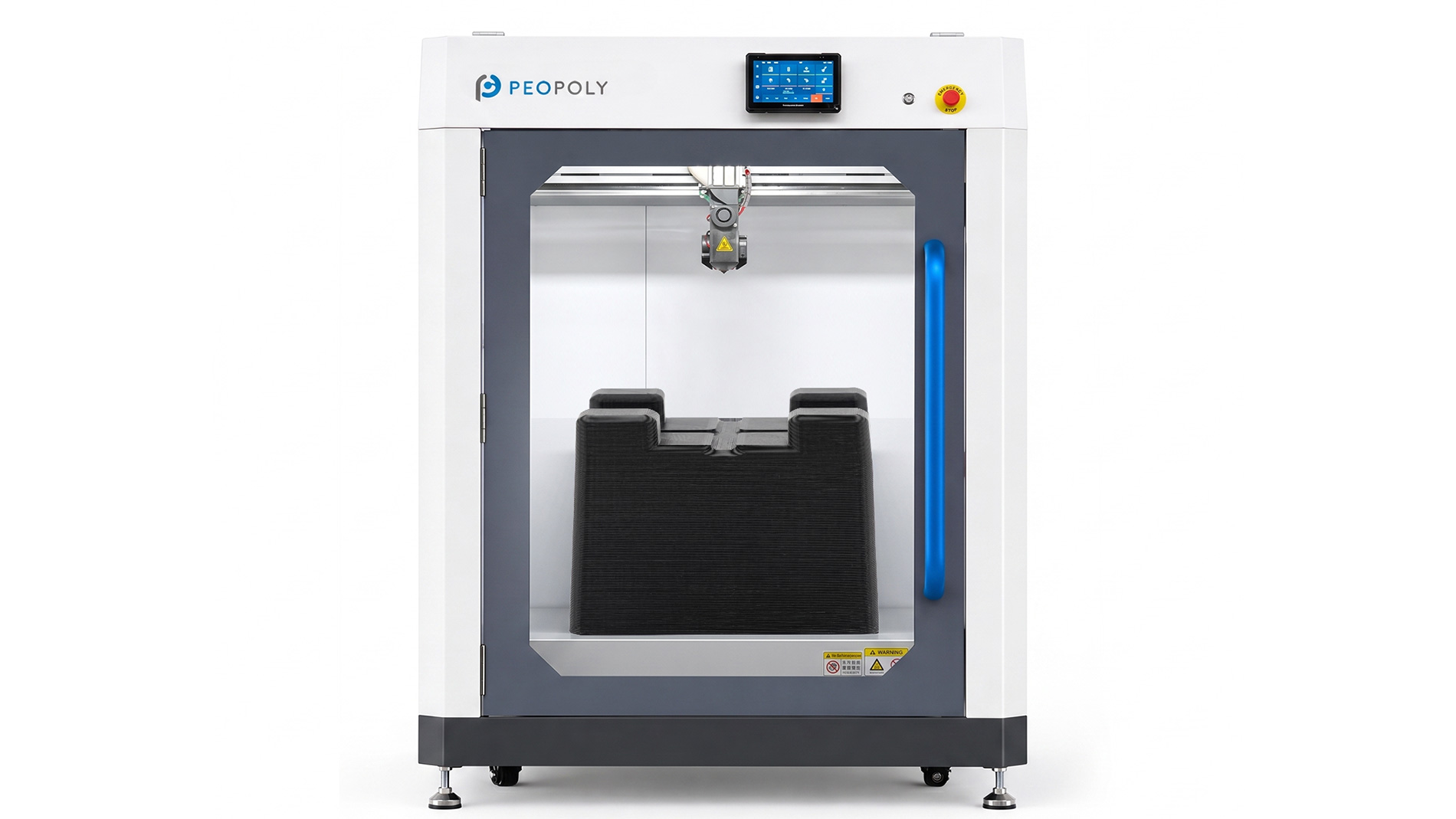
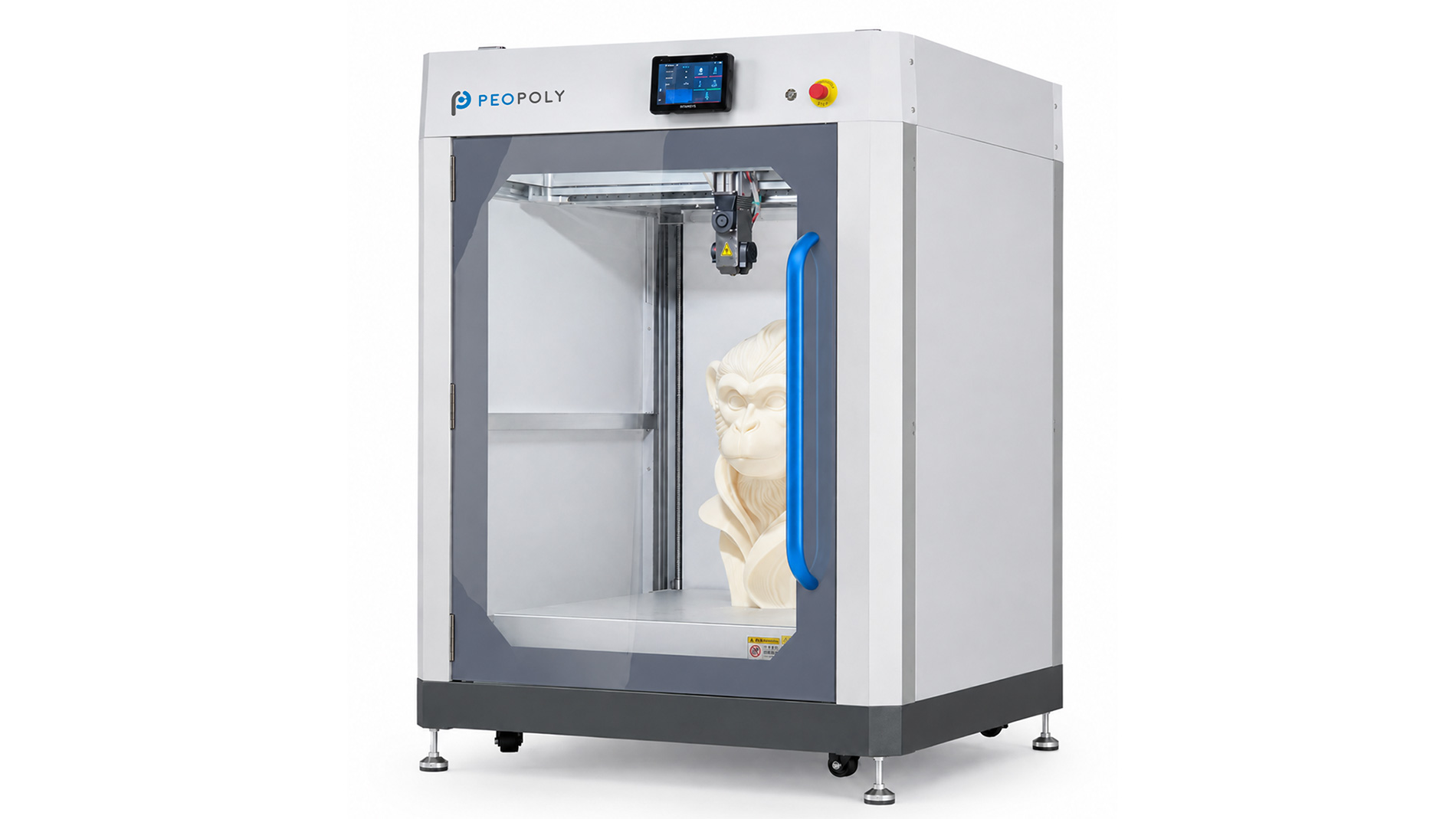
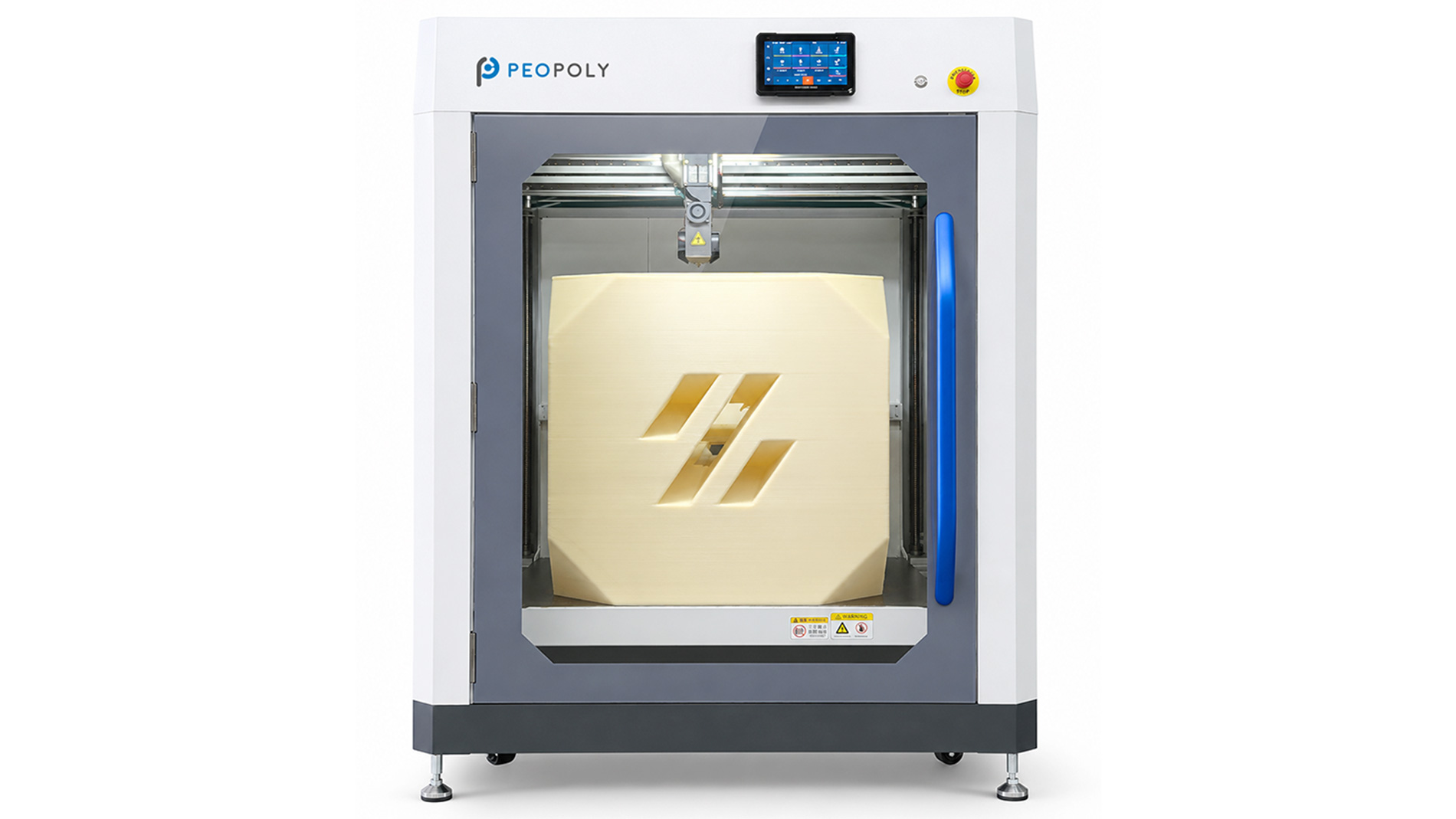
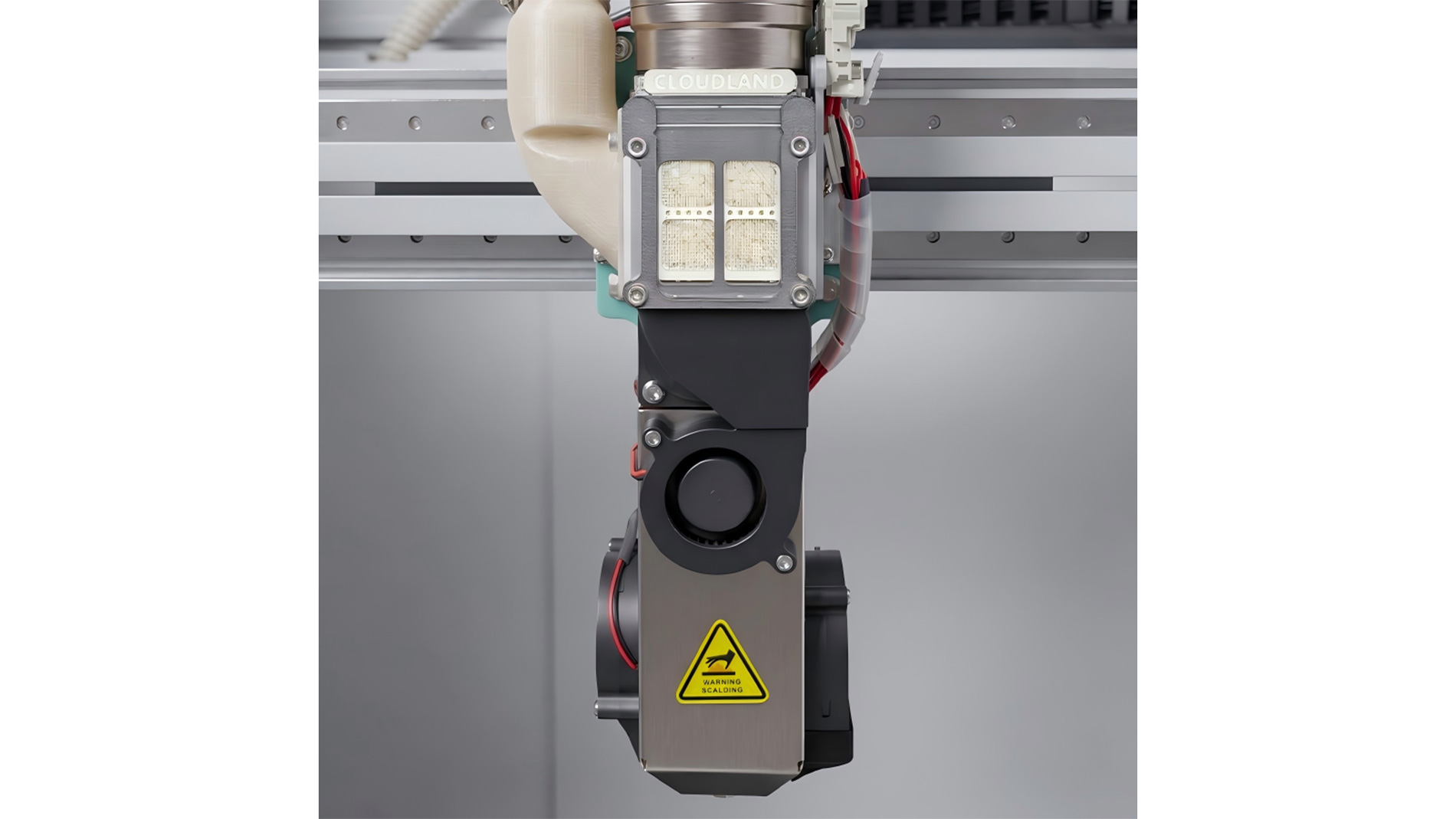
At this year’s Formext, Hong Kong-based 3D printing specialist Peopoly (founded in 2017) will present the new Giga 800, a printer based on fused granulate fabrication (FGF) technology and featuring a build volume of 800 × 800 × 800 mm. The printer’s dual-zone screw extruder provides a maximum material throughput of 3 kg/h and supports a wide variety of materials, ranging from soft elastomers to rigid, fibre-reinforced compounds. The extruder incorporates true retraction functionality, while Klipper’s Pressure Advance technology compensates for melt pressure fluctuations during speed changes. According to Peopoly, this results in cleaner travel moves, sharper corners and more consistent seams directly from the printer, reducing post-processing requirements. This makes the printer particularly suitable for defence, aerospace and research and development environments where network-connected equipment may be restricted.
Peopoly at Formnext 2026: Hall 12.1, Booth A62