Reading time: 8 minutes
Text: Thomas Masuch
Lithoz: Higher light intensity and enhanced resolution
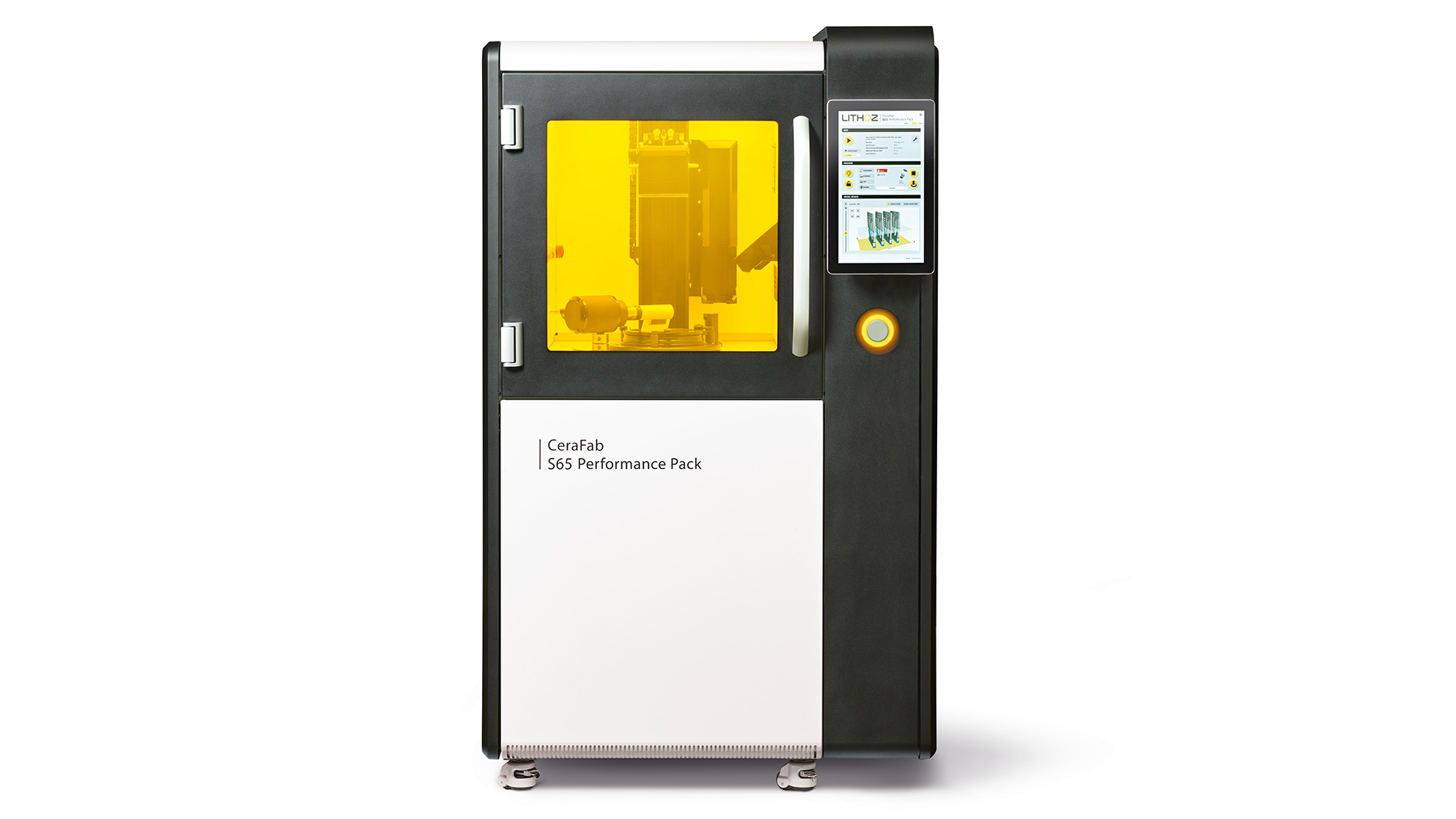
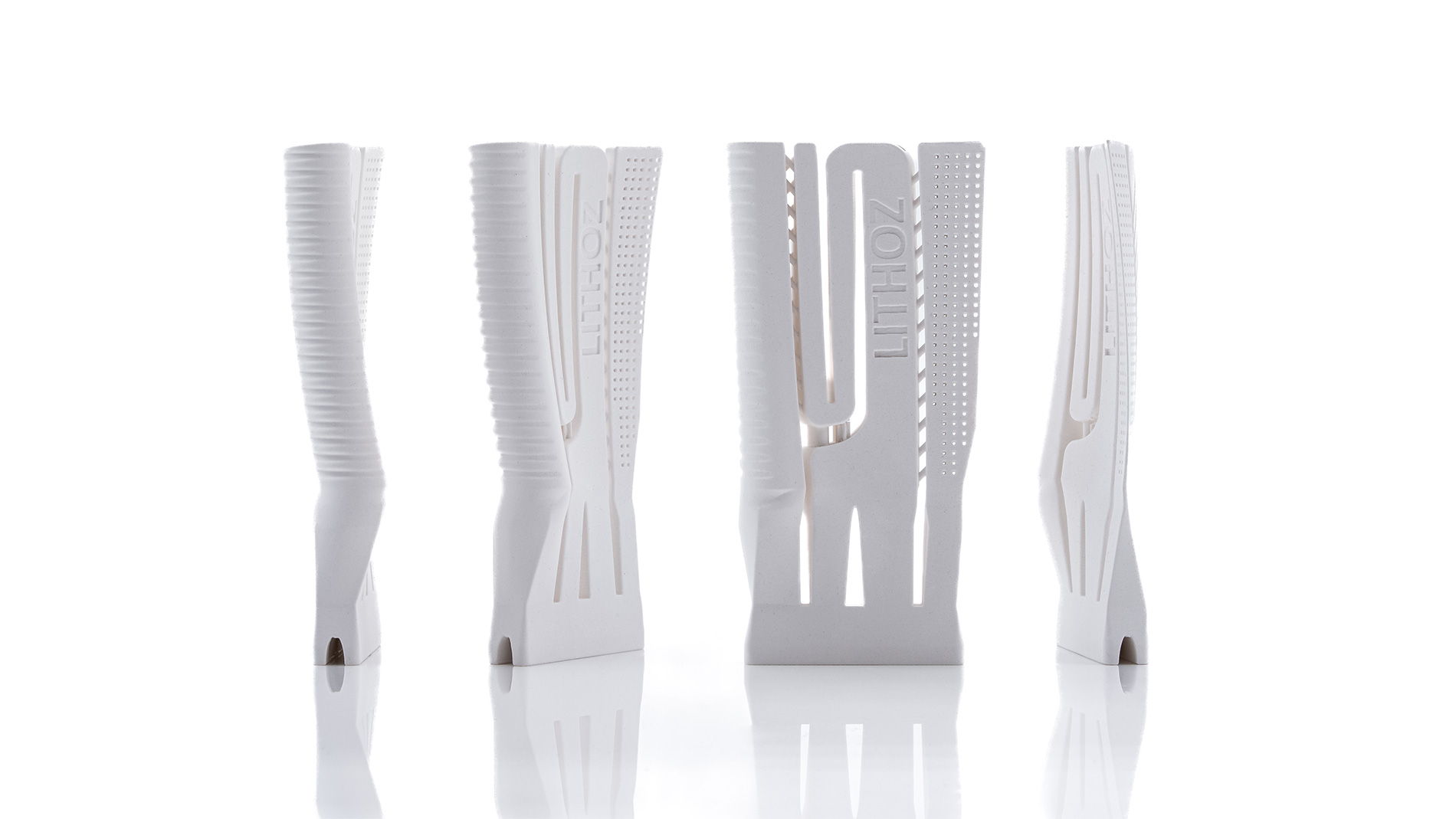
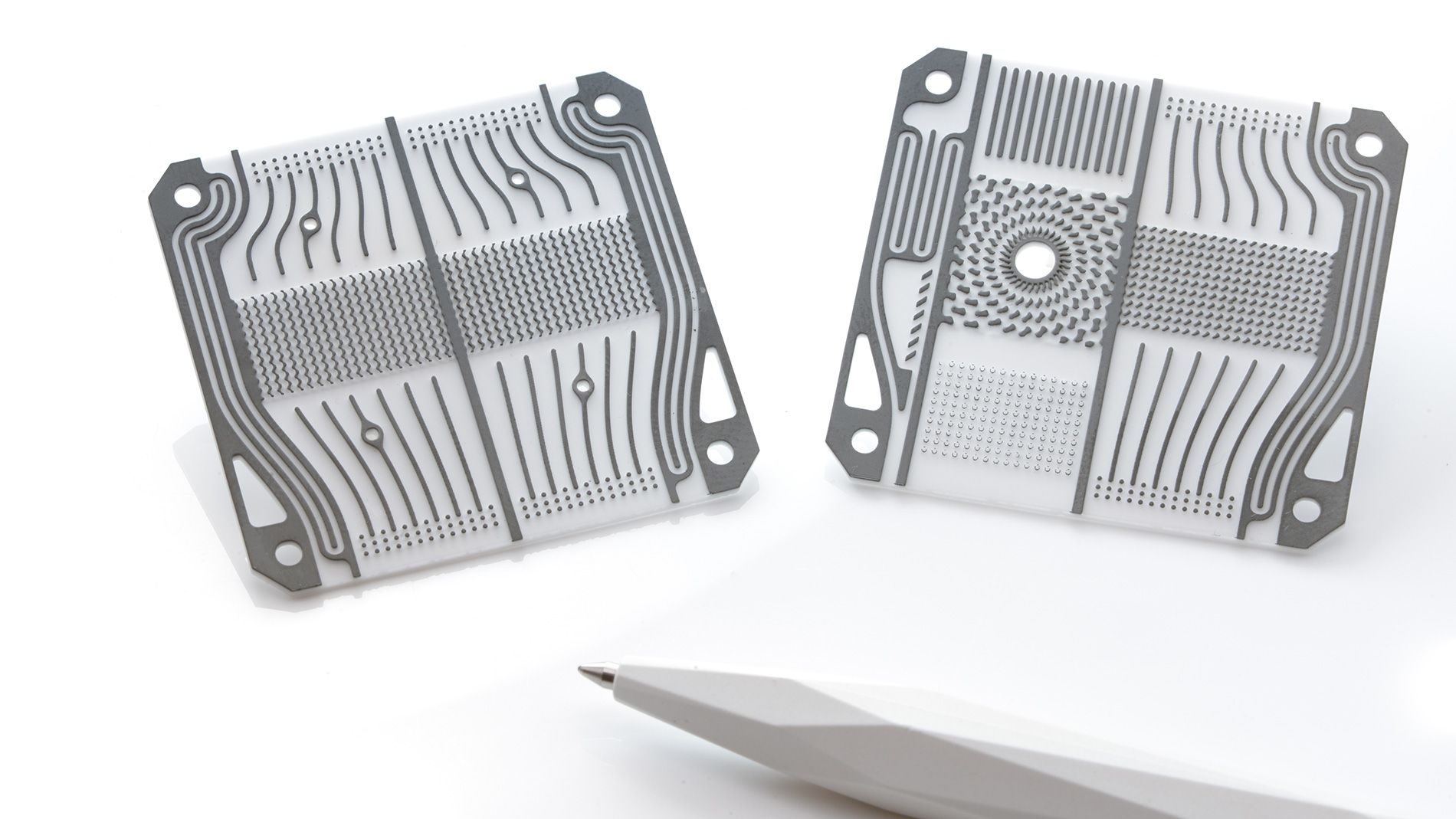
At this year’s Formnext, Lithoz will premiere its new Performance Pack for the CeraFab System printer range. Built around the latest 4K projection system, the tuning kit delivers a significant leap in both light intensity and resolution. Available for the CeraFab System S65, S65 Medical and the CeraFab Multi 2M30, the Performance Pack doubles light intensity from 60 mW/cm² to 120 mW/cm² while increasing optical resolution by 60%. On the S65, pixel resolution improves from 40 µm (635 dpi) to 25 µm (1016 dpi), making it ideal for demanding applications such as processing dark ceramic materials. In addition to the Performance Pack, Lithoz will showcase a range of new industrial applications, including various cool plates made of aluminium nitride and alumina with a molybdenum-manganese metallisation. Alongside a new zirconia colour range, demonstrated on watch bezels, visitors will also have the opportunity to see hydroxyapatite spinal cages.
Lithoz at Formnext 2026: Hall 11.0, Booth B50
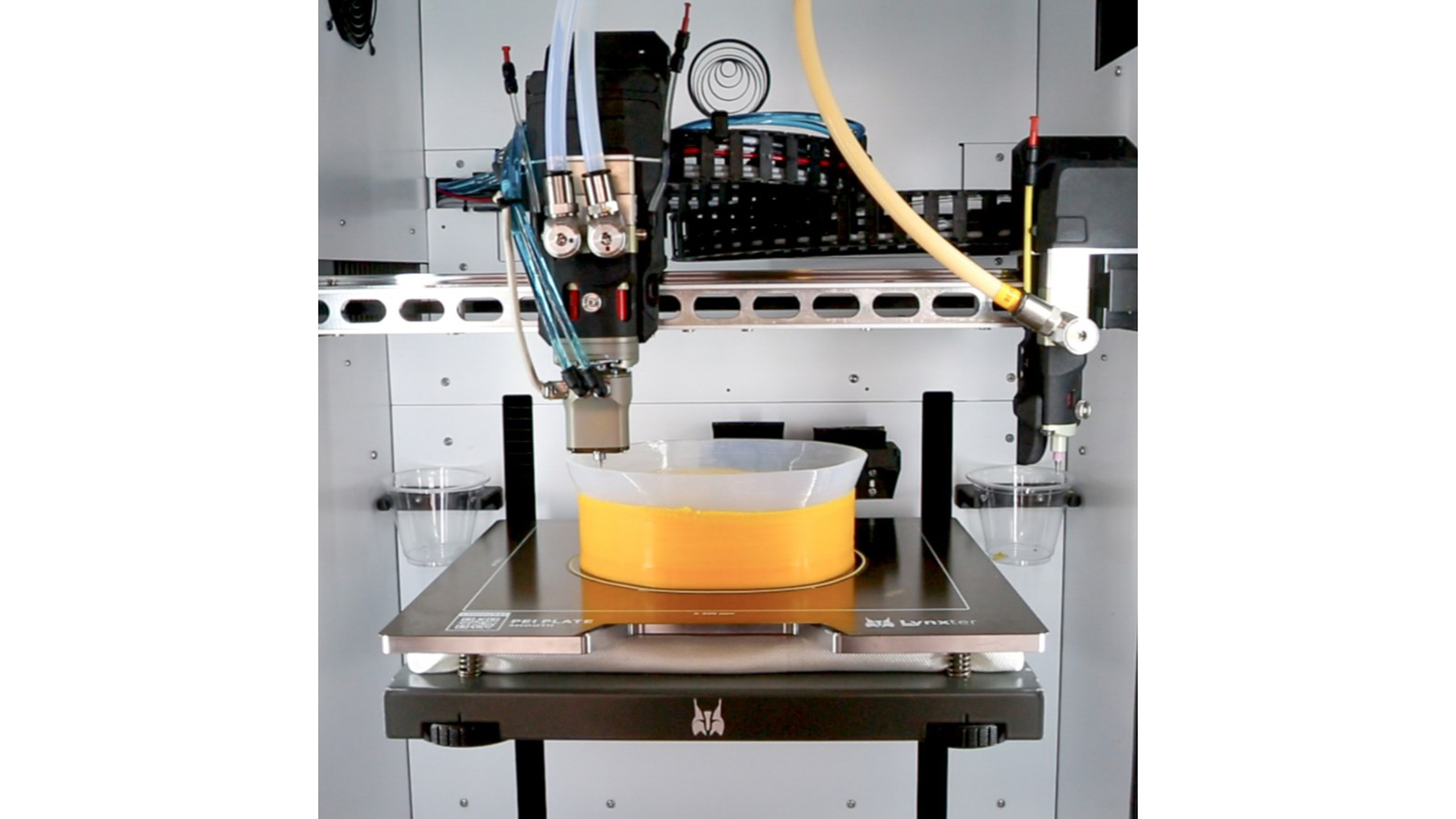
Lynxter: Increased autonomy in silicone 3D printing
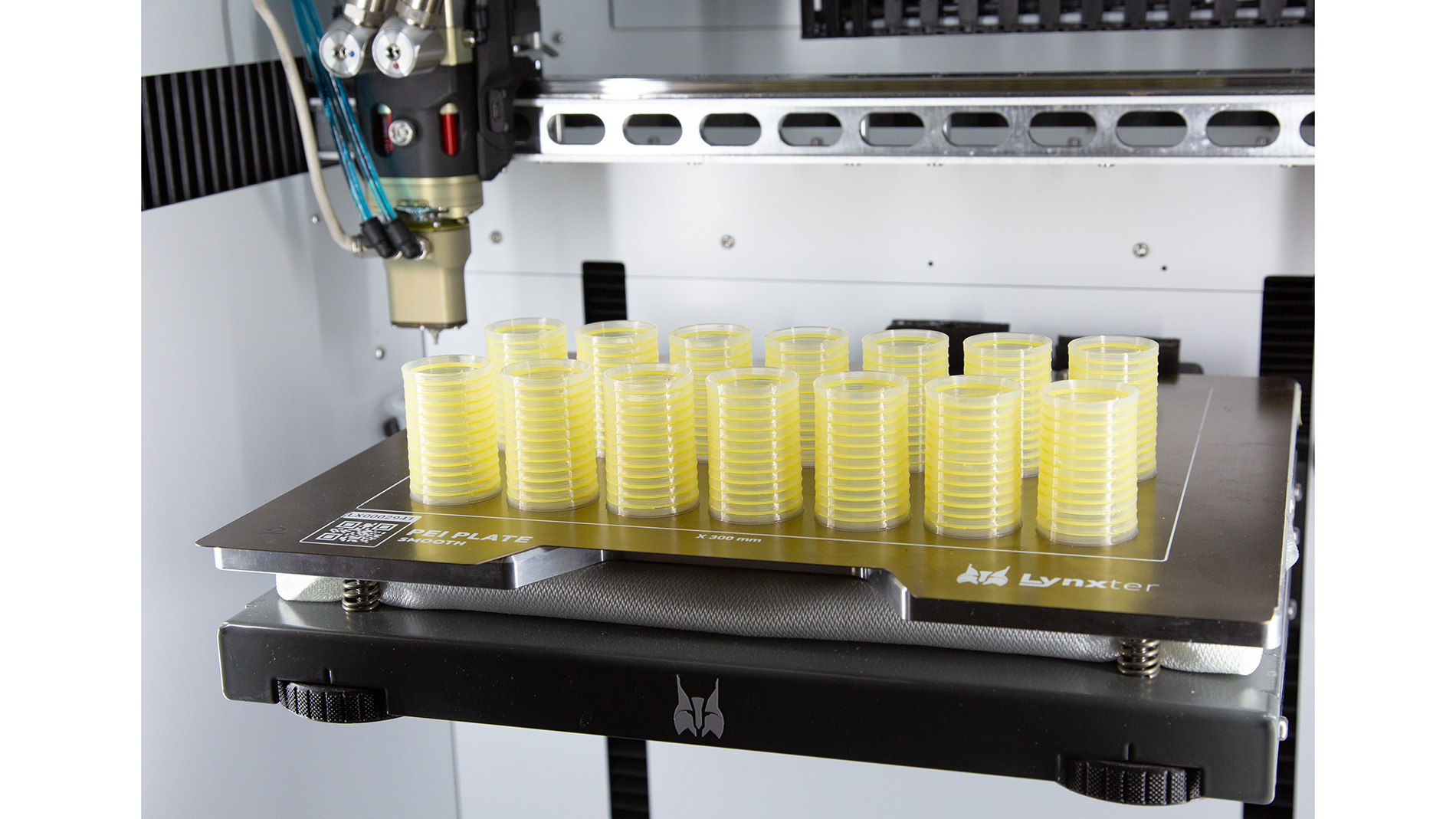
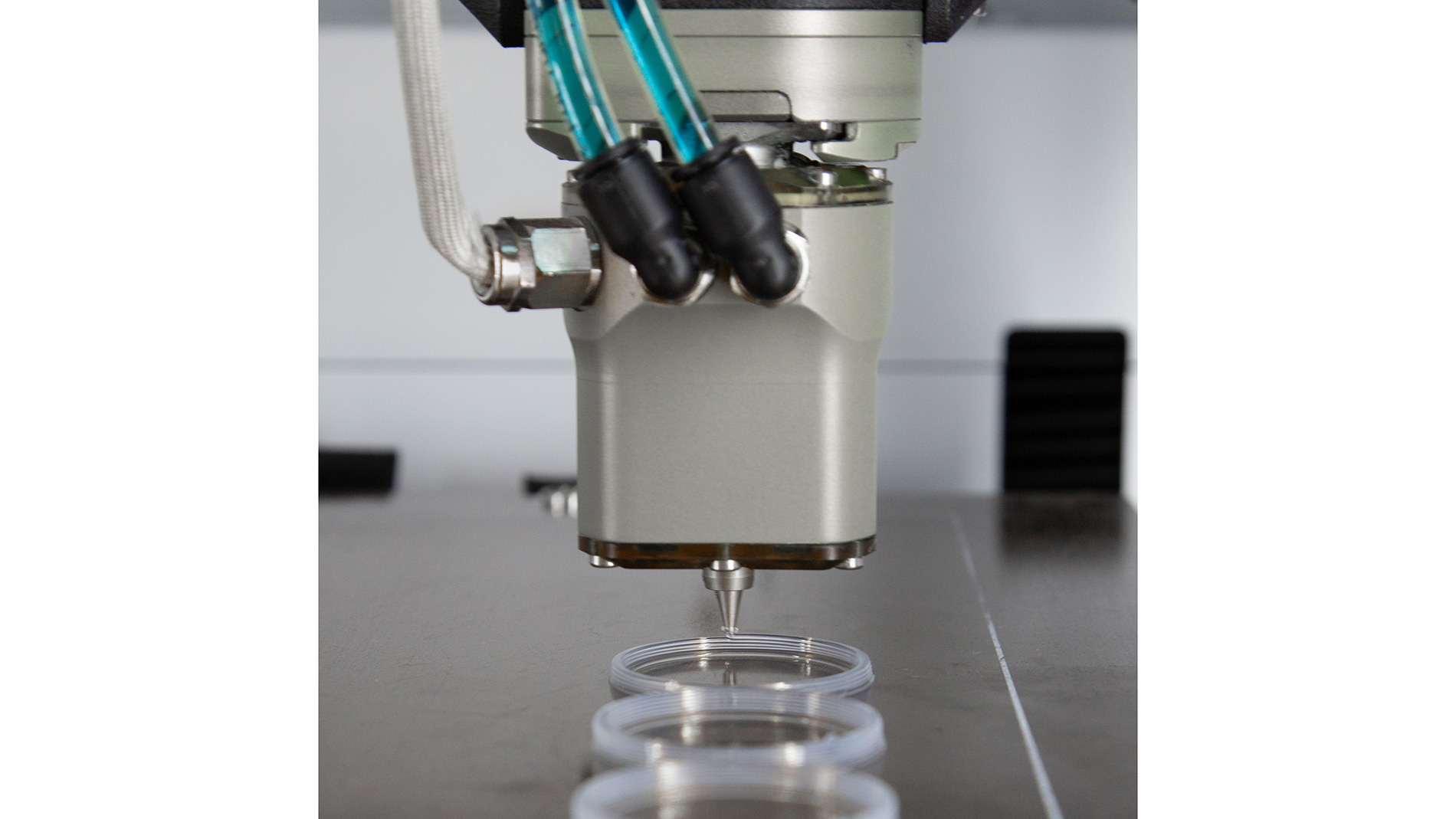
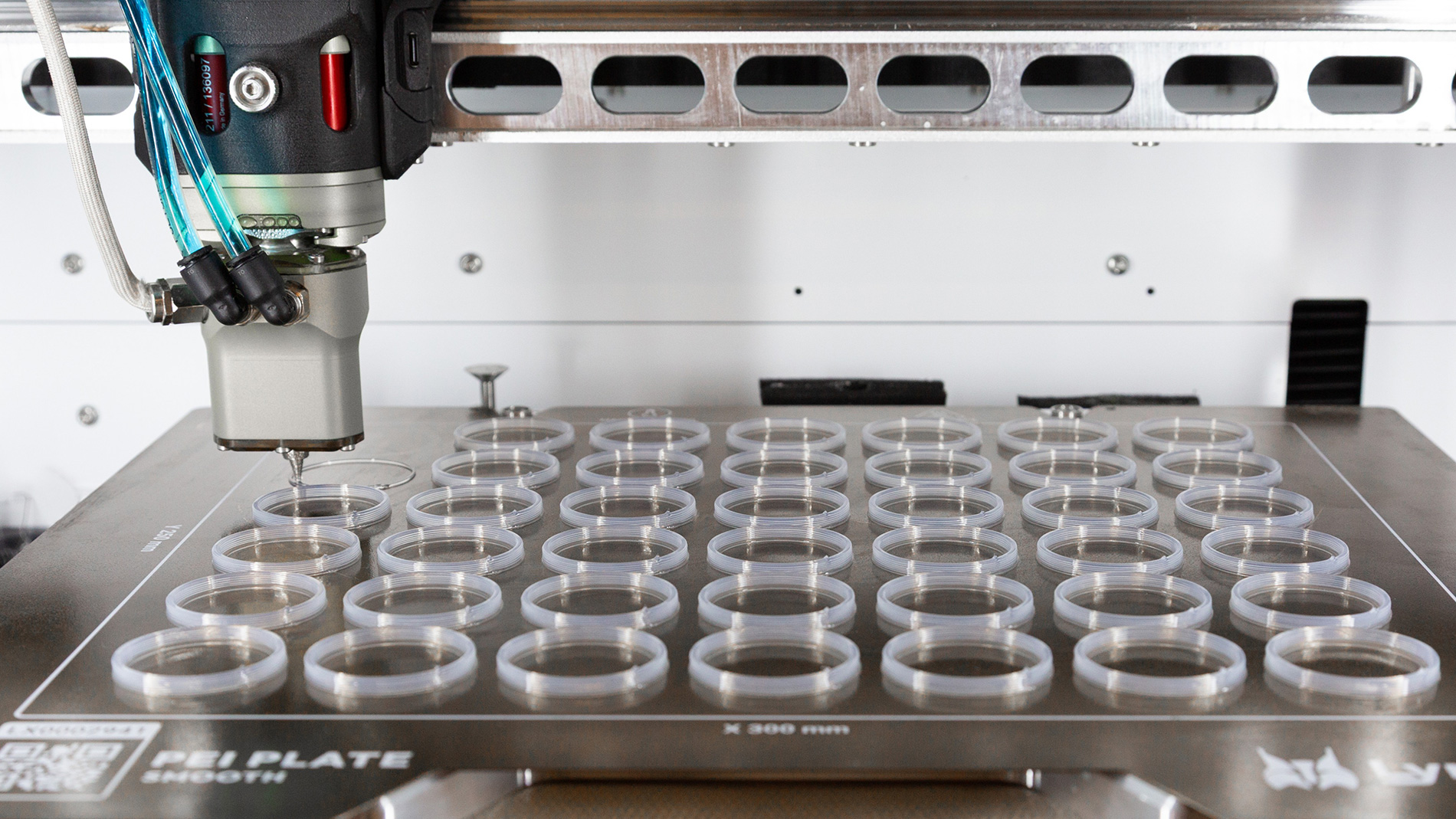
This year, Lynxter will introduce Overtime, a solution for series production that enables larger and more complex silicone parts to be produced without compromising material quality. Silicone 3D printing has traditionally been limited by the curing time of the material inside the print head. “The autonomy and performance of MEX – LIQ technology (or DIW, LDM, etc.), boosted by Overtime, are now comparable to MEX – FIL industrial standards (FFF, FDM, etc.). The Additive Manufacturing of silicone sealing components, protective/masking tooling and medical devices now takes on an entirely new dimension,” says Thomas Batigne, co-founder and CEO of Lynxter. The Overtime option enables the full build volume of the machine to be used in a single print, maximising production, optimising printing time and enabling fully autonomous operation. According to Lynxter, it also enables the production of larger parts and complex thin-walled geometries at higher resolution.
Lynxter at Formnext 2026: Hall 12.1, Booth B71
Lortek: Early detection of process anomalies
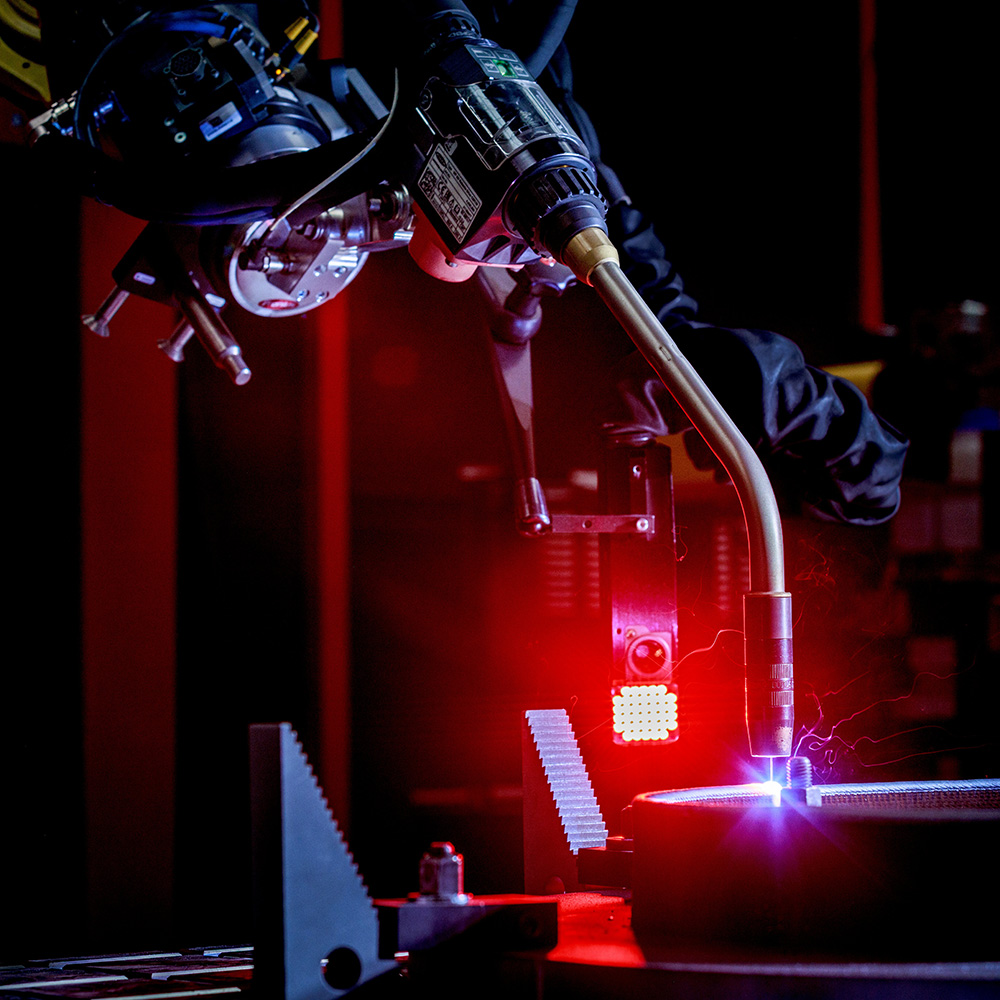
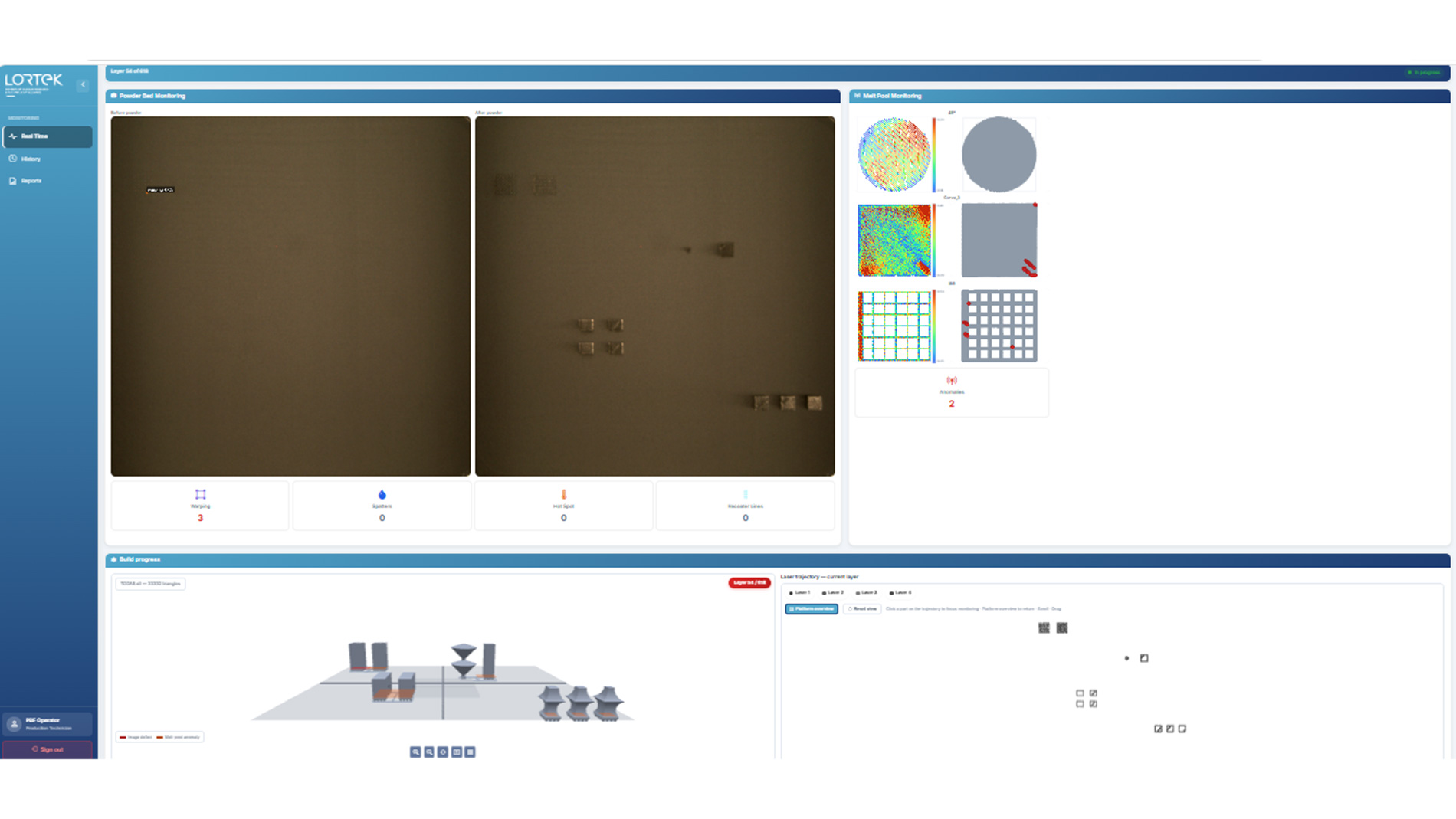
Lortek is introducing its Digital AM Core platform for real-time monitoring and analysis of metal additive manufacturing processes. Combining advanced machine vision, melt pool monitoring, artificial intelligence and real-time geometric process tracking, the system is designed to detect manufacturing anomalies during production. High-resolution images are captured at two key stages of each manufacturing cycle: after powder coating and after laser melting. AI algorithms analyse these images to detect defects such as spatters, warping, hot spots and recoater lines before they affect part quality. The platform also incorporates AI-supported melt pool monitoring using photodiode data. Energy emissions are measured from the melt pool, while an AI model analyses the information in real time to identify microscopic variations from expected process behaviour and generate real-time alerts.
Lortek at Formnext 2026: Hall 12.0, Booth C121
Heimann Sensor: PoE thermal imaging module and beam profiler
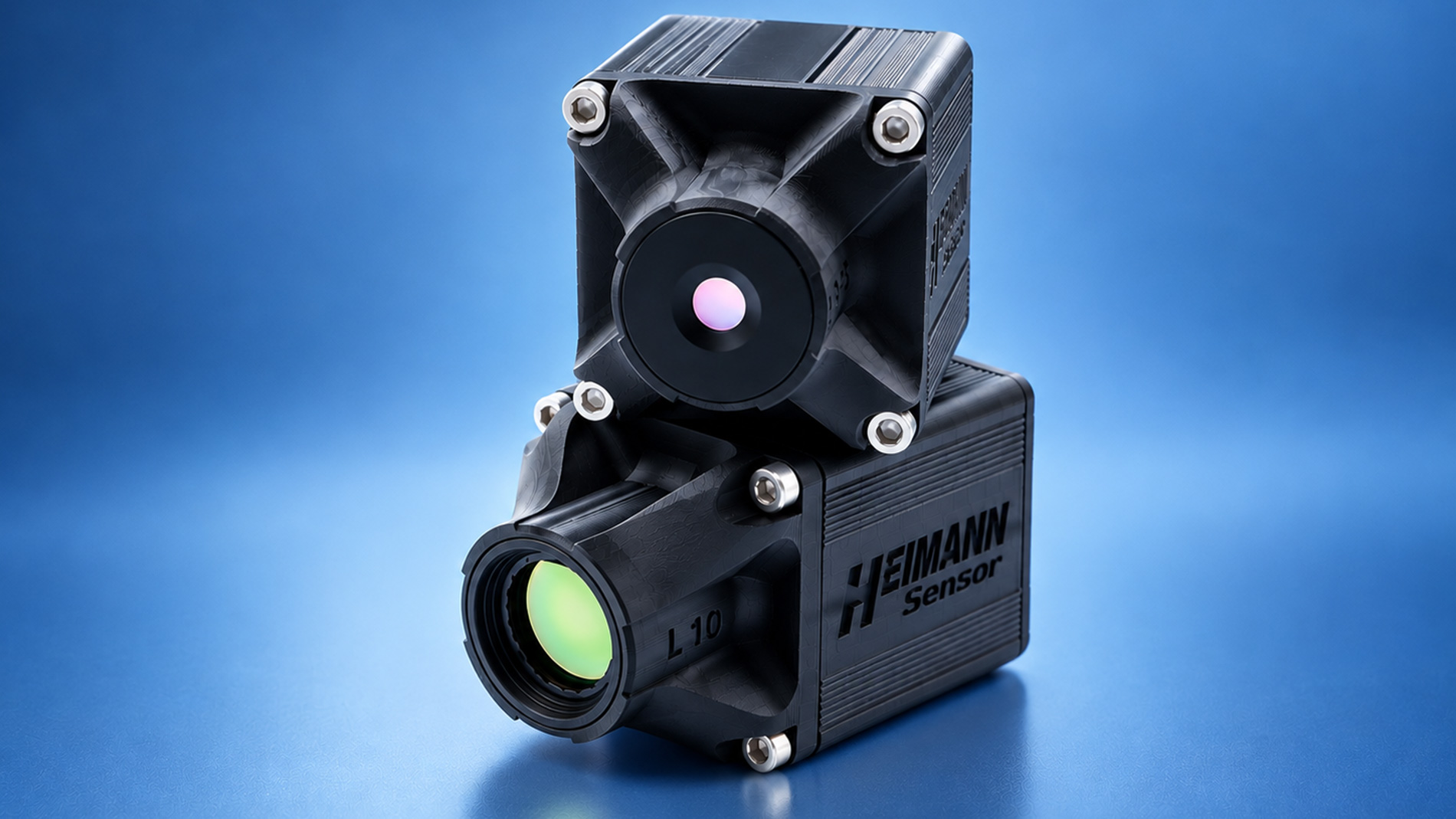
Heimann Sensor GmbH has launched a new thermal imaging module with integrated Power over Ethernet (PoE) connectivity. The module combines thermal imaging capabilities with flexible integration options and is currently being upgraded to meet IP67 protection requirements. This is intended to enable reliable operation in challenging environments exposed to dust, moisture and water. With multiple optics options and a wide object temperature measurement range, the module is aimed at applications including predictive maintenance, process monitoring, industrial automation and smart infrastructure. In addition, Heimann Sensor will showcase a new laser beam profiler based on its high-resolution thermopile array technology. Available with resolutions up to 160 × 120 pixels and supported by optional beam analysis software, the system supports beam characterisation across a broad range of laser wavelengths, including THz applications.
Heimann Sensor at Formnext 2026: Hall 12.0, Booth G134
Caracol: For large components with fine surfaces
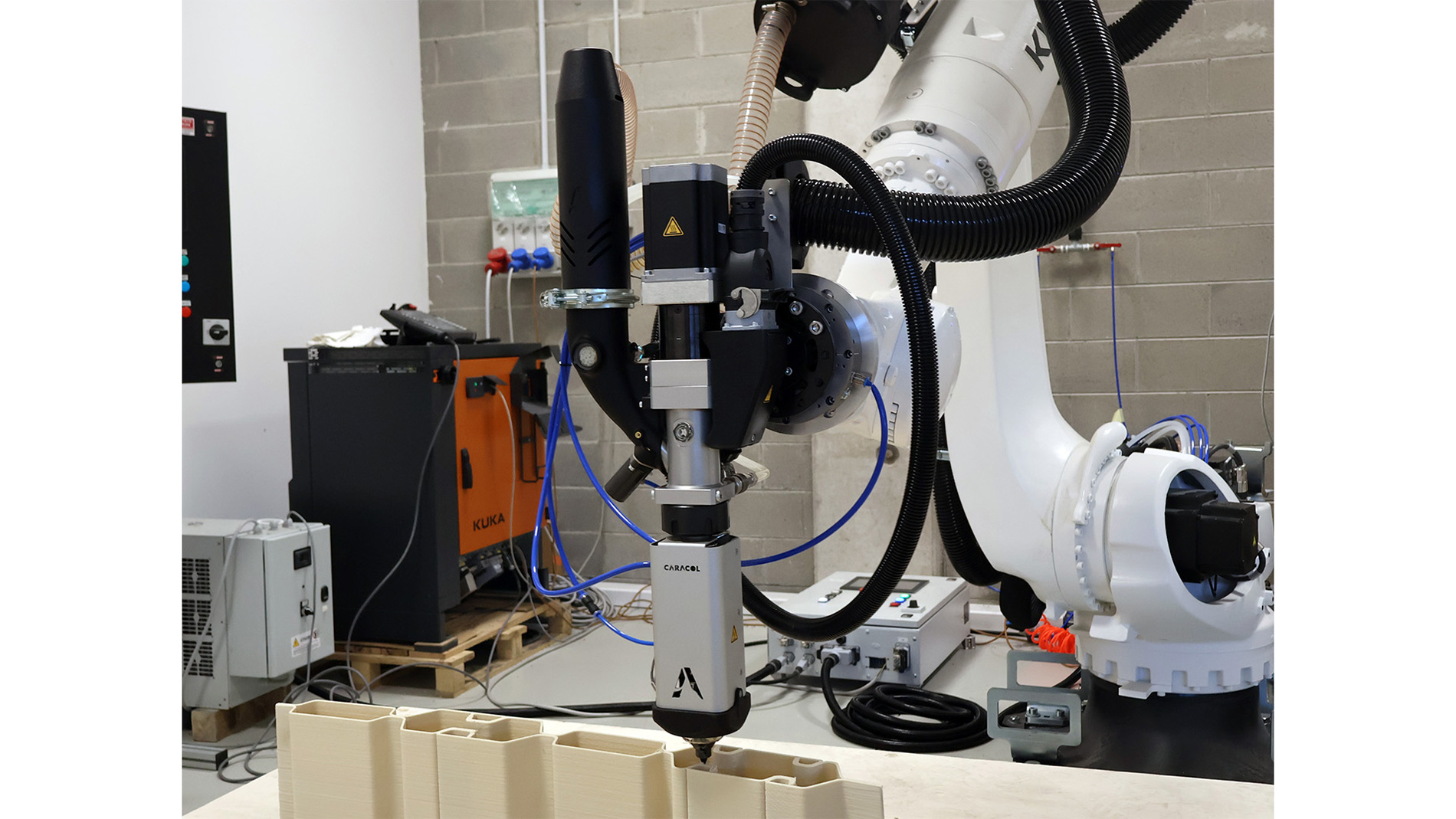
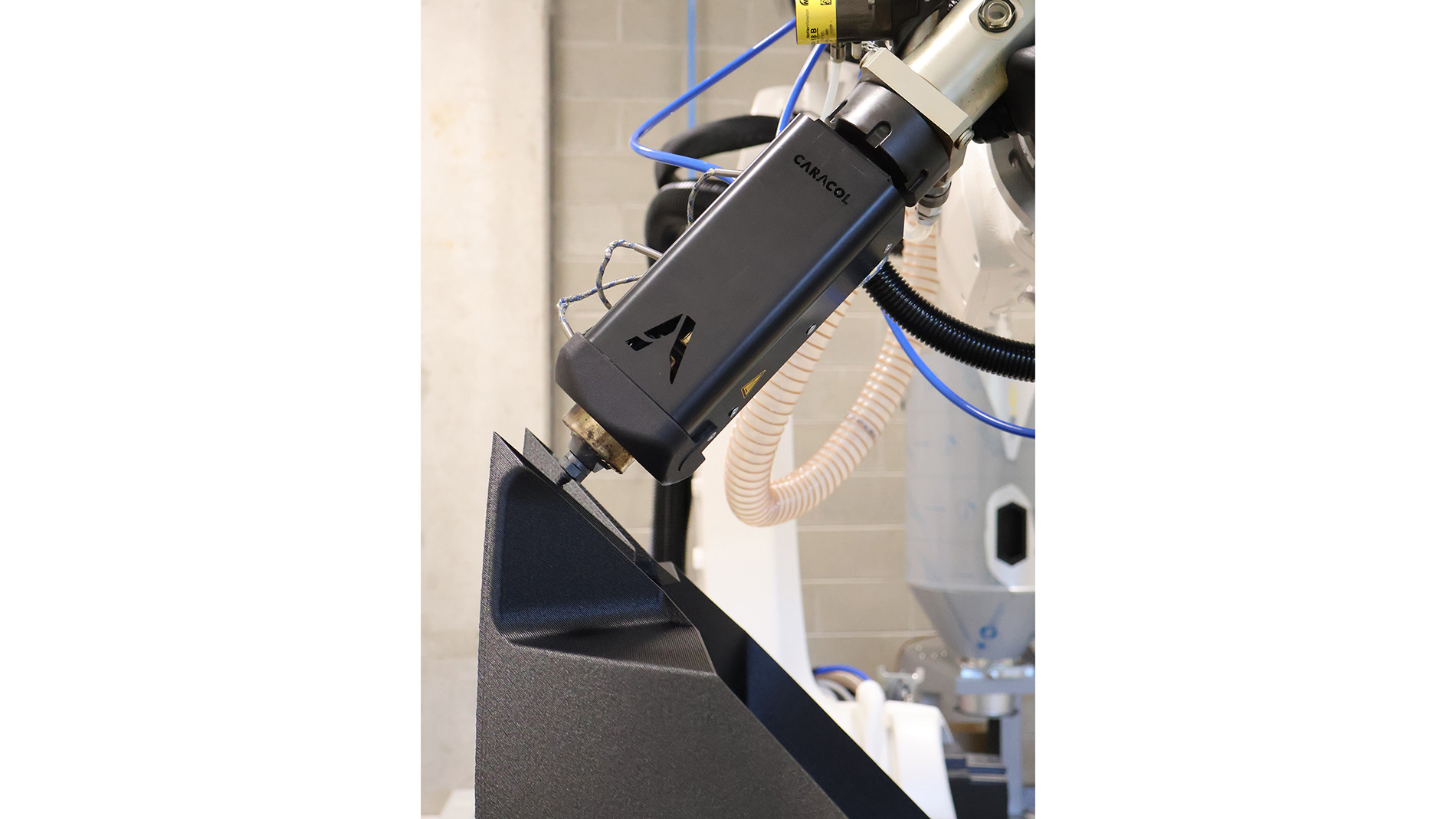
Caracol has developed its next-generation High-Accuracy Extruder (HA) for precise robotic large-format 3D printing (LFAM). Intended for use on the company’s Heron Additive Manufacturing platform, the compact extruder combines precision with large-scale production capabilities, enabling the creation of fine details and thin layers using a qualified range of high-performance materials, including carbon fibre-reinforced ABS, glass fibre-reinforced ASA and PP, and PETG. According to Caracol, the system enables the production of large-format parts with high surface quality. In an automated robotic LFAM cell, this performance is combined with process repeatability and industrial-grade material properties. According to Caracol, the HA extruder is designed to address manufacturing challenges in the transportation sector, supporting the production of lightweight, precision-engineered parts for maritime and automotive applications. The company also sees potential applications in aerospace and rail, as well as in design, furniture, art and architecture.
Caracol at Formnext 2026: Hall 12.1, Booth C129
Gühring: Higher throughput and reduced nozzle wear
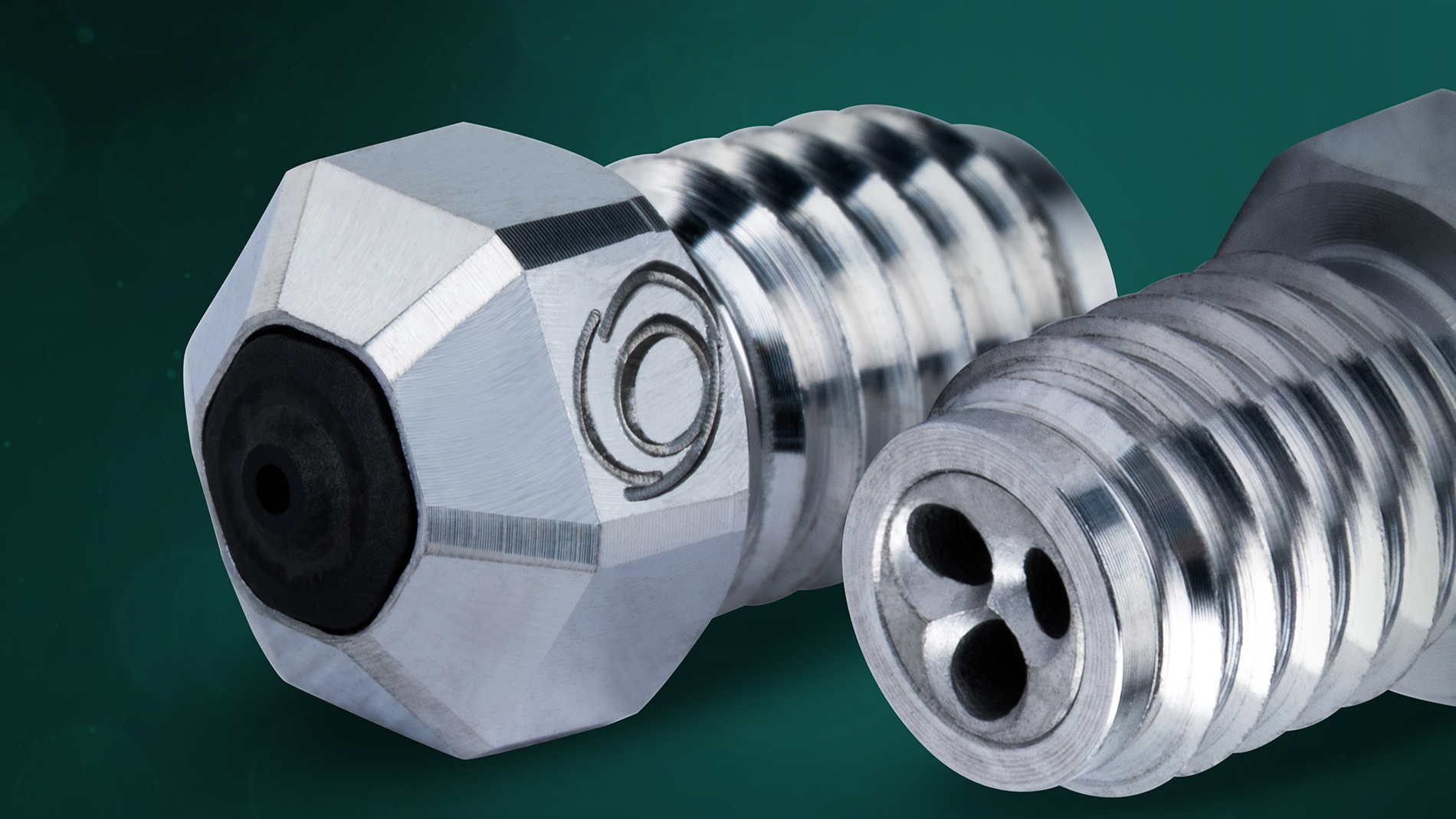
Gühring is expanding its Dianoz product line with a new high-flow nozzle for industrial Additive Manufacturing applications. The new Dianoz High Flow (CHT) combines Gühring’s PCD (polycrystalline diamond) technology with Bondtech’s patented CHT melt-zone design. This combination delivers superior wear resistance alongside significantly higher material throughput in FDM, FFF and FGF processes. Developed specifically to meet the demands of highly filled and abrasive materials, such as carbon- and glass fibre-reinforced filaments that rapidly degrade conventional brass or steel nozzles, the diamond-tipped design ensures long-term process reliability and consistent print quality. Meanwhile, the integrated Bondtech CHT technology melts filament more efficiently, enabling higher flow rates and a more homogeneous melt that improves layer adhesion. Depending on the material used, the nozzle can increase print speeds by up to 50% compared to standard brass alternatives.
Gühring at Formnext 2026: Hall 12.1, Booth G118
Blocks: When the print job starts on a Friday afternoon
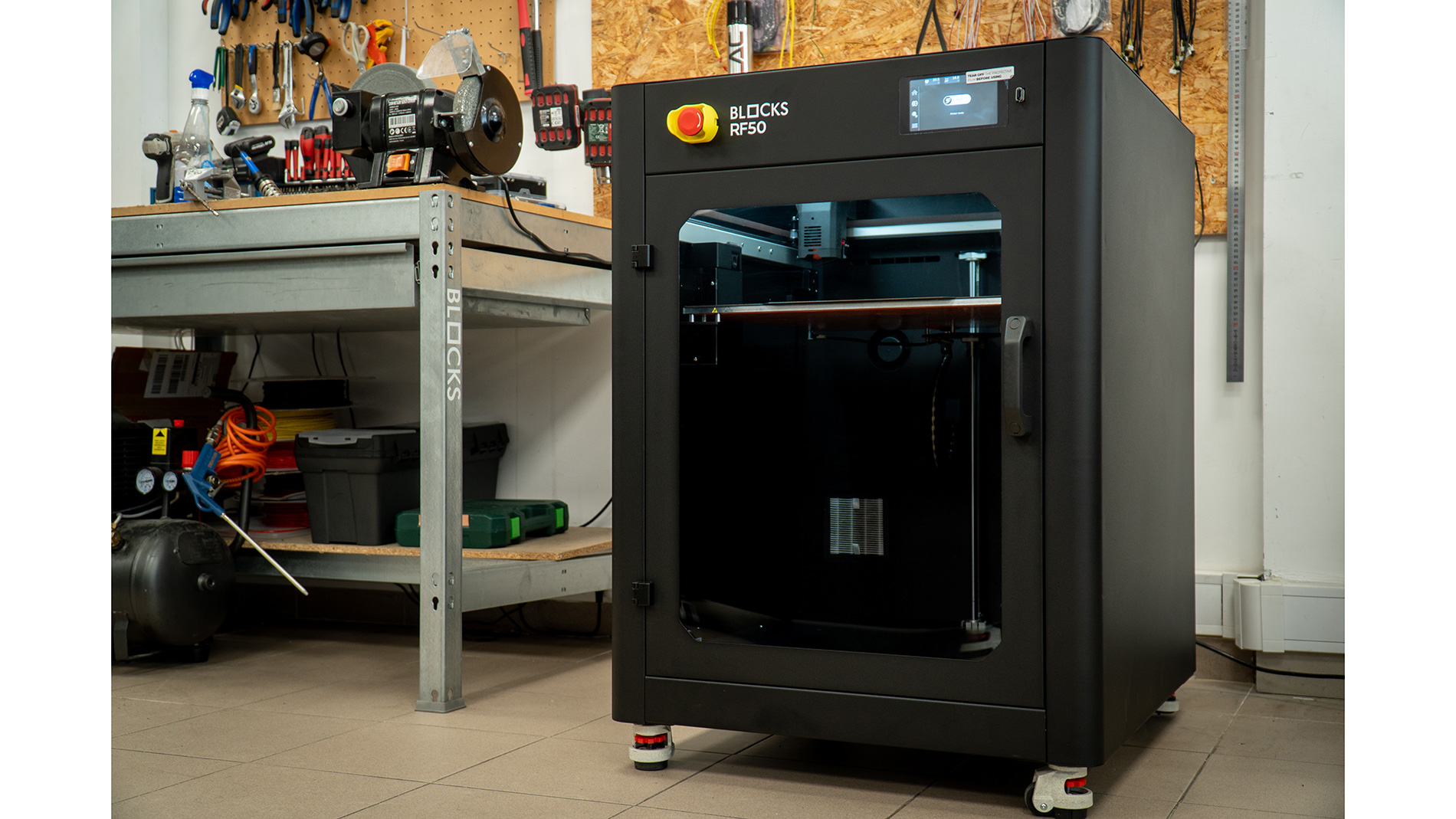
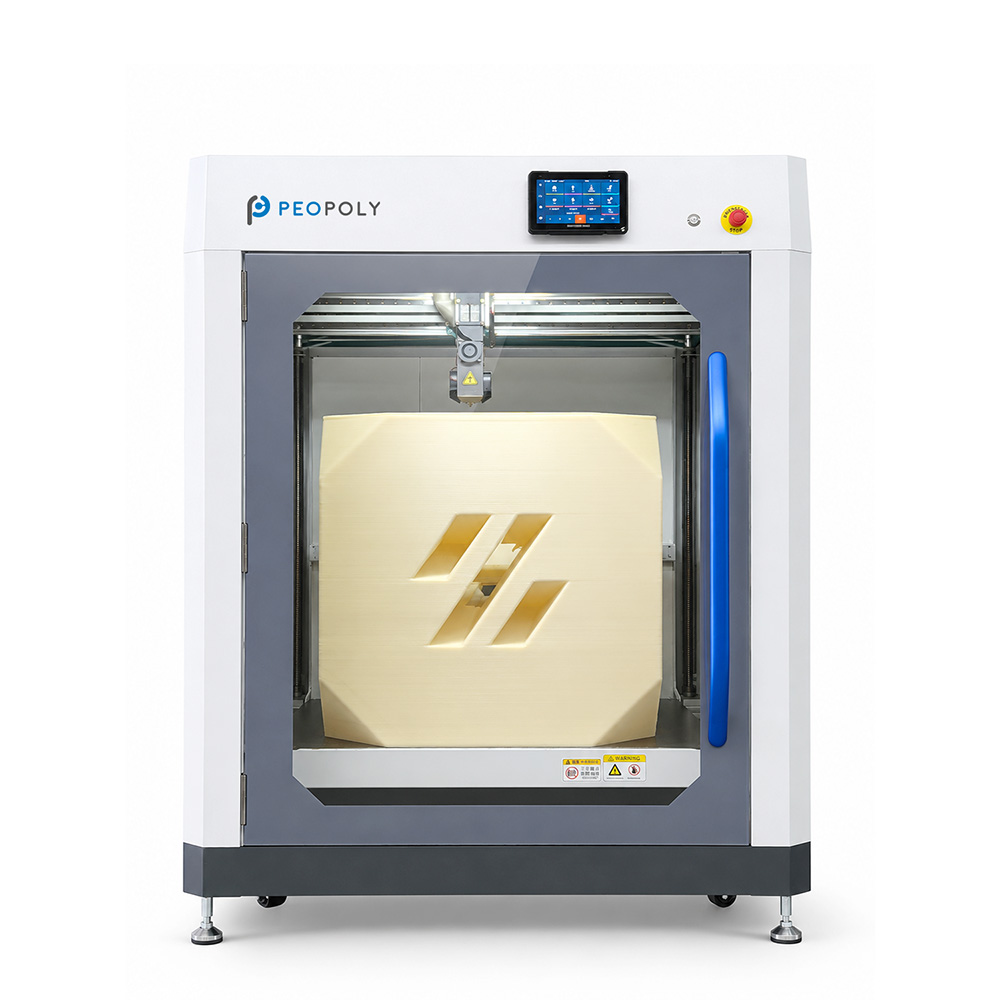
At this year’s Formnext, Blocks, a Portuguese manufacturer of industrial extrusion 3D printers, will showcase its Automated Material Unit (AMU). The material handling and feeding system has been specifically developed for Blocks’ RF50 platform, which was launched in 2025. Mounted directly on the RF50, the AMU accommodates four spools: two with a capacity of up to 8 kg each and two of up to 5 kg each. The spools are stored in a sealed, actively dried chamber, and the system automatically switches between them as required. Humidity is maintained below 25% relative humidity at a controlled temperature of 70°C. The material tracking system creates a verifiable record for each job, including the spool and batch used as well as the amount of material consumed. The data is available through the Blocks interface and API, and can be integrated into MES and ERP systems. “Our customers didn’t ask us to make the RF50 faster. They wanted Friday afternoon to be the start of a print job, not the end of one,” says Duarte Bragadesto, CEO of the company, which was founded in 2013.
Blocks at Formnext 2026: Hall 12.1, Booth F78