
Reading time: 9 minutes
Text: James Woodcock
But rather than always competing, AM and subtractive technologies can come together to make a system worth more than the sum of its parts. AM gives designers geometric freedom, but additively manufactured parts rarely arrive ready to use straight off the machine. As-built surfaces have varying levels of roughness and dimensional tolerances that are often not close enough for true precision work, especially on larger parts. Subtractive machining does deliver that finish and precision but can’t reach the internal channels or organic forms AM is prized for. Hybrid AM/CNC machines provide a solution by putting both processes inside one setup. A component can be built, machined and finished in one place, including internal features only accessible mid-build, without ever being unclamped or moved between machines. This single-setup logic is what makes hybrid interesting for series production, and even more so for repair. Several distinct families of hybrid system have now reached the market.
The large-format workhorses
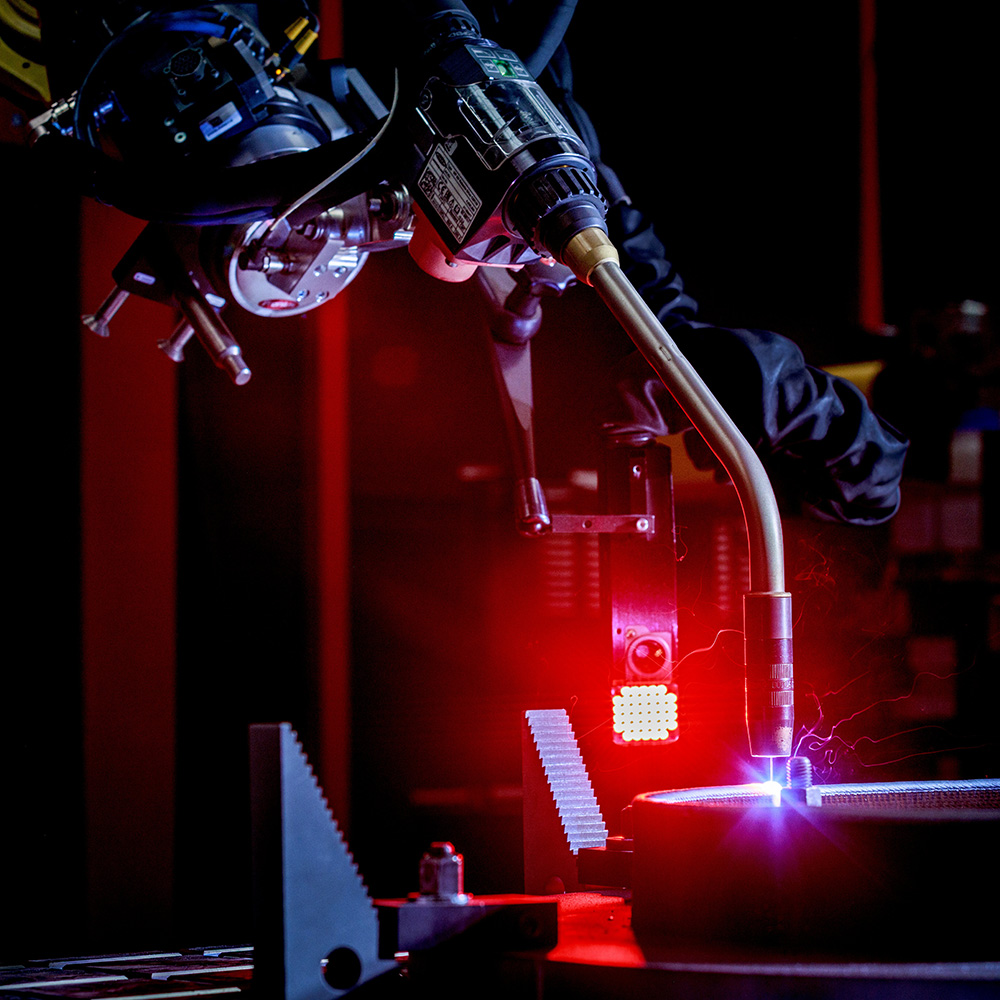
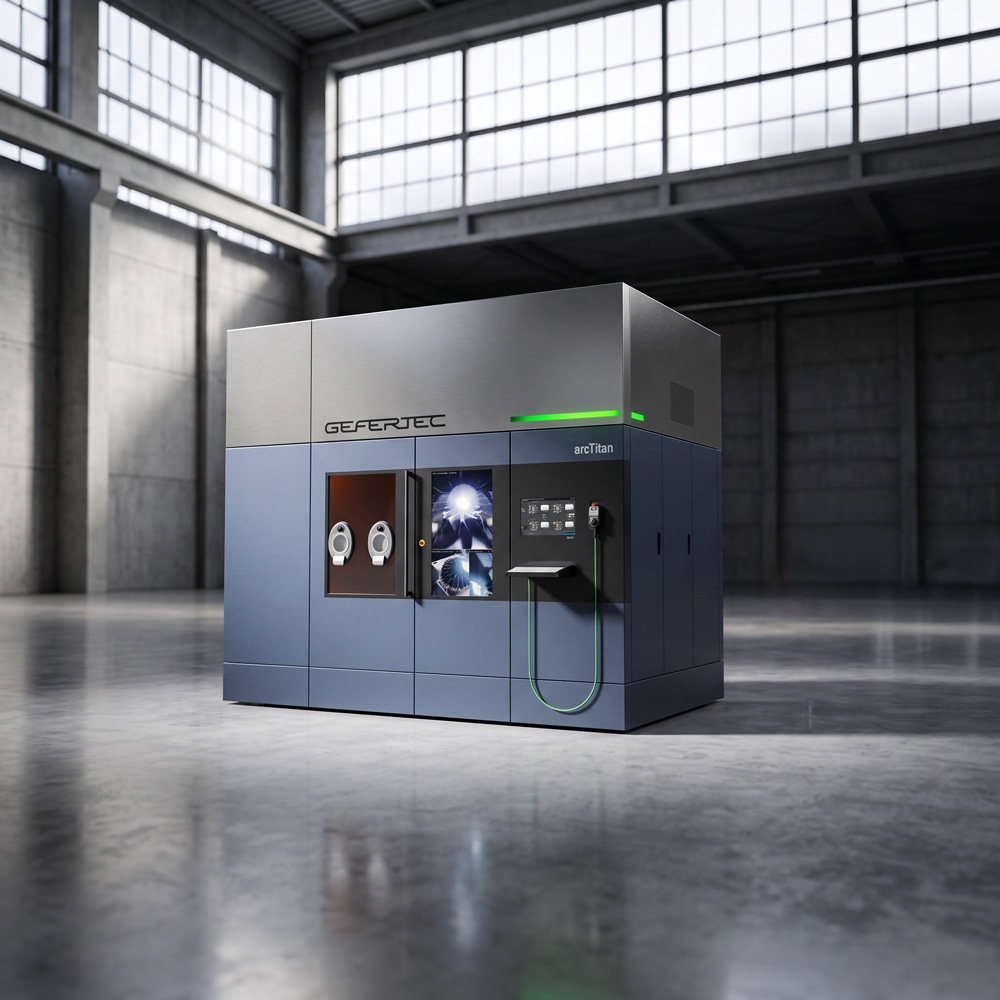
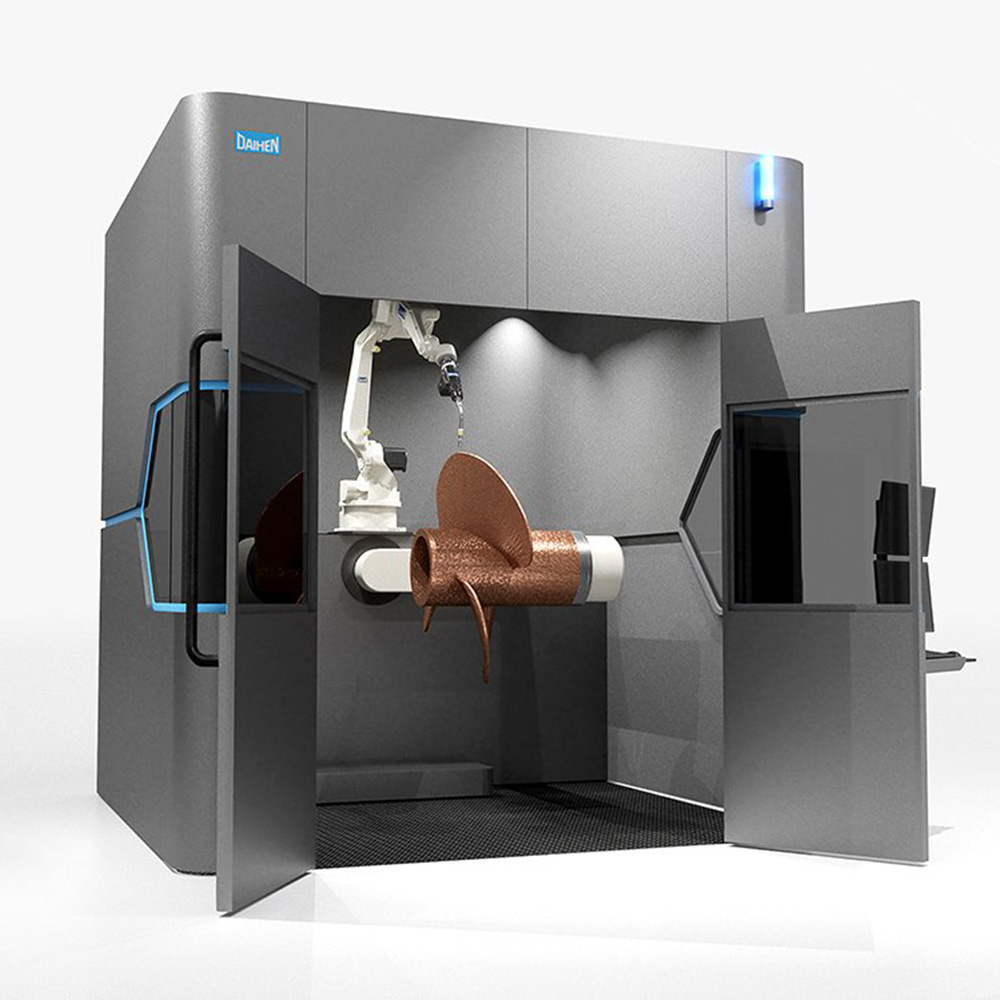
Many industrial hybrids marry directed energy deposition (DED) to a multi-axis machine tool. DMG Moris's Lasertec DED Hybrid line is the reference point. The second-generation LASERTEC 65 DED Hybrid, launched at the start of 2026, combines laser deposition, 5-axis milling, turning, grinding, preheating and 3D scanning into a single platform, backed by integrated melt-pool and process monitoring that tracks the deposition in real time. Mazak, Okuma and WFL offer comparable turn-mill machines with deposition heads.
DED is the natural additive partner here because it deposits quickly and at scale but in doing so loses the dimensional accuracy of powder bed systems. Wire and powder feeds build large, near-net shapes far quicker than powder bed processes, then the machine tool supplies the tolerances and finish to the critical geometries. The pay-off is greatest in repair and feature addition work. Worn turbine blades, injection tooling and large castings can be scanned, rebuilt with fresh material and finish-machined in one pass, extending the life of high-value components that would otherwise be scrapped. For aerospace and energy maintenance, where the original parts are forged or cast and the replacement cost is punishing, that is a compelling economic case. Adding a feature to an existing forging, rather than machining it from solid, also cuts both material waste and cutting time.
Fine features and tooling
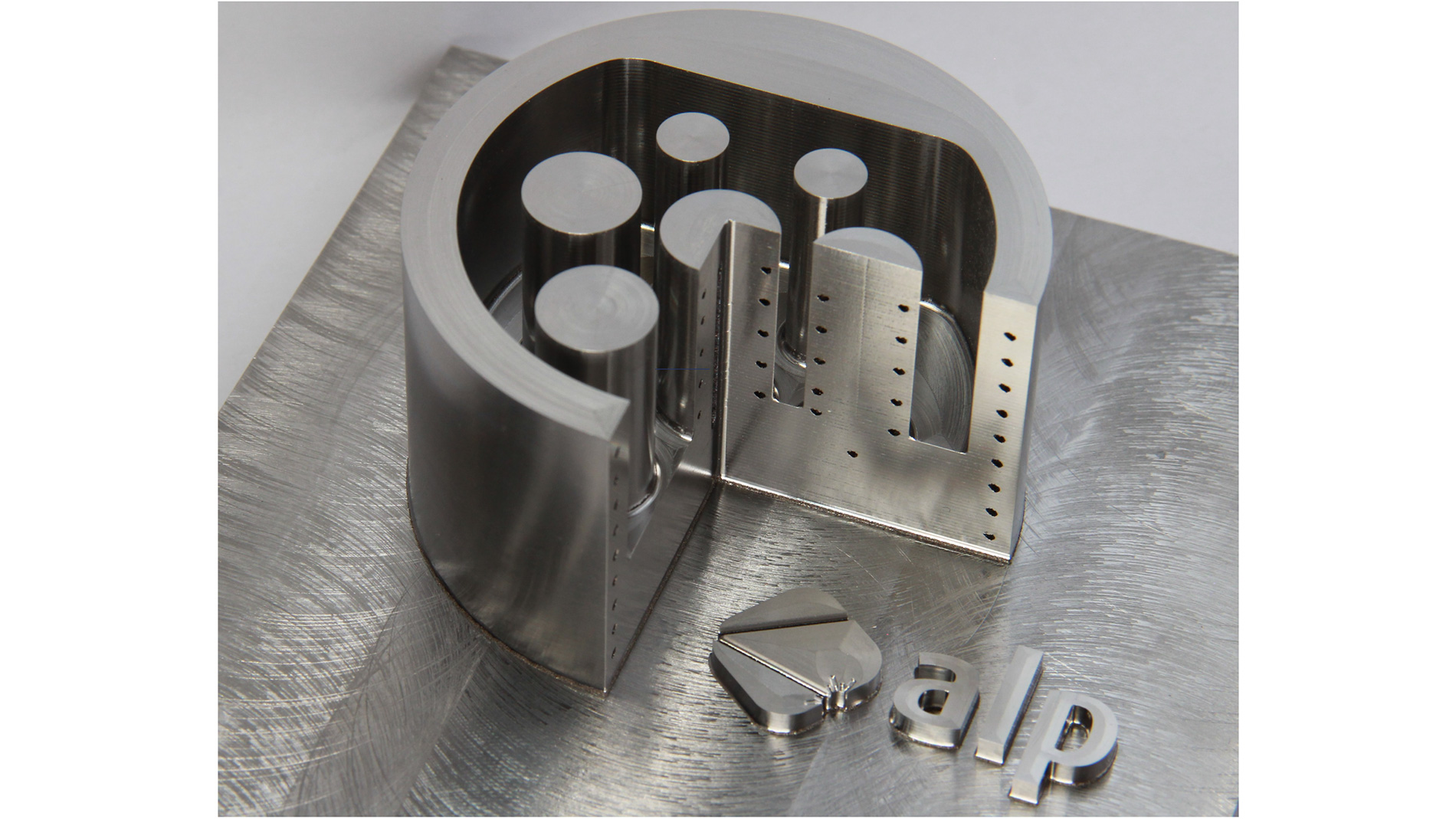
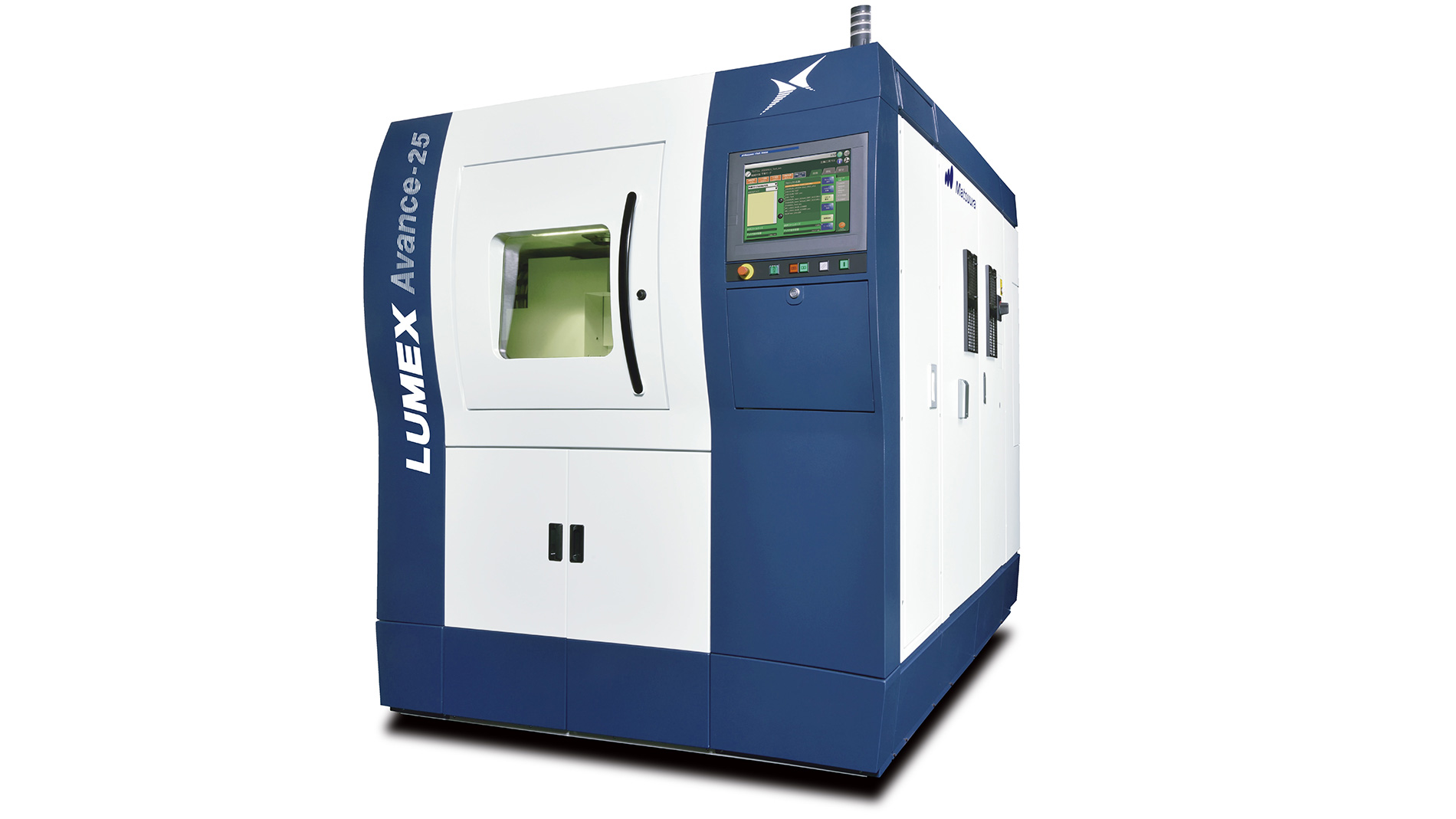
A second family builds on powder bed fusion (PBF), for example Matsuura's Lumex Avance which brings together laser powder bed fusion with a 45,000 rpm milling spindle. In this workflow, internal walls and features are milled as the part is built layer by layer, reaching surfaces a finished part could never expose to a cutter. Sodick's OPM series works on the same principle, offering a 250 mm cube build envelope served by a tool magazine.
The standout application is injection-mould tooling with conformal cooling channels that follow the shape of the cavity rather than being drilled in straight lines. Better cooling shortens moulding cycles, by up to 50% on Matsuura's own figures, while improving part quality and trimming the electrical discharge machining (EDM) steps a conventional route would demand. The same in-process milling gives interior walls a finish that a mould insert needs but that a printed-then-post-machined part could never receive. Beyond tooling, the fine-feature accuracy suits small, complex aerospace and medical components where internal geometry and surface quality both matter. For mould and die shops, this remains hybrid's clearest and most bankable commercial case today.
Lowering the barrier
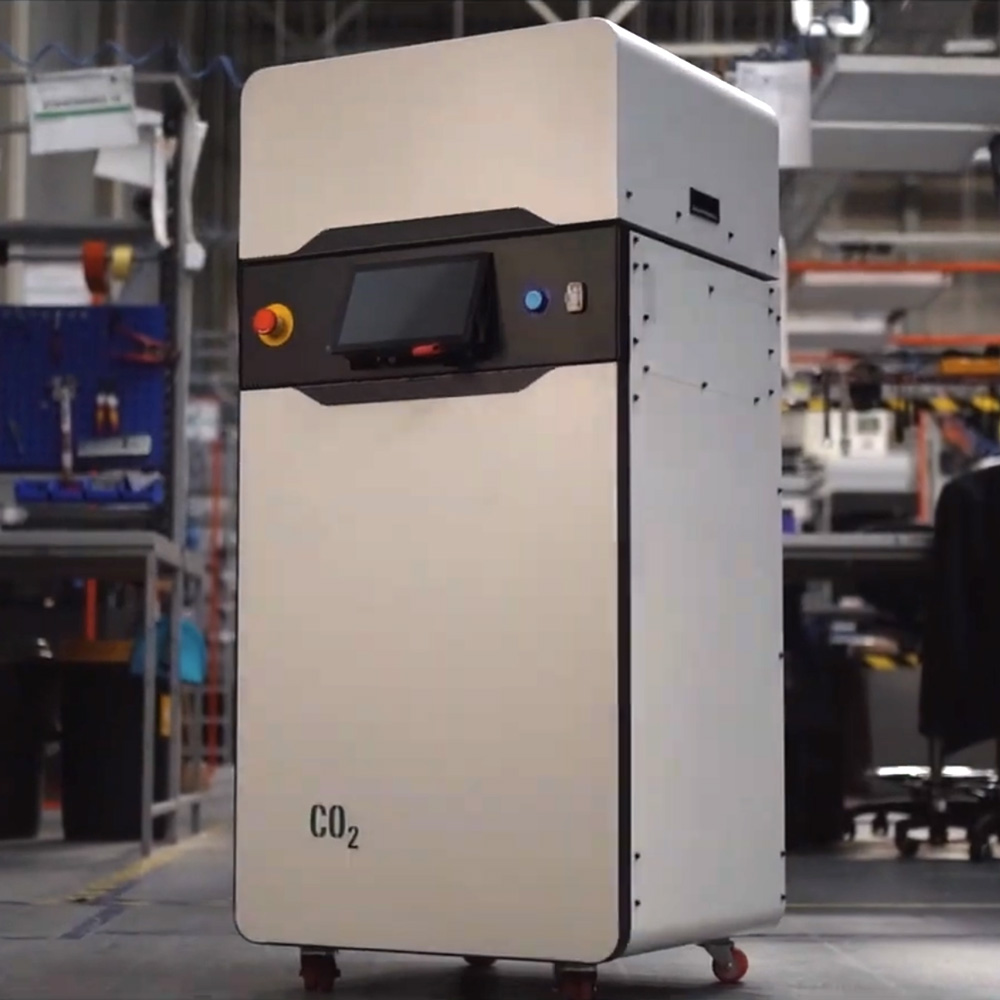
Not every shop needs a six-figure turnkey machine however, and one of the fastest-growing corners of the market reflects that. Hybrid Manufacturing Technologies' AMBIT heads slot a deposition, inspection or other process tool into the spindle of an existing CNC, converting a machine a shop already owns into a hybrid cell. Meltio, founded in Linares, Spain in 2019, takes a related route. Its patented wire laser deposition engine integrates with lathes, machining centres and robot arms, and feeds standard welding wire rather than powder, which is cleaner to handle and cheaper to stock. Phillips packages that engine onto Haas machines as an off-the-shelf hybrid, and early adopters are already running multi-machine fleets for aerospace, energy and general subcontract work.
This modular, retrofit approach lowers the barriers for to entry for hybrid manufacturing, taking it out of the aerospace primes and into the job shops that make up the bulk of the industry.
Going large in polymer
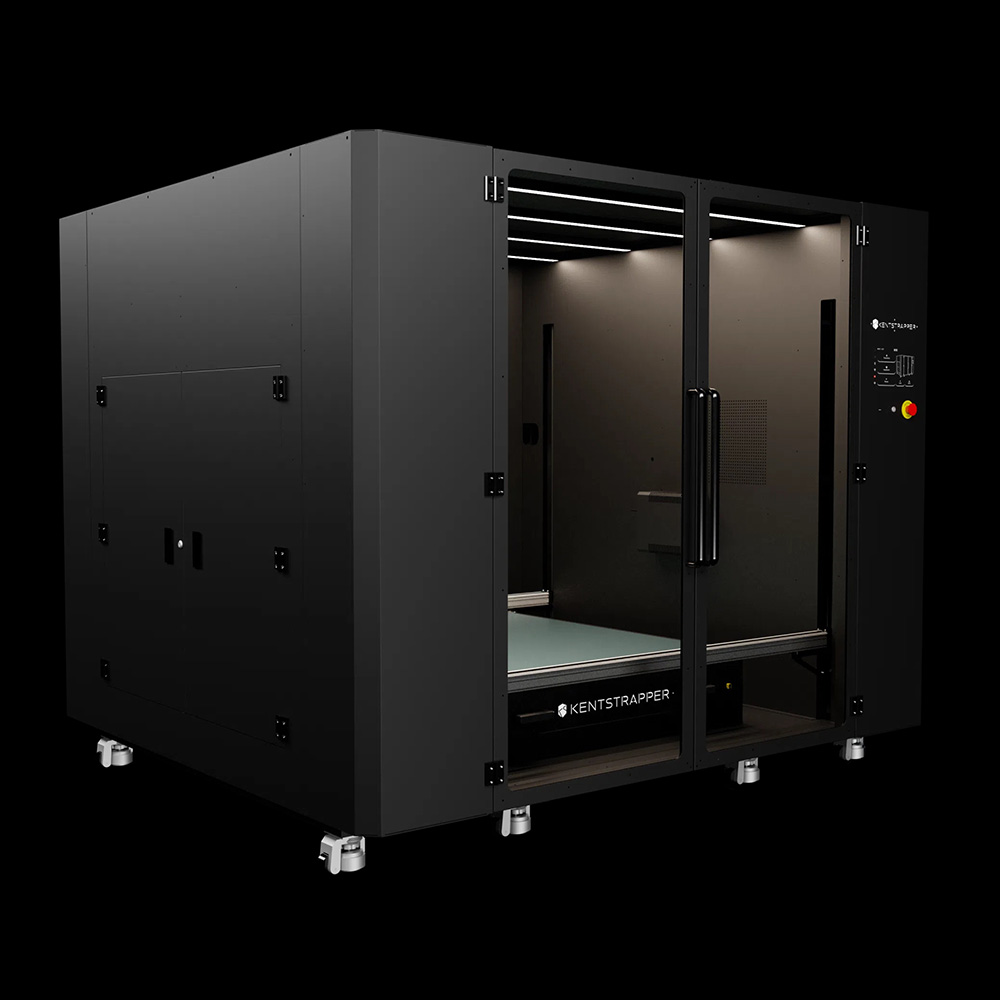
Not every hybrid works in metal. The most commercially mature polymer route is Large-Format Additive Manufacturing (LFAM), where a pellet extruder lays down thermoplastic or fibre-filled composite at high throughput and a CNC head machines it to final tolerance on the same platform, just like like DED metal systems. The part is printed slightly oversized at speed, then trimmed to net shape. That suits big tooling, moulds, patterns, fixtures and masters for aerospace, automotive and marine work.
Thermwood, a long-established CNC router builder, put both jobs on its LSAM machines, pairing a polymer print head with a 5-axis trim head across twin gantries and build lengths reaching 100 feet. Ingersoll's MasterPrint runs an extruder rated up to 500 lb per hour, which swaps automatically for a 5-axis milling head, and has been used to print a functional boat hull. Europe is well represented. The Netherlands' CEAD builds the robotic Flexbot and the Cartesian Flexcube, the latter shown at Formnext 2024 with integrated milling and a rotating extruder for 45-degree printing under a Siemens control. Italy's Belotti takes it fully into the machine-tool world with BEAD, dropping a CEAD extruder into a 5-axis Belotti machining centre that prints from 12 to 80 kg per hour and finishes to within hundredths of a millimetre.
The retrofit idea carries over here too. Hybrid Manufacturing Technologies offers a pellet-fed polymer extrusion head, Ambit Xtrude, that clamps into an existing CNC and then hands back to the spindle for finishing, so a shop can reach large-format polymer work without buying a dedicated machine.

Applications are dominated by tooling. A printed-and-trimmed composite mold can reach the shop floor in days against the weeks a machined or hand-laid equivalent would take, and at a fraction of the cost, which is why aerospace names have leaned on the technology for autoclave tools and trim fixtures.
A different kind of hybrid
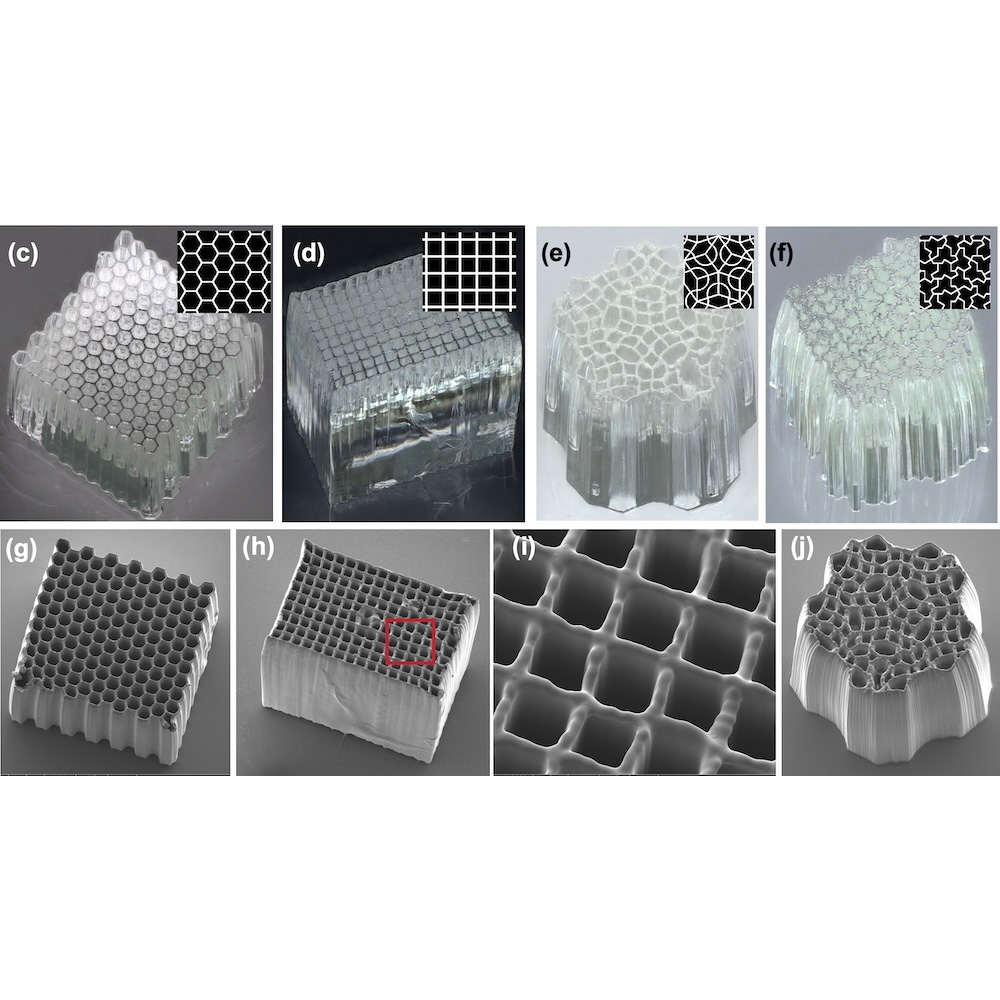
One process sidesteps melting altogether. Fabrisonic's Ultrasonic Additive Manufacturing (UAM) welds thin metal foils together with high-frequency vibration at low temperature, and its SonicLayer machines interleave that deposition with CNC milling to cut features between layers. Because there is no melt pool, UAM joins dissimilar metals such as aluminum to titanium or copper to steel, without the brittle intermetallics fusion processes create, and can embed sensors, electronics or cooling channels inside otherwise solid metal. That makes it a strong fit for lightweight heat exchangers and instrumented "smart" parts, and Fabrisonic has even worked with NASA on shrinking the process for use in space. It occupies a niche, but it does things melt-based hybrids simply cannot, and it is a reminder that "hybrid" is a broader church than additive plus milling.
Where the research is heading
The frontier is control and moving towards closed-loop hybrids that monitor every deposited layer and correct on the fly, pushing toward zero-defect, autonomous builds. DMG MORI's per-layer camera and easyAM controls already gesture at this. Academic work on cold-spray additive-subtractive cells, using in-situ laser profiling and adaptive toolpaths to standardize and repair irregular defects without manual programming, is extending the same idea into fully automated repair. The harder research problem is fusing several sensor streams at once, so a machine can decide for itself, mid-build, whether a flaw needs correcting, re-depositing or machining away.
Beyond process control, we can expect richer multi-material and functionally graded parts, machine-learning-driven process planning and tighter digital thread traceability from design through to the finished component. At Formnext 2025 in Frankfurt, DMG Mori argued that hybrid is moving from niche to the new standard for flexible, efficient production. Based on current industry developments, that appears to be a fair assessment, with additive and subtractive manufacturing increasingly converging into a single industrial workflow, and hybrid machines are how much of that future gets built.