
Reading time: 1 minute
Text: Thomas Masuch
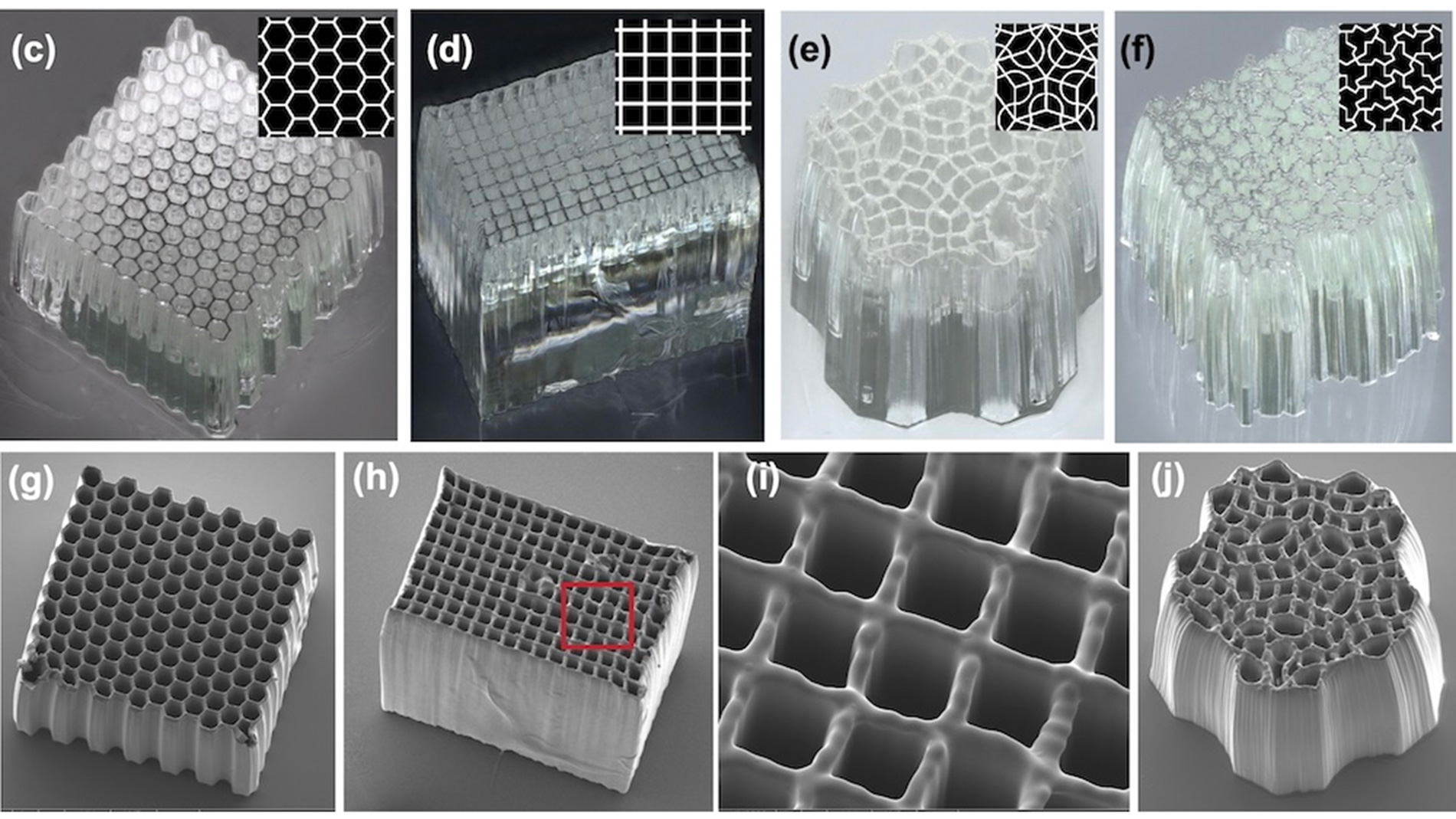
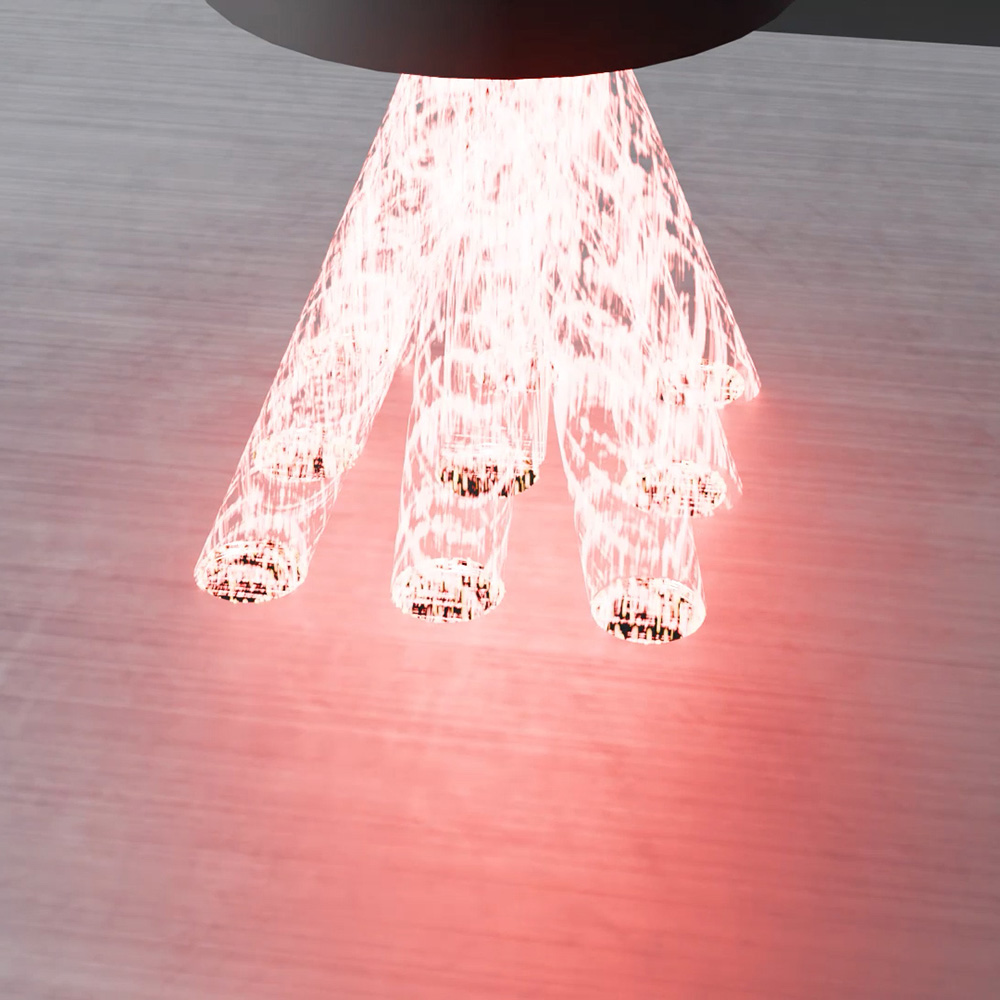
Instead of relying on a conventional laser scan, the system uses a nanostructured mask to shape the laser light into a holographic pattern, selectively curing the material. This enables parts to be produced in around 20 seconds, offering a significant speed advantage over conventional laser-based manufacturing processes.
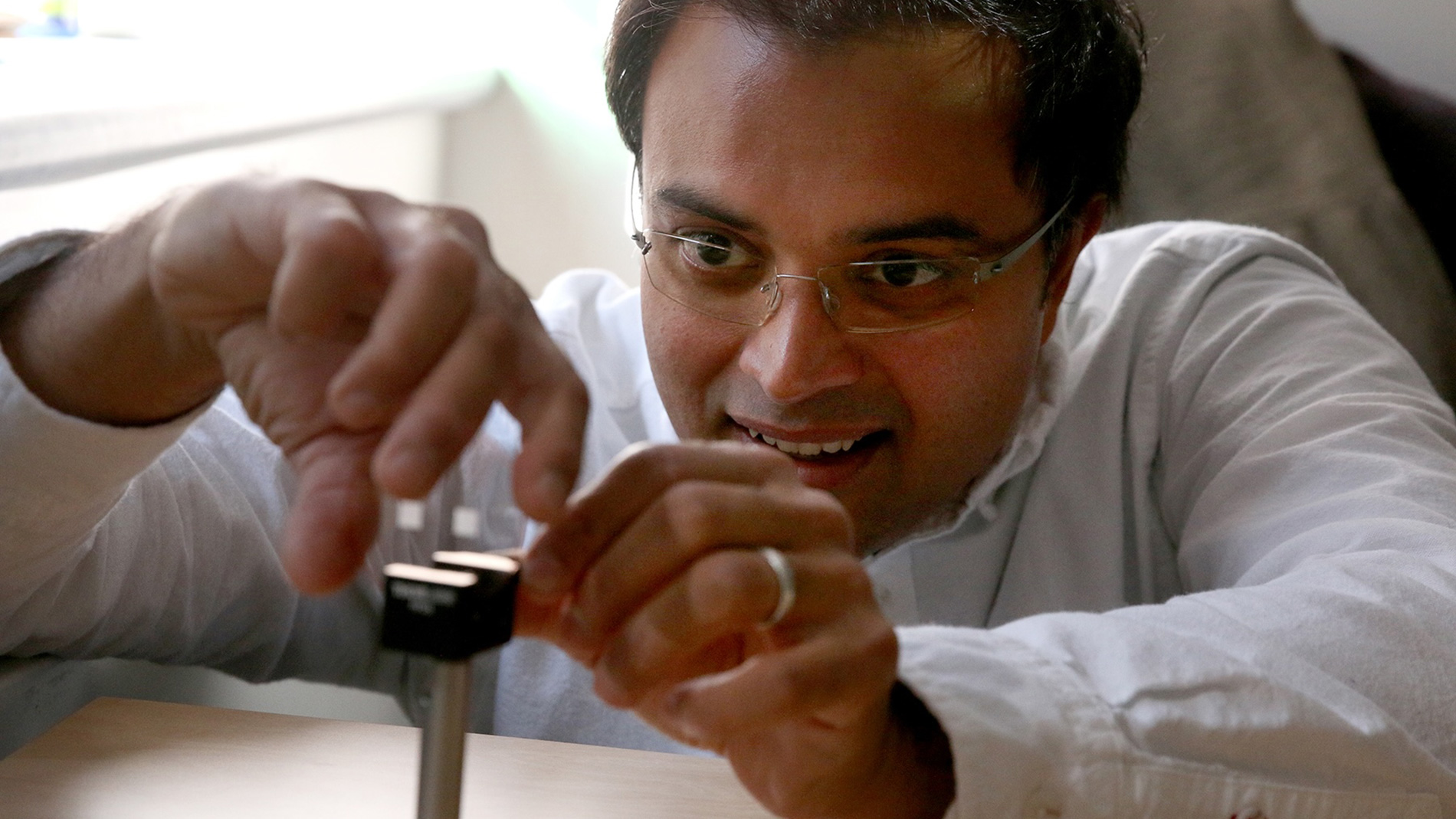
The research was led by Rajesh Menon, a professor in the Department of Electrical & Computer Engineering at the Price College of Engineering. Among other achievements, the team successfully fabricated tubular microstructures with diameters as small as six micrometres. Initial testing demonstrated high mechanical robustness as well as the ability to transport liquids through capillary action. According to the researchers, potential applications include microfluidics, medical technology, and optical and micromechanical components.
At present, the process is primarily suited to the production of microstructured components. In the long term, however, the researchers aim to extend the technology to more complex three-dimensional geometries and enable continuous manufacturing processes.