
Reading time: 2 minutes
Text: James Woodcock
Sinterit has launched BIANCO2, a compact SLS system that swaps the diode laser found in most desktop-class machines for a 30W radio-frequency CO₂ source.
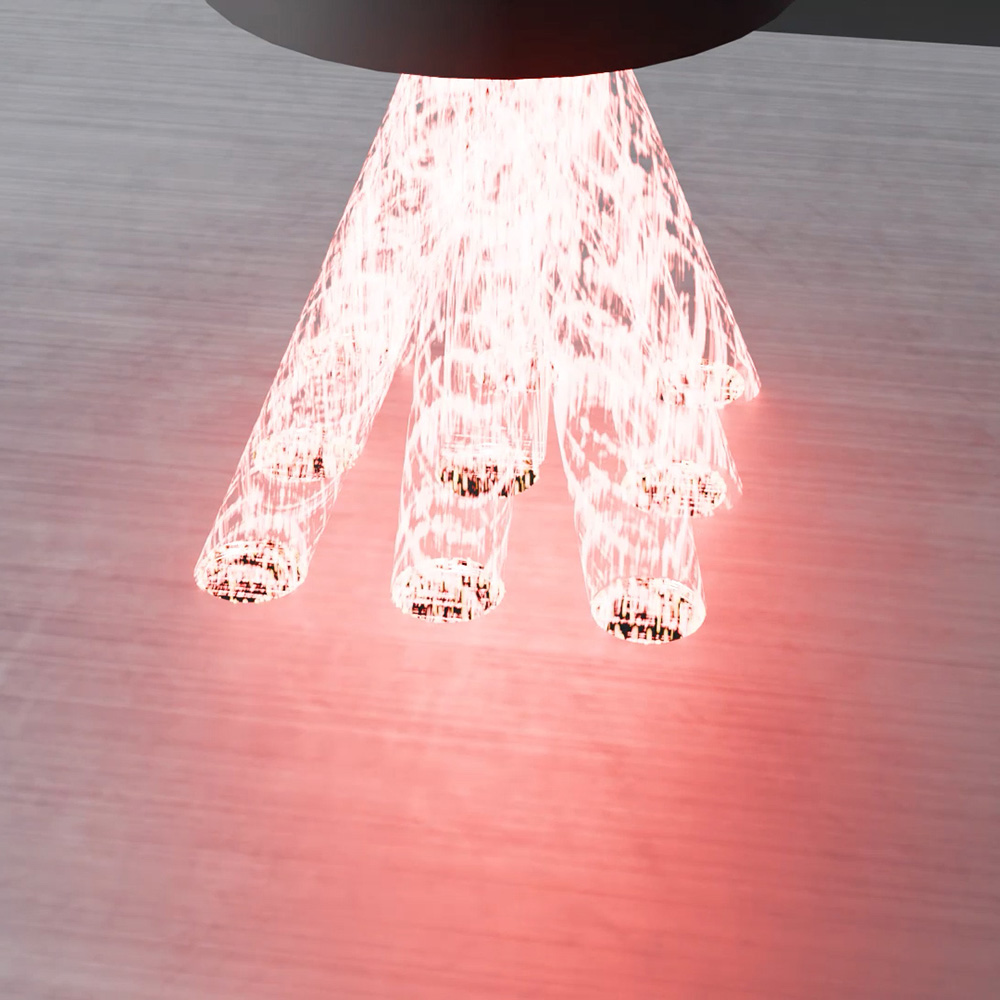
Diode lasers are tuned to grey and black polyamides, which is why white, natural and colorable powders have long been the preserve of larger, costlier platforms. The reason is wavelength. A CO₂ laser emits in the far-infrared, which bare polyamides absorb readily; the near-infrared diode lasers used in cheaper machines barely couple into clear polymer, so those systems depend on carbon-black-loaded powder to soak up the energy – which is precisely what limits them to grey and black parts. With a CO₂ source that absorber is no longer needed, opening up white, natural and colorable powders.
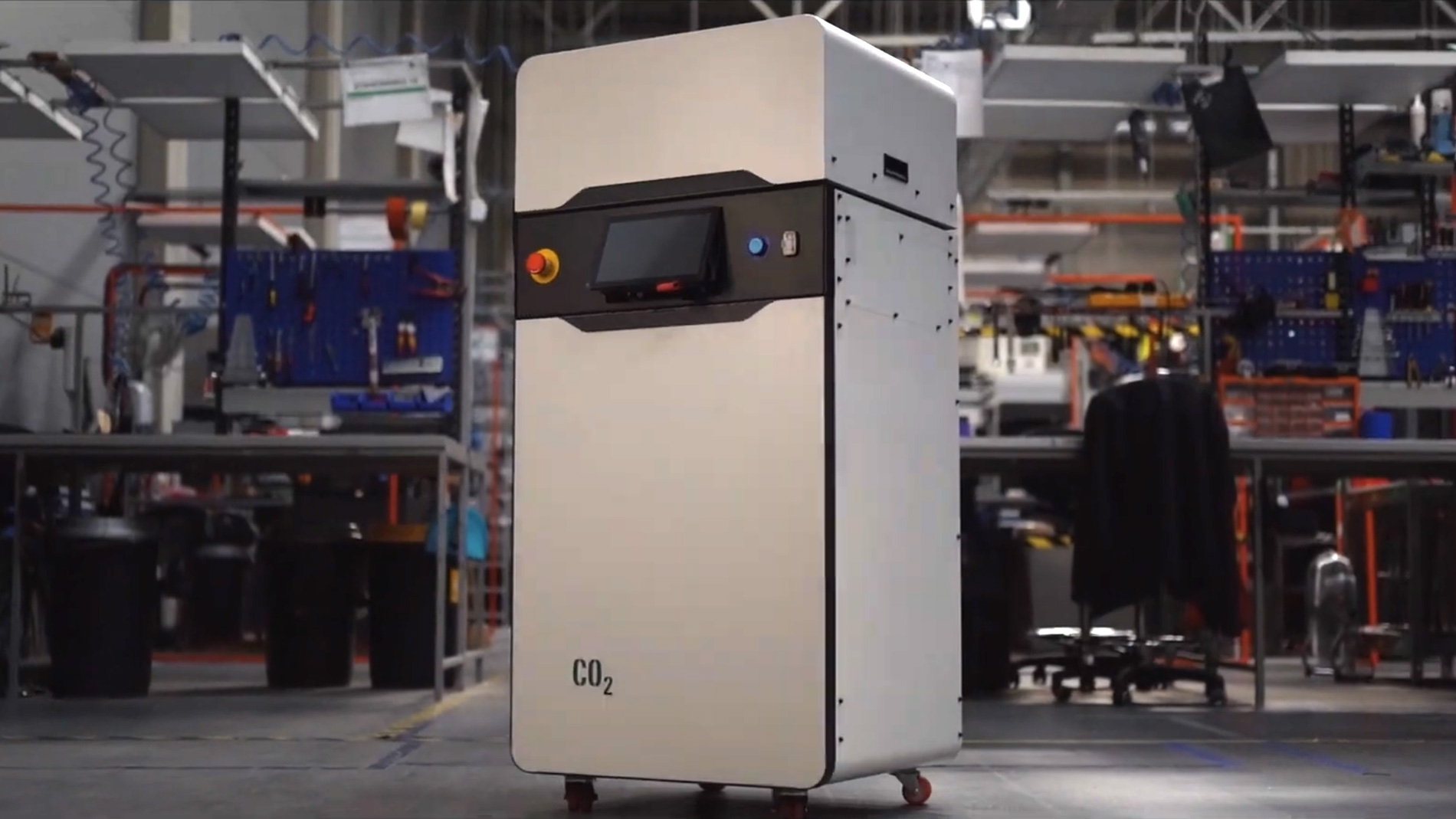
With the new laser system, Sinterit can now offer that broader material set in a 130 x 180 x 330 mm machine, spanning engineering parts, orthotics, medical components and short runs. Running on Sinterit Studio Ultimate, it gives users up to 137 adjustable parameters and accepts third-party powders, with a four-zone heating design providing the localised thermal control that material development demands.
The machine is built within the EU, which Sinterit frames as a supply-chain advantage for spares and consumables, and the terms are clear at 47,000 euro, with first deliveries in Q4 2026. It is exactly the widening of access to industrial processes that grows the installed base from the bottom up.