
Reading time: 3 minutes
Author: Thomas Masuch
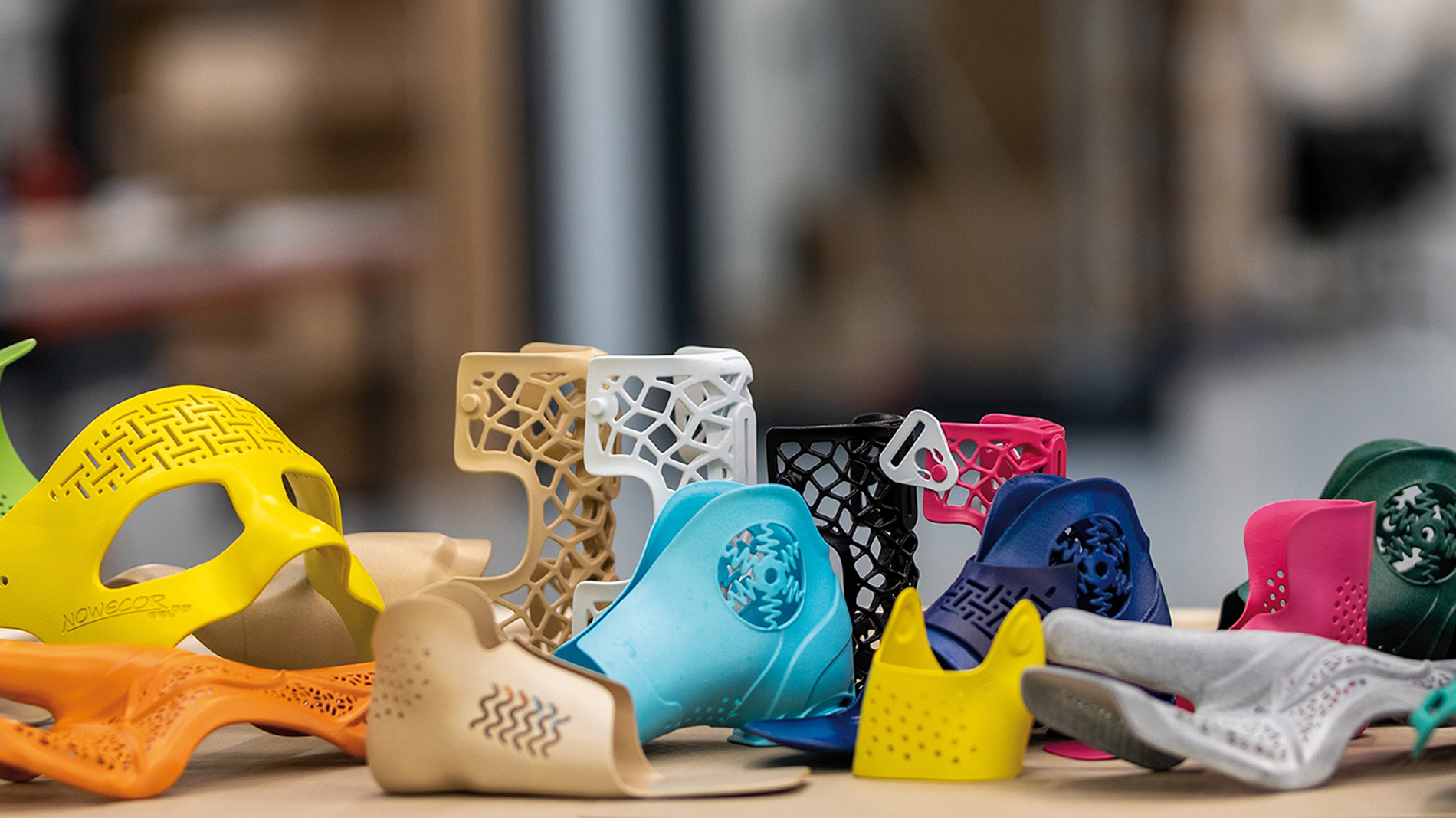
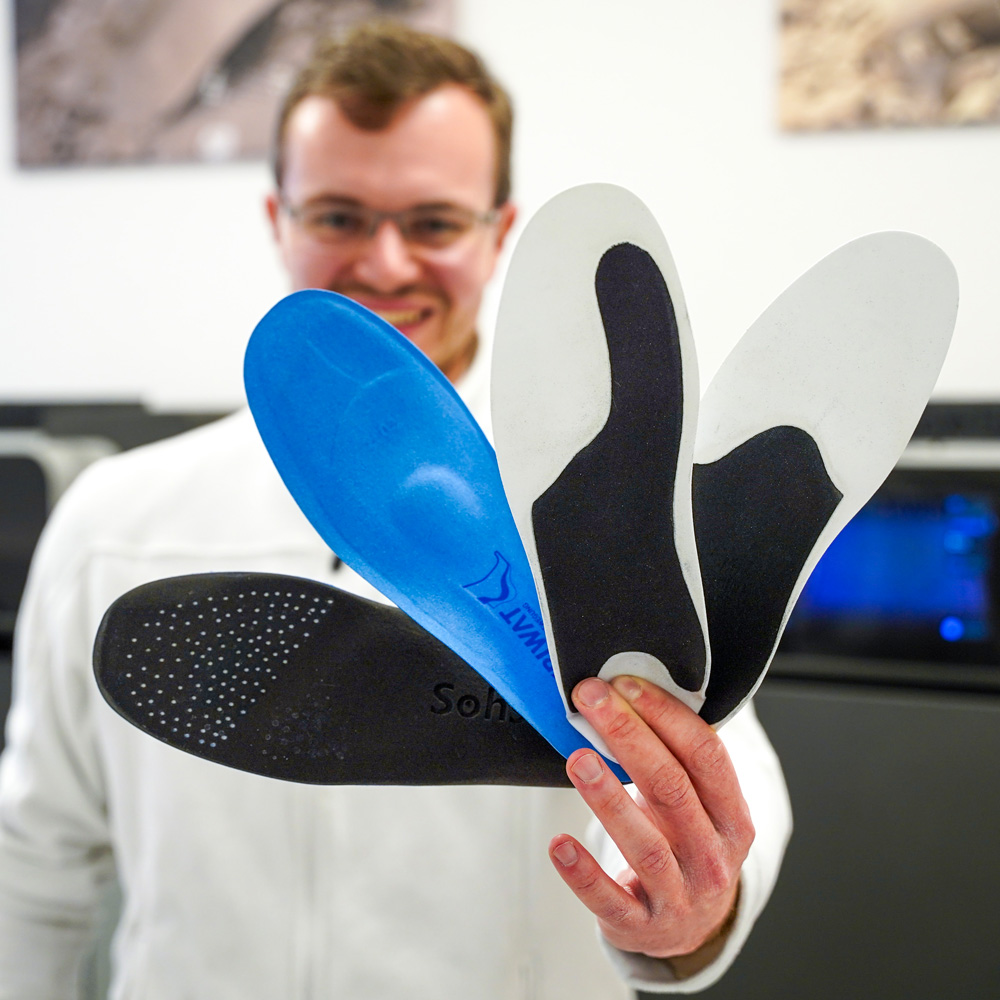
While some specialist companies have already fully digitized their production of orthoses and insoles and generate the necessary data using scanners, others remain completely committed to traditional craftsmanship.
Nowecor is a purchasing association that was founded 35 years ago and whose member companies operate around 600 locations throughout Germany. Its services include the “extended workbench,” which is available exclusively to members. “With this additional offering, we want to support our members and give them access to the latest technologies without them having to make large investments themselves,” explains Jens Rosenau.
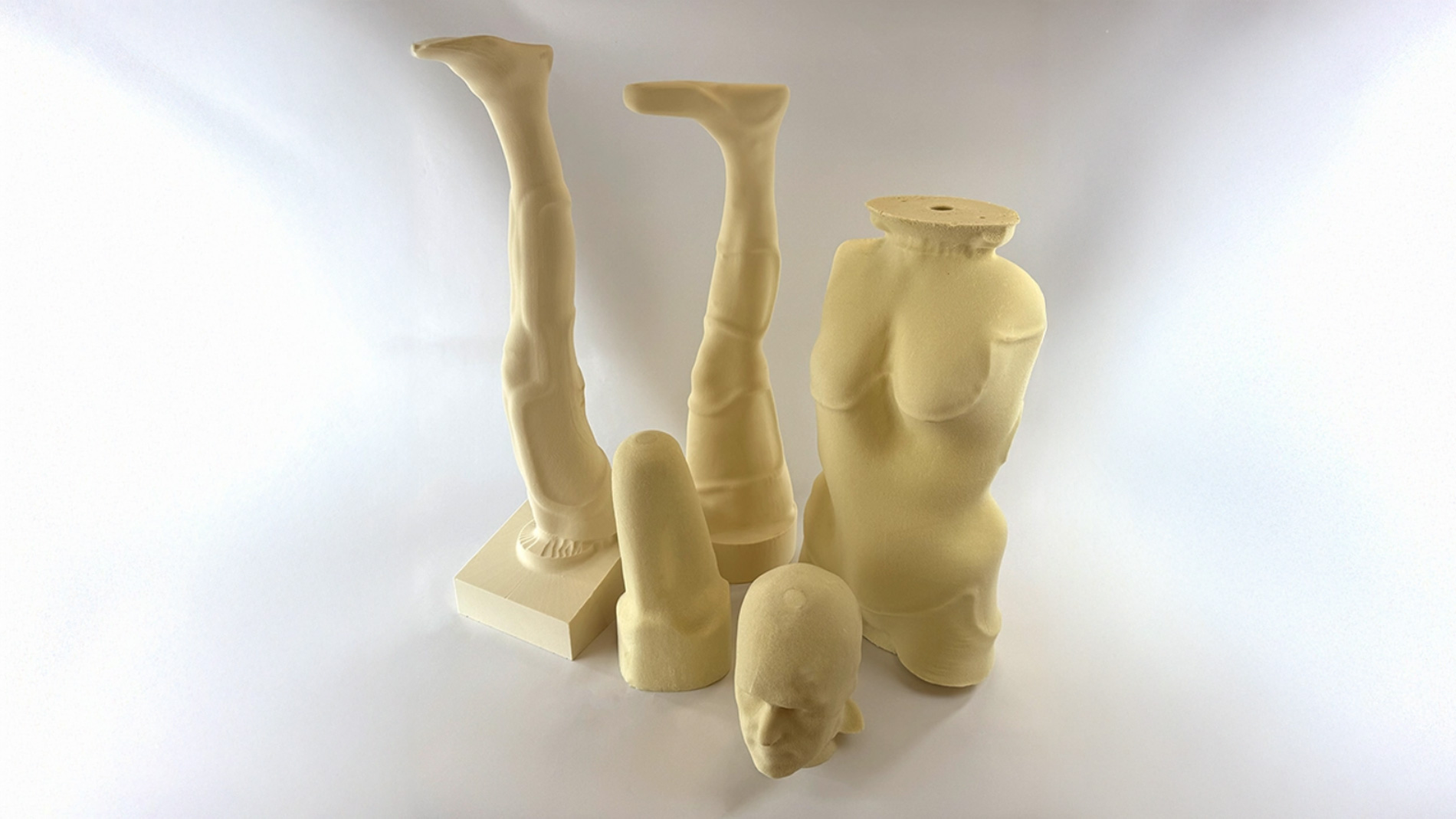
Nowecor launched the extended workbench project around 25 years ago to offer its members added value. Initially, inserts were manufactured on milling machines. Later, Nowecor expanded its machine park to include two 3-axis milling machines (which can be used to mill models for thigh shafts for use as positive models for later prosthesis construction) and a 7-axis robot (for milling entire leg and arm models and seat shell blanks, for example). In 2019, the company entered the field of Additive Manufacturing: First, an HP Multi Jet Fusion 4200 was purchased, followed in 2024 by an HP Multi Jet Fusion 5400W (“W” stands for “White”). In addition to technical manager Rosenau, the company currently has five employees in production and two in design.
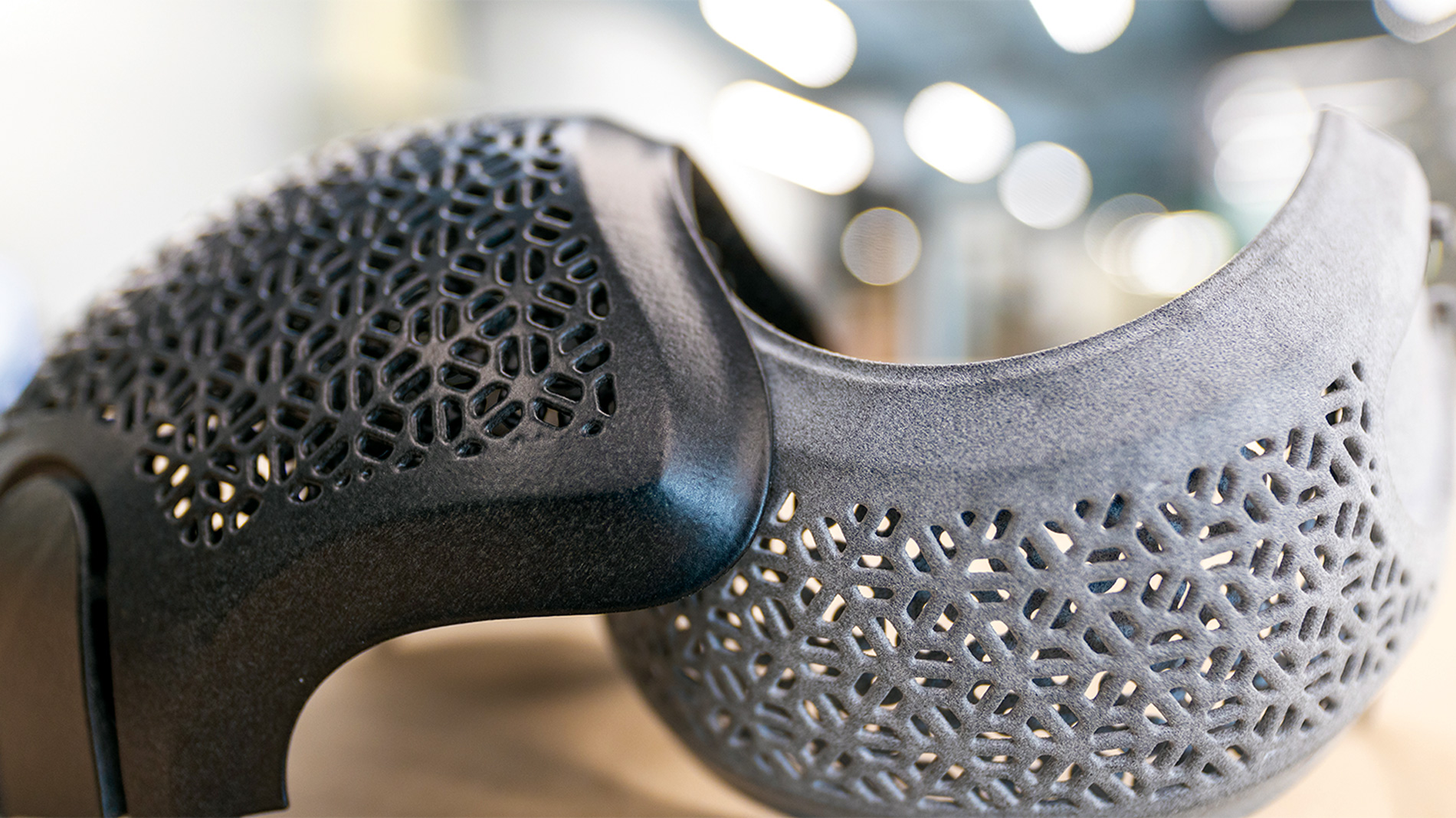
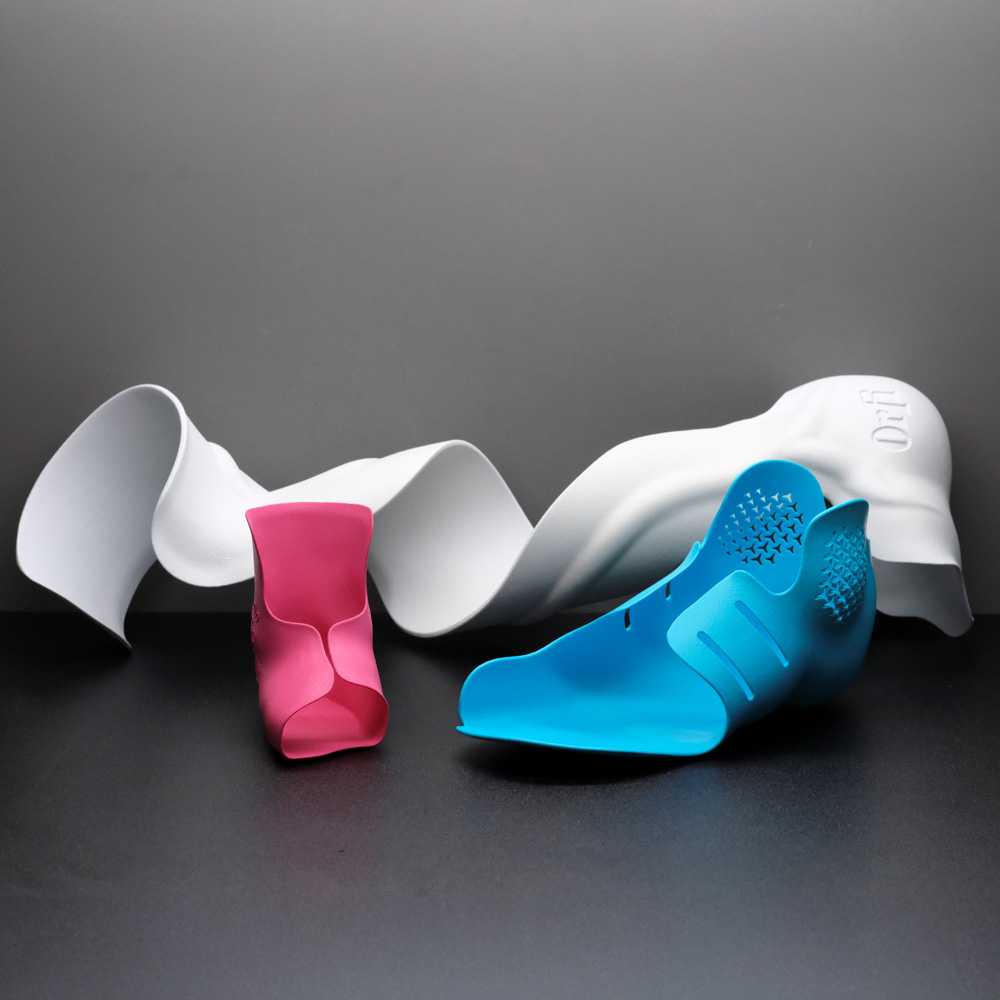
“Additive Manufacturing of white materials on the HP machine gives us real added value in the field of orthopedic technology, as we can color them in bright, vibrant colors.” To this end, Nowecor now has two DM60 dyeing machines from Dyemansion and a chemical smoothing process using the Powerfuse S from DyeMansion. “With the ‘extended workbench’ machinery, even small medical supply stores can offer their customers modern technologies that would otherwise be virtually unaffordable for a single store,” explains Rosenau.
From traditional craftsmanship to digital workflow
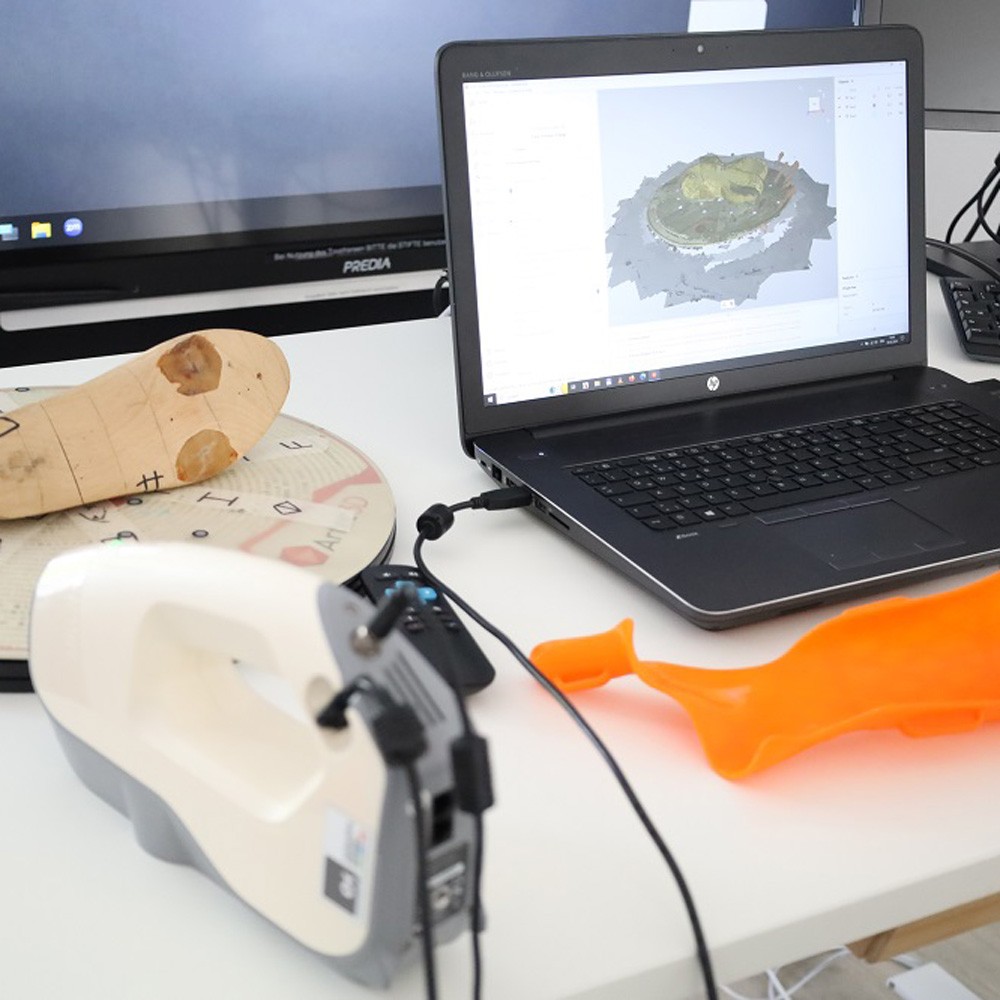
Some medical supply stores have their own scanners with an established digital workflow within their companies. “They send us digital data sets that are specially optimized for 3D printing,” says Rosenau. To simplify data creation for medical supply stores, Nowecor has developed an app for digital management of patient data captured during scanning (NoweScan app) and its own modeling software (NoweCAD), which is specialized for the requirements of the orthopedic technology sector and is continuously being further developed. At Nowecor, parts are manufactured according to the desired specifications, which in the case of 3D printing, also includes surface finishing and coloring. A preliminary product is delivered, which is then further processed by the member company.
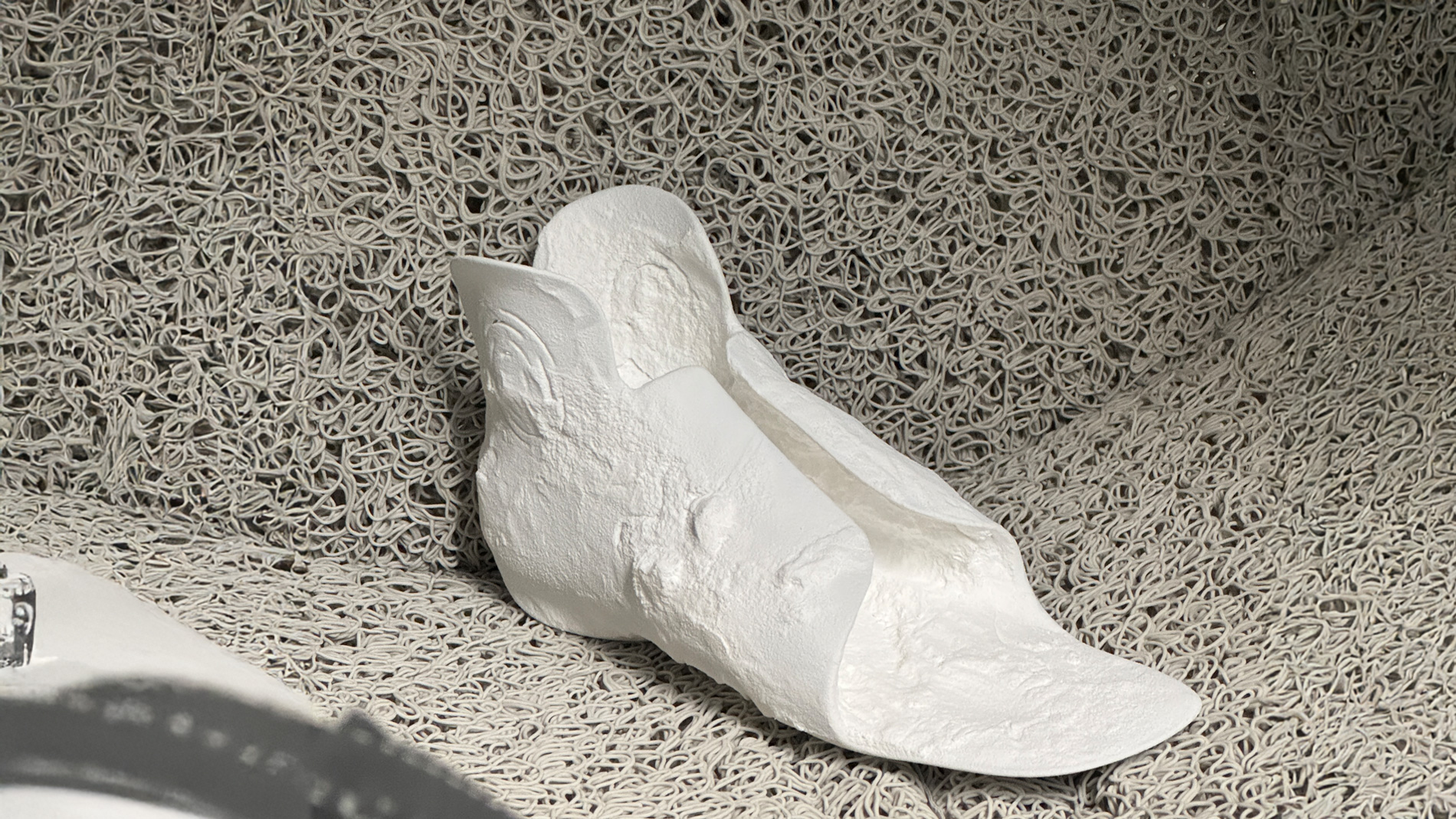
However, this process is still far from being the norm: “Many orthopedic technology companies have so far only focused on individual steps of digitization, such as scanning or digital modeling, while Additive Manufacturing is still largely missing as a final step,” explains Rosenau. For example, the molds on which orthopedic technology companies often manually create orthoses in their workshops are milled. And because even the traditionalists among orthopedic technicians will sooner or later recognize the advantages of digitization and additive manufacturing, Rosenau still sees a great deal of potential for 3D Printing in orthopedic technology.
Efficiency, skills shortage, and attractive designs
Besides improving production efficiency, Sebastian Bärthel, CEO of Nowecor, also believes that Additive Manufacturing can be helpful in addressing the shortage of skilled workers that is affecting the industry in Germany: “There are far too few people practicing this wonderful craft. At the same time, people are getting older, which means that our industry will always be needed.”