
Reading time: 2 minutes
Author: Thomas Masuch
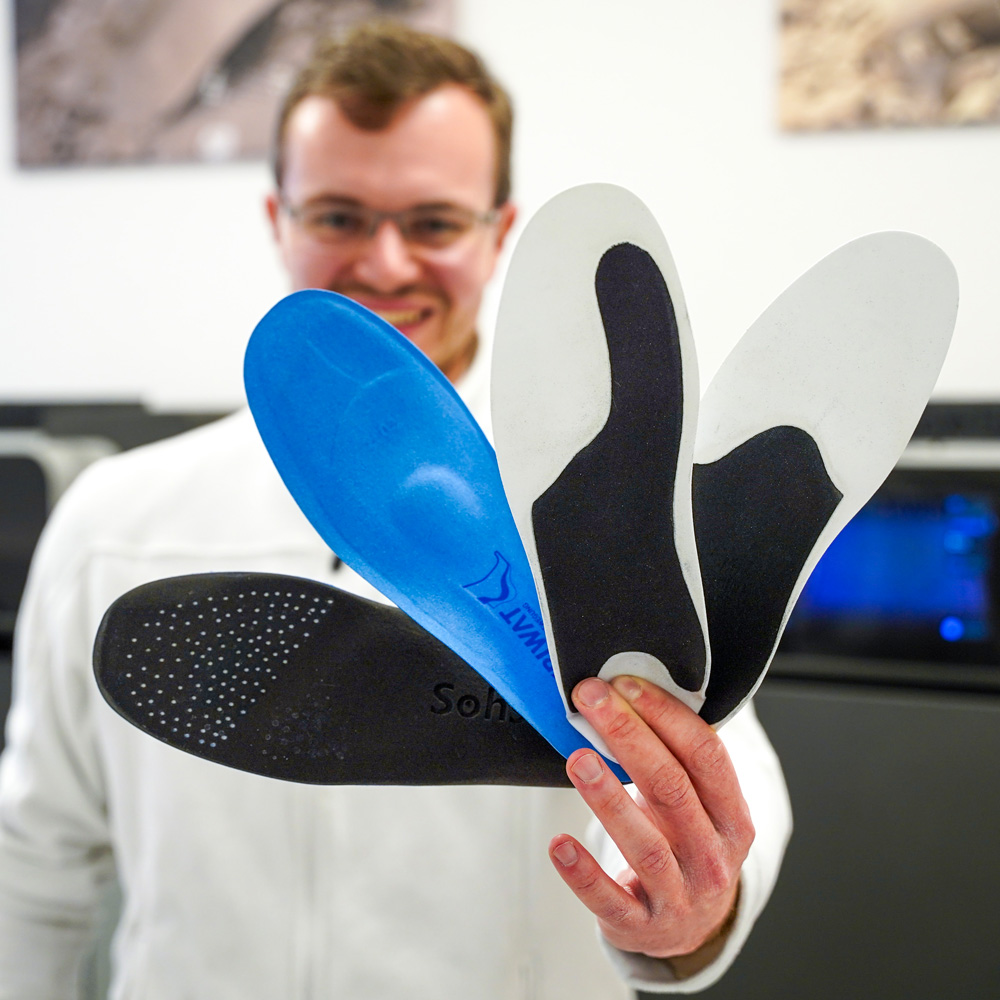
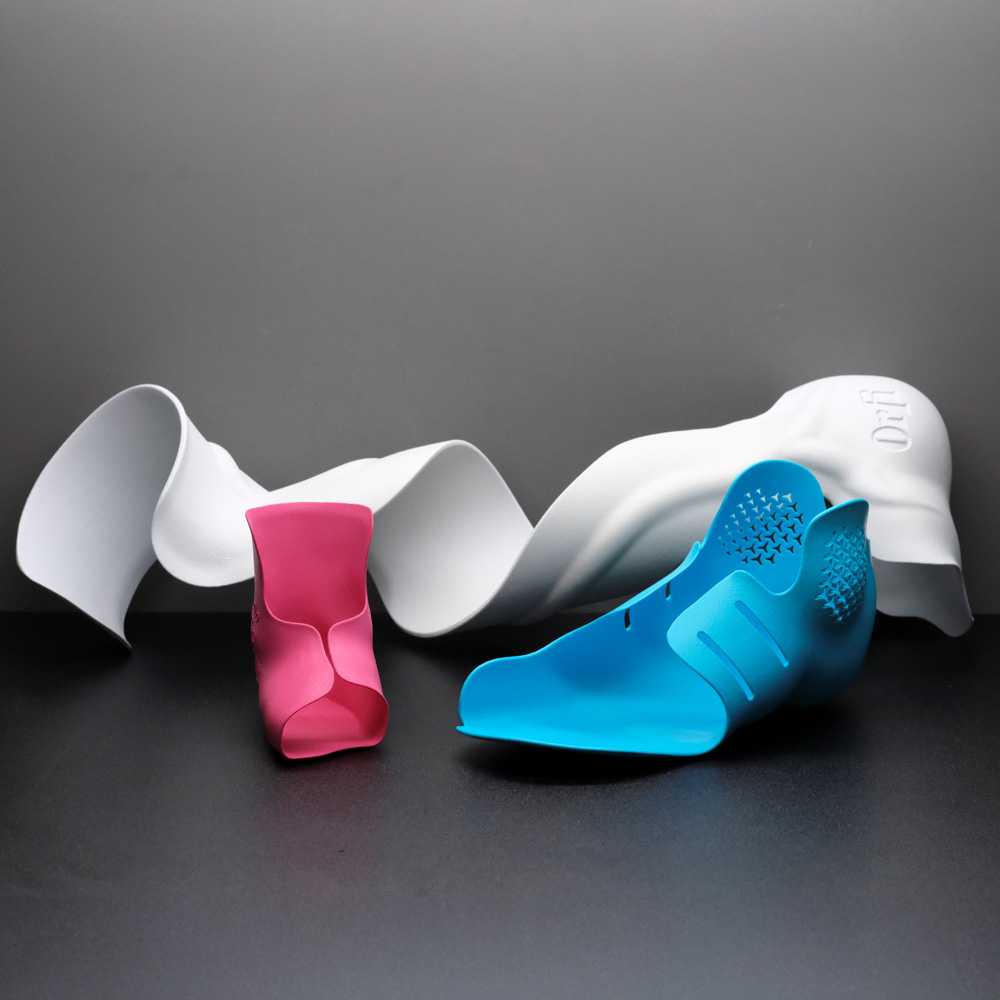
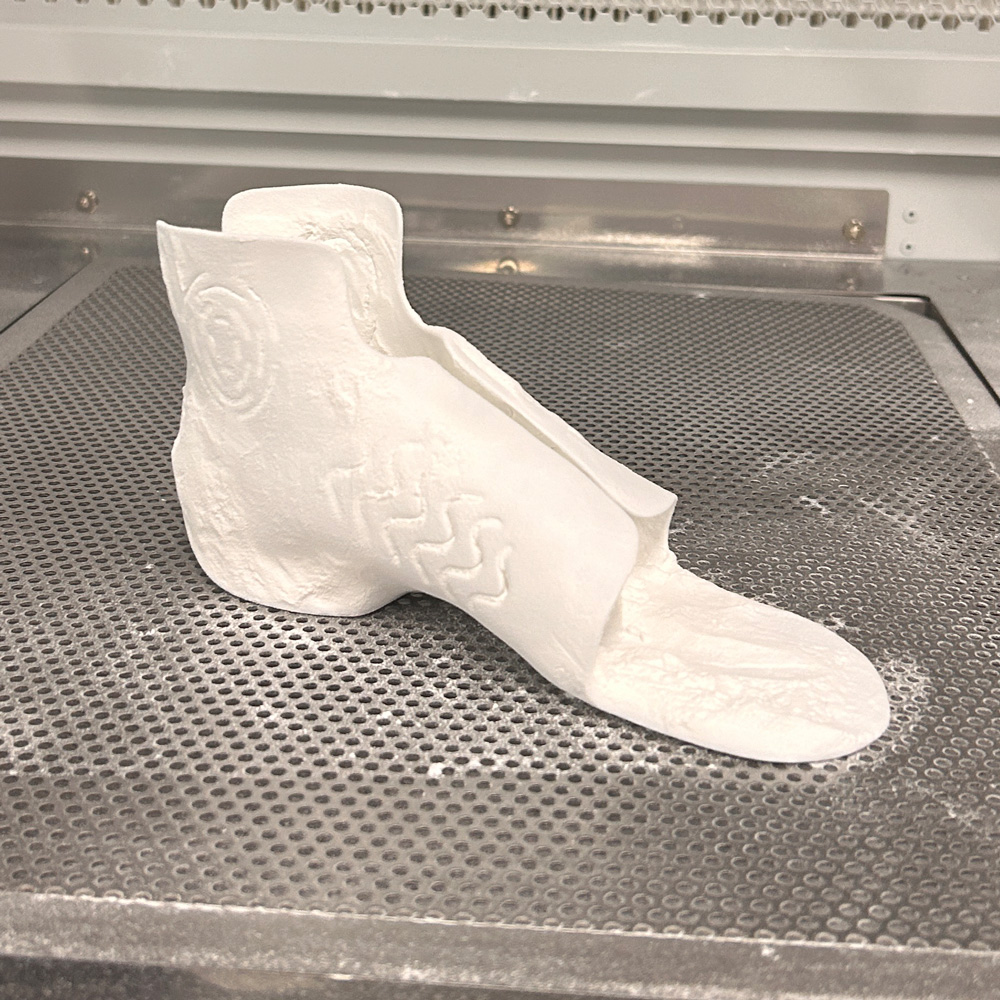
Antonius Köster first identified the emerging AM trend in orthopedic technology about eight years ago, as early adopters began reporting on their initial successes. “The technology has now moved beyond experimentation into full industrial maturity. Harnessing the efficiency of 3D scanning, digital modeling, and 3D printing, users can now manufacture orthoses or prostheses that were previously unimaginable.” The focus has shifted entirely to patient-specific solutions and away from standard, off-the-shelf solutions.
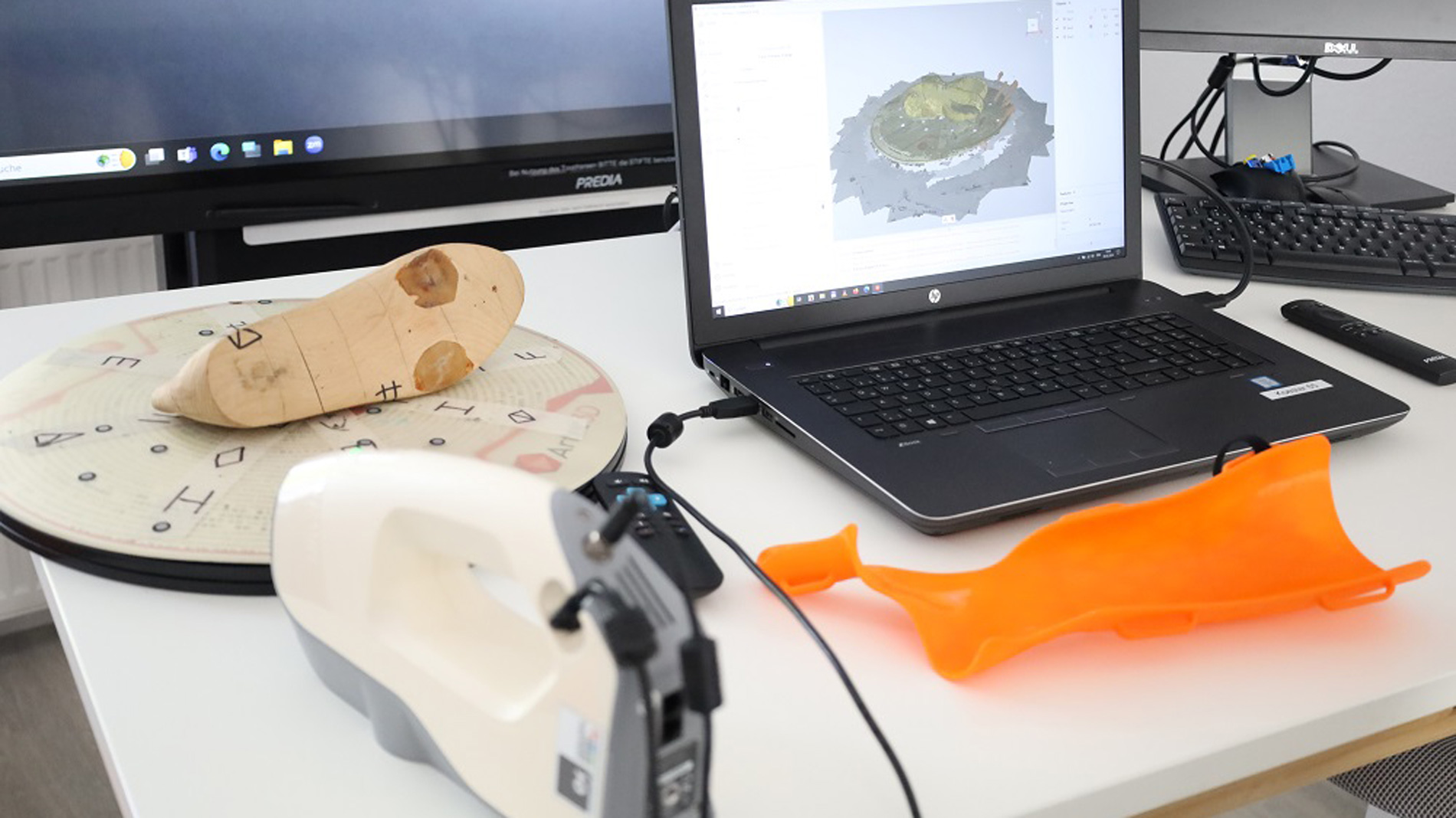
With over 25 years of experience in the supply of software and hardware for digital manufacturing, the managing director of Antonius Köster GmbH & Co. KG first engaged with the orthopedic sector 18 years ago. Today, the industry represents 40 percent of the company’s client base; around 200 companies that are supplied with and supported by, for example, Hexagon’s Geomagic Freeform software, haptic input devices from 3D Systems, and various 3D scanners from Shining3D, Artec3, and Revopoint. Over the years, Köster has expanded his portfolio to include Polyquark’s Wrapstyler software, which “provides a digitally supported solution for another bottleneck in orthopedic workshops,” according to Köster, which includes patterns for fiber-reinforced parts, padding, and covers. Overall, the positive trend continues. As Köster explains: “The number of orthopedic customers is definitely on the rise.” Most are medium-sized orthopedic businesses with up to 50 employees and multiple branches.
Expansion could happen faster
Despite the growing opportunities for AM in the field of orthopedic technology, adoption by the industry often proceeds slowly, if at all. As Köster explains, “We recommend that companies assign two employees to the implementation of these technologies.” He knows, however, that this is generally unrealistic for smaller orthopedic technology companies. “A dedicated master craftsman doesn’t have the mental bandwidth in day-to-day operations and is often under time pressure. And when faced with challenges, even if the company has scanners and digital technologies, they fall back on tried-and-true traditional methods.” Nevertheless, Köster also knows several smaller orthopedic technology companies that have successfully mastered the transition to Additive Manufacturing and continue to scale up. “This is often driven by the owner or their next generation.”
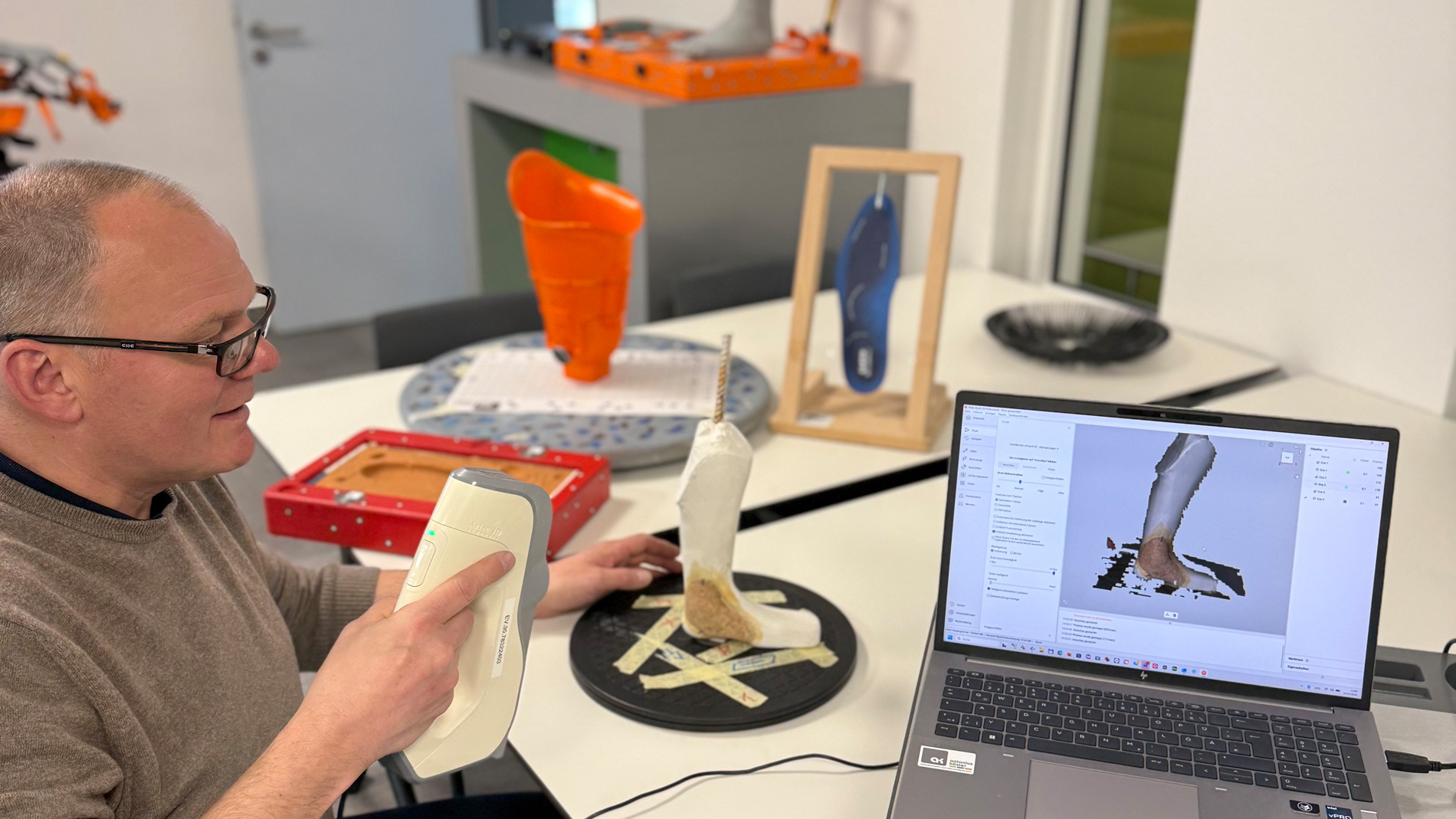
As a solution for smaller companies, Köster recommends an initial in-depth consultation to figure out what is truly needed. The next step would be to purchase a scanner and source custom 3D-printed orthoses through a service provider. “With the scanner, you can scan the patient, the manually created plaster model, or the trial fitting, and then design the final device and have it 3D printed.” Once this process is established and demand grows, the AM division can be expanded accordingly. According to Köster, the number of small businesses considering digital manufacturing is growing, even if they aren’t using it yet. “Most users know what they’re getting into and that the scanner is the first step, because you can’t move forward without data.”
A growing user community
At larger companies, Köster has observed a much higher level of maturity and a drive toward scaling in AM processes, which he explains is largely down to staffing. Larger orthopedic technology firms tend to have established development departments dedicated to handling custom 3D-printed prosthetics. Here, too, Köster’s customers have expressed an interest in expanding their 3D printing and digital manufacturing capabilities, but encounter difficulties finding suitable personnel. “In other words, with more qualified operators, we could bring significantly more scanners and software to market.”
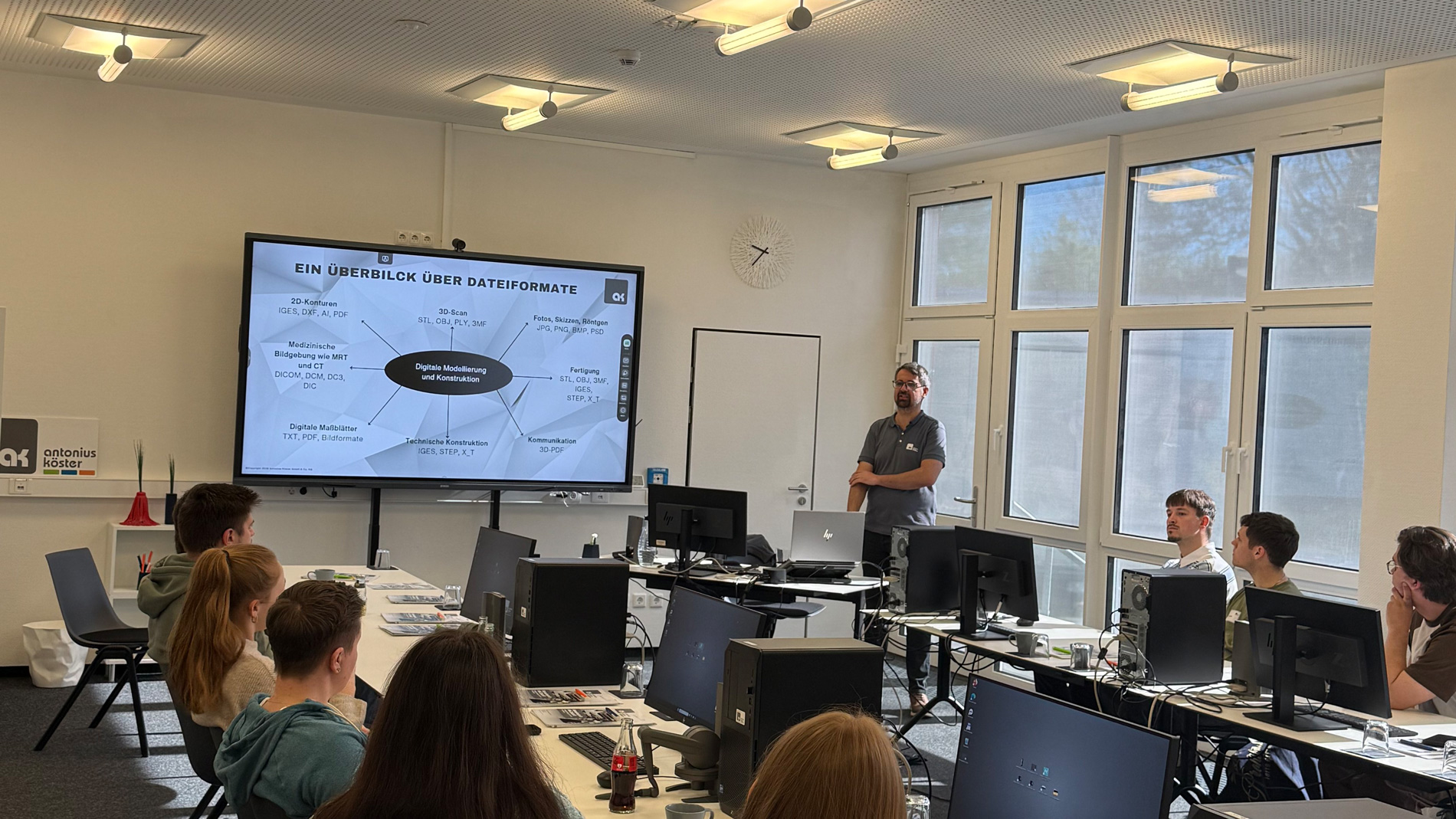
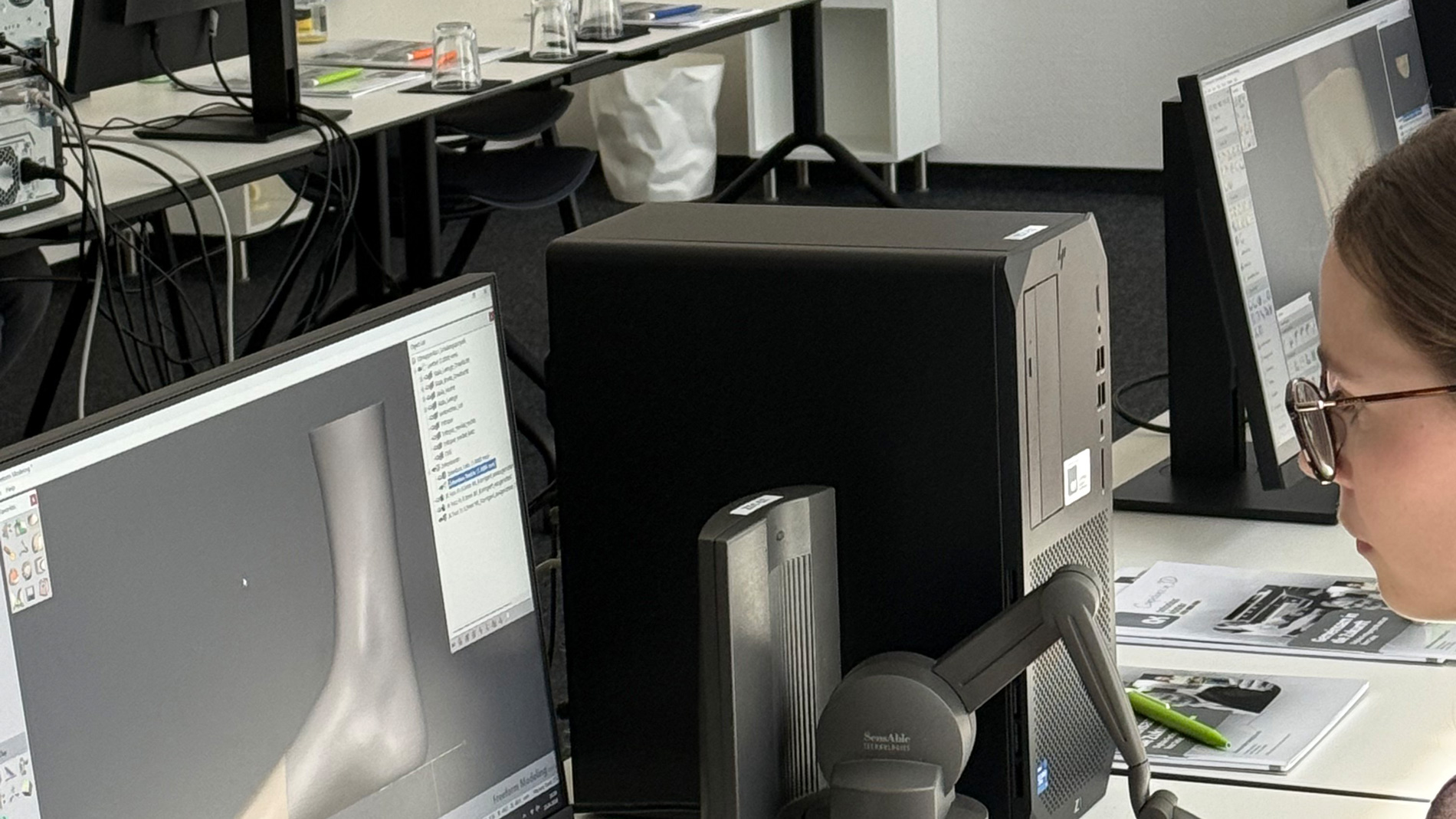
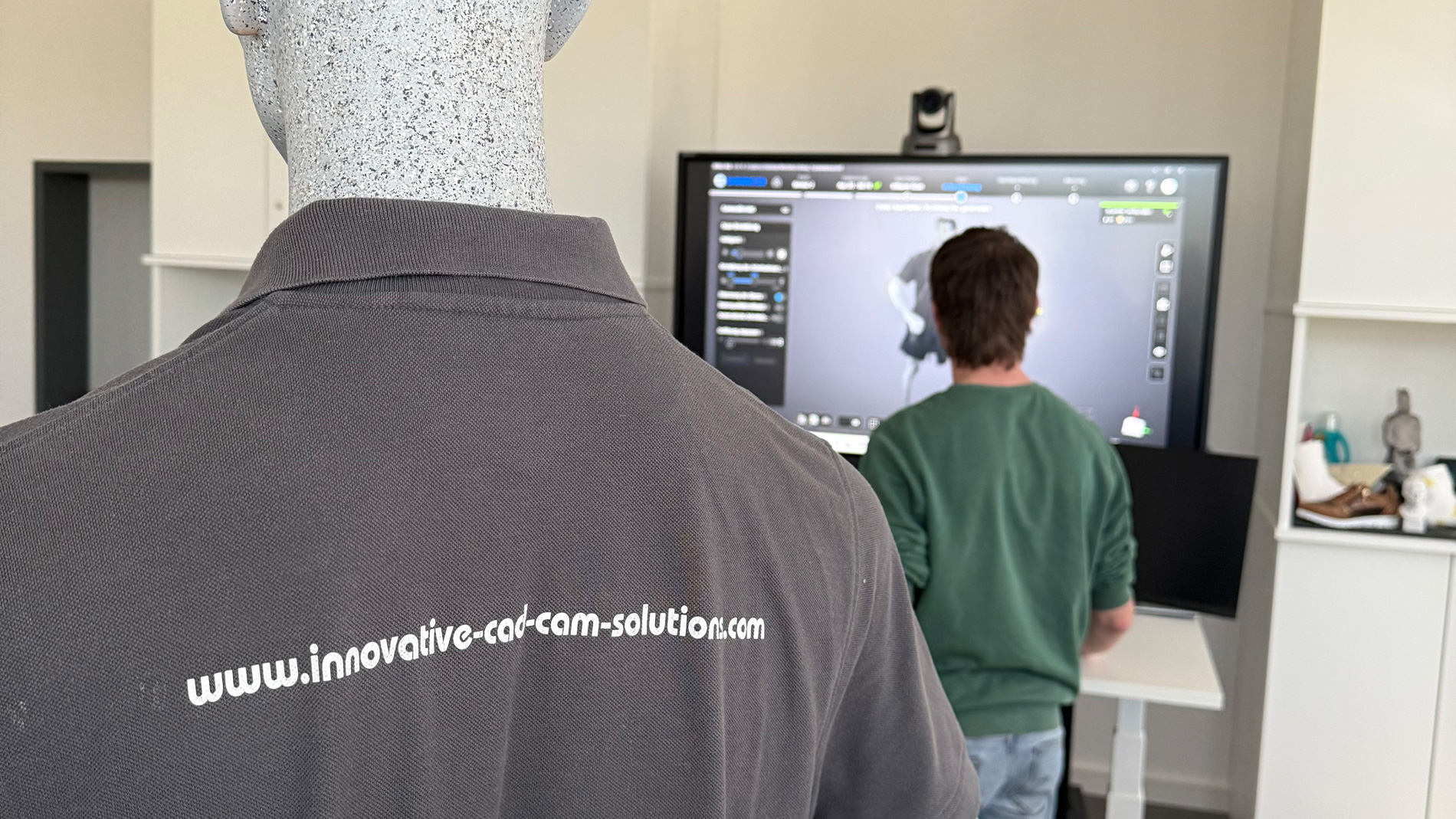
To at least partially address this imbalance, Köster is focusing on continuing education. Since March 2026, in addition to the well-known basic and advanced training courses, he has also been offering an introductory course in digital manufacturing for orthopedic technology designed for interested parties with little or no prior knowledge. The goal is to illustrate the advantages of digital manufacturing while also addressing material selection, scanning strategies, and how to use AM to construct orthoses and prostheses with a level of consistency and intelligence that traditional methods, such as deep drawing and laminating, cannot match. The practical portion covers several scanning tasks and the digital modeling of an AFO (ankle-foot orthosis). The course is aimed at career changers, interested employees, and trainees who are considering their future career path as they approach the end of their apprenticeship. The courses will be held at the Antonius Köster site in Meschede in a dedicated 90-square-meter training room with 10 fully equipped workstations and an adjacent demo room for 3D scanners and 3D printing. This new training format was developed during the previous Formnext in collaboration with customers and interested parties.