Reading time: 10 minutes
Text: Thomas Masuch
Addiblast: Depowdering exceptionally large and heavy AM builds
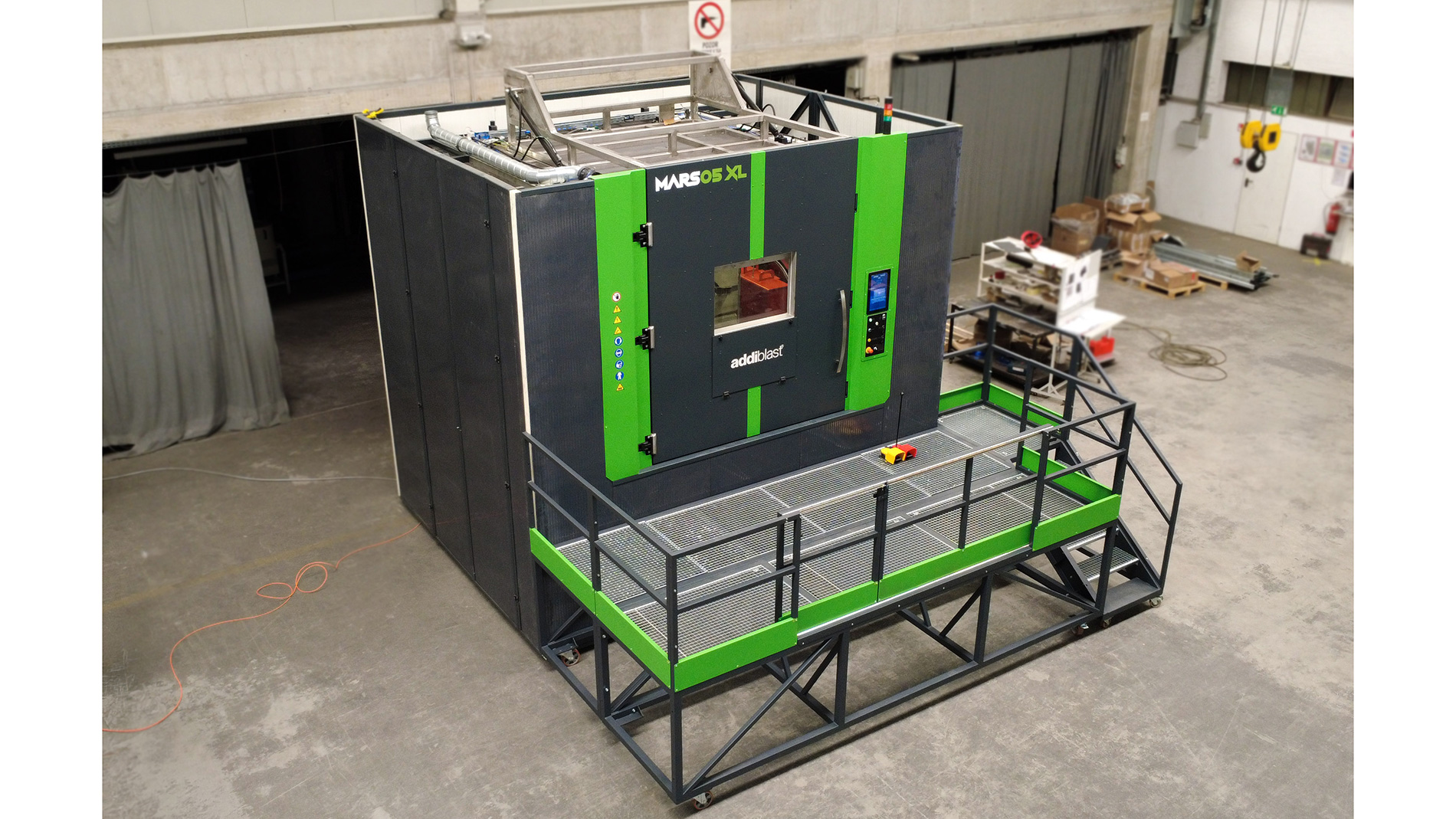
Addiblast will be showcasing the Mars05 XL – a system developed for the automated removal of powder from exceptionally large and heavy Additive Manufacturing (AM) builds. Designed to accommodate build volumes of up to 1,375 × 1,375 × 1,700 mm and loads of up to 7,000 kg, the Mars05 XL executes the entire depowdering process within a fully enclosed workspace. It combines controlled two-axis rotation with vibration to release loose and trapped powder quickly and effectively. The system is also material independent and not restricted to a specific metal powder. Additionally, an ATEX-rated design ensures suitability for both reactive and non-reactive powders, with removed powder pneumatically conveyed out of the unit for downstream handling.
Addiblast by FerroCrtalic at Formnext 2026: Hall 12.0, Booth C12
BMF: Cleaning and strengthening surfaces
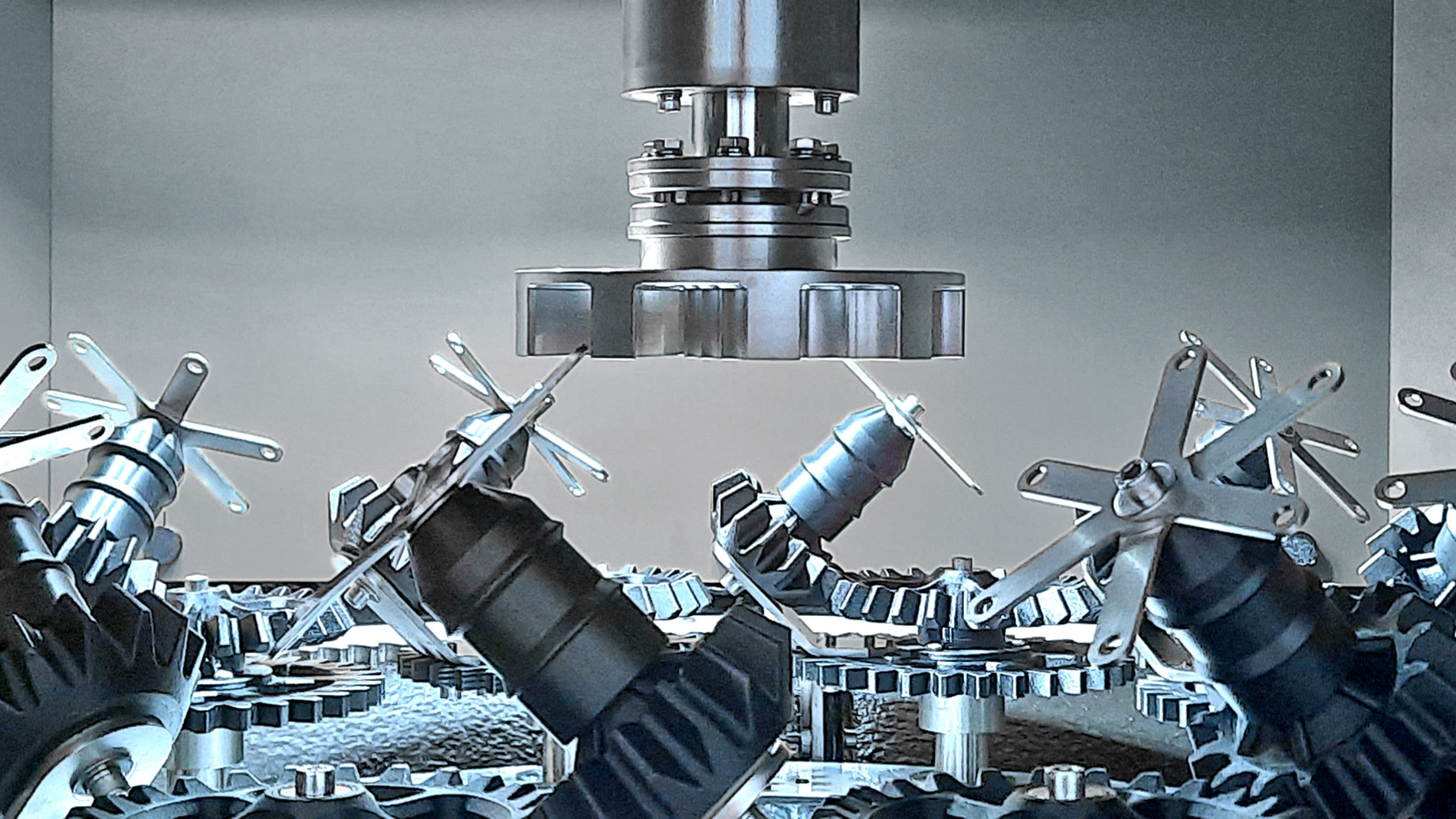
BMF GmbH has developed a new process that cleans additively manufactured components while simultaneously and selectively modifying the mechanical properties of their surfaces. A key element of the process is shot peening. During this process, small steel balls strike the component surface at high speed, causing plastic deformation in the material close to the surface. This process can introduce compressive residual stresses into the surface layer and increase surface hardness. As a result, it can improve fatigue strength and wear resistance while helping to prevent surface crack formation in highly stressed components. The properties of the treated surface can be precisely adjusted using defined shot peening parameters. In addition to geometric and topographical characteristics, such as surface roughness, particular emphasis is placed on tailoring the mechanical properties of the surface layer to specific application requirements. Through the precise control and documentation of relevant blasting parameters, BMF aims to ensure reproducible processing results, an important requirement for industrial series production.
BMF at Formnext 2026: Hall 11.0, Booth B30
Grenzebach: Automated and connected post-processing
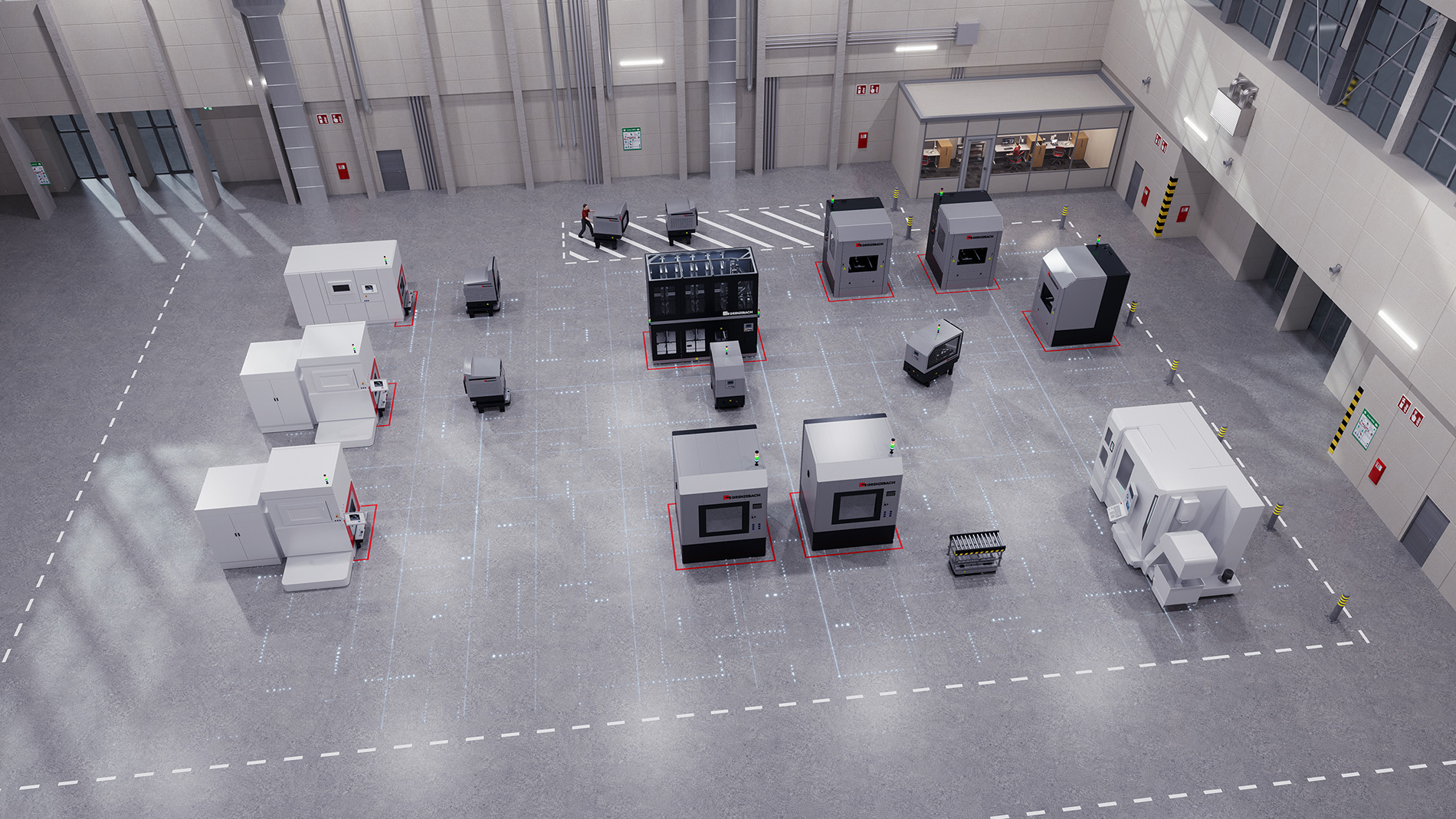
Scaling Additive Manufacturing for industrial production requires more than automating individual process steps. The key is to connect printing, post-processing and material flow into an integrated production environment. The company combines automated loading and unloading systems with transport, buffering and post-processing technologies. Autonomous transport systems handle material flow between stations and connect equipment from different manufacturers into a single production environment. “For productive additive series manufacturing, simply optimising individual machines is not enough. What happens between the machines is what matters. Different cycle times, material flows and technologies need to be intelligently coordinated so that they operate as one integrated system,” says Dimitrios Livadas, CEO of Grenzebach Additive Solutions.
Grenzebach Additive Solutions at Formnext 2026: Hall 12.0, Booth D61
Fraunhofer IAPT: Ultrasonic waves inducing controlled fractures
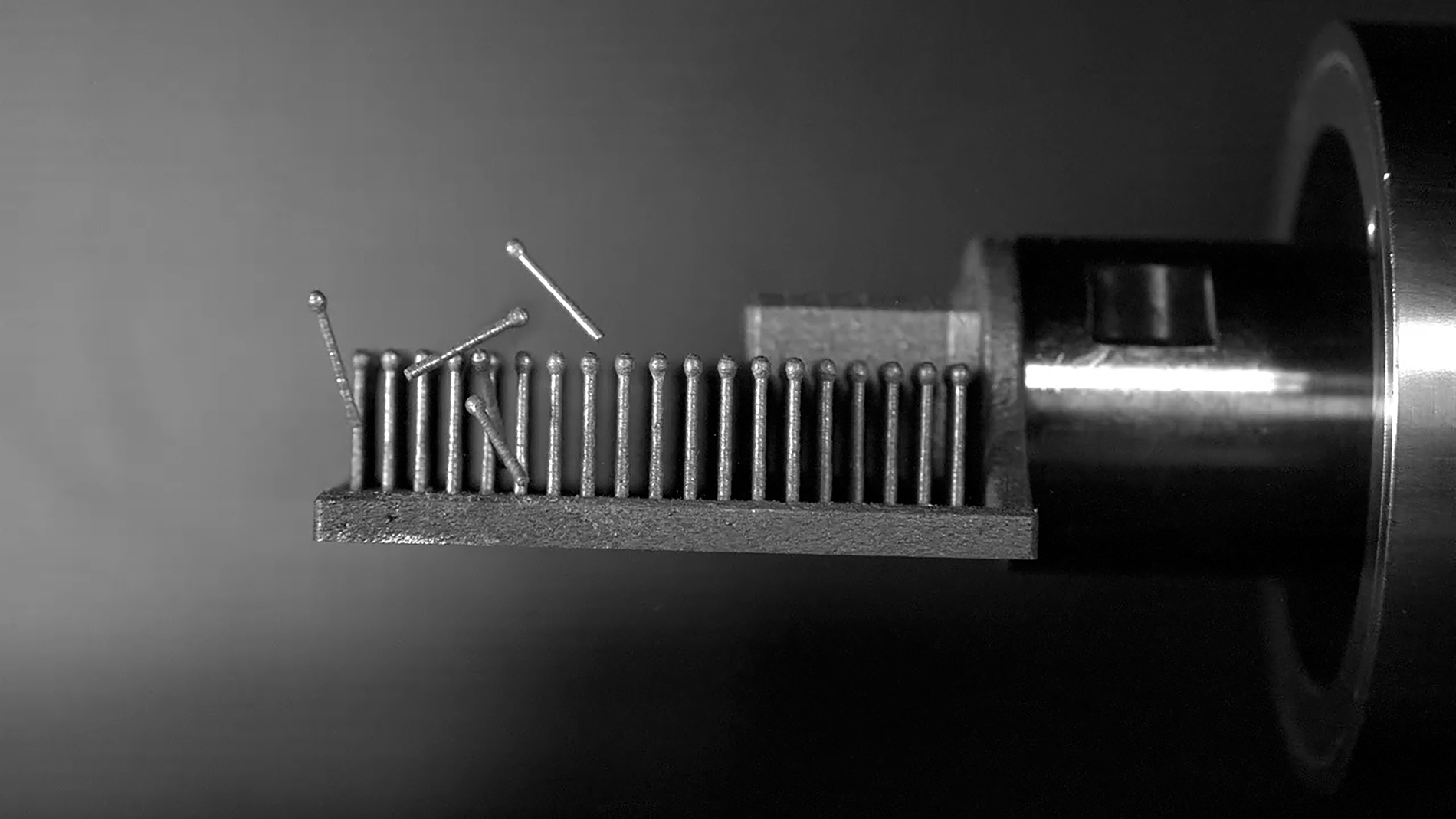
The Fraunhofer Institute for Additive Production Technologies (IAPT) is presenting for the first time a new method for removing support structures from additively manufactured metal components. The process uses high-frequency mechanical vibrations in the ultrasonic range to automate support structure removal. According to IAPT, benefits of this method include improved workplace safety, time savings, cost reductions, improved process stability, greater reproducibility and more consistent quality. The process combines component-specific vibration excitation with specially adapted support structure designs, generating resonance effects within the support structures and inducing local stress peaks at the attachment points. In addition, the institute is presenting an automated powder removal solution for PBF processes. The system combines a collaborative robot (cobot) equipped with a dedicated clamping system for handling components and build plates with a specially developed powder removal cell. This flexible solution is intended to improve occupational safety while also enabling cost savings, improved quality and a high level of powder recovery.
Fraunhofer IAPT at Formnext 2026: Hall 12.0, Booth C51
Solukon: Automated depowdering for LPBF parts of up to 800 kg
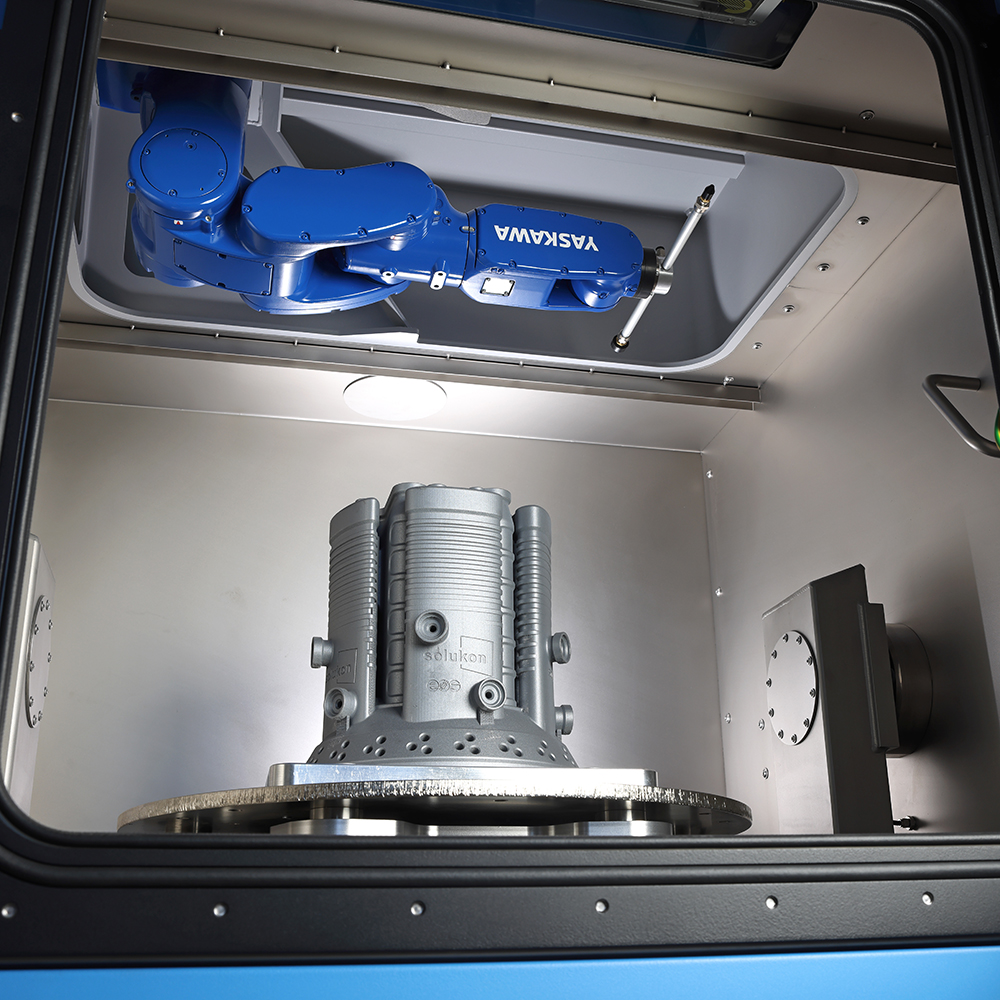
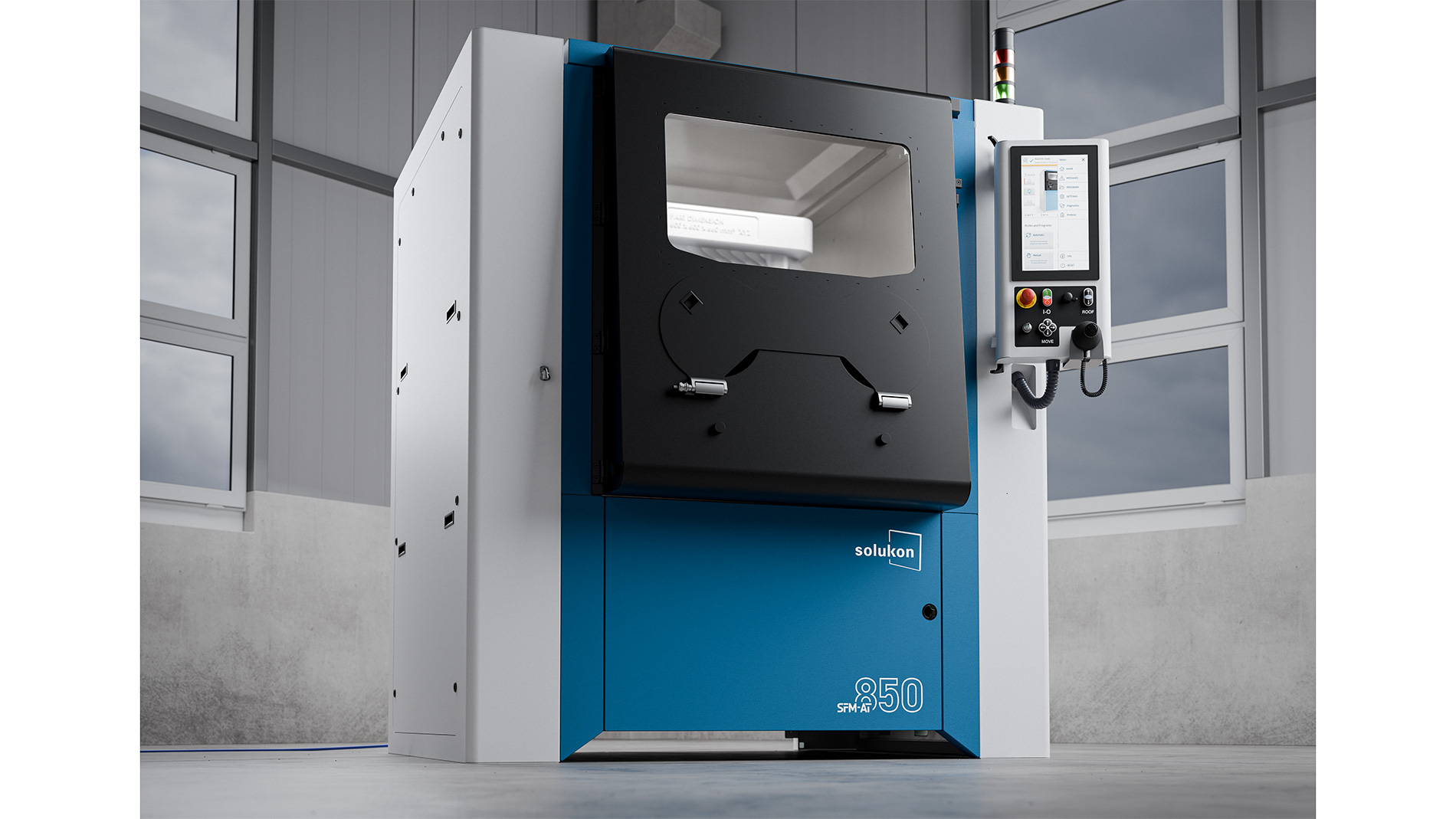
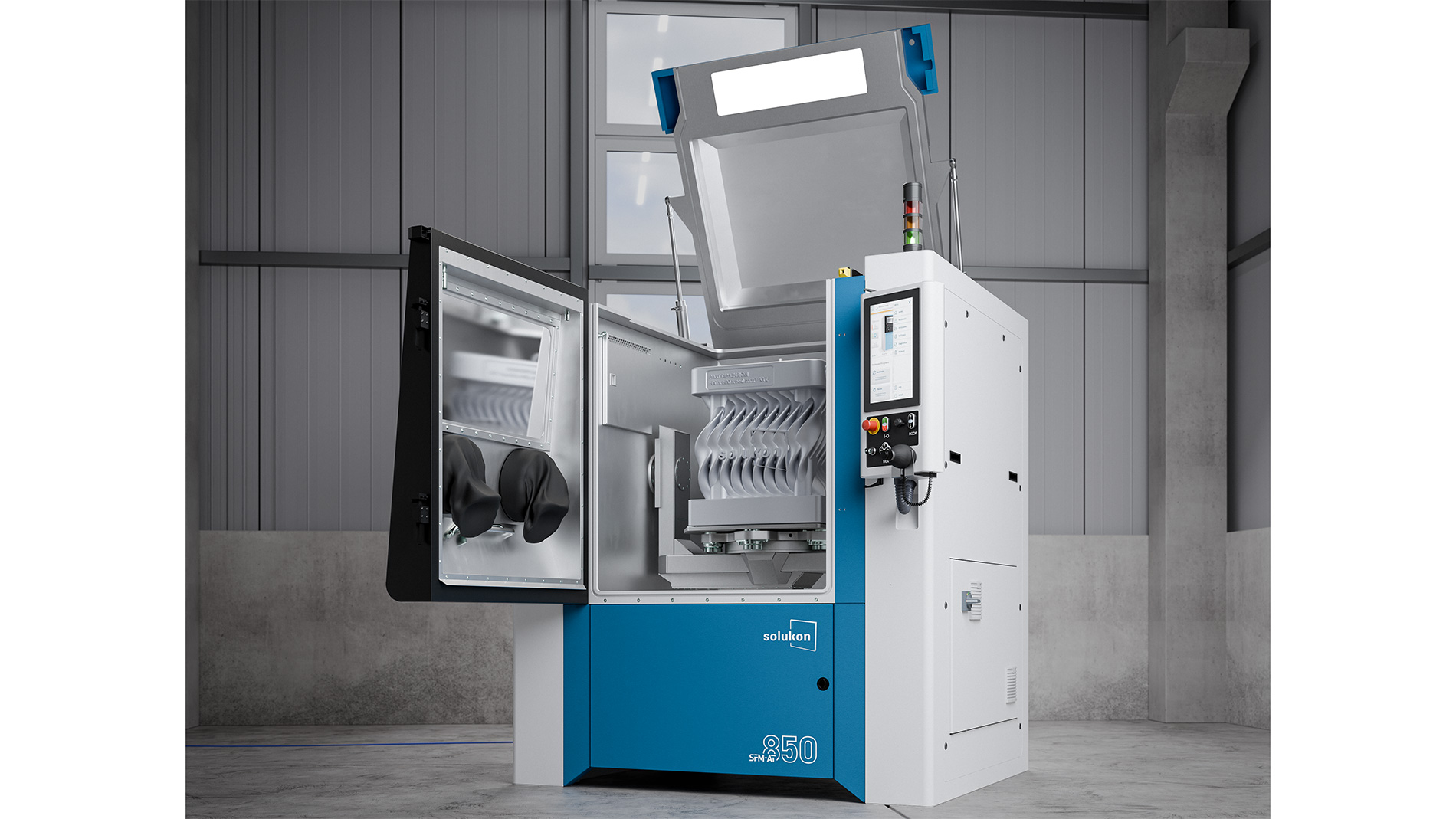
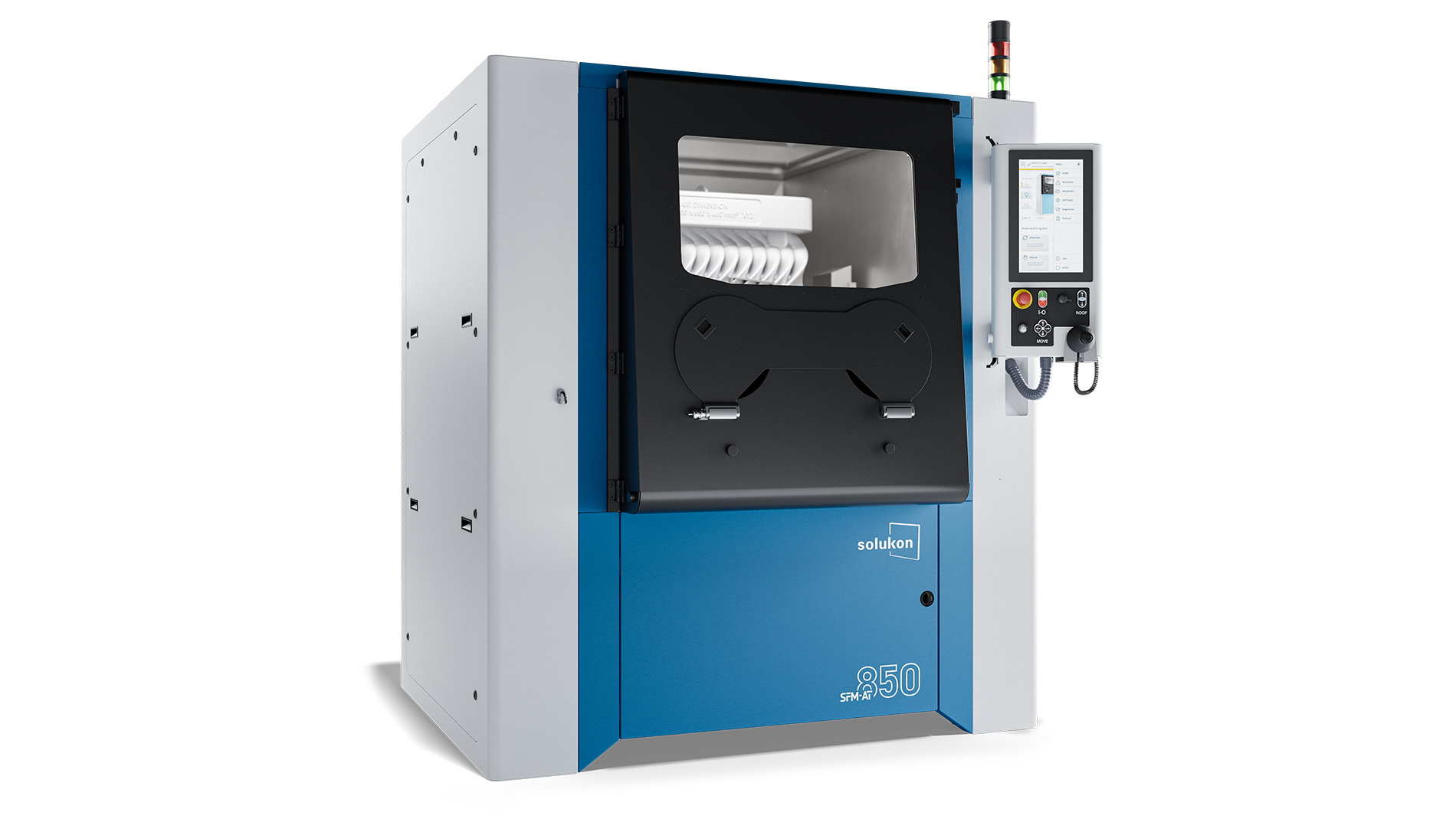
With the new SFM-AT850, Solukon is expanding its range of automated depowdering systems for large LPBF components. Making its world première at Formnext 2026, the system is fully compatible with SPR-Pathfinder software. This uses CAD data to calculate the optimum depowdering motion sequence, allowing users to assess depowdering feasibility during the design stage. The SFM-AT850 can accommodate components weighing up to 800 kg (500 kg more than the previous SFM-AT800-S model) and measuring up to 650 × 650 × 800 mm. At the same time, its overall dimensions are smaller than those of the previous SFM-AT800-S model. The SFM-AT850 uses Solukon’s Smart Powder Recuperation (SPR) technology, combining programmable two-axis rotation with vibration excitation to ensure that powder can be removed from even the most complex internal channels. For reactive materials such as aluminium and titanium, the system can be operated under an inert protective gas atmosphere. Additional features include extra compressed-air and inert-gas connections on the rotary table, enabling optional supplementary air-blow solutions. For particularly tall components, an extended swing arm is available, increasing maximum component height capacity to 1,050 mm.
Solukon at Formnext 2026: Hall 12.0, Booth D58
Images: Solukon
Becker AMS: Powder recovery, long-life filtration and passivation
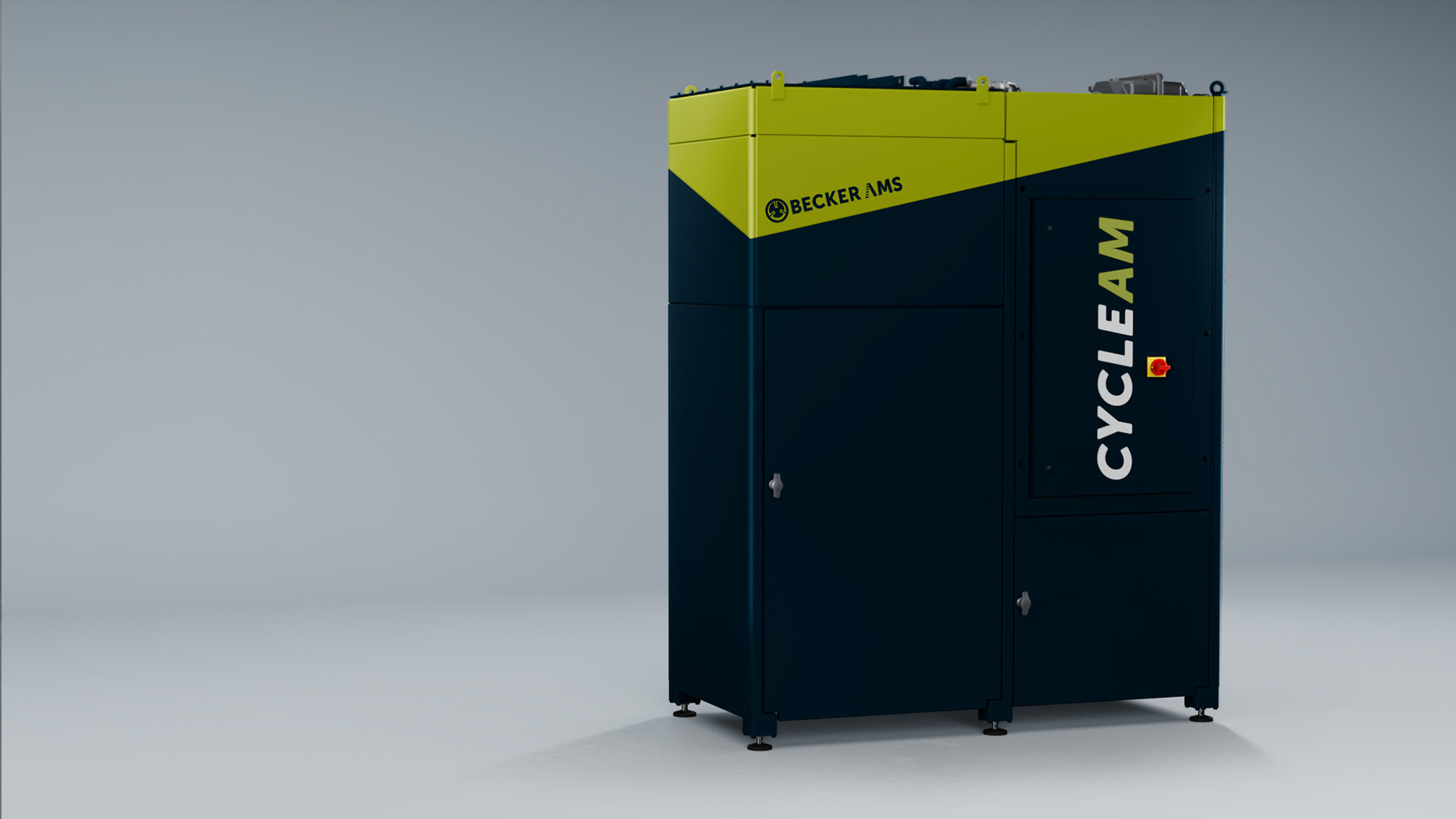
Becker Additive Manufacturing Solutions (Becker AMS) will showcase CycleAM, a new process gas management solution for the LPBF process. The system combines powder recovery, long-life filtration and patented automatic passivation technology. A cyclone separates powder from the process gas stream before it reaches the downstream filtration stage. The recovered powder can then be sieved and qualified for potential reuse in accordance with the applicable material and quality requirements. At the same time, upstream separation reduces the particle load on the downstream filtration system, which is designed for an exceptionally long service life. Depending on the material, application and operating conditions, a filter lifetime of approximately six to eight years can be achieved. Metal LPBF generates fine, reactive process residues and condensates, particularly when processing reactive materials such as titanium. These residues require special precautions during handling, storage and disposal. Using Becker AMS’s patented passivation technology, these residues are automatically treated within the system and converted into a non-reactive, non-explosive state.
Becker AMS at Formnext 2026: Hall 12.0, Booth G101
Toolcraft: Precision cleaning in a 550 m² cleanroom
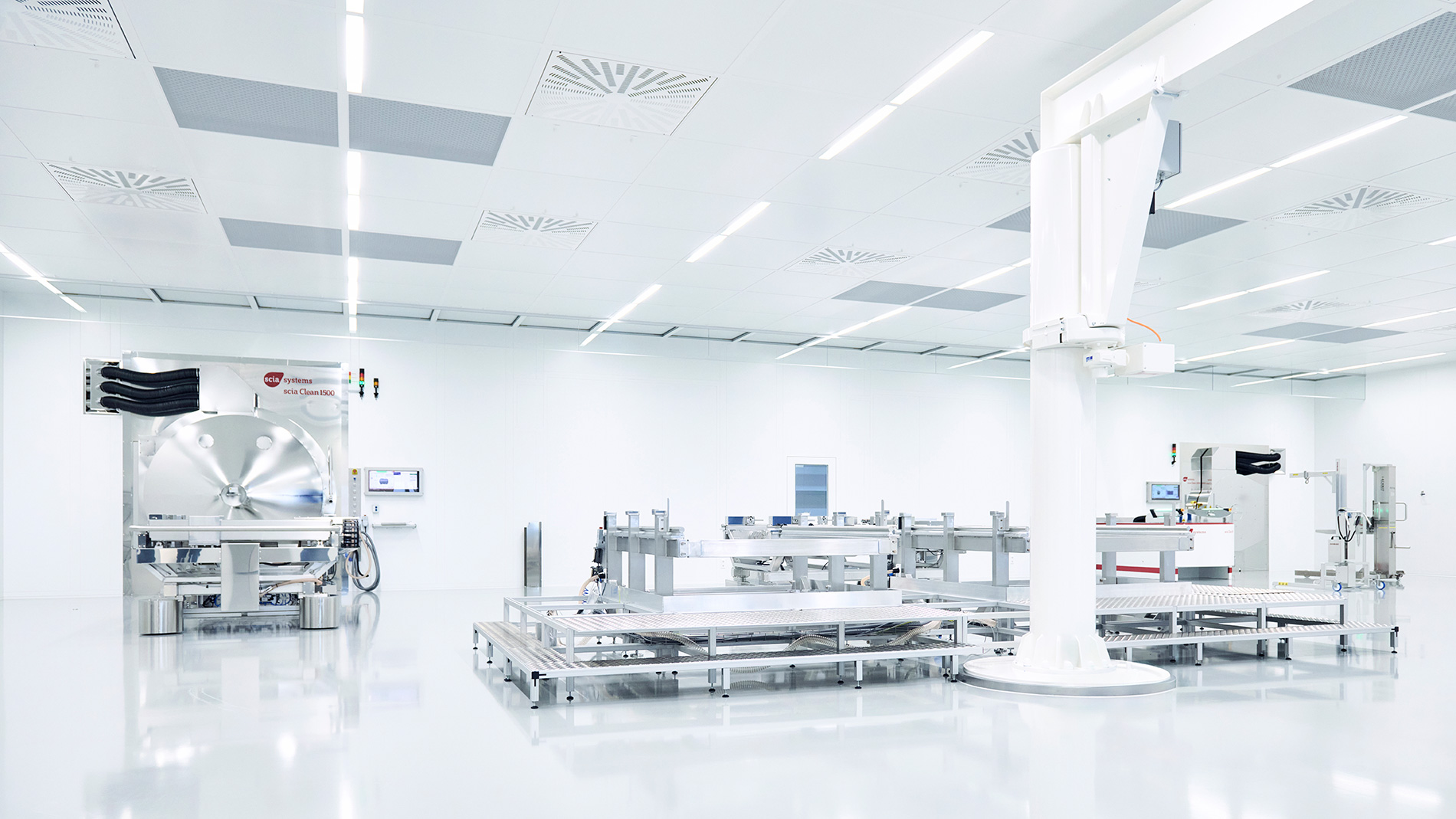
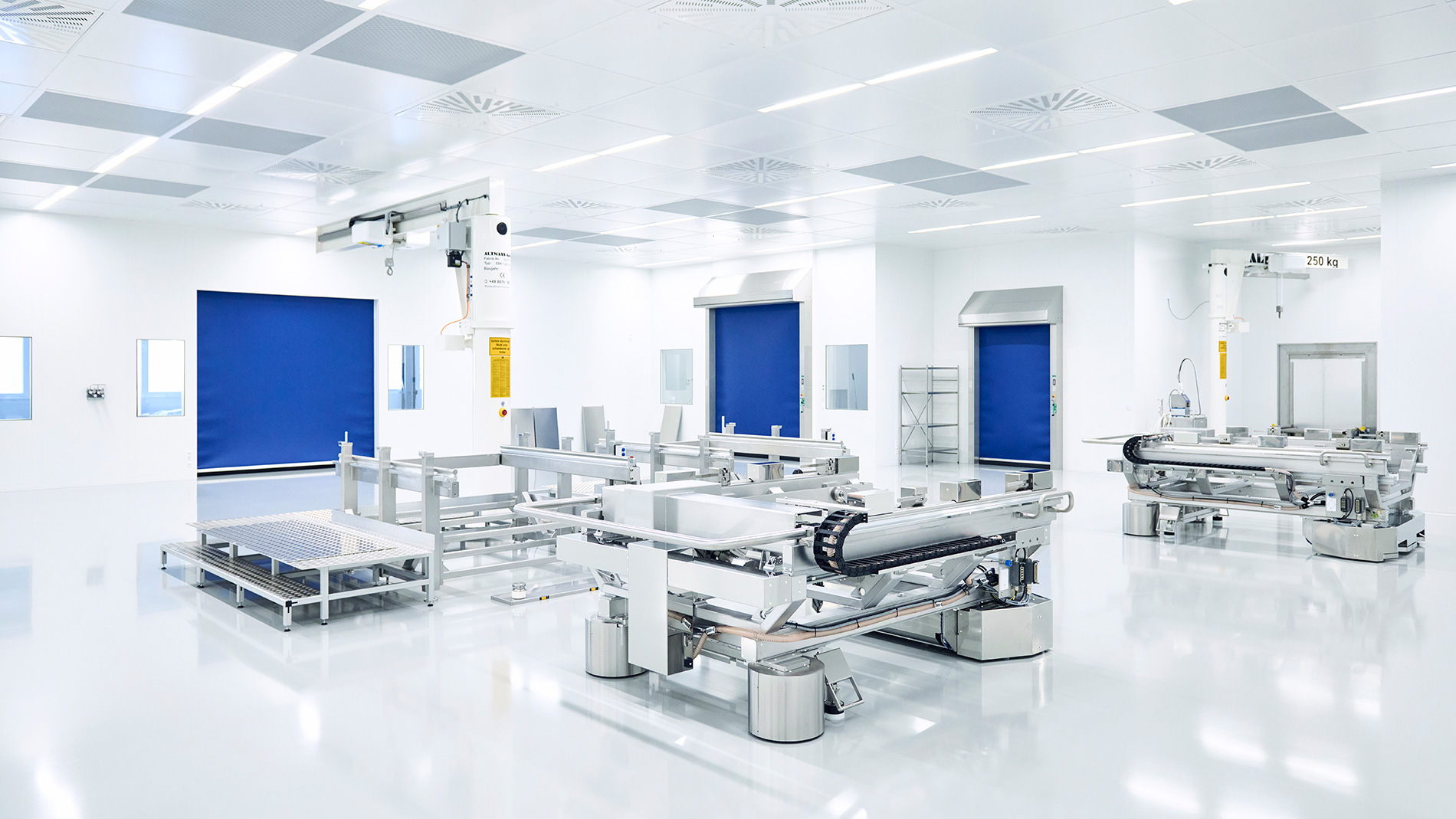
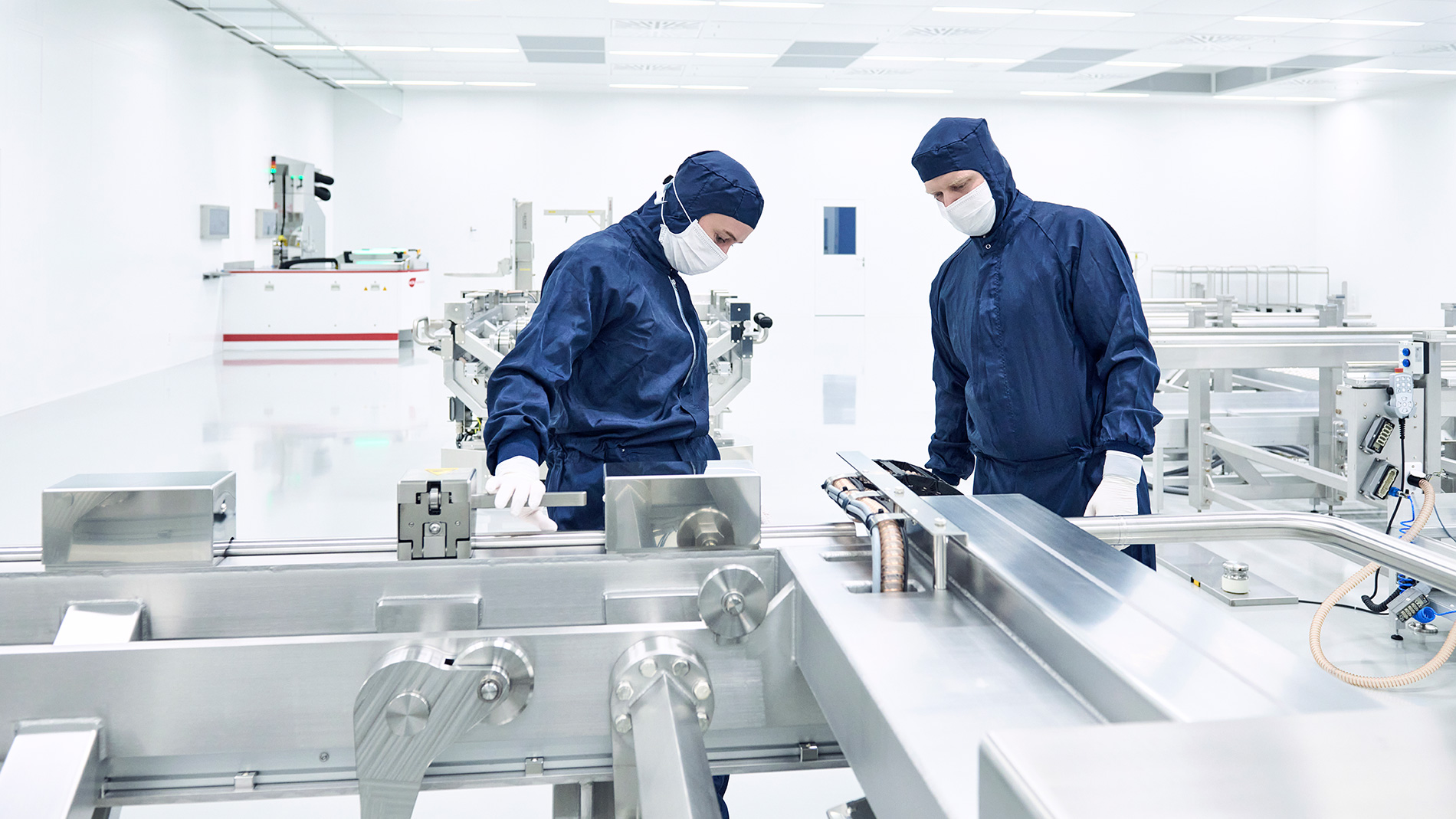
In highly sensitive industries such as semiconductor manufacturing, aerospace and satellite technology, contamination at the micro- and sub-micrometre level can compromise the performance of critical components. To address this challenge, Toolcraft AG offers a comprehensive portfolio of precision cleaning processes combines wet-chemical and physical cleaning methods tailored precisely to the materials, geometries and cleanliness requirements of each application. Cleaning operations are carried out in a 550 m² ISO Class 6 cleanroom. The installed equipment is designed to accommodate components measuring up to 1,500 × 1,700 × 1,500 mm and weighing up to 1,200 kg, enabling even large and heavy parts to be cleaned under controlled cleanroom conditions. The service portfolio includes vacuum dry cleaning with subsequent residual gas analysis (RGA), ultrasonic bath cleaning, as well as cooling-channel and high-pressure cleaning processes. According to Toolcraft AG, all cleaning and inspection procedures are validated, traceable and compliant with ASTM E595 requirements.
Toolcraft at Formnext 2026: Hall 12.0, Booth C41
Images: Toolcraft