Reading time: 7 minutes
Text: James Woodcock
Extra materials and supports have to be removed, surfaces cleaned and finished and, for some processes, binders burned out and the material densified. The operations after the build can determine whether a component is a prototype, a production part or something that never leaves the factory.
Those operations have traditionally been more manual, less connected and harder to quantify than the build itself. The focus on printing has arguably driven AM towards industrialization faster than the processes that surround it, both up- and down-stream. But increasingly we see that post-processing is being simulated, automated and integrated into the production workflow, as equipment makers apply the same industrial logic to the steps after the build.
Depowdering goes digital
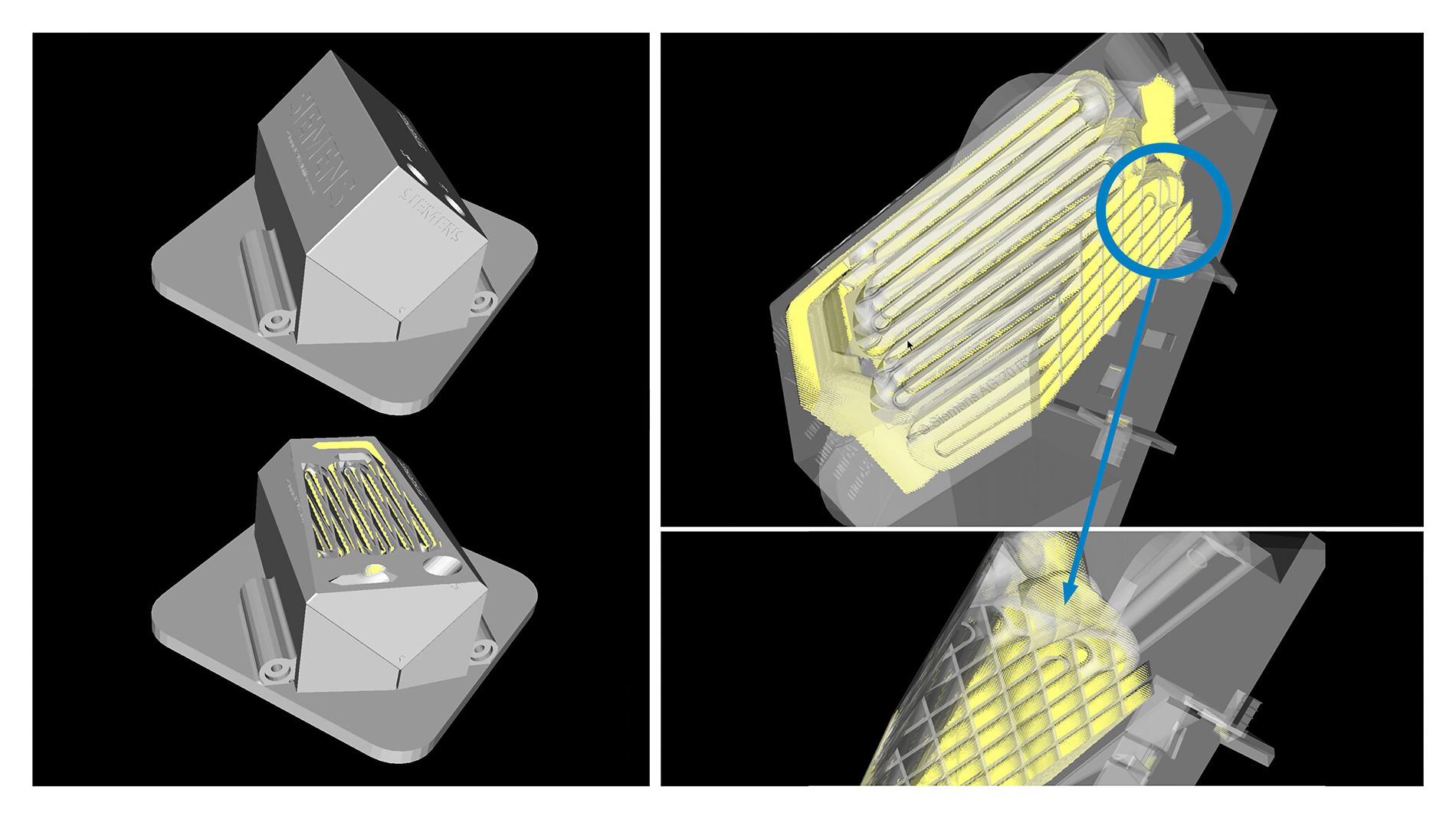
For metal laser powder bed fusion (LPBF), the first job after a build is removing unfused powder from channels and cavities often designed precisely because no other process could make them. Solukon has spent a decade automating that task with programmed rotation and vibration, and its latest development pushes the operation upstream into software (see report on post-processing innovations).
The company's SPR-Pathfinder software computes a component-specific motion sequence directly from the part's CAD file. The PRO version, launched in June, simulates the entire depowdering process at higher resolution, predicting process time and revealing powder traps while a component is still on the design screen. A lower-priced BASIC version covers parts of moderate complexity, and both connect to hardware such as the SFM-AT350, which handles components up to 400 x 400 x 400 mm and 100 kg. The depowdering sequence can now be validated before the part exists, mirroring the digital-twin logic that printing itself adopted.
In hardware, ultrasonic excitation running at frequencies far above a component's natural frequency cleans delicate lattice structures with minimal mechanical stress and breaks up powder clumps in long internal channels.
Finishing without the hand file
Surface finishing presents a similar problem. A printed part may still need blasting, smoothing or cleaning before use, and as AM volumes rise the labor and variability involved become harder to absorb.
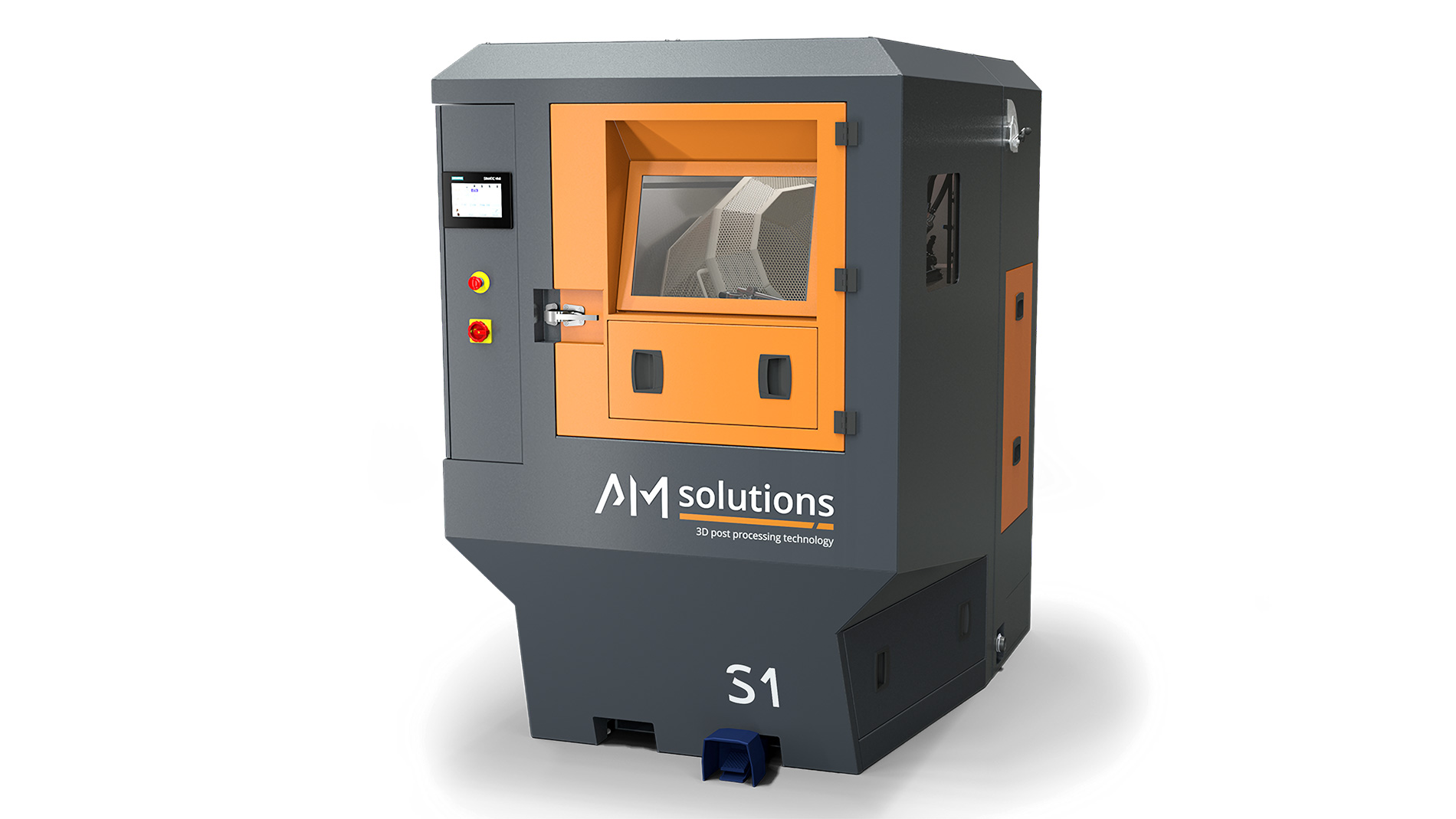
Germany's mass-finishing heritage pays directly into this market. AM Solutions, the 3D post-processing brand of the Rösler Group, brings decades of vibratory finishing and shot-blasting expertise to printed parts, combining depowdering and surface finishing in automated equipment. German 3D printing service provider Formrise reports markedly improved selective laser sintering (SLS) post-processing since introducing the automated S1 blasting system, in a case study published in April 2026.
For metal parts with mechanically unreachable internal geometry, chemical and electrochemical treatments offer another route, with liquid media flowing through cavities to remove powder and roughness without mechanical contact. The common thread is the replacement of operator-dependent work with repeatable steps that can be specified, monitored and qualified alongside the build.
From raw part to product
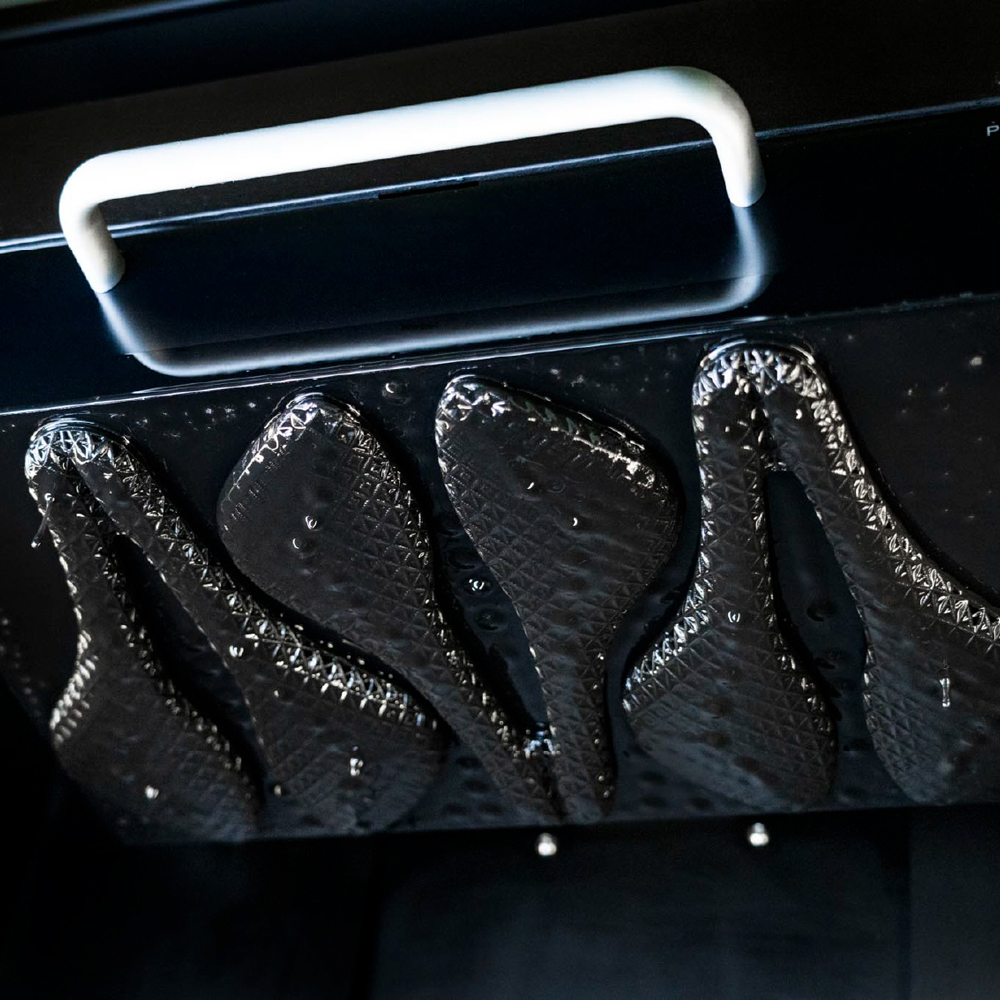
On the polymer side, DyeMansion has built an entire workflow around the same problem, from cleaning and surfacing through coloring to vapor smoothing. Its VX1 brings vapor smoothing to PA12, PA11 and TPU parts in a compact format, sealing surfaces to a glossy finish with PFAS-free solvents in a closed system.
The furnace is the factory
A common refrain in AM is ‘the process is the material’. That’s true for many processes with multiple variables creating the structure of the material at the point of build. For other processes, the post-processing is fundamental to the final material properties.
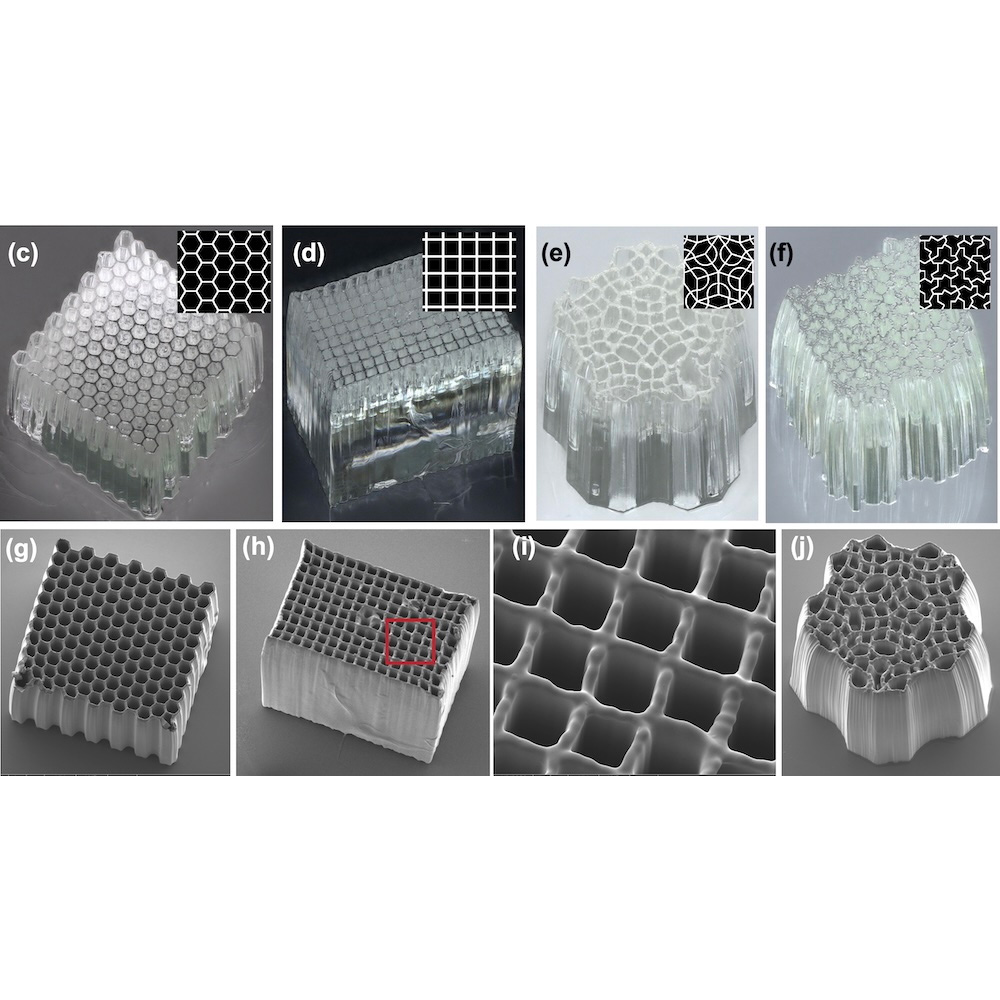
For example, in the ceramics realm Vienna's Lithoz prints technical ceramics by curing a photopolymer loaded with ceramic powder, and the part that leaves its lithography-based ceramic manufacturing (LCM) printers is a green body: powder held in shape by binder, with none of its final properties. Cleaning, thermal debinding and sintering then burn out the binder and densify the ceramic, shrinking the part substantially in a way that must be predicted and compensated before printing starts. The furnace, in effect, is where the component acquires its final material properties; printing and sintering are stages of one manufacturing process.
Material development shows how much engineering now targets that step. Increased solids loading within materials means less binder to burn out and less shrinkage to manage, while permitting thicker walls to be built.
Lowering the barrier
As printer makers push compact industrial machines, post-processing suppliers are following with ‘right-sized’ equipment. AM Solutions’ S1 Basic is a compact system bringing automated cleaning and surface finishing of polymer parts to the industrial entry-level segment. DyeMansion is heading the same way with a compact Powershot machine that packages its PolyShot Cleaning & Surfacing technology for service bureaus, innovation teams and OEMs running smaller volumes.
A service bureau producing a few hundred parts does not need a factory's downstream infrastructure, and compact machines let post-processing follow AM into those environments without recreating the manual work automation was meant to replace.
Measurement closes the loop
Post-processing ultimately leads to a ‘finished’ part which needs to be checked and qualified. This is especially true where internal channels and cavities have been finished and cannot be inspected by manual means. Industrial computed tomography (CT) captures interior and exterior features through a single nondestructive process and companies like Zeiss have built powder-to-part AM quality workflows around it. Dimensional verification before and after post-processing is also crucial where parts require critical tolerances. Renishaw, which builds both metal AM systems and the metrology that inspects their output, launched its compact Equator-X 500 gauge in late 2025, combining absolute and comparative measurement in one unit and feeding results back to production while parts are still being made. The trend for bringing all the requisite processes for true production onto the factory floor continue across the ecosystem.
Manufacturers are looking for the same things from post-processing as they are from the build itself: consistency, speed and reduced manual labor. Simulation, automation and equipment sized to the production capacity it serves are all parts of the answer.
Post-processing once entered AM conversations as an afterthought and a caveat. On more recent evidence it is increasingly understood as an integral part of the wider process and, as such, one of the areas of interest in pushing AM into more application areas at greater volume. The build is still where the part is created, but increasingly the production system is only as industrial as everything that happens after the laser, nozzle or projector switches off.