
Reading time: 5 minutes
Text: Thomas Masuch
According to data from the International Air Transport Association (IATA), kerosene costs now account for almost 30 percent of airlines’ total costs, making this the single largest cost factor. More efficient engines also play an important role in the quest for lower kerosene consumption. And Safran, one of the world’s leading manufacturers, is using ceramic 3D printing, among other things, for their further development.
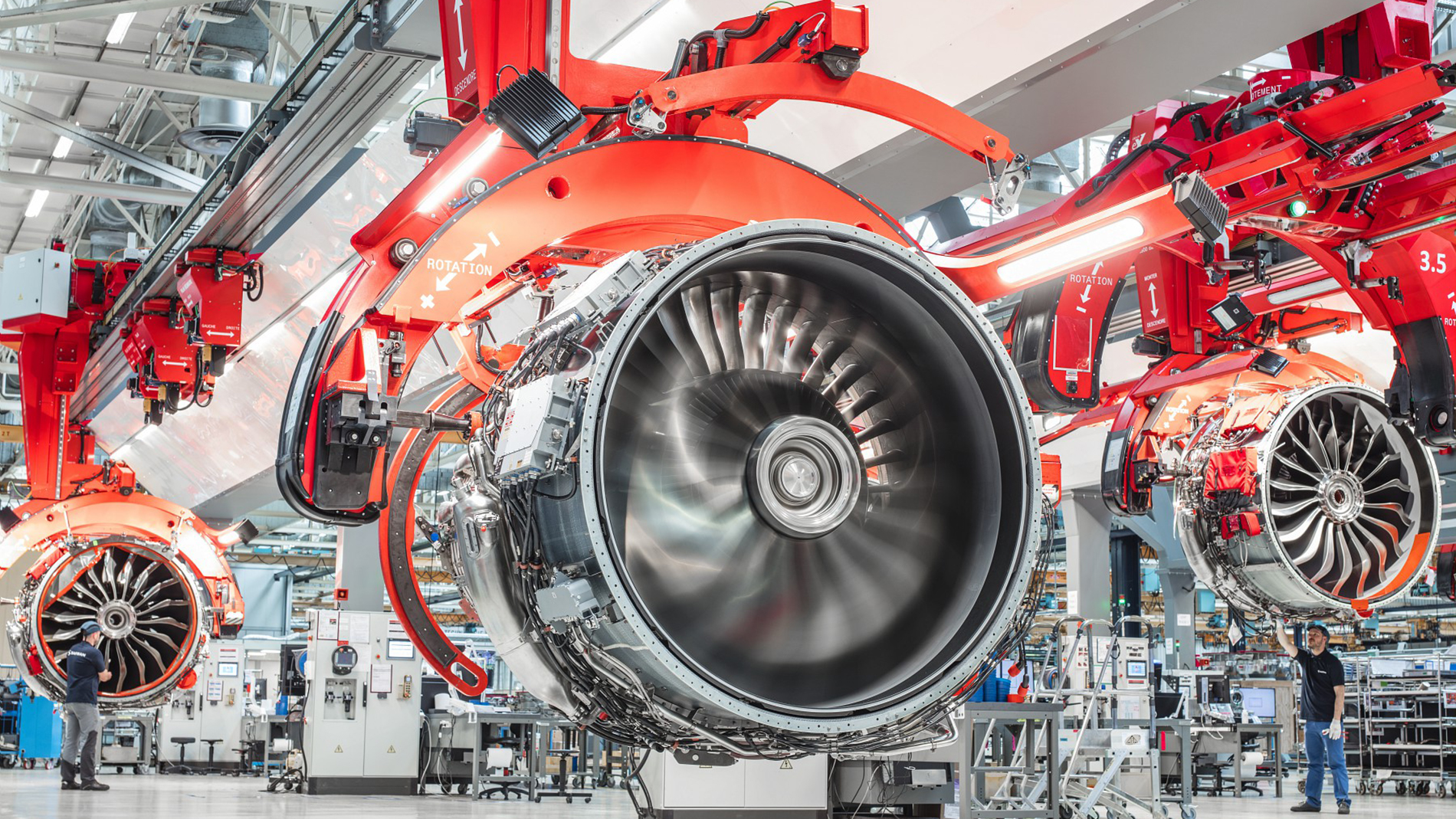
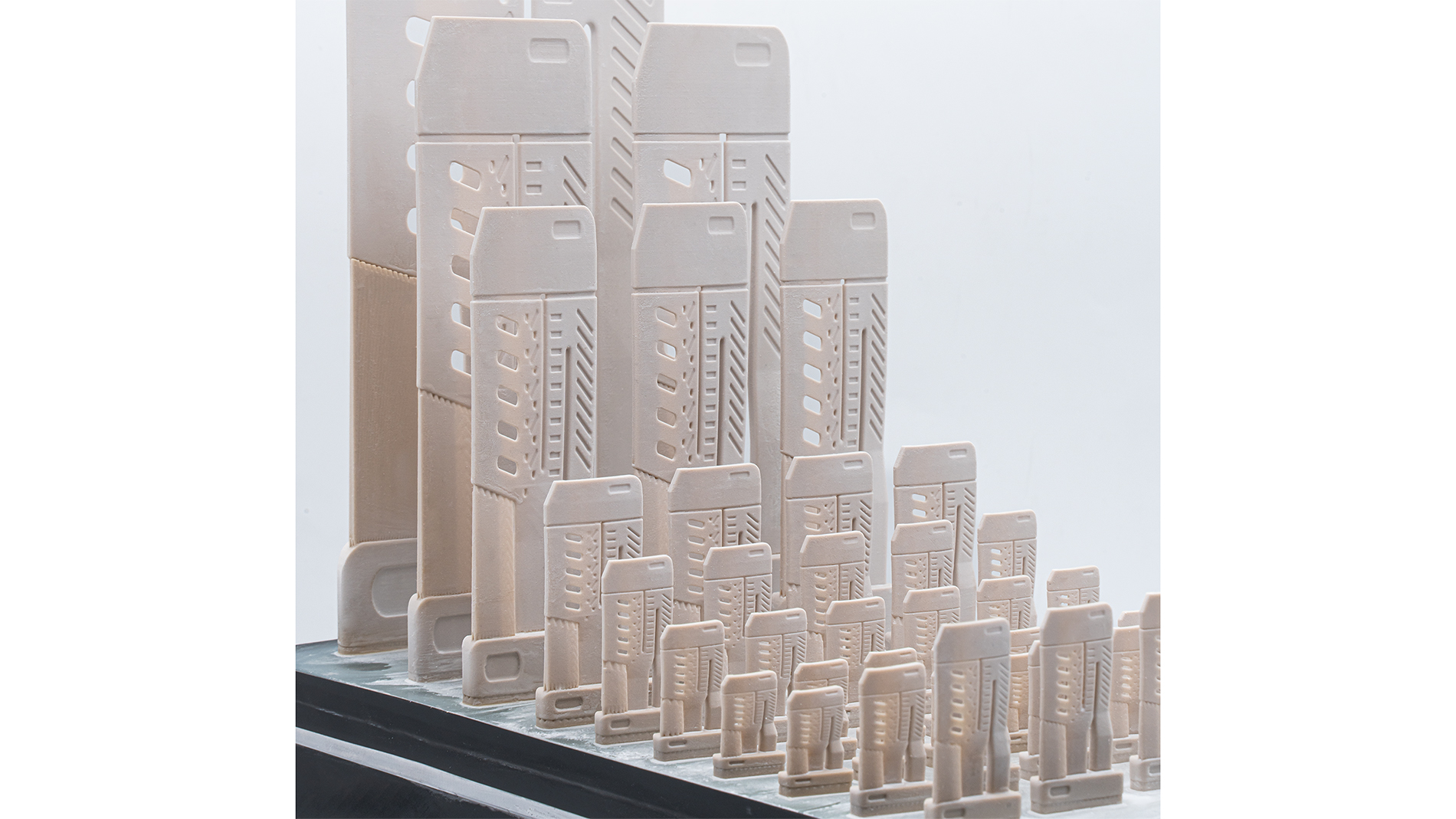
Ceramic AM systems manufacturer Lithoz recently reported that French engine manufacturer Safran Aircraft Engines has installed three CeraFab S65 printers at its plant in Gennevilliers, near Paris, to develop a new generation of its engines. This investment will enable Safran to establish industrial-scale series production of complex cast cores, thereby meeting the high cooling requirements of next-generation aircraft engine turbine blades, according to Lithoz.
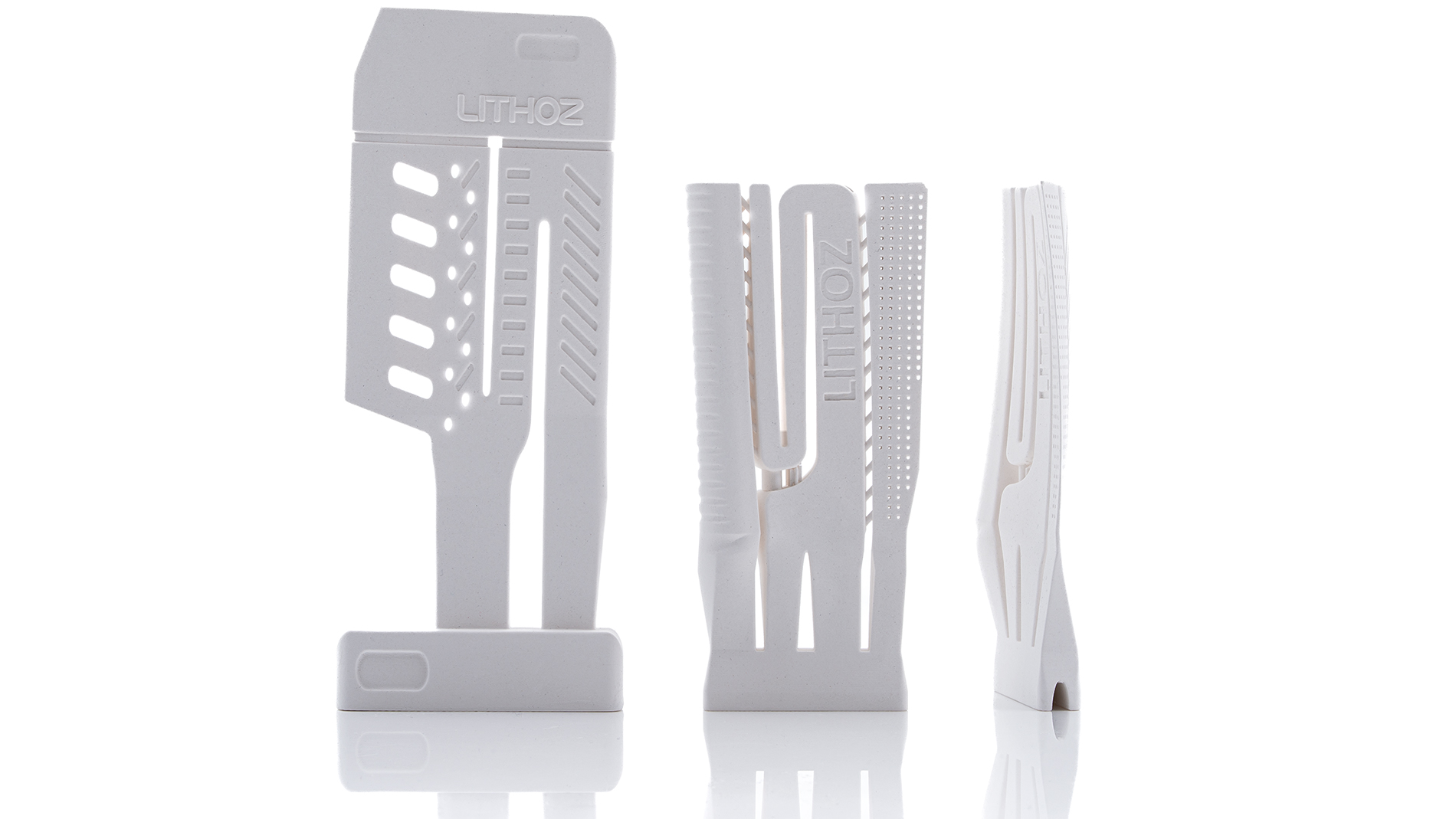
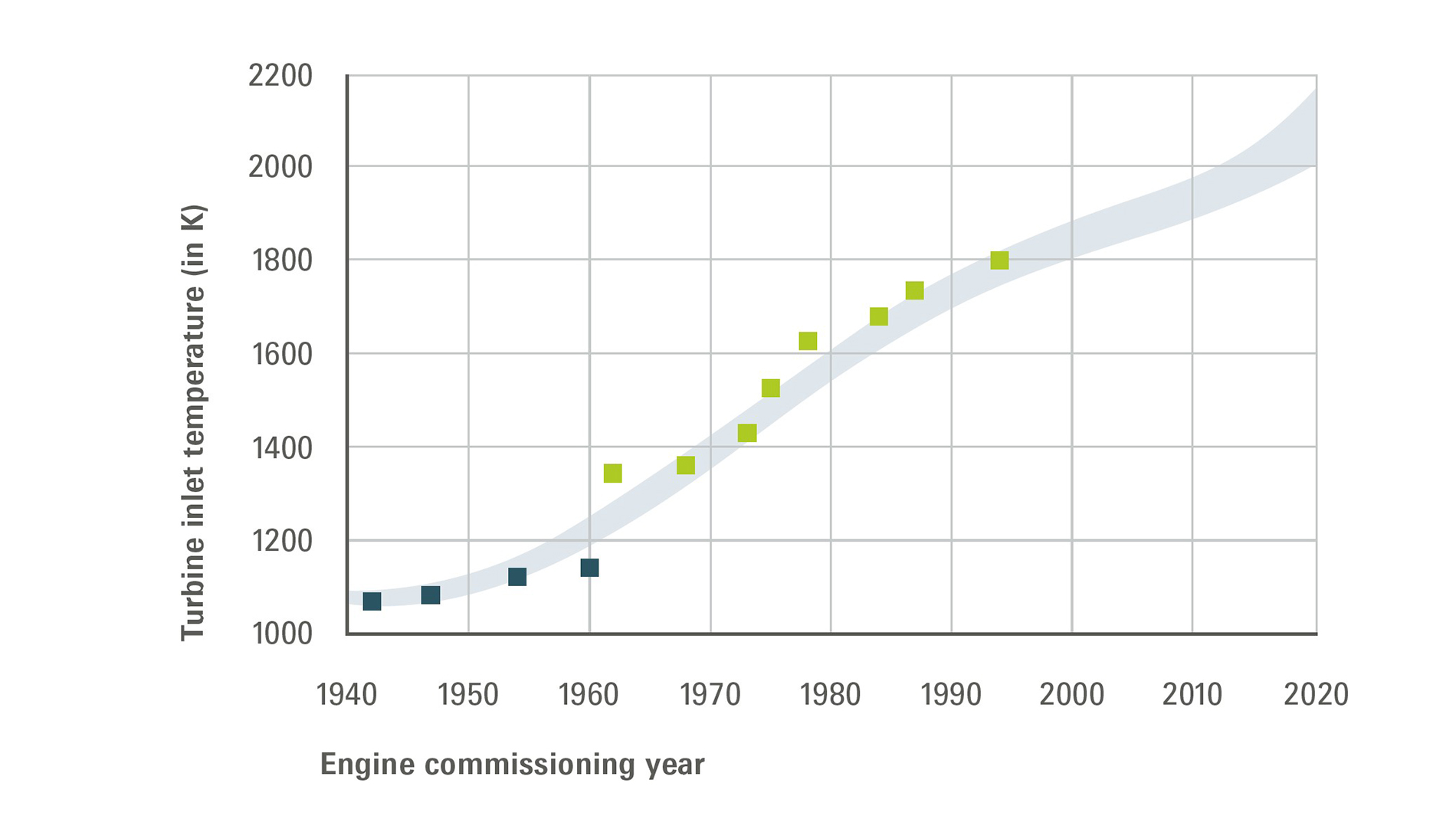
The reason for using ceramic 3D printing is the turbine inlet temperature (TIT), which is an important factor in engine efficiency. Generally speaking, the higher the TIT, the more efficiently an engine can be operated (in terms of kerosene savings). Studies by NASA and various universities have shown that an increase in TIT of 100 degrees Celsius can result in savings of between 3 and 6 percent. It is therefore not surprising that engines are operating at ever higher temperatures – over the past 80 years, the TIT has risen from around 1,100 K (equivalent to around 730 °C) to over 2,100 K (around 1,830 °C) today.
Such temperatures place a heavy strain on the individual components, especially the turbine blades, and are only possible through a combination of various technological developments, including high-temperature nickel-based alloys, single-crystal blades (manufactured using a special casting process), ceramic coatings, and sophisticated cooling systems.
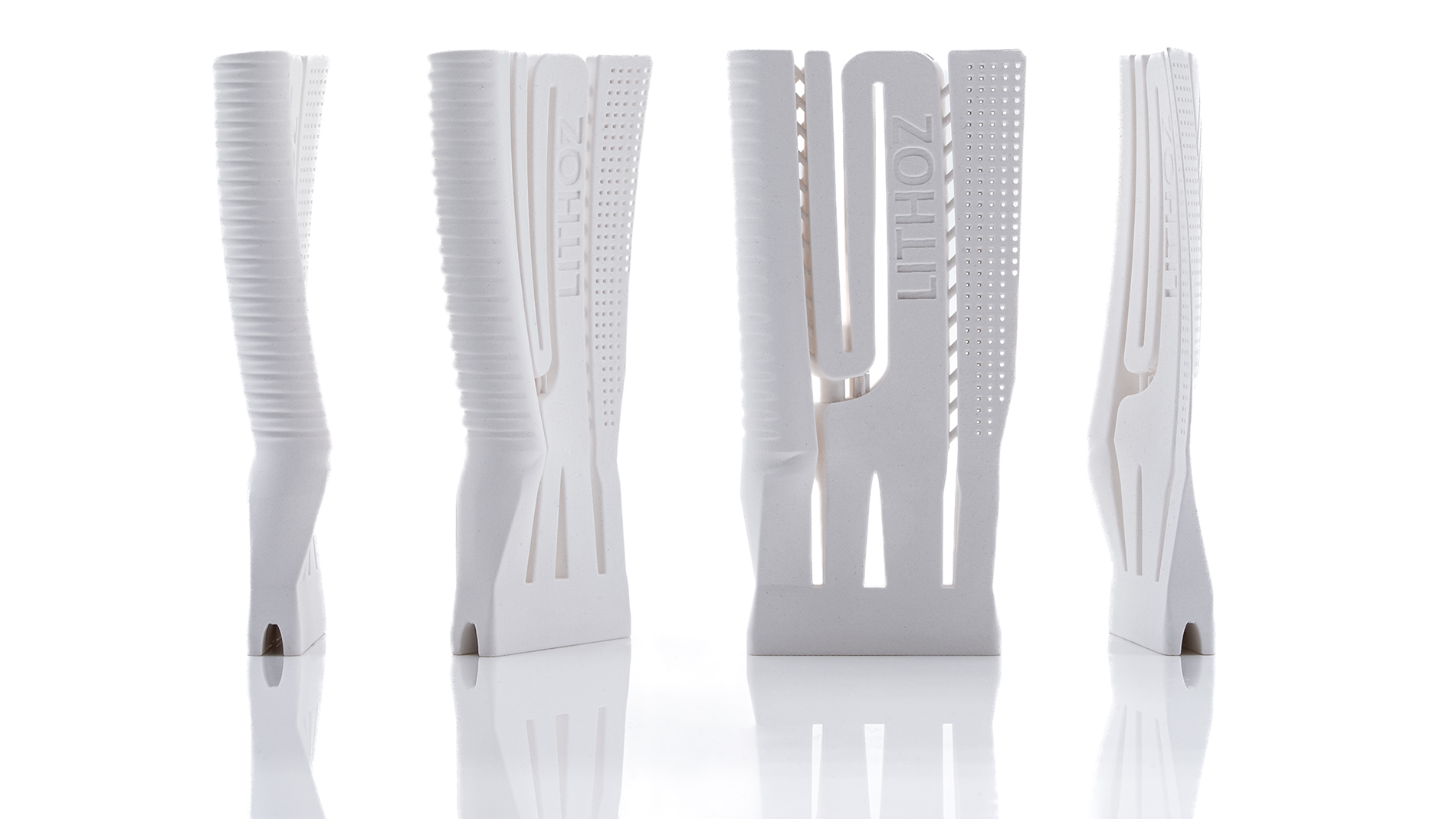
The use of Lithoz's precise LCM (Lithography-based Ceramic Manufacturing) technology is expected to improve cooling. This technology is not used to produce the turbine blades on a 3D printer. Instead, the casting cores are used to manufacture the highly stressed turbine blades in an extremely complex process involving special ceramic formulations that have been developed jointly by Lithoz and Safran in recent years. “The ceramic casting cores allow for even more complex cooling channels in the turbine blades,” explains Nobert Gall, Head of Marketing and Corporate Communications at Lithoz.
Safran’s main products include the LEAP and CFM56 engines for short- and medium-range jets and the M88 for the Dassault Rafale military jet. It is not yet known which of these will use the turbine blades manufactured with the 3D-printed cores, nor when they will go into series production. But Gall interprets the mere fact that Safran is using three AM systems as “the first step toward series production. Further steps and scaling will certainly follow.” Johannes Homa, CEO of Lithoz, also sees the installation of the three Kamerik 3D printers at Safran as “a real milestone for both Lithoz and the aerospace industry.”