
Reading time: 2 minutes
Text: Thomas Masuch
Most notably, a proposed exemption for industrial 3D printers was removed, meaning that the bill would, in principle, cover all 3D printers. At the same time, specific technical requirements for detecting and blocking firearms were stripped from the initial text. One aspect will be particularly important for future developments: the California Department of Justice will be required to regularly assess whether ASTM International has adopted an industry standard for “firearm blocking technology”. Based on these evaluations, the Department of Justice could enact its own regulations within two years.
If ASTM has not adopted a corresponding standard by 1 July 2029, the Department’s obligation to conduct further evaluations will expire. It is also worth noting that the California authorities currently have no plans to formally commission ASTM to develop such a standard. Standards of this nature are typically developed in collaboration with representatives from the AM sector. Whether printer manufacturers and other AM stakeholders will be willing to participate in such an initiative remains to be seen. Both ASTM and the wider AM industry face a difficult balancing act: while there is little appetite for technical requirements that could hinder legitimate industrial applications, the industry will equally want to avoid appearing to obstruct efforts to combat the illegal 3D printing of firearms.
Original article from July 6, 2026:
What’s behind the debate over “ghost guns”?
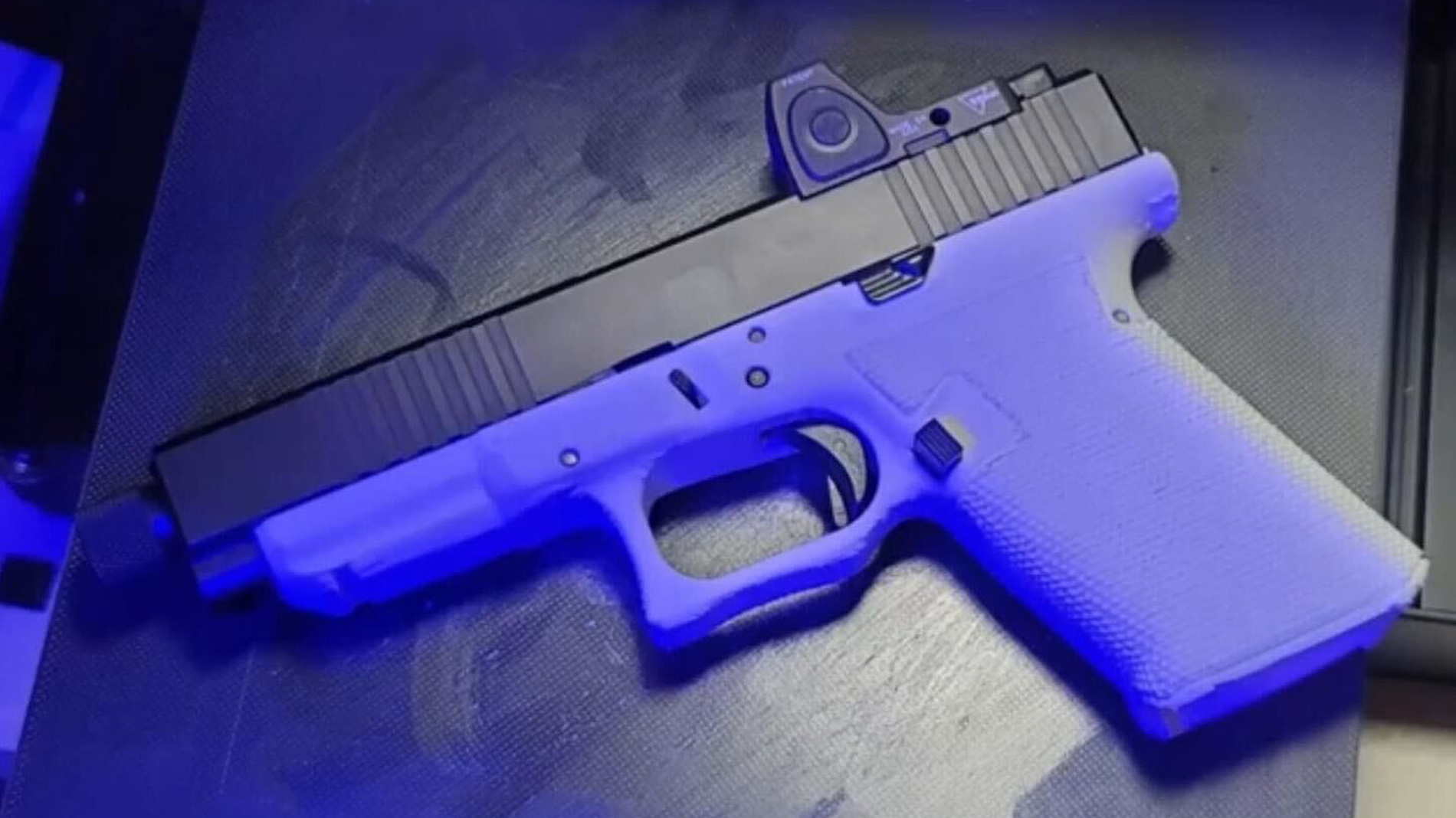
Since February 2026, a bill to regulate “ghost guns” sparked heated debate in California, particularly within the maker community. California Assembly Bill 2047 (AB 2047) is to mandate the implementation of “blocking technology” in 3D printers. Even though AB 2047 primarily targets the consumer sector, it raises questions about whether such regulation will also impact the AM sector.
The debate over regulating ghost guns is nothing new. In 2016, California passed Assembly Bill 857, which required private individuals to apply to and obtain from the Department of Justice (DOJ) a unique serial number or other mark of identification prior to manufacturing or assembling a firearm. AB 2047 takes this a step further by focusing on the digital manufacturing process rather than the firearms. Introduced by Assembly Member Rebecca Bauer-Kahan, a long-time advocate of gun regulation, the bill is backed by the organization Everytown for Gun Safety. The motivation behind the bill stems from the rising number of privately manufactured firearms (commonly known as “ghost guns”) in the U.S., though reliable data on the specific manufacturing processes used to produce them remains scarce. Public discourse centers around the contention that increasingly affordable and powerful desktop 3D printers have lowered the barrier to entry for the private manufacture of firearms.
Technical feasibility
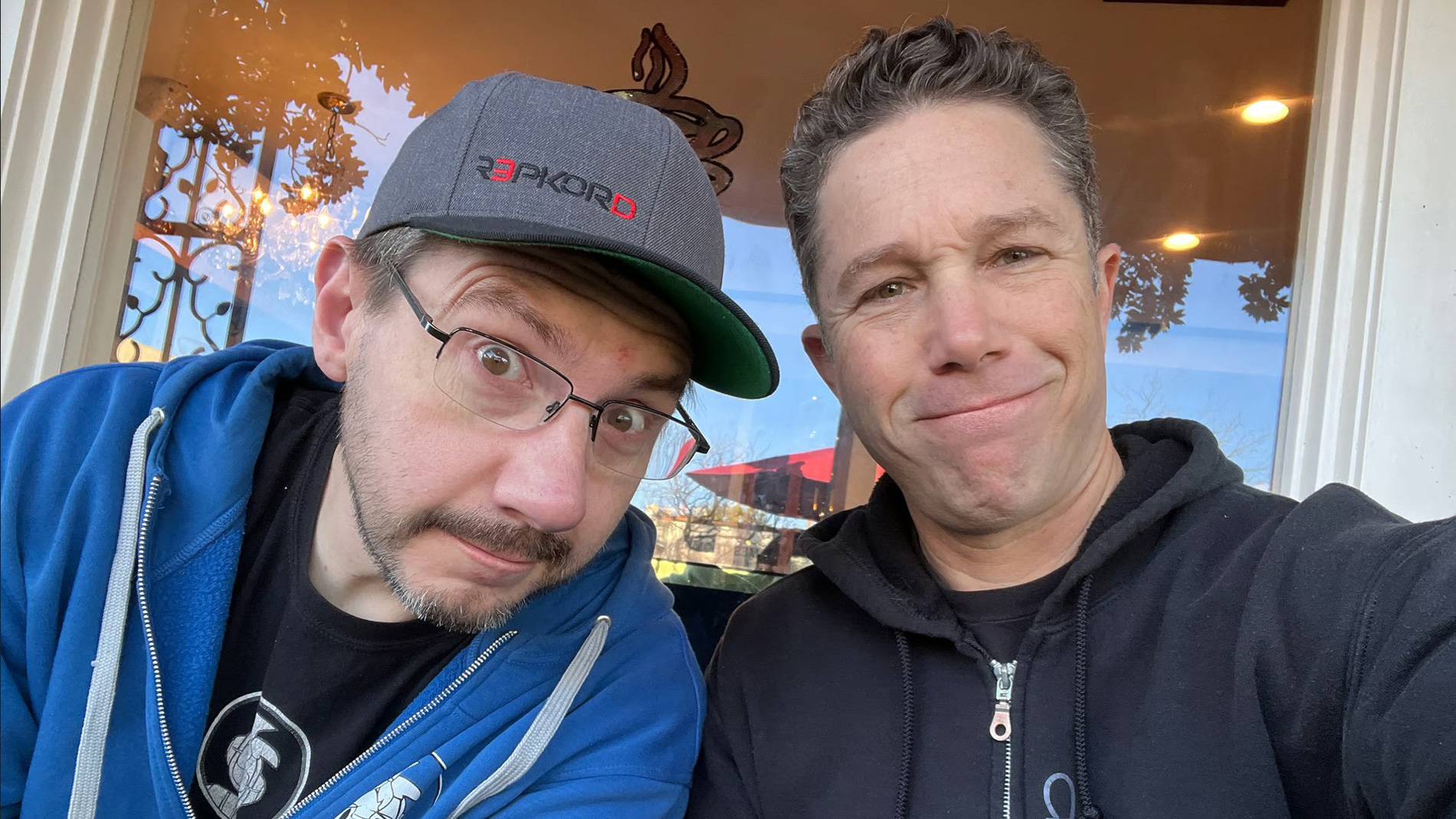
A central question surrounding AB 2047 is its technical feasibility: How can “blocking technology” – which would presumably need to screen all print jobs – accurately distinguish whether a component is intended for a weapon? Who will develop this software and determine the screening criteria? And who will be liable if the software malfunctions? Critics view the legislation, among other things, as an excessive encroachment on personal and business freedoms. David Tobin, executive producer of 3D Printing Nerd and one of the draft bill’s most vocal critics, argues that the proposal is bound to fail on technical grounds alone: “The technology isn’t feasible. You can’t determine intent from shape. Who’s to say I don’t want to print a vast number of parts that some might deem ‘bad’ and use them to build a giant flower for an art installation?”
What consequences would AB 2047 have for the AM industry?
It is worth noting that current discussion primarily centers around the consumer and maker spaces. In contrast, the industrial sector operates under a completely different framework, as Additive Manufacturing systems have long been subject to established compliance, export control, and dual-use regulations. Nevertheless, we know from confidential discussions that international AM companies are closely monitoring this initiative for various reasons: First, California may not be the largest sales market, but it does have many innovative AM users. And second, even though the use of industrial 3D printers is well regulated, it remains unclear whether AB 2047 would force industrial AM systems sold in California to feature this blocking software, or if industrial users would receive an exemption. However, even with exemptions, businesses could face additional documentation and certification costs, a burden that would disproportionately impact small and medium-sized enterprises (SMEs) compared to large corporations. In any case, many companies operate desktop 3D printers directly on the shopfloor to produce spare parts, manufacturing aids, or prototypes. At the hearing before the California Senate on 30 June 2026, critics emphasized that the proposed regulation would heavily impact schools, research institutions, and small businesses, among others.
Either way, enacting such legislation would set an interesting precedent for other regions and states to follow. For the first time, regulation would target the manufacturing process itself rather than the final product. Given the close interplay between AM and other manufacturing technologies, similar restrictions could eventually expand to processes like CNC milling, for example.
Makers vs. (Existing) Industrial Regulations
Formnext is also closely tracking the developments in California. “As a neutral international marketplace, we aim to provide all stakeholders with the opportunity to develop, proliferate, and harness the immense potential of Additive Manufacturing technology. At the same time, ensuring that AM is used responsibly is paramount to us. We believe this responsibility is already ensured in the industrial sector through long-standing dual-use compliance mechanisms,” said Sascha F. Wenzler, Vice President of Formnext at the event organizer Mesago Messe Frankfurt. “We showcase the latest global industry trends here in Frankfurt. As an international platform connecting companies across the entire Additive Manufacturing value chain with users from diverse sectors, we are well positioned to facilitate knowledge exchange and support the ongoing development of industry standards.”
Editor’s note:
What is your opinion on the current ghost gun debate? Feel free to write to us at formnext-magazin@mesago.com. We will continue to follow the latest developments on this topic and update the article accordingly.