Reading time: 7 minutes
Text: Thomas Masuch
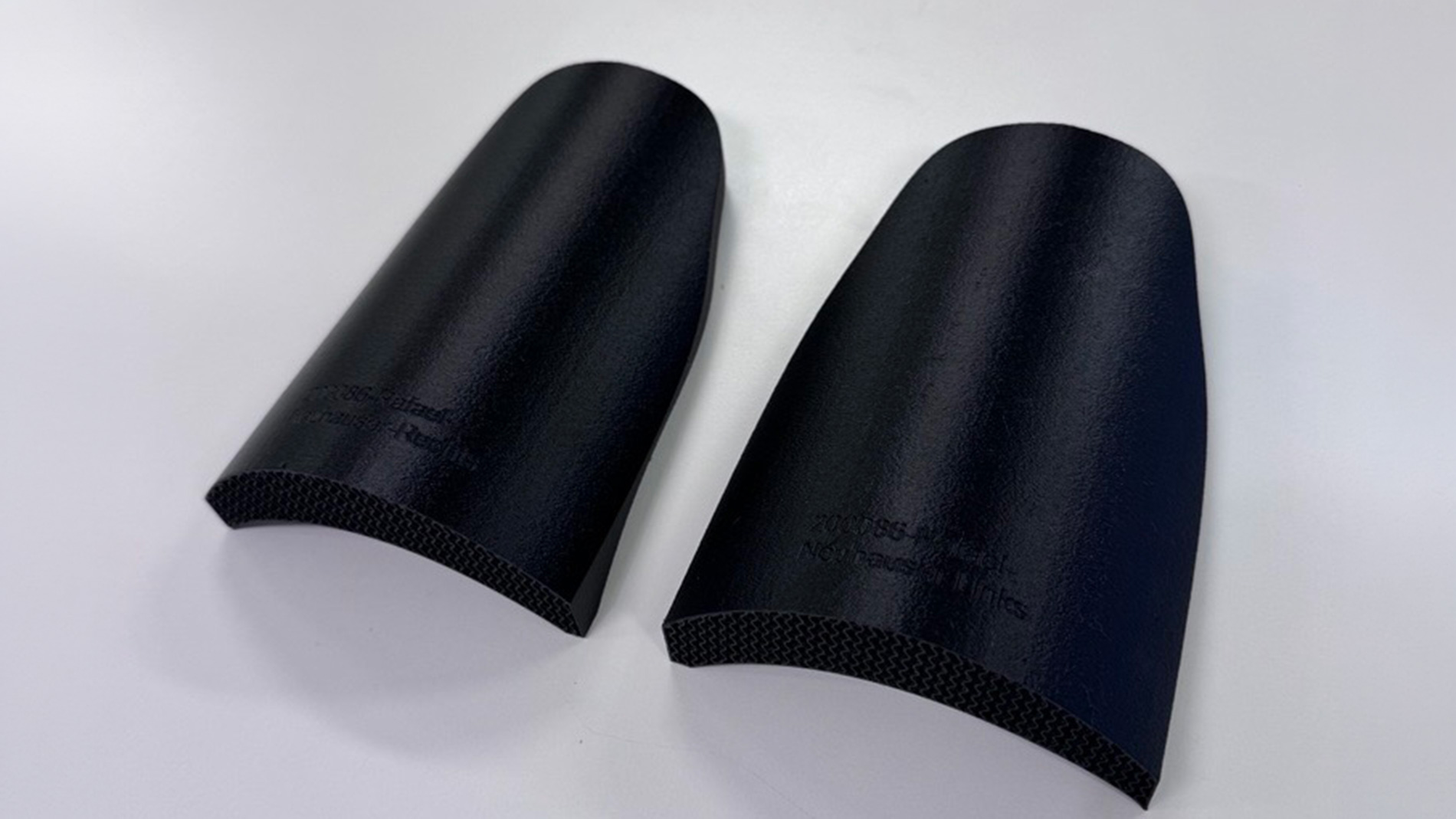
A coffin weighs around 200 kilograms and, at a funeral, is typically carried on the shoulders of four people. This is an everyday task for the 72 pallbearers at Bestattung Wien and it takes a physical toll. "Physical complaints, including torn muscles, are common, especially in winter," explains Philipp Pink, head of the Competence Center for 3D Printing at Wiener Stadtwerke. Together with his team, he developed and produced a 3D-printed shoulder pad to ease the burden. Worn under the uniform, it provides a more comfortable and secure shoulder rest without slipping. For Pink, the pads are a good example of how additive manufacturing is being used across the Wiener Stadtwerke group. "For us, it's not just about printing, but about developing innovative solutions that make work easier."
Wiener Stadtwerke employs 19,000 people and includes numerous subsidiaries, among them Bestattung Wien, Wien Energie, Wiener Linien, Wiener Netze, and companies in real estate and infrastructure. The Additive Manufacturing applications are correspondingly diverse. At Wiener Linien alone, these span streetcars, subway trains, and buses, as well as the technical equipment used in subway stations and operations buildings.
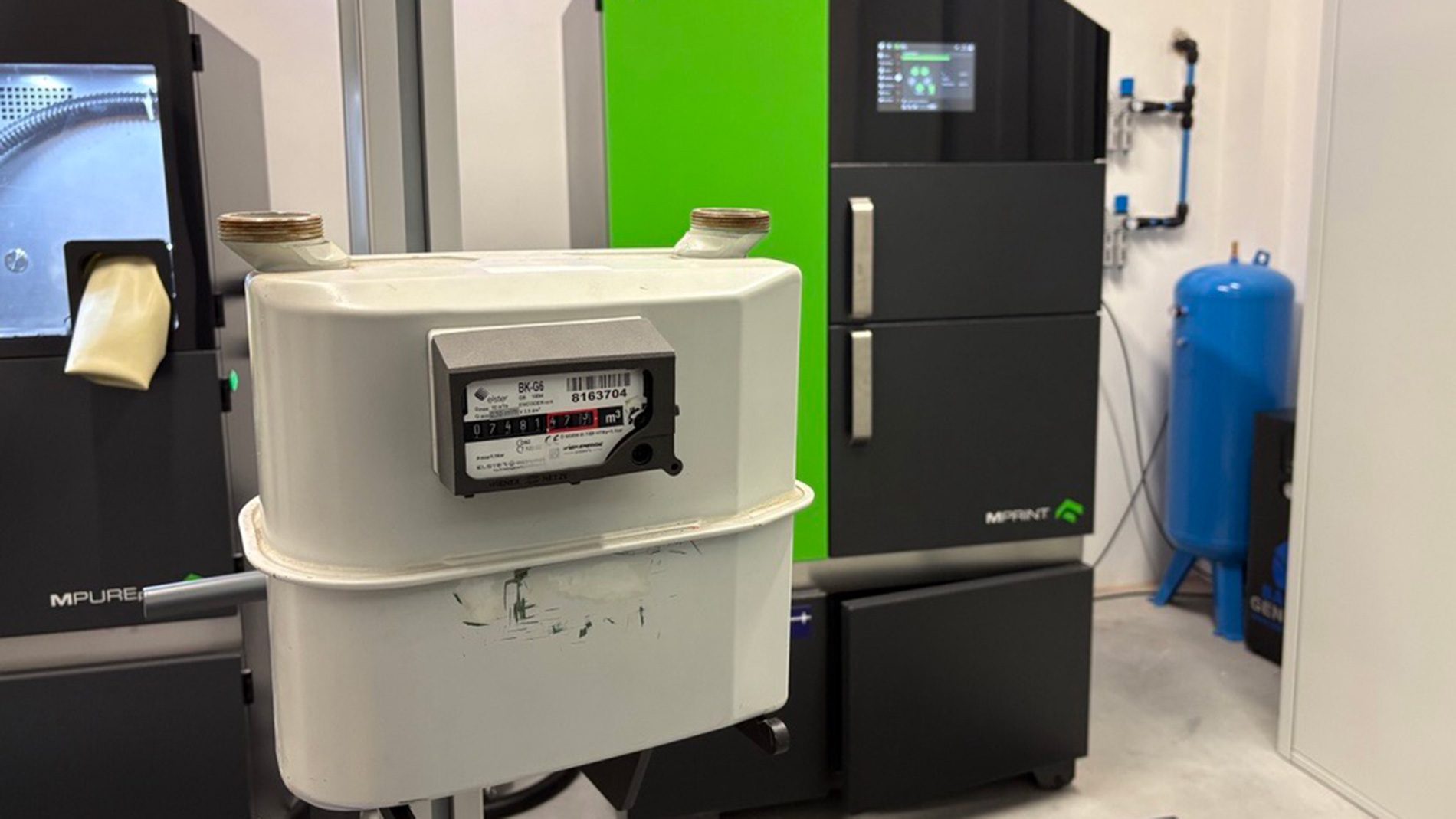
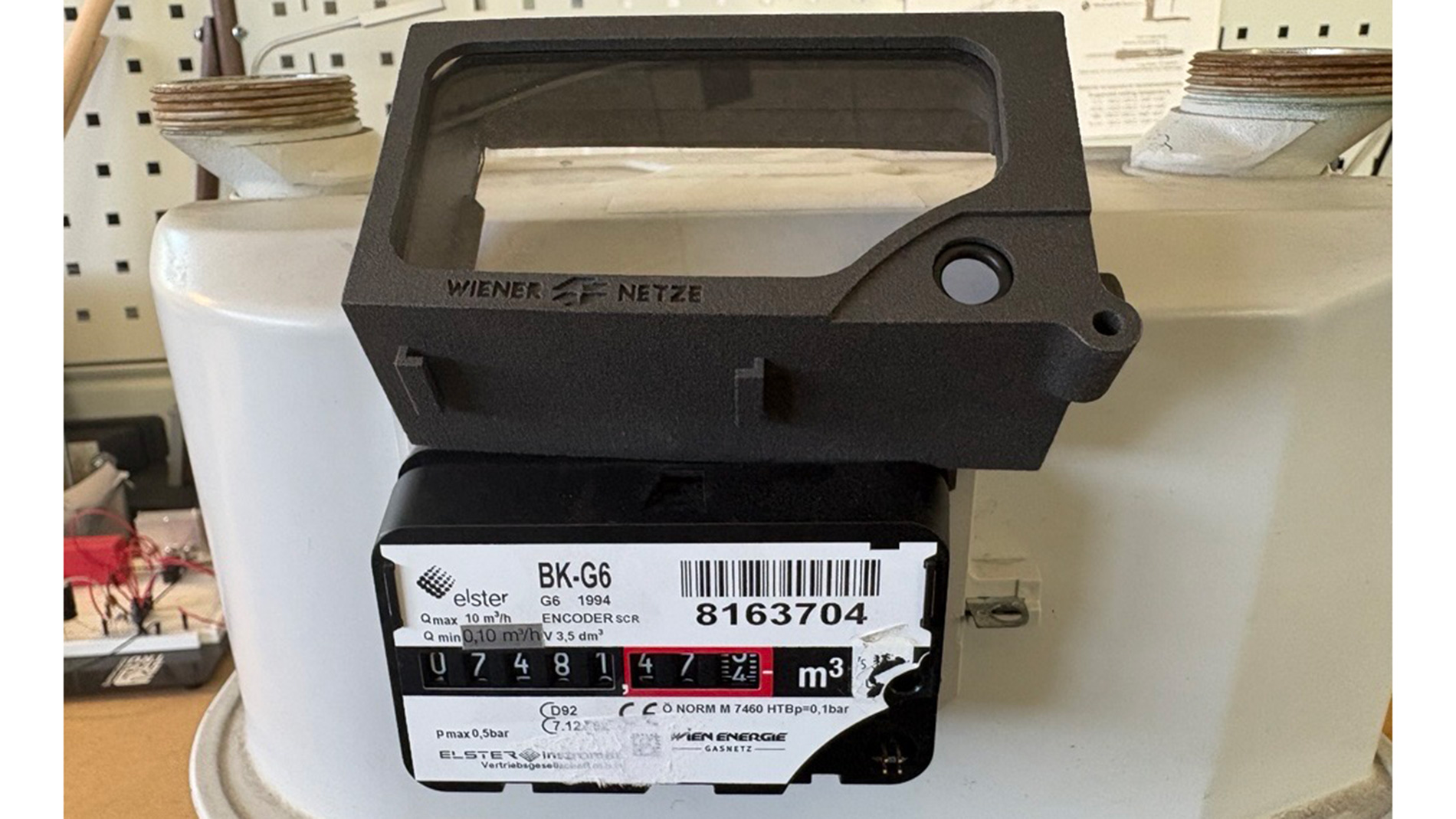
The optimized and more robust 3D-printed version of the gas meter cover also features an integrated mounting handle. Image: Wiener Netze
AM has been important to Wiener Stadtwerke for more than ten years, first at Wiener Linien in 2014 and then at Wiener Netze in 2019. Today, the group's AM activities are coordinated by the Competence Center for 3D Printing, which was founded in 2025 and is housed at Wiener Netze. Wiener Linien and Wien Energie also operate their own 3D printing sites with dedicated specialist teams. In total, around 60 machines are in use at the three sites, ranging from desktop systems to industrial AM systems (powder bed for plastics and metal). "That's a well-balanced mix," says Pink. The sites complement each other technologically, with capabilities for the 3D printing of metals such as aluminum, tool steel, and stainless steel distributed across the three locations.
A team of fourteen Wiener Stadtwerke employees works in Additive Manufacturing, either full- or part-time. Since the Competence Center was established, around 47,000 parts have been printed. According to Pink's calculation, this has produced savings "in the mid six-figure range." Around 80 to 90 percent of the AM parts needed were produced in-house, while the rest came from service providers.
Applications
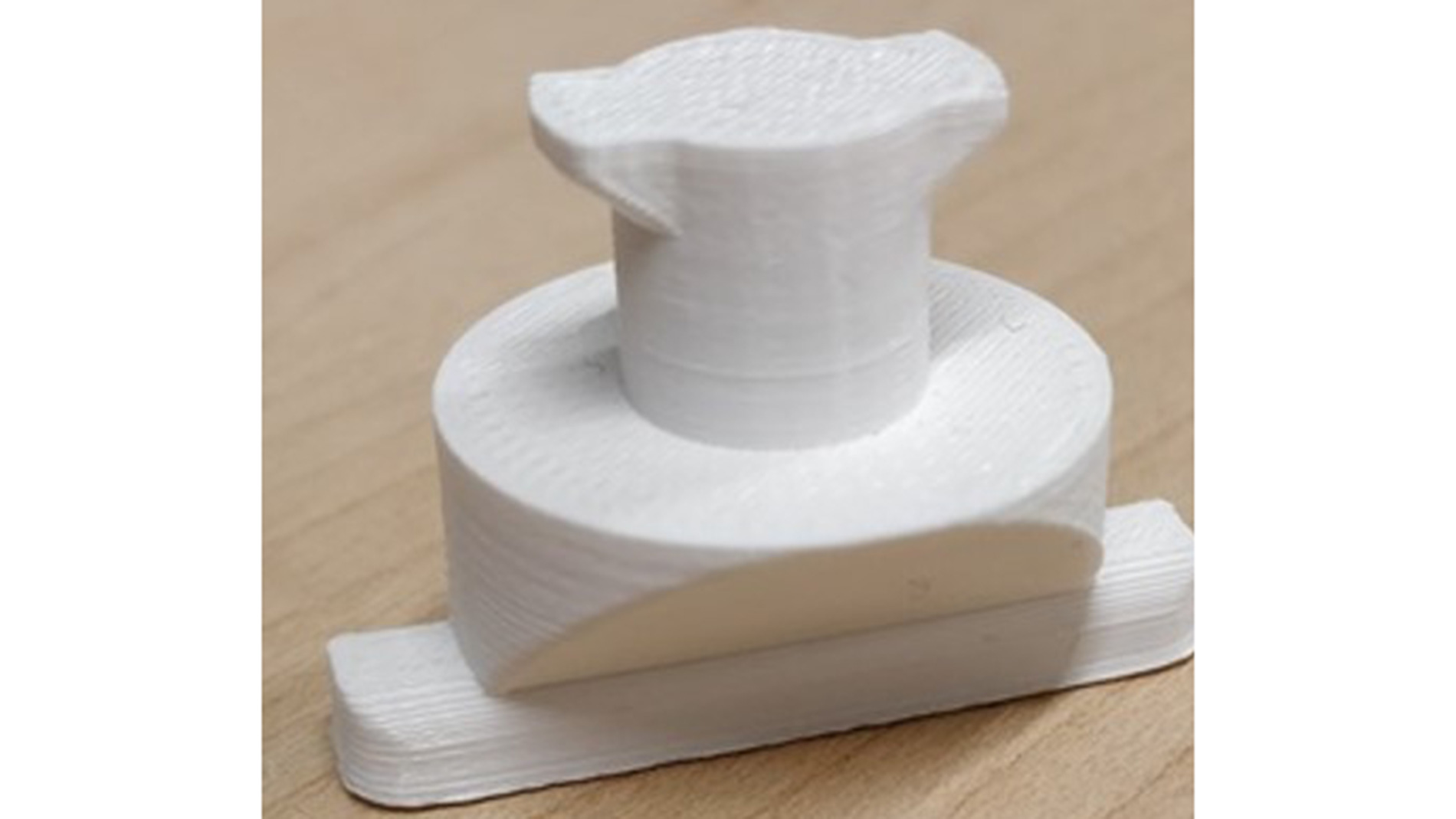
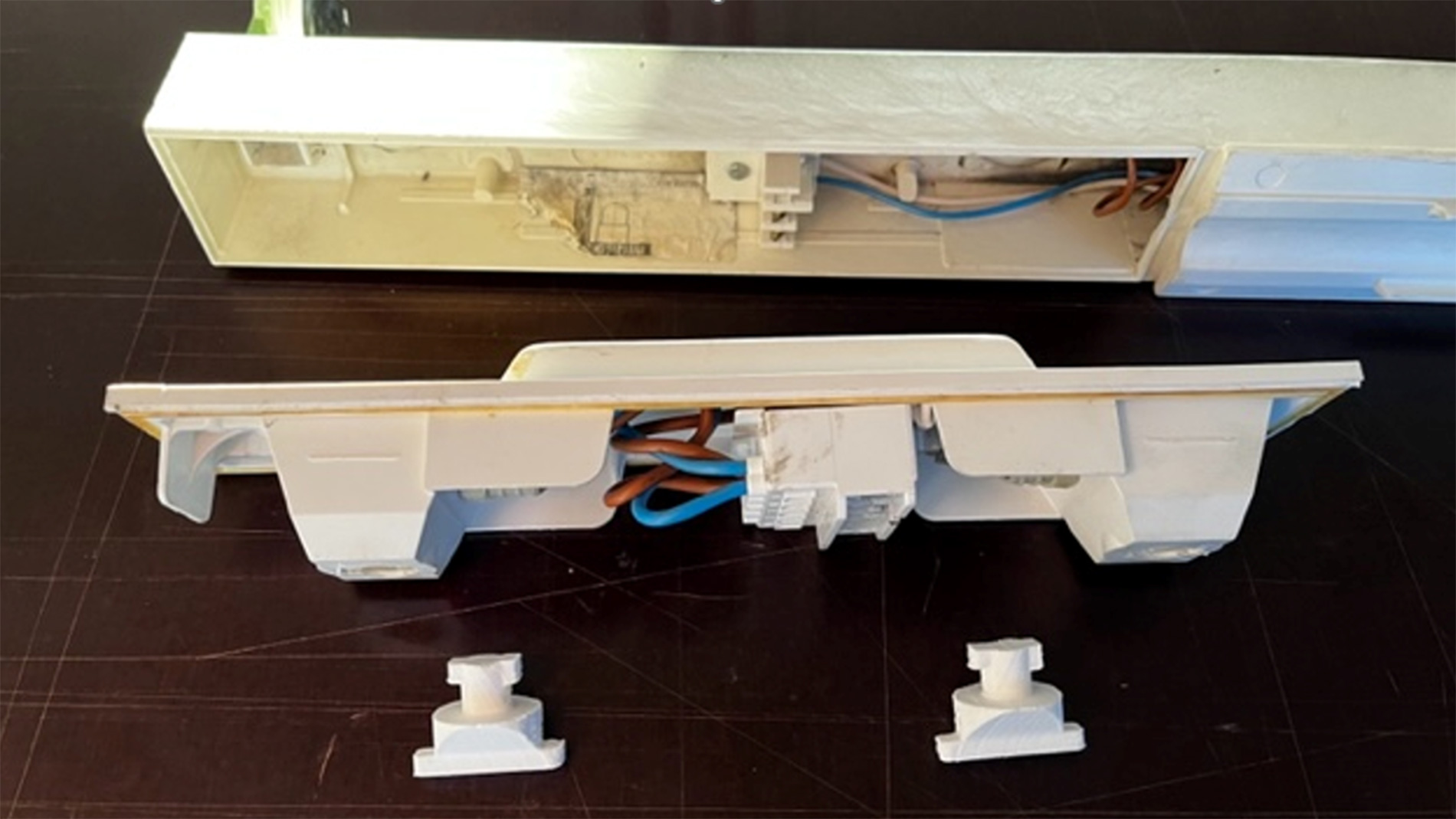
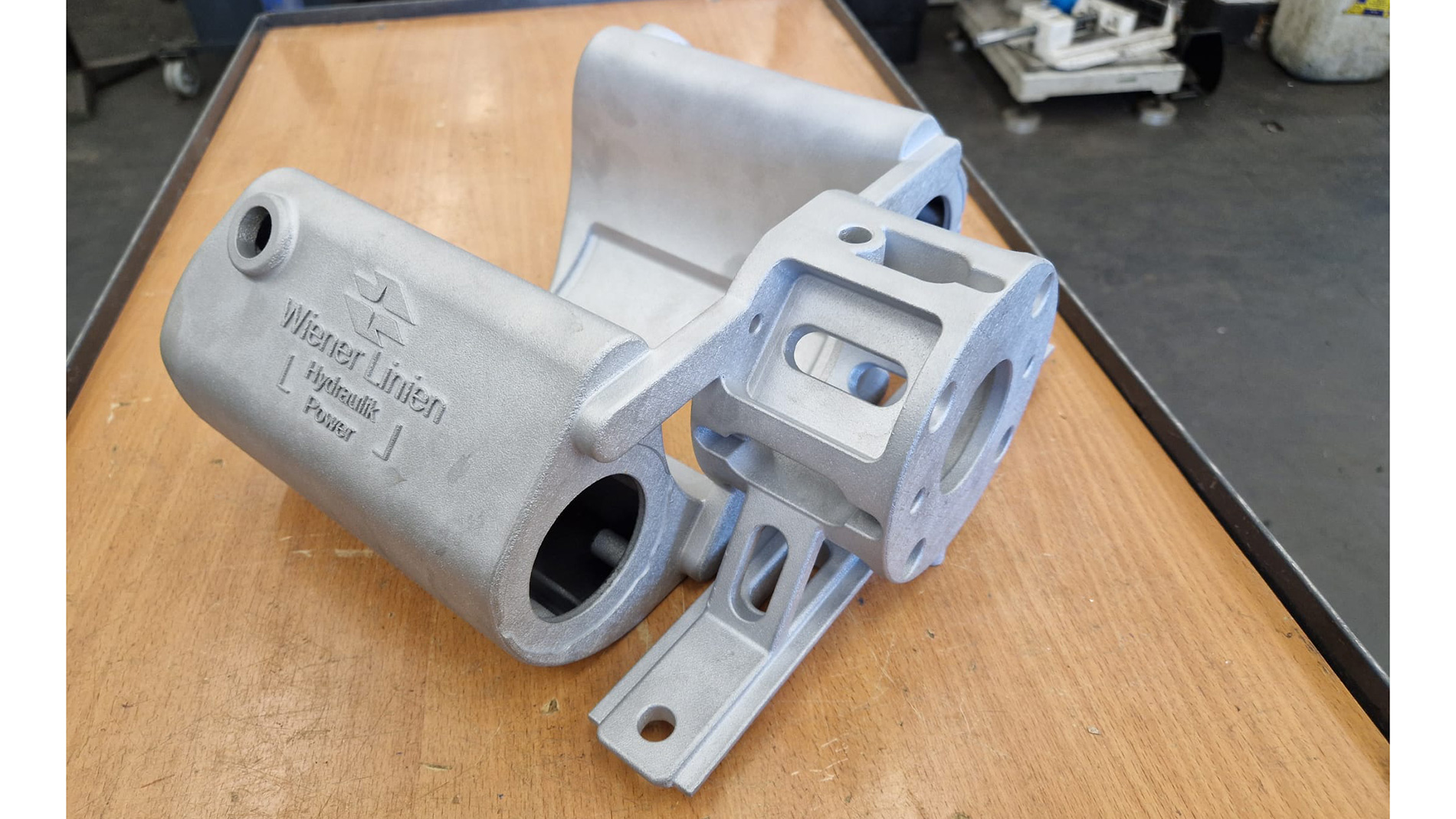
The AM applications are highly varied and span the entire group. They range from the rapid production of load break switches for a substation and the metal housing of a switch machine to buttons for old subway cars that were no longer available from suppliers. "Making such small parts is enormously important, because it helps us keep old systems running for longer," explains Gerald Kostrubiek, who leads the 3D printing specialist team at Wiener Linien. Obsolete parts like these are common in long-lived technical installations throughout the group, such as waste incineration plants and substations.
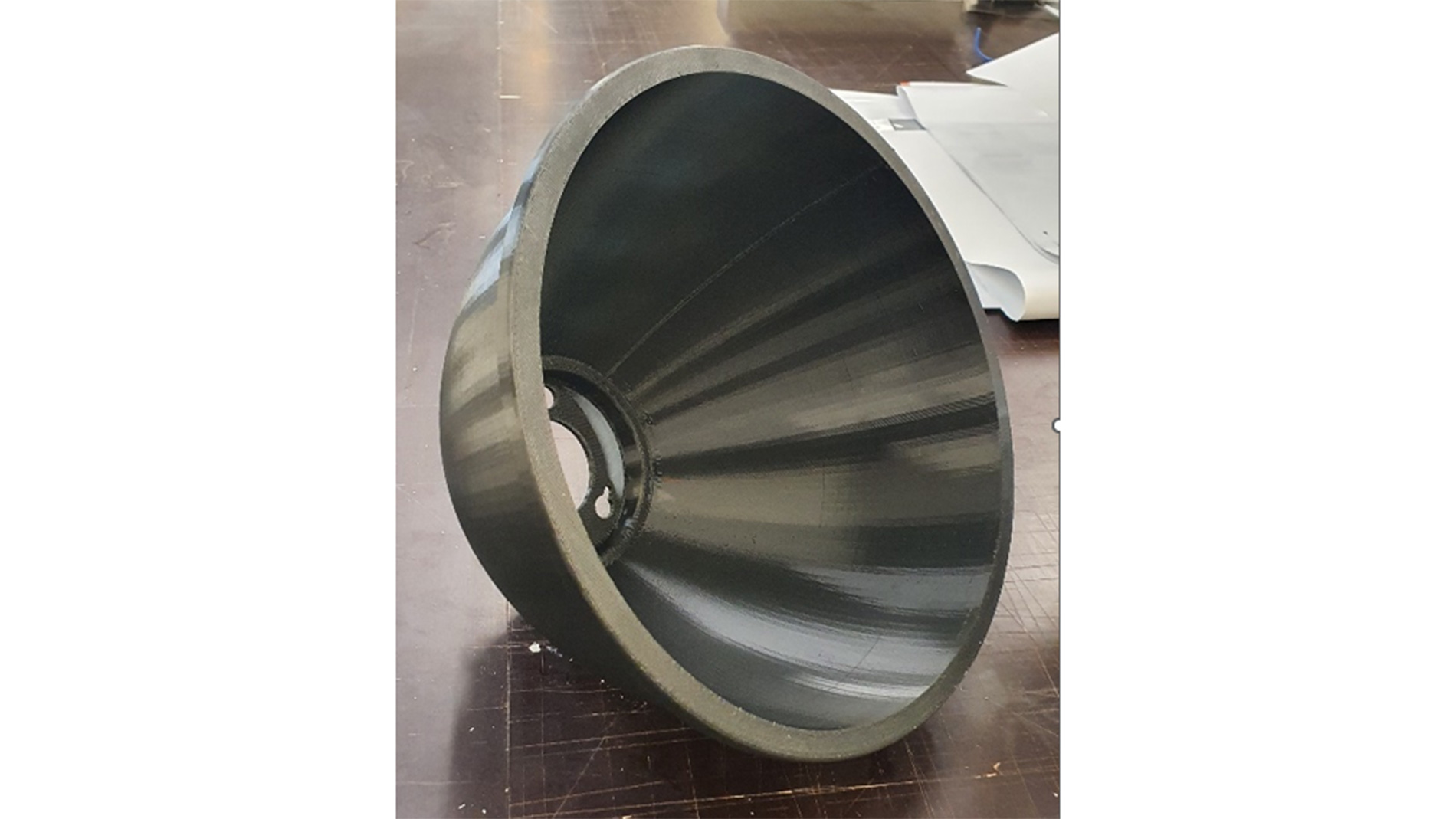
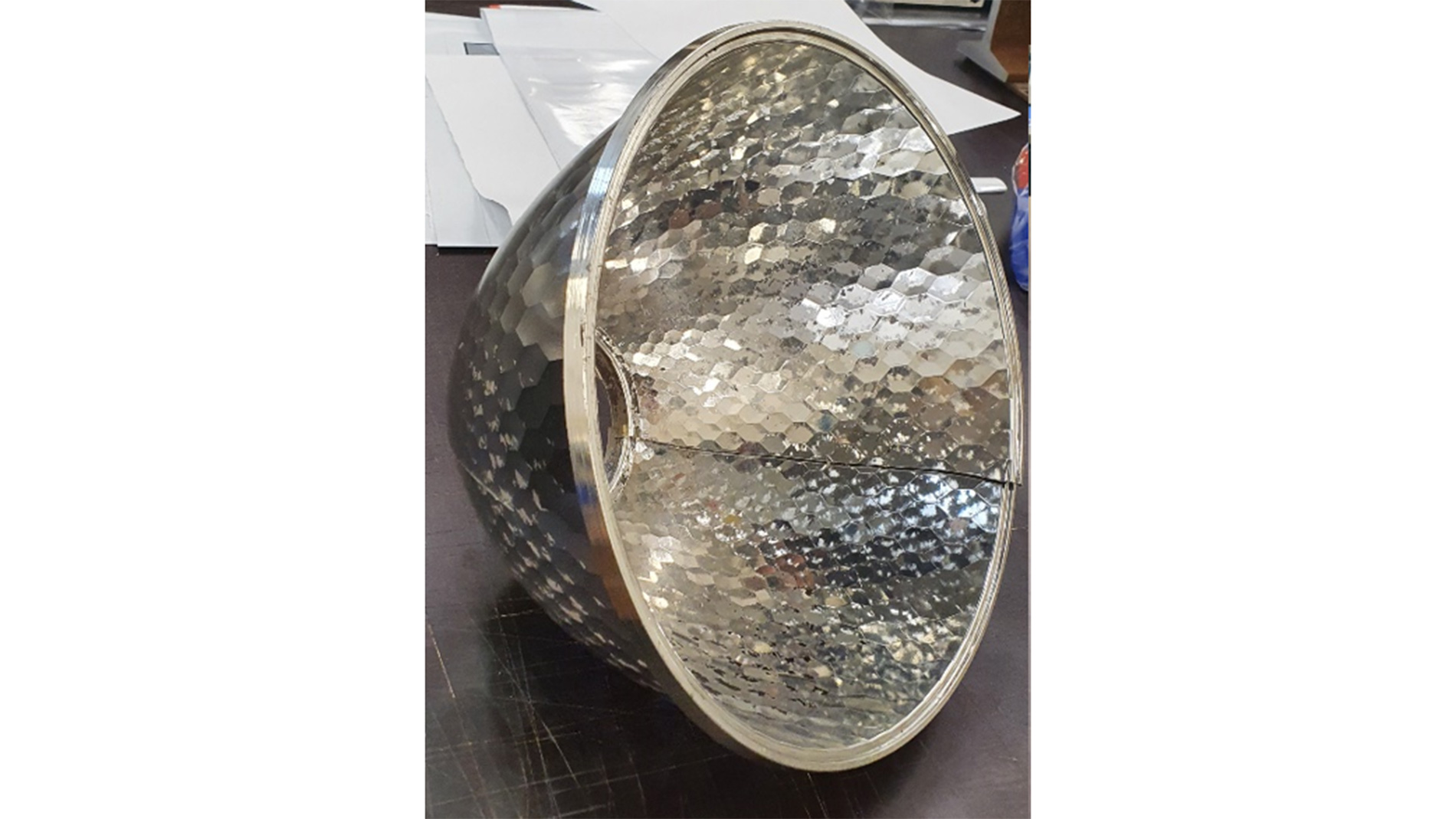
The reflectors of the lamps in subway stations are another example. The original manufacturer no longer exists, so Kostrubiek and his team redesigned the reflectors, 3D-printed them, and had them coated. When the stations switched from fluorescent lamps to LEDs, many brittle parts also had to be replaced. "We were able to produce these in-house at significantly lower cost than the original purchase price," says Kostrubiek. "But the biggest advantage is that the parts are available to us at short notice." The team also improved the design so that the parts can be installed in the lamps without tools.
"Saving a lot of money"
In polymers, production relies primarily on PA12 and TPU. One example is a cover for gas meters installed at many Wiener Netze customers’ premises. "The seals often destroy this cover, so we replace it with an optimized, more robust 3D-printed version," says Pink. "At the same time, we're saving a lot of money because suppliers no longer produce this cover and we can manufacture it ourselves." The AM team also developed another improvement for the gas meter: a 3D-printed carrying handle that lets technicians transport it more easily and efficiently. Both applications were tested by a technical testing institute. According to Pink, the handle withstood a load of up to 275 kg on the 4-kg gas meter. It is now standard equipment in every technician's service vehicle.
Applications, however, "don't always have to be technical," as Kostrubiek points out. The Competence Center once received a request from the uniform storage facility at Wiener Linien, where thousands of employee uniforms are kept in stock. To make storage more efficient and items easier to locate, the team printed dividers with integrated QR codes, among other things. "This makes it easier and more efficient to find the right sizes and models," says Kostrubiek.
Ideas like these often come from the group's idea workshop, a portal where employees can submit suggestions. "Often, these are parts that are damaged or no longer function, and we're asked whether 3D printing could solve the problem," says Pink. One example is the worn armrests of chairs in the staff break rooms at subway stations. "Many colleagues, especially technicians, are familiar with our additive manufacturing capabilities and sometimes approach us directly." In this case, the result was a durable hybrid solution.
Sharing knowledge
"Overall, you could say that knowledge within the company grows with every new application, which in turn leads to more ideas that can be implemented with AM," says Pink. Training plays an important role in spreading this knowledge. The Competence Center offers dedicated modules so that "young people can gain a different perspective on the technology. At the same time, we show that 3D printing isn't always the solution, but in many cases it can help." Apprentices can also try AM themselves, even if that produces a few failed prints. These are shredded and turned back into filament, which teaches sustainability along the way.
Outlook
To improve the availability of critical parts, their designs will eventually be stored in a digital warehouse. For new acquisitions, designs are also being included in digital form in the tender documents, a practice that Pink says "will certainly be expanded in the future." Because reprinting existing designs also touches on copyright, "we are in constant dialogue with our legal department."
Looking ahead, Pink and Kostrubiek are confident that demand for 3D-printed solutions will continue to grow across Wiener Stadtwerke. "We're seeing growing interest in larger parts in particular," says Pink. Standardization, scaling, and a dedicated software solution are also on the group's additive agenda.