
Reading time: 7 minutes
Text: Thomas Masuch
It remains a relatively insular community shaped by a complex web of national and international interests. The applications and requirements involved could hardly be more diverse, ranging from spare parts for tanks and shipboard equipment to highly sophisticated components for aircraft and missiles, as well as the production of drones in combat zones.
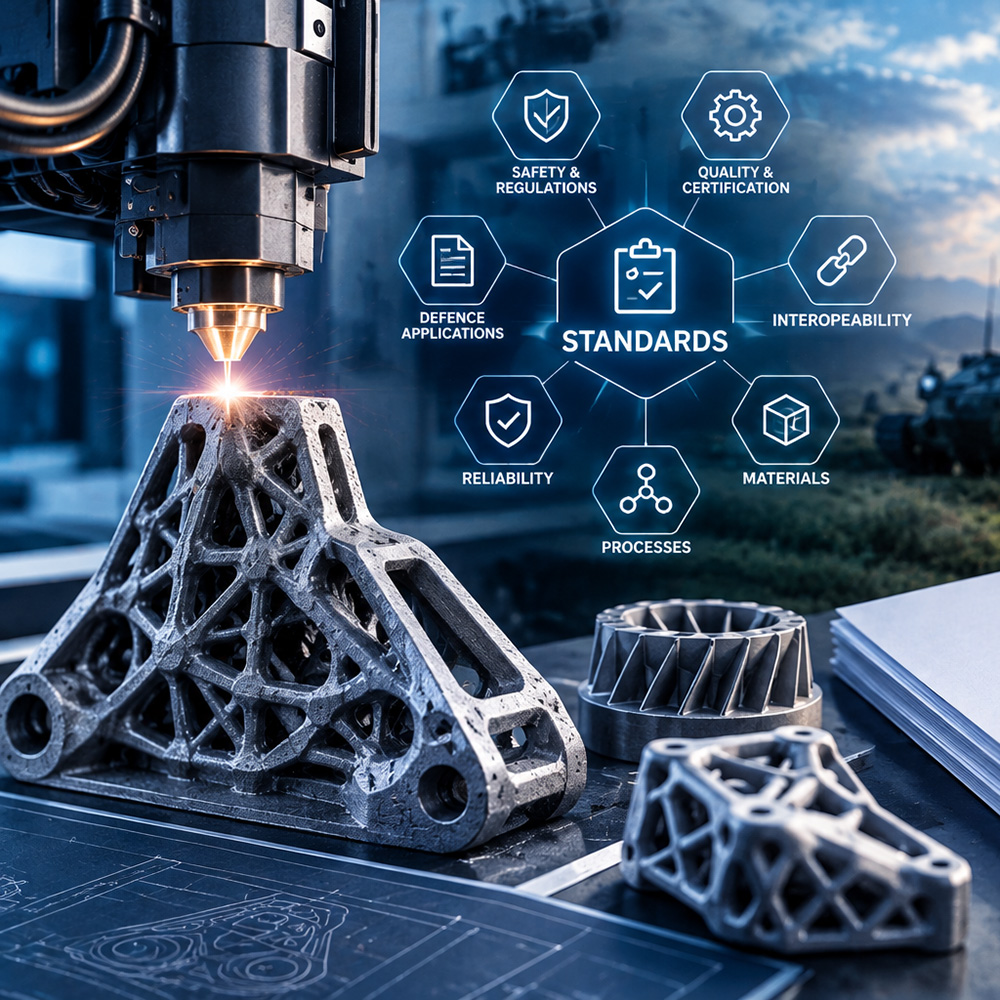
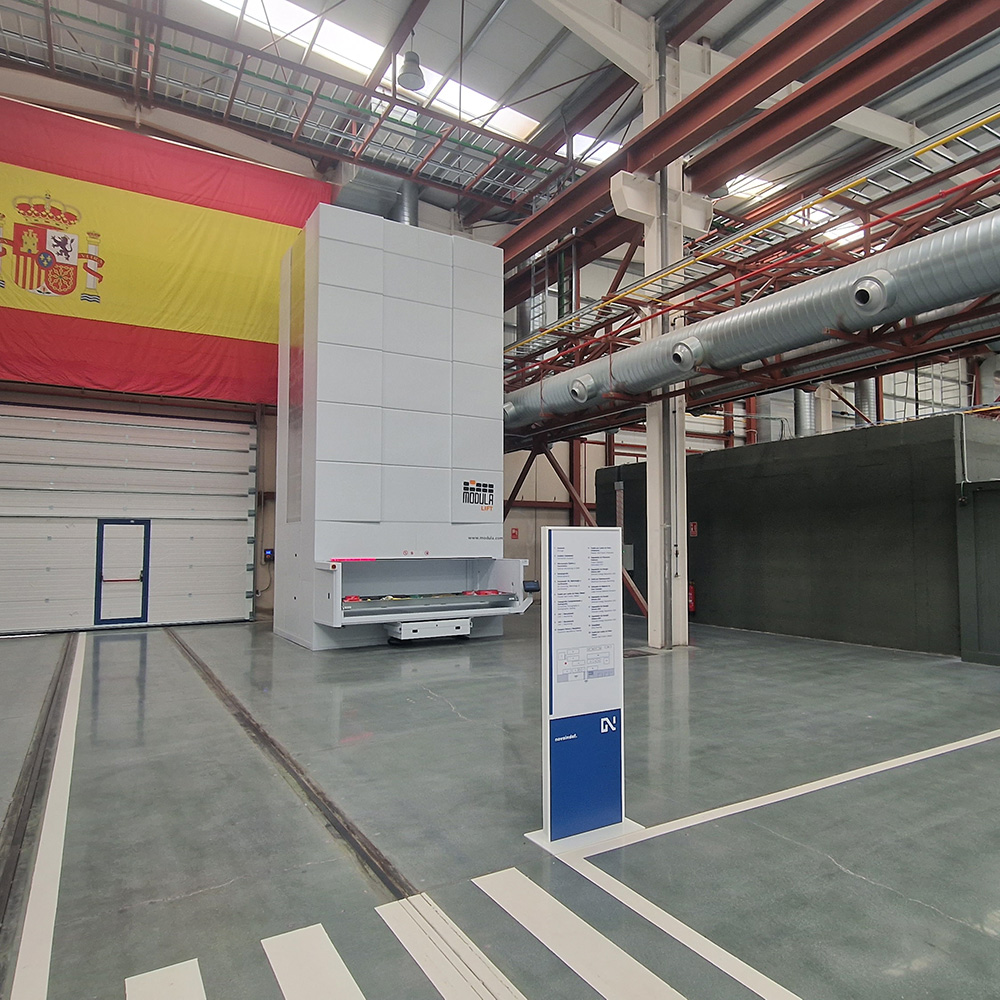
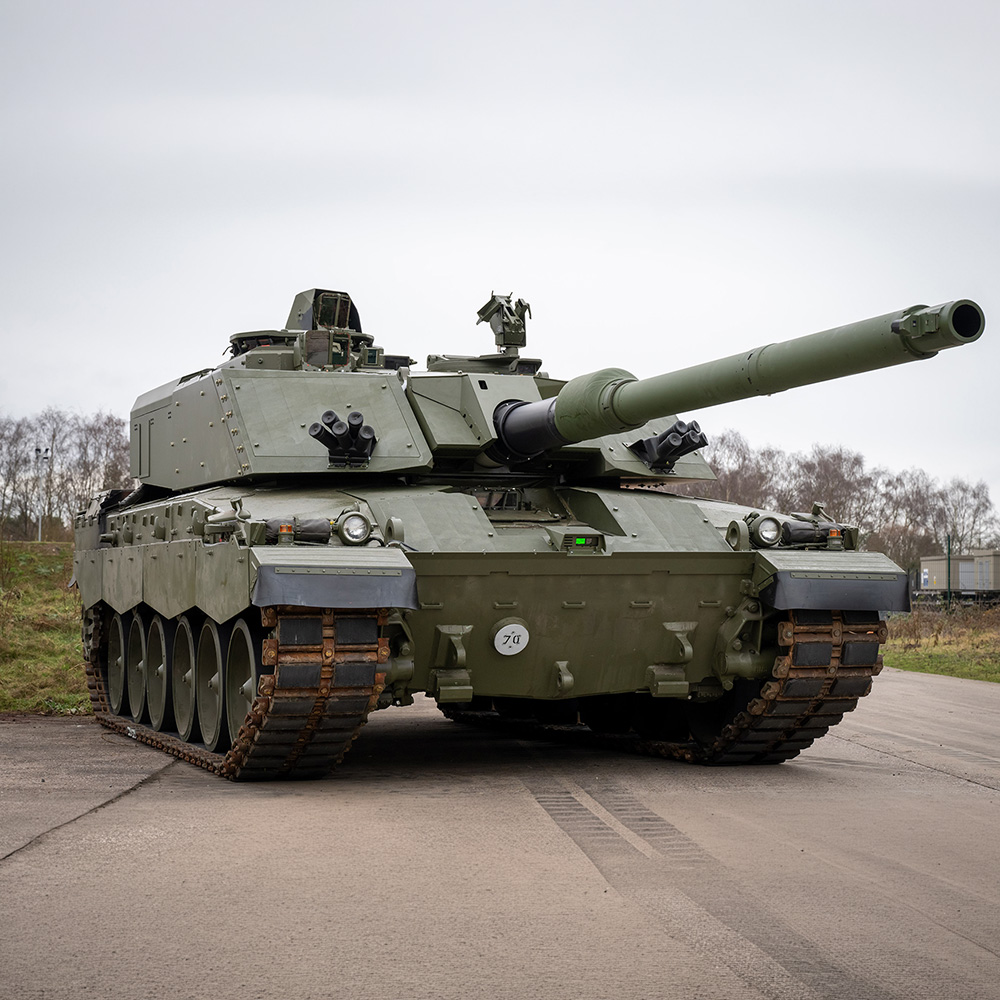
In this special feature, we summarise current developments in the defence sector and examine applications for land, air and naval forces, alongside the opportunities and challenges facing additive manufacturing as a whole. In the following section, we offer deeper, exclusive insights by highlighting two key European players: Rheinmetall UK, which is using AM to advance its tank technology, and the Spanish company Novaindef, which supplies spare parts to the Spanish military and is expanding its production capacity to meet future defence requirements.
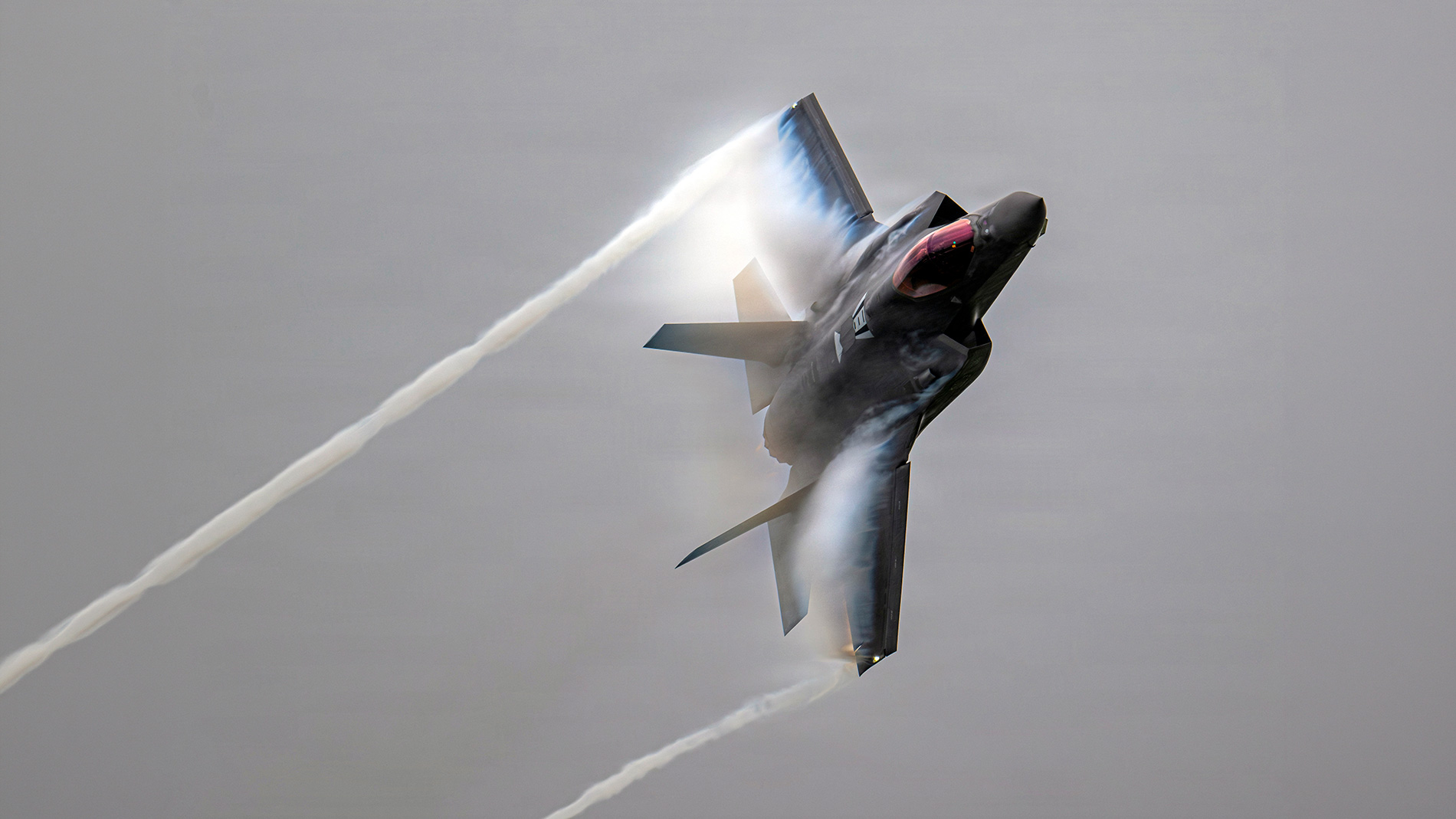
From security of supply to a “gated community”
As the CEO of a major AM company told us confidently, “The defence industry is something of a ‘gated community’. Gaining access can take a long time and requires considerable persistence, but once the door opens, collaboration tends to be far more rewarding than in many other sectors.”
This positive working relationship is reflected in what many describe as “realistic expectations”, stemming partly from the fact that technological advancement in certain areas of the military has not yet reached the same level as in other industries. There is also a marked financial difference compared with sectors such as the automotive industry. In the defence sector, “there is no haggling over the tiniest contractual details”. It is not only price and technical component specifications that matter; the military sector imposes a host of additional requirements on suppliers, including security clearances, export controls, long-term supply security, safety protocols and ownership structures.
There are specific reasons why the industry remains relatively insular, particularly in Europe, despite becoming somewhat more open in terms of public perception. Russia’s war in Ukraine is unfolding on Europe’s doorstep, involving vast quantities of equipment and weaponry manufactured by European companies and their suppliers, often in collaboration with Ukrainian firms. The reality of the threat environment has been underscored by numerous acts of sabotage across Europe, ranging from the discovery of an explosive-laden drone at Leipzig Airport to alleged plots targeting Rheinmetall CEO Armin Papperger. Sabotage carried out by activist groups in the UK has also prompted some Additive Manufacturing companies to stop publicly highlighting their defence-related activities, choosing instead to discuss them only within closed networks.
This insular nature creates unique challenges for sales and marketing within AM companies, leading to an increasing number of former military personnel taking on leadership roles. A case in point is Australian WAAM system manufacturer AML3D. The board of its US subsidiary receives guidance from retired US Navy Rear Admiral David Goggins and Larissa Smith, the former Director of Additive Manufacturing for the US Navy.
Market, business and outlook: “Not just printing more parts”
Defence budgets have grown significantly in recent years, driven in particular by the wars in Ukraine and the Middle East. The US National Defense Authorization Act (NDAA) for 2026 authorises defence spending of more than $900 billion. While it is difficult to estimate exactly how much of this funding is allocated to Additive Manufacturing, the share continues to rise.
According to data from 360iResearch, the AM market in the defence sector is valued at $2.16 billion. Forecasts suggest it will reach $2.48 billion in the near term and grow to $5.99 billion by 2032, representing a compound annual growth rate of approximately 15.7%. A rapidly expanding segment of this market is drone manufacturing. According to AM Research, this segment is expected to grow from $140 million in 2025 to $900 million in 2034.

Overall, Hamid Zarringhalam, CEO and General Manager of Nikon Advanced Manufacturing, anticipates that AM will become increasingly important, particularly for propulsion systems, aerospace structures, maritime components, sustainment and repair. “However, widespread adoption will be heavily reliant upon the industry’s creation of a resilient manufacturing ecosystem built around qualified processes, shared datasets, workforce development and secure regional production. The future of defence manufacturing is not simply printing more parts; it is building repeatable and reliable industrial capability that can be deployed efficiently, where and when it is needed.”
Notable examples of the growing adoption of AM in the defence sector include Beehive Industries and Velo3D, the latter having secured a significant proportion of its orders from the aerospace and defence markets. Velo3D opened Forge 1, a campus with space for more than 40 large-scale metal AM systems. Beehive Industries has been manufacturing engines for the US Air Force since 2020. Six years later, the company employs 400 people across four sites with a combined footprint of 30,000 m², roughly equivalent to four football pitches.
In June 2026, Beehive invested $50 million in 30 additional EOS M4 Onyx printers, marking the largest single order ever publicly announced by EOS. This expanded its installed base to 50 systems, which are expected to produce more than 8,000 engines annually. What sets Beehive apart is that its turbines are designed for Additive Manufacturing from the outset. Rather than consisting of over 600 components, they comprise around 50.
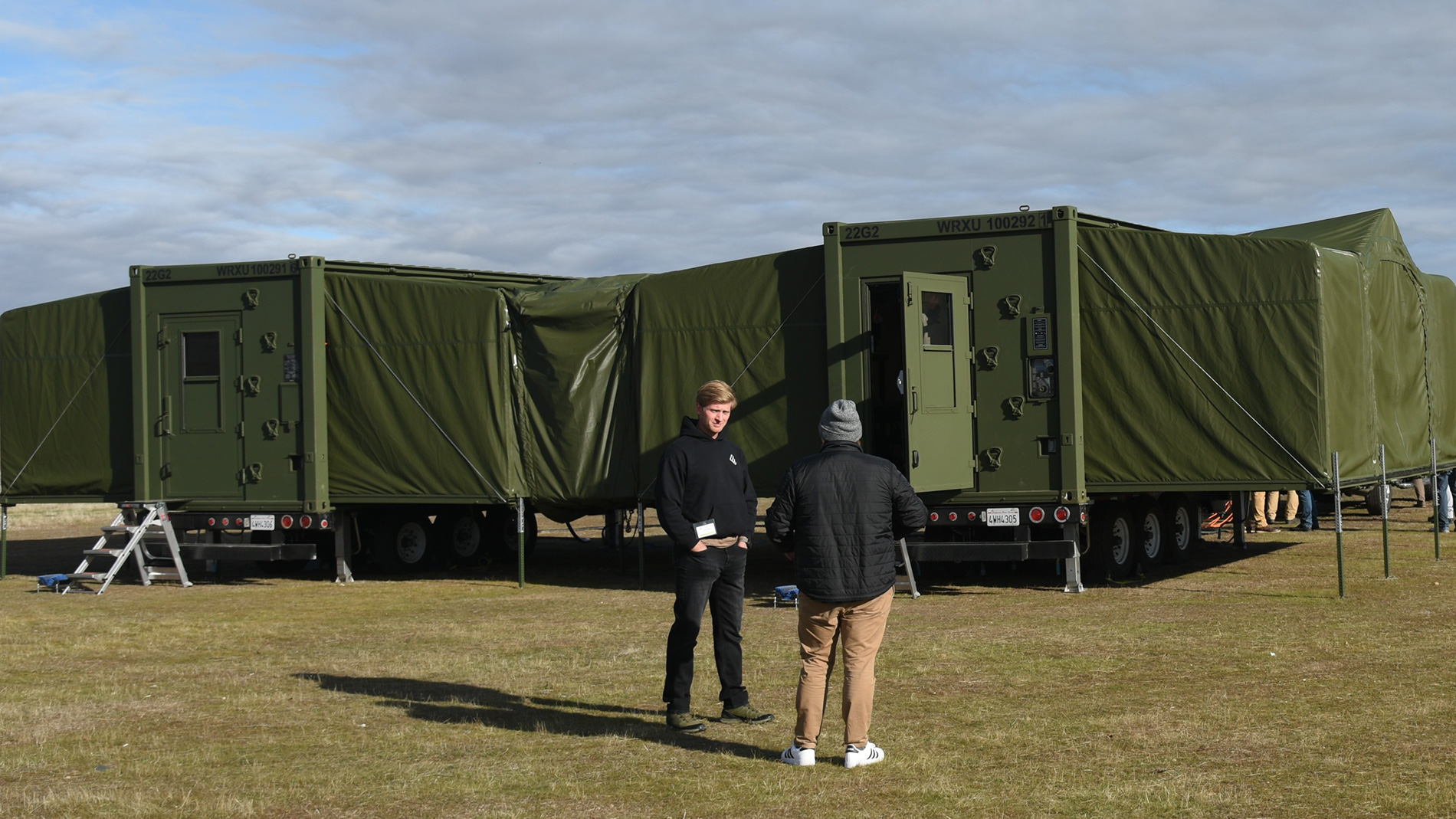
Companies offering specialised AM solutions for the defence sector are also attracting investor interest. The four-year-old US company Firestorm Labs has raised more than $150 million through various financing rounds since 2023. Firestorm Labs’ xCell is a mobile microfactory housed in one or two 20-foot ISO containers and designed specifically for decentralised production of drones and military spare parts. The system incorporates HP Multi Jet Fusion printers, assembly and post-processing capabilities, as well as testing and quality assurance systems.
Naval
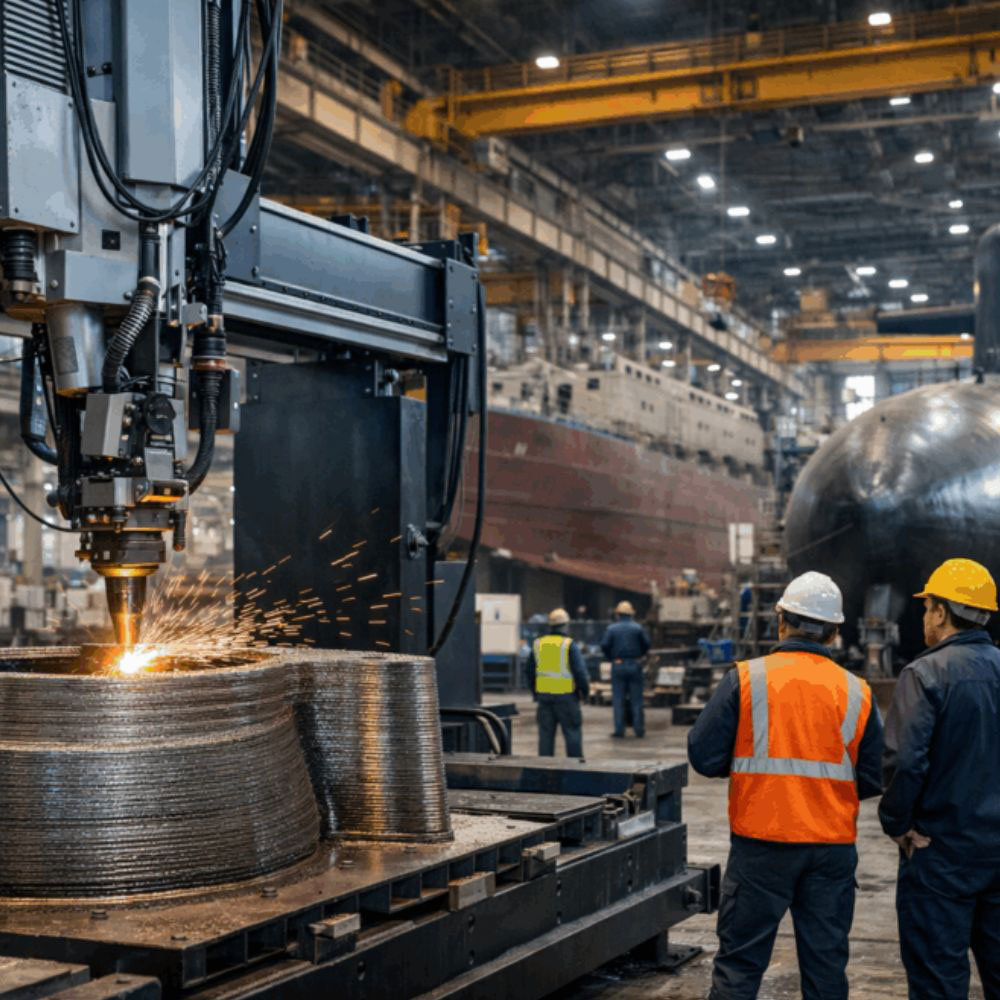
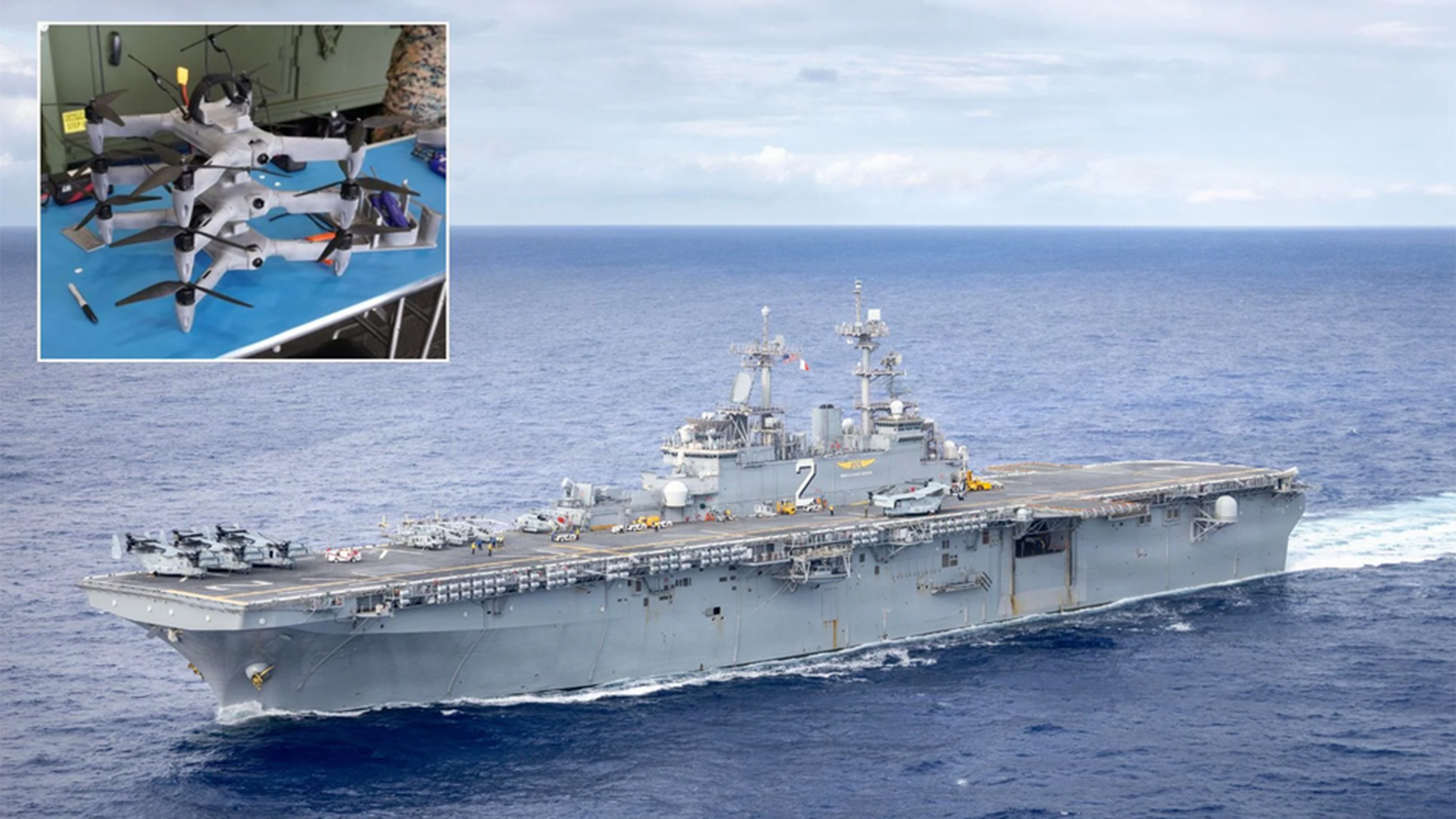
AM is also playing an increasingly important role in the naval sector. Ships are increasingly being equipped with AM systems that enable defective components to be replaced at sea without requiring a return to port. A significant milestone was reached during the international RIMPAC exercise in July 2026, when the 257-metre USS Essex and the aircraft carrier USS Theodore Roosevelt, among others, were equipped with various AM systems and, in some cases, CNC equipment for post-processing. According to Firestorm Labs, more than 1,000 AM parts were produced using an xCell unit aboard the Essex, while Squall FPV drones were also printed and assembled. In addition, a certified, 3D-printed metal component was installed for the first time on an operational Virginia-class submarine.
At the same time, entire boats are also being produced using 3D printing, increasingly for military applications. Florida-based Haddy recently manufactured its TF-179 drone boat using a large-format 3D printing system from CEAD utilising robotic arms.
To further advance AM in the naval sector, Phillips Corporation, Federal Division (Phillips Federal), headquartered in Hanover, Maryland, has equipped the US Navy’s training centre in Danville, Virginia, with twelve hybrid metal AM machines. The investment also includes twelve Markforged X7 systems for composite materials, providing sailors with hands-on experience in hybrid metal manufacturing, composite AM and production-ready workflows. The Phillips hybrid machines are based on Haas TM-1P machining centres incorporating DED technology from Meltio.
The growing number of naval applications is also reflected in the business performance of AM companies. At Australian firm AML3D, which specialises in WAAM metal printing systems, these applications contributed to record results in the 2026 financial year. The company, which has been operating since 2014 and became publicly listed in 2020, reported an order backlog of A$29 million, with A$16.8 million already carried forward into the 2027 financial year. Most of this growth is attributable to US Navy shipbuilding programmes.
At Newport News Shipbuilding, the largest military shipbuilder in the US, the first two Arcemy systems have been commissioned, with four more in the pipeline. AML3D has also installed its first portable Arcemy unit for Austal USA and received a new order for non-safety-critical submarine components for the US Navy. The company is also planning a significant expansion of its production capacity, investing A$12 million at its Ohio site and a further A$5 million in a future European centre.
Aerospace
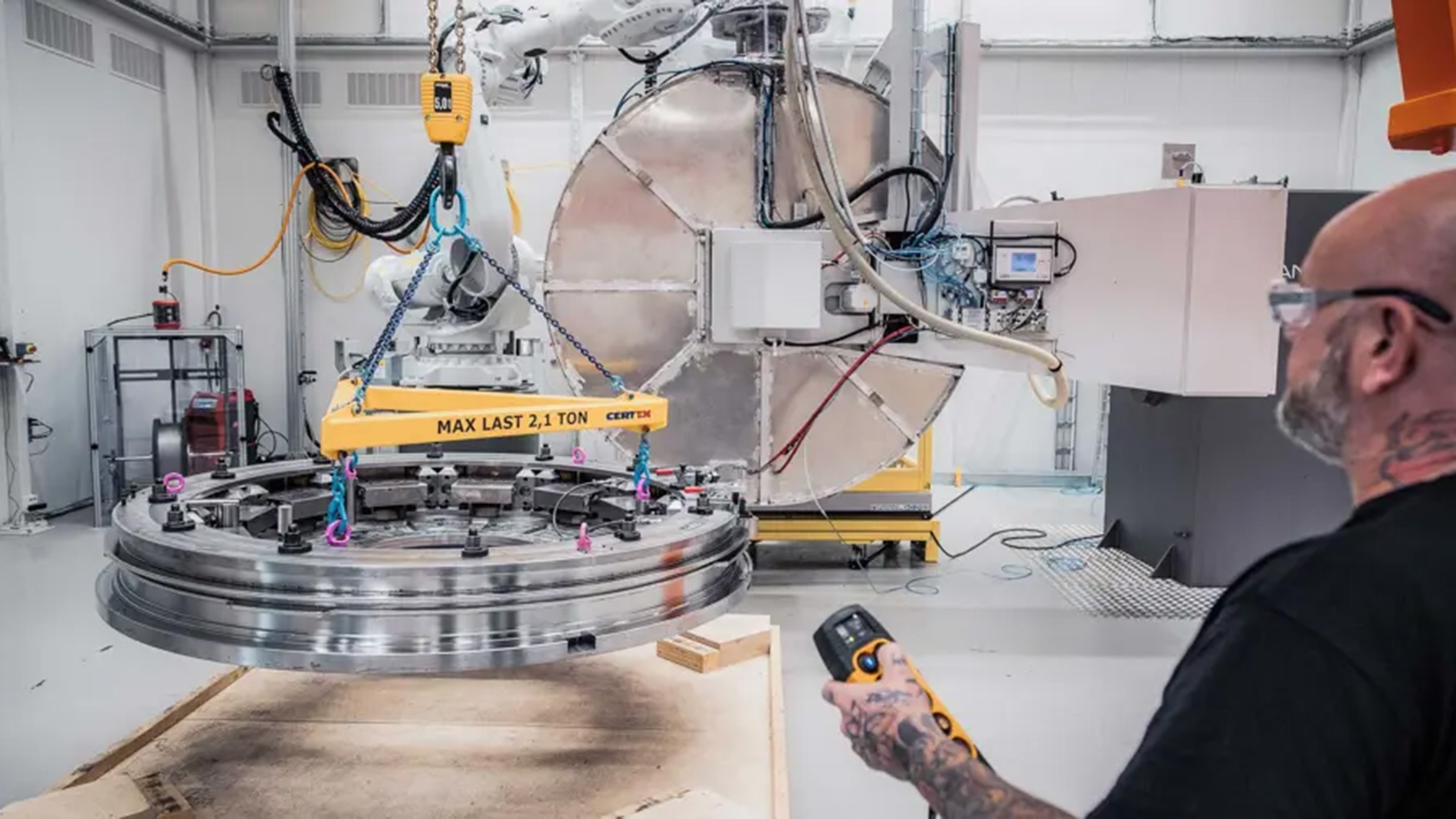
A particularly advanced application was recently announced by Pratt & Whitney and GKN Aerospace. The two companies are developing a 3D-printed casing for the F135 engine used in the F-35 Lightning II. Certification is targeted for 2028. GKN Aerospace will manufacture the full-scale demonstrator in Norway using Laser Directed Energy Deposition, with the first demonstrator expected in 2027.
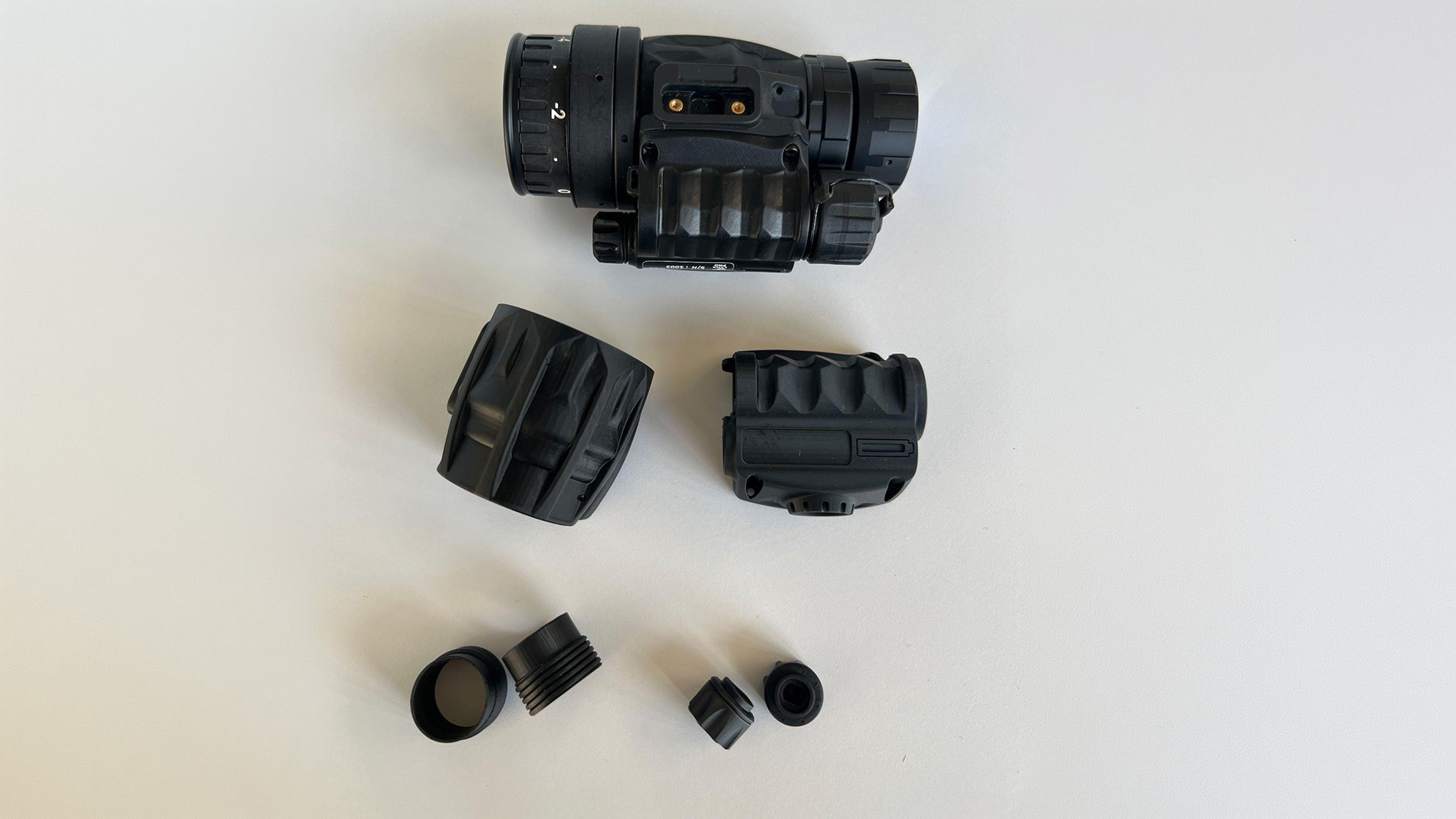
AM also plays an important role among suppliers, not only in manufacturing but also in product development. Stratasys, for example, reports that 3E Elektro Optik Sistemler San. ve Tic. A.Ş., a Turkish specialist in electro-optical components, uses durable materials such as Somos WeatherX to test its latest models under operational conditions.
Drones
AM now plays a crucial role in the drone sector. The airframes of smaller quadcopters, as well as mounts and structural components, are frequently 3D printed. Demand is enormous. Ukraine plans to produce 19,000 drones per day in 2026, including reconnaissance, combat and FPV drones, making a significant contribution to the country’s defence capabilities. Some of these are manufactured in print farms, often at undisclosed locations, while others are produced using desktop printers and are frequently redesigned and improved within very short development cycles.
Taga, a manufacturing company specialising in industrial design, demonstrates how this process can work in practice. The company developed a safety feature for UAVs designed to improve rotor durability. To determine the optimum level of flexibility, it was able to combine rigid and flexible materials on a Stratasys J35 Pro PolyJet system. Taga’s customer was then able to use the resulting prototypes to test and select the appropriate design.
The high demand for drones presents opportunities not only for printer and material manufacturers, but also for companies specialising in post-processing. DyeMansion highlights the value of post-processing technologies such as vapour smoothing for UAV applications. Benefits include increased strength and durability, improved environmental resistance and aerodynamics, and a more professional finish.
Missiles
Missiles are currently among the most sought-after military products, particularly Patriot interceptor missiles, which have been used by Ukraine and others to defend against ballistic missile attacks. Stockpiles have been significantly depleted, while manufacturers are working to increase production capacity, a challenging task given the complexity and precision required.
The successful use of AM for numerous missile components and propulsion systems has already been demonstrated for many years in the civilian sector. Consequently, military missile manufacturers are increasingly turning to Additive Manufacturing to accelerate development and production.
European defence company MBDA, which is jointly owned by Airbus, BAE Systems and Leonardo, has also been using Additive Manufacturing for more than a decade. In October 2025, MBDA announced that it had printed a structural component for a next-generation missile, significantly improving thermal management. According to the company, the use of a double-skin structure reduced temperature increases by up to 70%. MBDA produced more than 50 prototypes and subjected them to extensive testing to validate fatigue resistance, thermomechanical stability and firing performance. Among the company’s latest developments is the SPEAR mini cruise missile, scheduled for delivery from 2027.
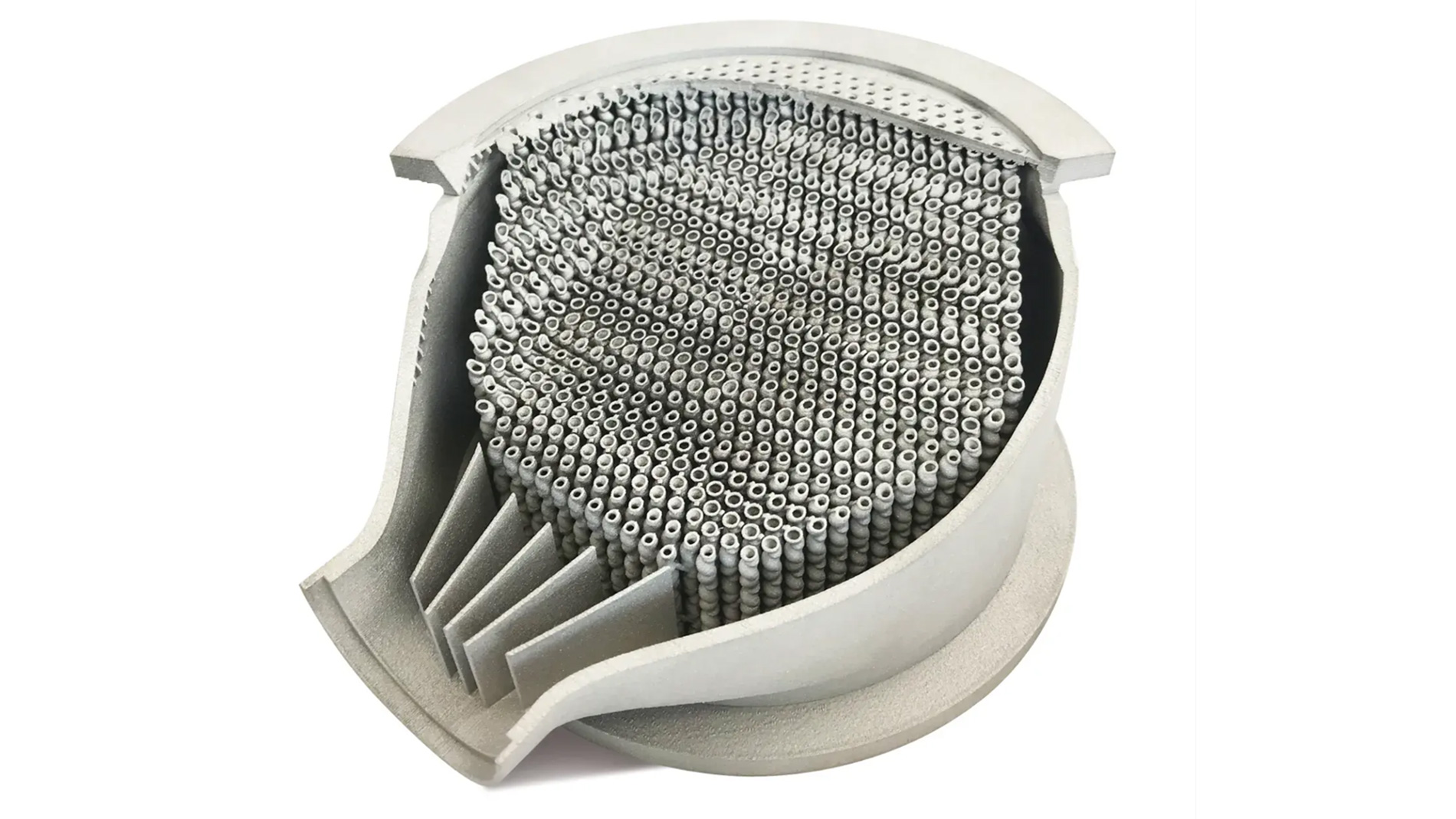
Elmet Technologies plans to use its 3D Systems DMP Flex 350 Triple metal 3D printing system (PBF-LB) to manufacture large heat exchangers for hypersonic missiles in the future. The company intends to qualify and certify the system using the niobium-based high-performance alloy C103 before commencing series production. Hypersonic missiles travel at speeds exceeding five times the speed of sound (around 6,000 km/h), generating extreme loads and temperatures due to aerodynamic friction alone.
AM is also opening up new possibilities in propulsion technology. Firehawk Aerospace has additively manufactured solid propellant for Javelin- and Stinger-class rocket motors and successfully tested it in flight. The key advantage lies in shorter production times and the ability to tailor thrust characteristics through the geometry of the propellant itself.
Land forces
Numerous projects are underway, particularly in the field of larger military platforms such as tanks and armoured personnel carriers, to explore how AM can best be used to supply spare parts. Given the relatively low production volumes of these systems and their long service lives, additive manufacturing offers significant advantages over conventional manufacturing methods.
The exclusive articles on Rheinmetall UK and the Spanish company Novaindef over the linked articles below examine this topic in greater detail.