Reading time: 6 minutes
Text: Thomas Masuch
In close collaboration with defence OEMs, it not only supplies obsolete and unavailable spare parts to the Spanish Armed Forces and other military organisations but also develops production capabilities to address future military challenges. To support this effort, several advanced manufacturing centres have already been established across Spain.
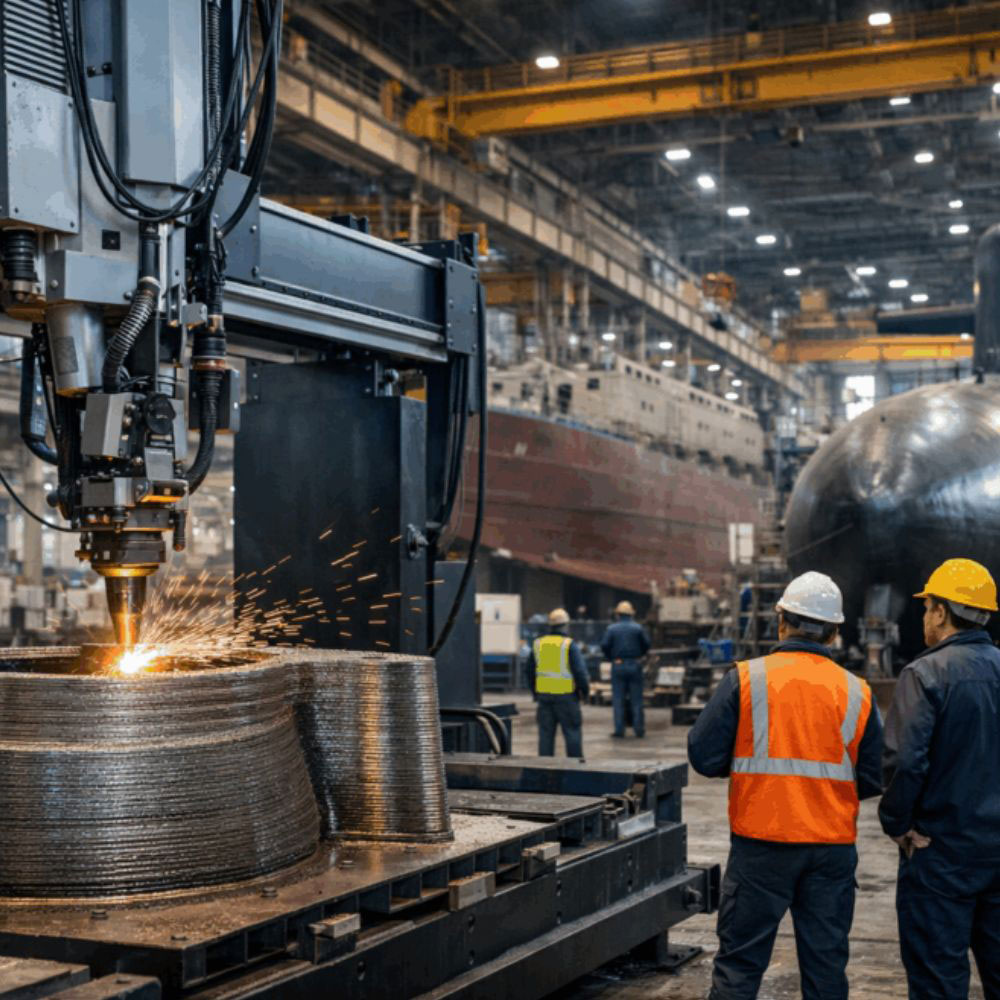
Part of the Spanish Sicnova Group, Novaindef was founded to consolidate and further develop a collaboration spanning more than a decade with the Spanish Ministry of Defence in the field of AM under a single organisation. To support this mission, the company has built substantial industrial capacity at its headquarters in Linares. Its facilities include more than 30 AM systems for metals (PBF and DED), polymers and composites, sourced from various manufacturers. These are complemented by several CNC machining centres, advanced inspection technologies such as X-ray inspection and computed tomography, and post-processing equipment for heat treatment and surface finishing.
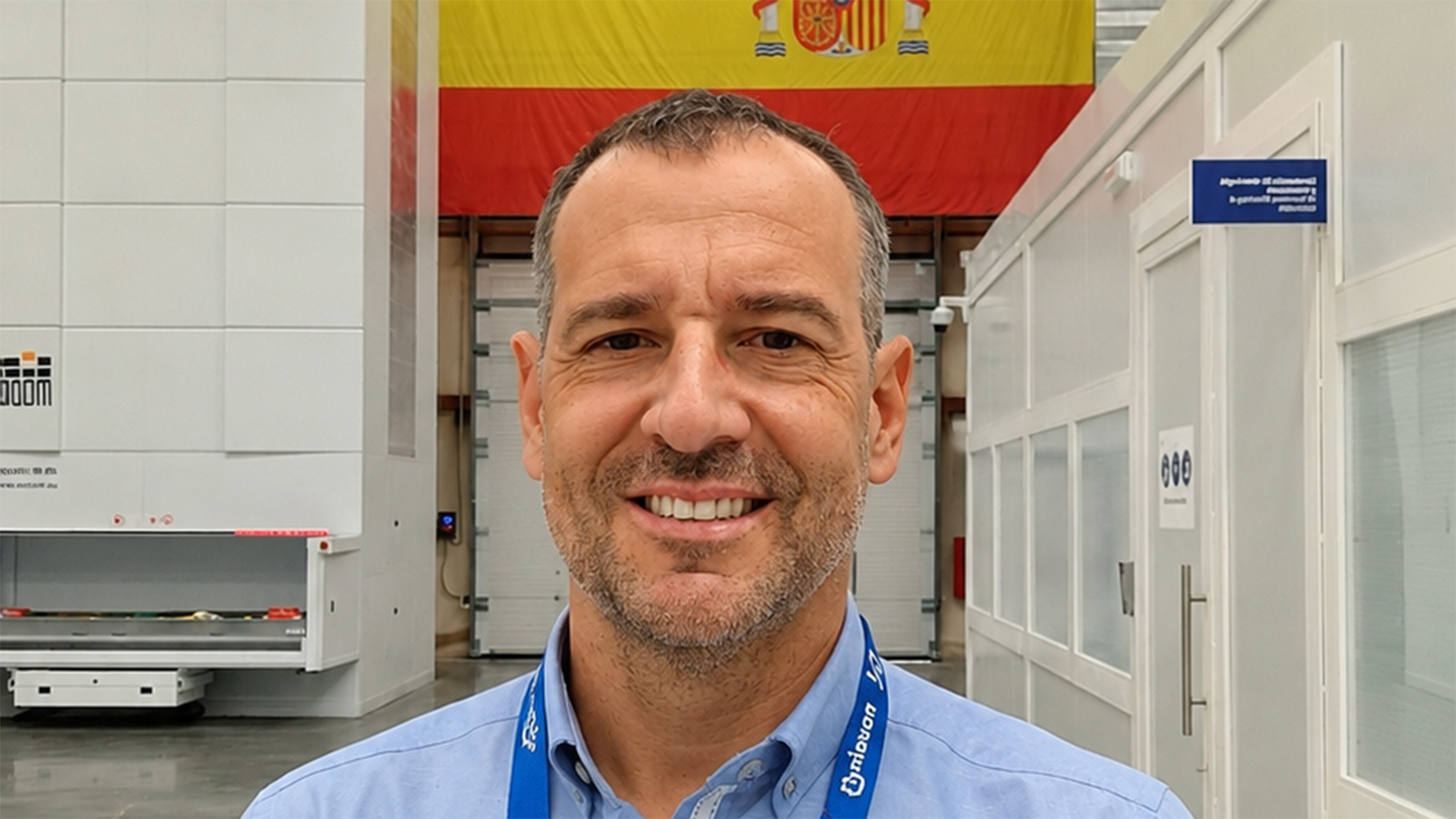
Despite Novaindef’s extensive AM capabilities, Fernando Lasagni, CTO of the company, views 3D printing not as an isolated technology but as part of a wider Advanced Manufacturing ecosystem: “Our goal is not to use a specific technology, but to identify the most suitable manufacturing solution for each challenge.”
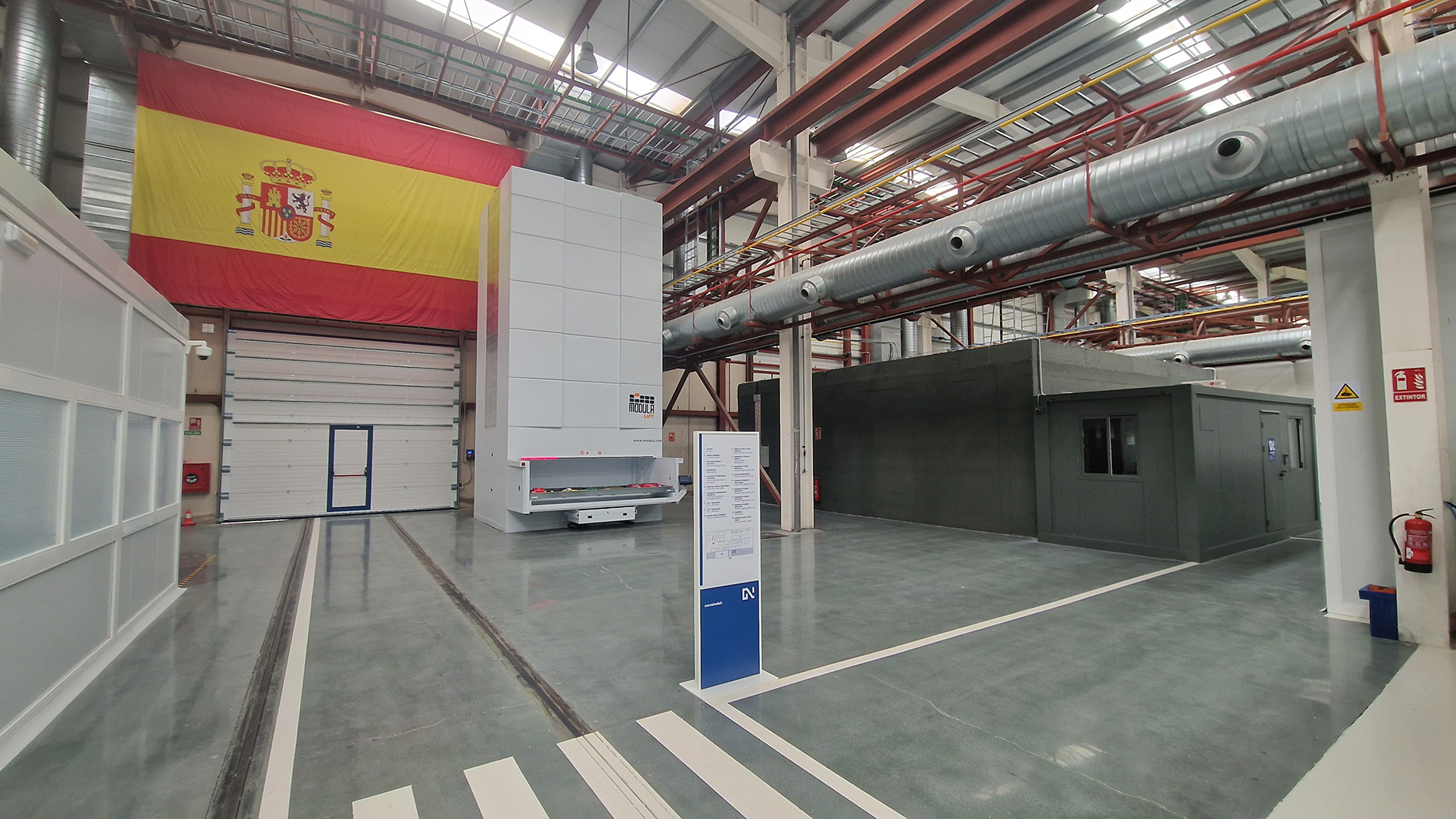
The partnership with the Spanish Ministry of Defence also aims to establish a network of advanced manufacturing centres for the armed forces. These include three CESFARE centres (for manufacturing and repair) serving the Air and Space Forces in Albacete, the Army in Córdoba and the Navy in Rota. The network is further supported by CEDAEC, a 3D technology centre for military and defence-sector certification located at Novaindef’s headquarters in Linares.
“In addition to their extensive manufacturing capabilities, these centres also offer a complete ecosystem for development, qualification, design, testing and certification. This includes training, technology transfer, digital warehouses and the ability to validate materials, processes and components,” explains Lasagni.
Addressing shortages of obsolete spare parts for decades-old systems
Novaindef’s development is closely linked to the history of the Sicnova Group. Founded in 2007, Sicnova initially operated as a distributor of 3D printers. Today, the Group offers engineering solutions, manufacturing services and industrial AM technologies.
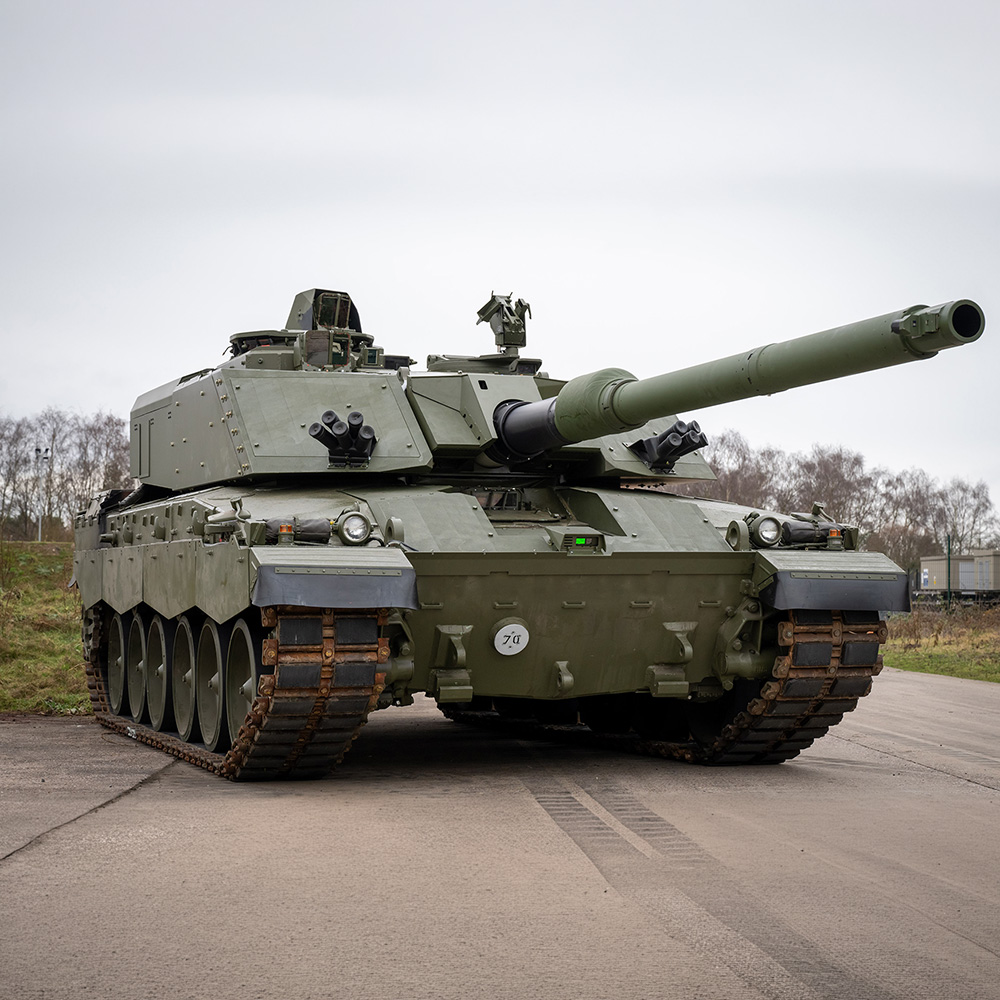
Lasagni sees the supply of replacement parts as one of the most critical areas of the Additive Manufacturing business, since military platforms often remain in service for decades, while suppliers, production lines or sometimes even manufacturers disappear. As part of the collaboration with the Spanish Ministry of Defence, obsolete components are therefore identified, digitised, redesigned if necessary, and then manufactured.
In general, Lasagni recommends following a gradual approach: starting with non-structural components, progressing to structural parts of increasing criticality and, finally, addressing highly demanding applications where dynamic performance must also be validated.
For security reasons, Novaindef does not disclose specific applications. However, Lasagni explains: “We often replace components that were originally cast and whose quality level is lower than that achieved with other production methods. Here, we also use AM to improve the structure and quality. That’s a triple win.”
In addition to the traditional advantages of on-demand production with a digital warehouse, the collaboration with the Spanish Ministry of Defence also calls for the development of modern production capacities. “In times of war, you need the ability to produce quickly and at large scale,” explains Lasagni.
Mobile manufacturing for deployed operations
Another focus is mobile manufacturing solutions. Together with the Spanish Ministry of Defence and under the leadership of the Spanish Air and Space Forces, Novaindef developed the FAMU (Forward Advanced Manufacturing Unit) system, which was deployed during the Pacific Skies 2024 mission in Alaska. This is a container-based solution which houses various technological systems for producing spare parts at the point of use: a DED-AM system, a 5-axis machining centre, heat treatment capabilities, and testing and quality assurance equipment.
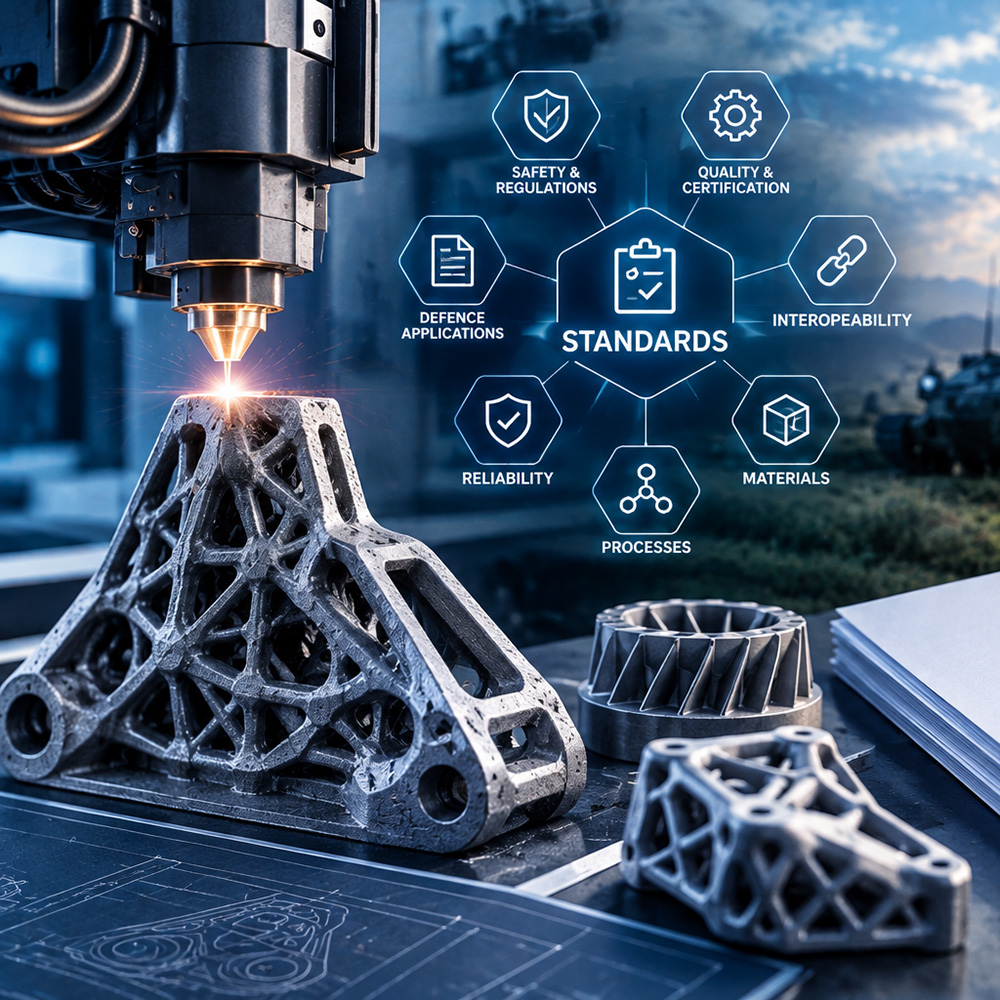
Despite the growing importance of advanced manufacturing, Lasagni warns against oversimplifying its implementation. In the defence sector in particular, rigorous inspection, certification and process control are essential. “Additive Manufacturing must always be backed by robust inspection, testing and certification processes that reflect the criticality of the component.”
A successful combination
Lasagni attributes the development of this advanced manufacturing ecosystem, in which Spain plays a pioneering international role, to a combination of strategic vision, technical expertise within the Ministry of Defence and a supportive national regulatory environment. “The Engineering Corps of the Spanish Armed Forces has been working with advanced manufacturing technologies for many years, which has been instrumental in driving this strategy,” he says. At the same time, Lasagni emphasises the importance of efficient regulation. “In some countries, bureaucracy and excessive regulation can be major barriers to innovation.”