
Reading time: 6 minutes
Text: Thomas Masuch
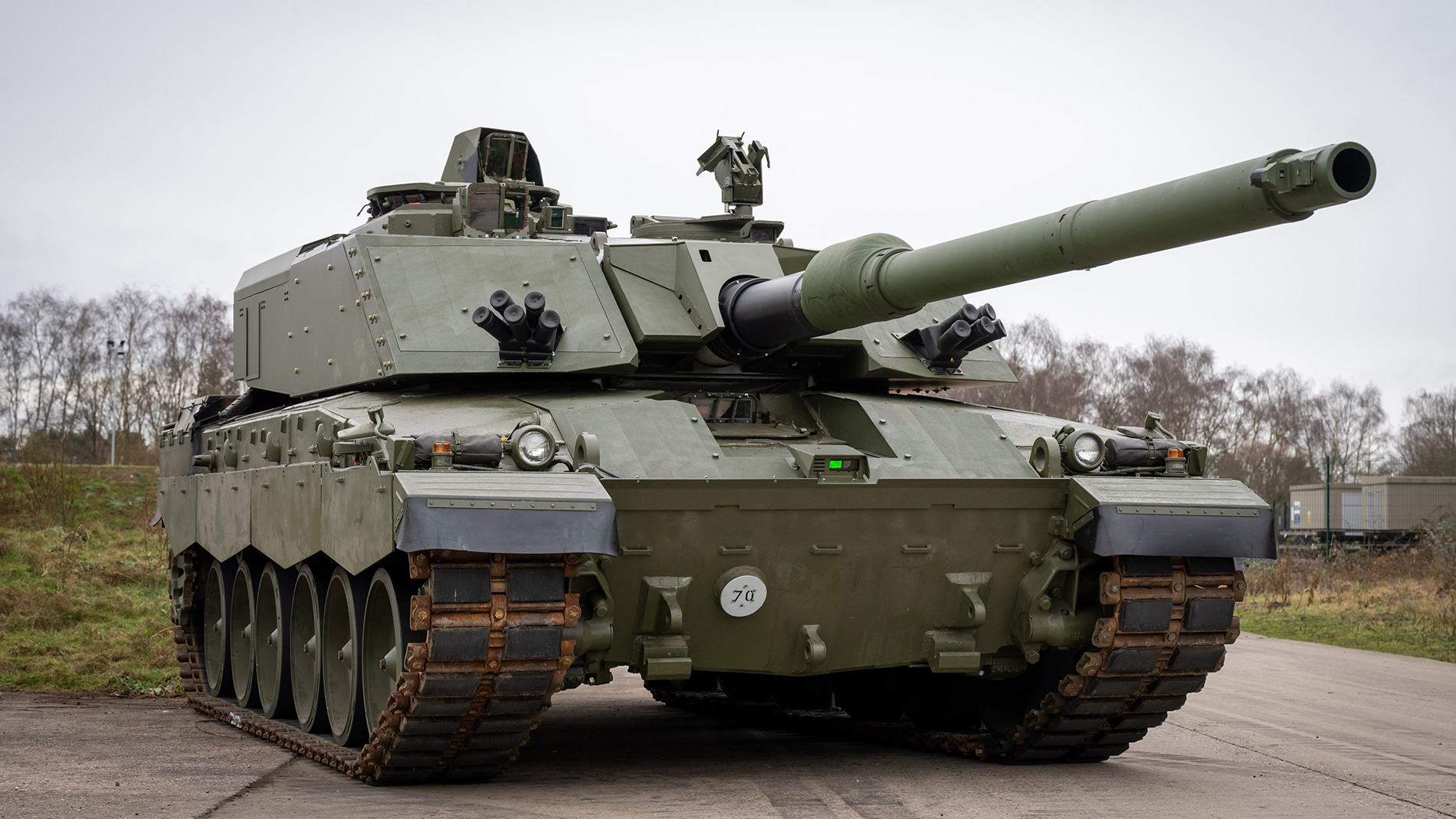
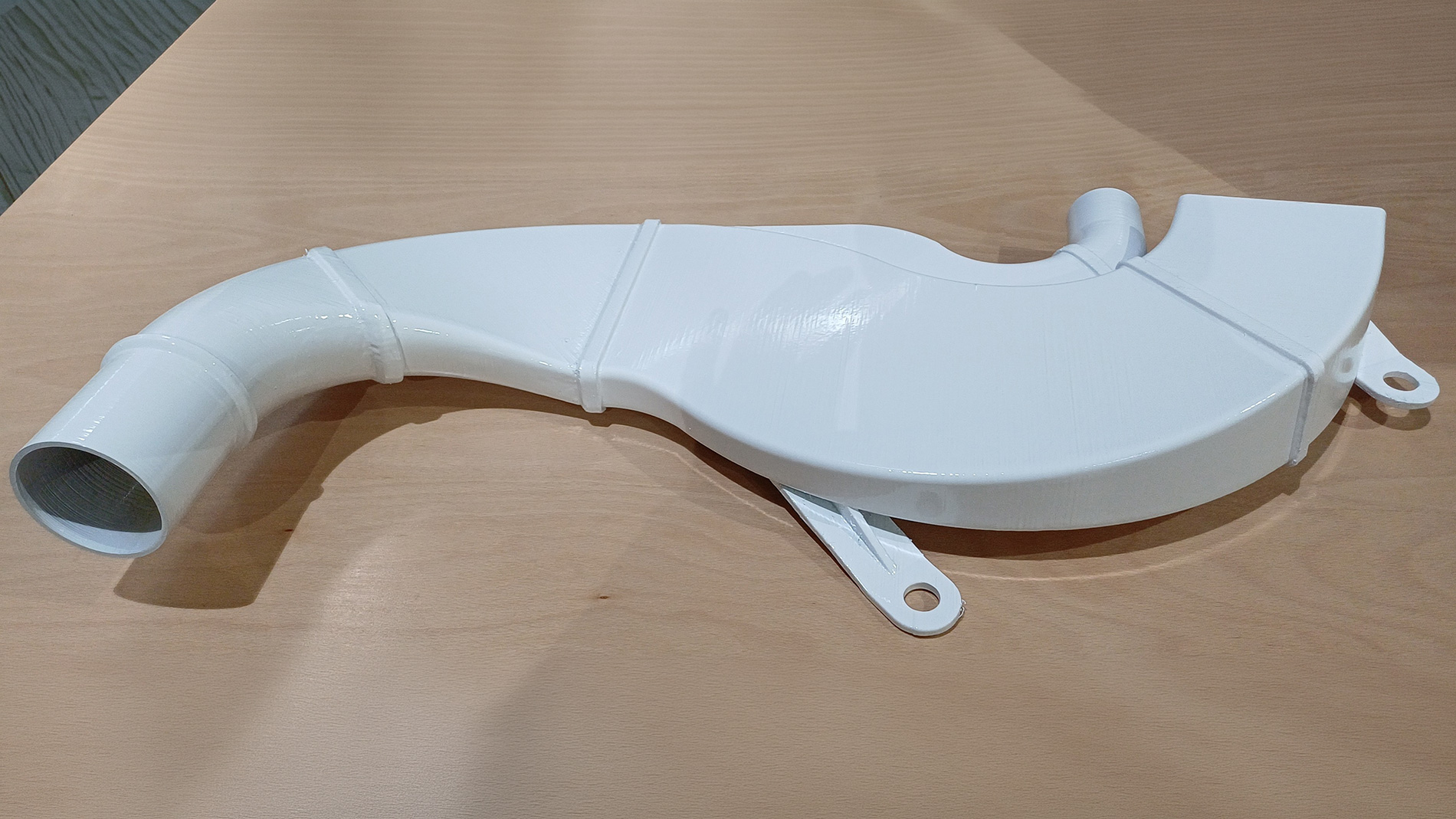
Alongside an increasing number of metal components, the ducting for the crew temperature control system used in the new Challenger 3 main battle tank is additively manufactured, helping to streamline the product development process.
According to Julian Wright, Technology Programmes Manager at Rheinmetall BAE Systems Land (RBSL), a division of Rheinmetall UK, the potential of AM extends far beyond individual components. He recalls a 2014 study suggesting that, in theory, around 30–40% of the parts in a main battle tank could be additively manufactured. “And the technology has advanced enormously since then,” he says.
For Wright, however, this is no reason to get carried away by the hype. While AM offers significant advantages for a defence company such as Rheinmetall UK, he is equally aware of the challenges that continue to slow the wider adoption of the technology.
Nevertheless, AM has become an important part of Rheinmetall's strategy, supporting the development and production of modern military vehicles as well as the long-term supply of spare parts.
Opportunities for AM
Rheinmetall UK’s key defence programmes are centred on the modernisation of the British Army. These include the Challenger 3 programme, under which 148 Challenger 2 main battle tanks are being upgraded to the Challenger 3 standard. Valued at more than €900 million, the programme covers the development, manufacture and final assembly of the vehicles at Rheinmetall UK’s facility in Telford.
In parallel, Rheinmetall UK is manufacturing several hundred Boxer 8×8 armoured vehicles together with KNDS UK. The company is also responsible for through-life support and spare parts provision and is expected to play a key role in the UK Ministry of Defence's future Land Integrated Operating Service (LIOS) programme.
Compared with many other industries, the relatively low production volumes of military vehicles are often an advantage for AM. “In many applications, AM can make strong commercial sense. It can eliminate the need for expensive tooling and minimum order quantities while facilitating on-demand production; reducing inventory requirements and warehousing costs while improving cash flow,” Wright explains. AM can also accelerate product development and sometimes enable part consolidation by replacing complex multi-component assemblies with a single component. “But it’s not always the case, it depends on the application and the AM production process selected. For example, with the polymer ducting for Challenger 3, we’ve split the parts into multiple sections, increasing overall part count. By minimising the amount of support structure that must be printed, we can enhance productivity and reduce costs.”
Wright also sees significant opportunities for Additive Manufacturing with polymers. Replacing metal components with polymer parts can significantly reduce vehicle weight while lowering manufacturing costs. “For example, as part of the work Rheinmetall UK is doing for Project Tampa, we are demonstrating how we could replace steel parts with polymer alternatives, reducing mass by 80-90% without losing functionality,” Wright reports. “However, this also requires a change in mindset,” he says. “Many components in military vehicles have traditionally been manufactured from steel or aluminium, partly because low production volumes rarely justify the cost of injection moulding tooling. At the same time, there remains a widespread perception that polymers are not sufficiently robust for demanding military applications.”
Another major application for AM in military vehicles is the production of spare parts and the faster availability of components. Since armoured vehicles typically remain in service for several decades, replacement parts must be available throughout their operational life. “The challenge is that these legacy components are not designed and certified for AM,” Wright explains. “Creating certified digital assets is one of the key challenges ahead.”
The long service life of armoured land vehicles raises another question regarding the use of polymer components produced using AM. In tanks, durability is a key factor. As Wright advises, “With many AM materials, there is often no data available on how they will perform after several years under military operating conditions.”
Sourcing components
Rheinmetall UK has established its own in-house Additive Manufacturing capability, while also sourcing components from external service providers when internal capacity is fully utilised or when specialised AM processes are required that are not available in-house. Where commercially viable, however, Wright and his team prefer to manufacture parts themselves. “There are many advantages to doing so,” he explains. “It makes us more agile and allows us to build our own expertise.” As the company’s AM experience continues to grow, it is increasingly being considered for end-use parts.
At the same time, Wright cautions against overestimating the capabilities of the technology or oversimplifying the realities of 3D printing. “You have to look at the entire manufacturing process. Printing is only one part of the overall production chain. Oversimplifying the process does little to advance the industry.”
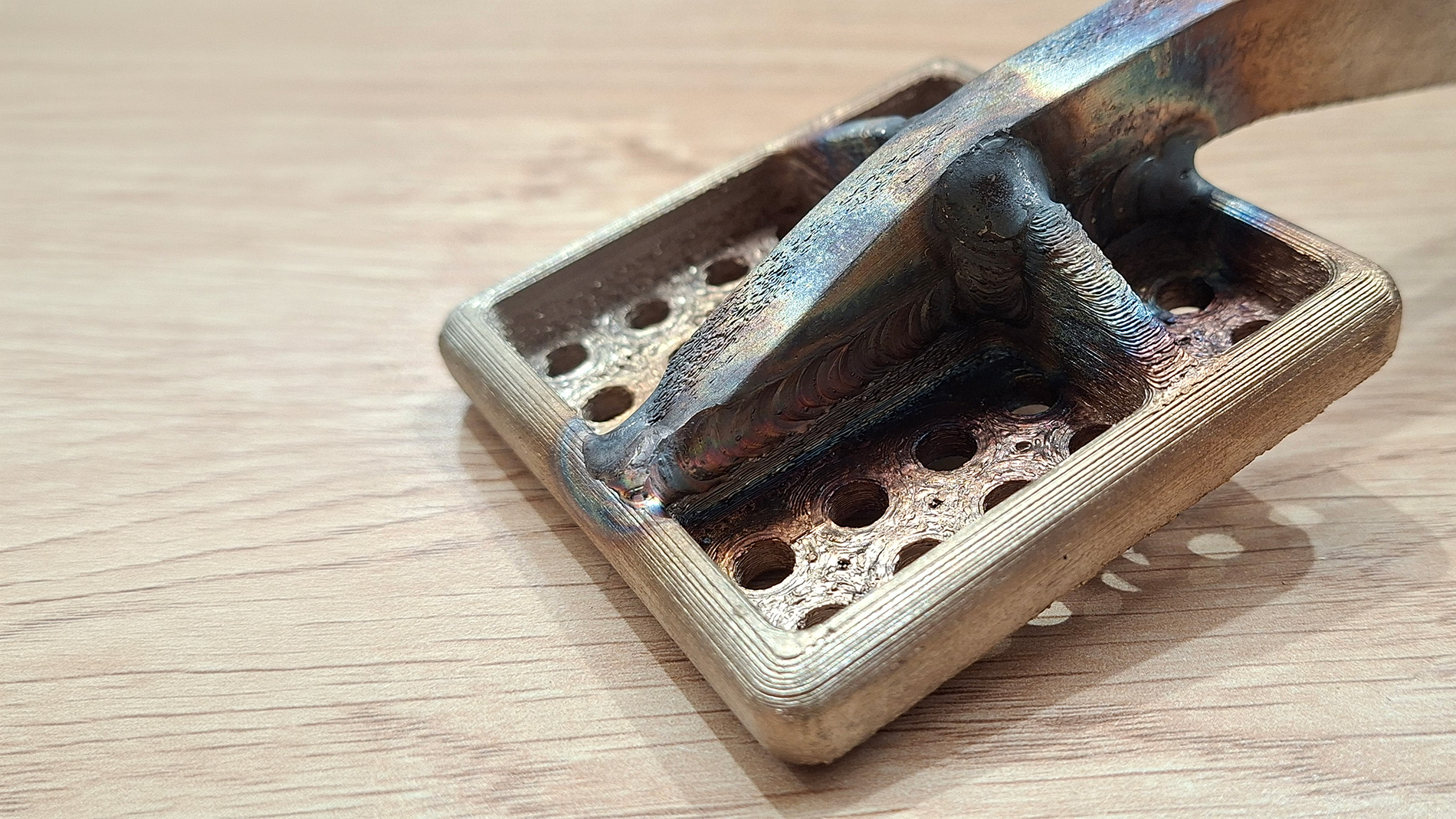
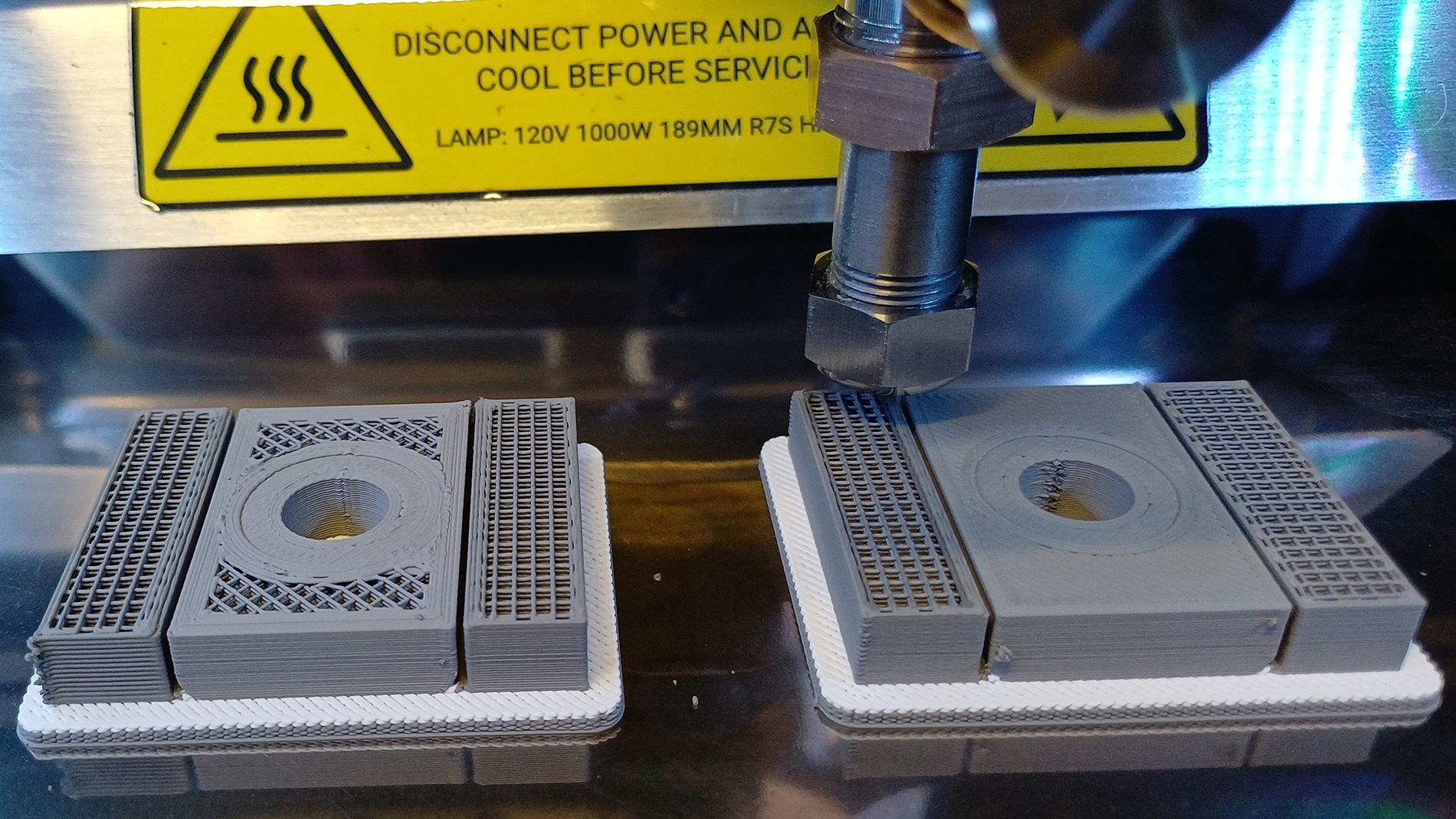
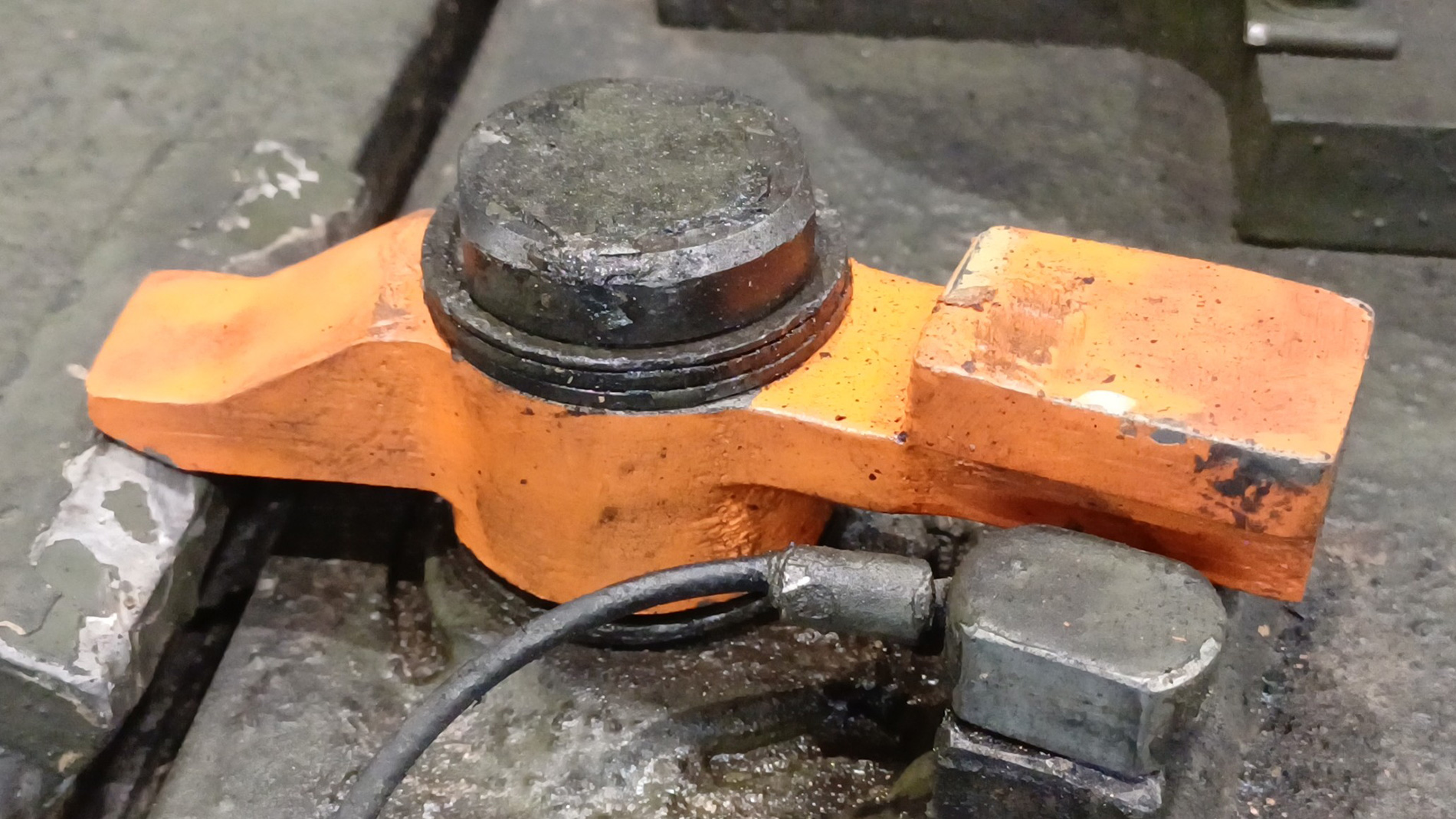
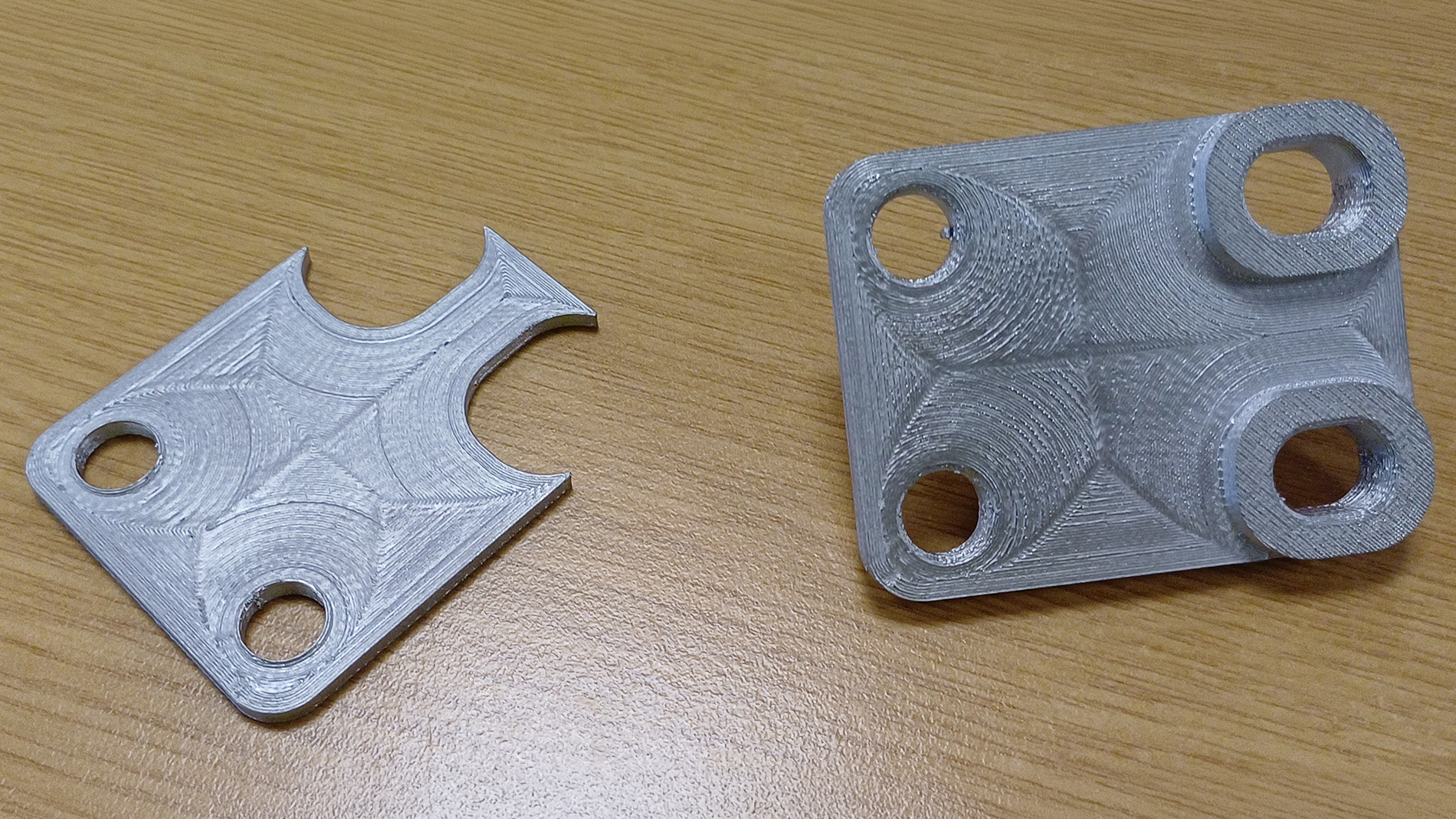
Due to a favourable return on investment, Wright and his team have now established high temperature polymer and metal AM production facilities in-house. The team are the first in the UK to adopt Metal Paste Deposition technology from Rapidia Inc, and Wright is more than convinced of this approach. “It is highly cost-competitive and can, in some cases, offer a more economical route to production than conventional manufacturing methods. It’s safe to integrate into the site since there’s no loose powder in the process, and it requires relatively little post-processing; for example, supports can be removed by hand.” The equipment’s compact footprint and mobility also lend themselves to production of spares at the point of need. “We’re anticipating that systems could be positioned closer to the front line than currently imagined for other metal AM systems. It also overcomes the challenge that military users have by not needing skilled personnel to deploy with the equipment enabling the capability to be distributed more widely across the battlespace.”
Looking ahead
While the current Challenger 3 programme already incorporates additively manufactured components, Wright expects future vehicle upgrades and next-generation vehicles to contain significantly more AM-produced components.
In his view, AM will play an important role in lightweighting vehicles while at the same time helping to reduce development costs and timescales. Furthermore, deployed AM will change the way we repair vehicles, enabling parts to be produced on demand, enhancing fleet availability.
Nevertheless, heavy armoured vehicles weighing over 40 tonnes will not disappear from the battlefield, according to Wright. “This will not change despite lessons learned from the effective use of drones in Ukraine. While tanks remain vital for holding ground and assaulting defended positions, they must be integrated into a broader force package and equipped with robust counter-drone systems, just like any other land asset.”