
Reading time: 4 Minuten
Author: Thomas Masuch
As the example of Weisser Spulenkörper GmbH & Co. KG, a supplier to the electrical engineering industry illustrates, success is possible with clear positioning, a proactive strategy and a commitment to training and winning over potential users.
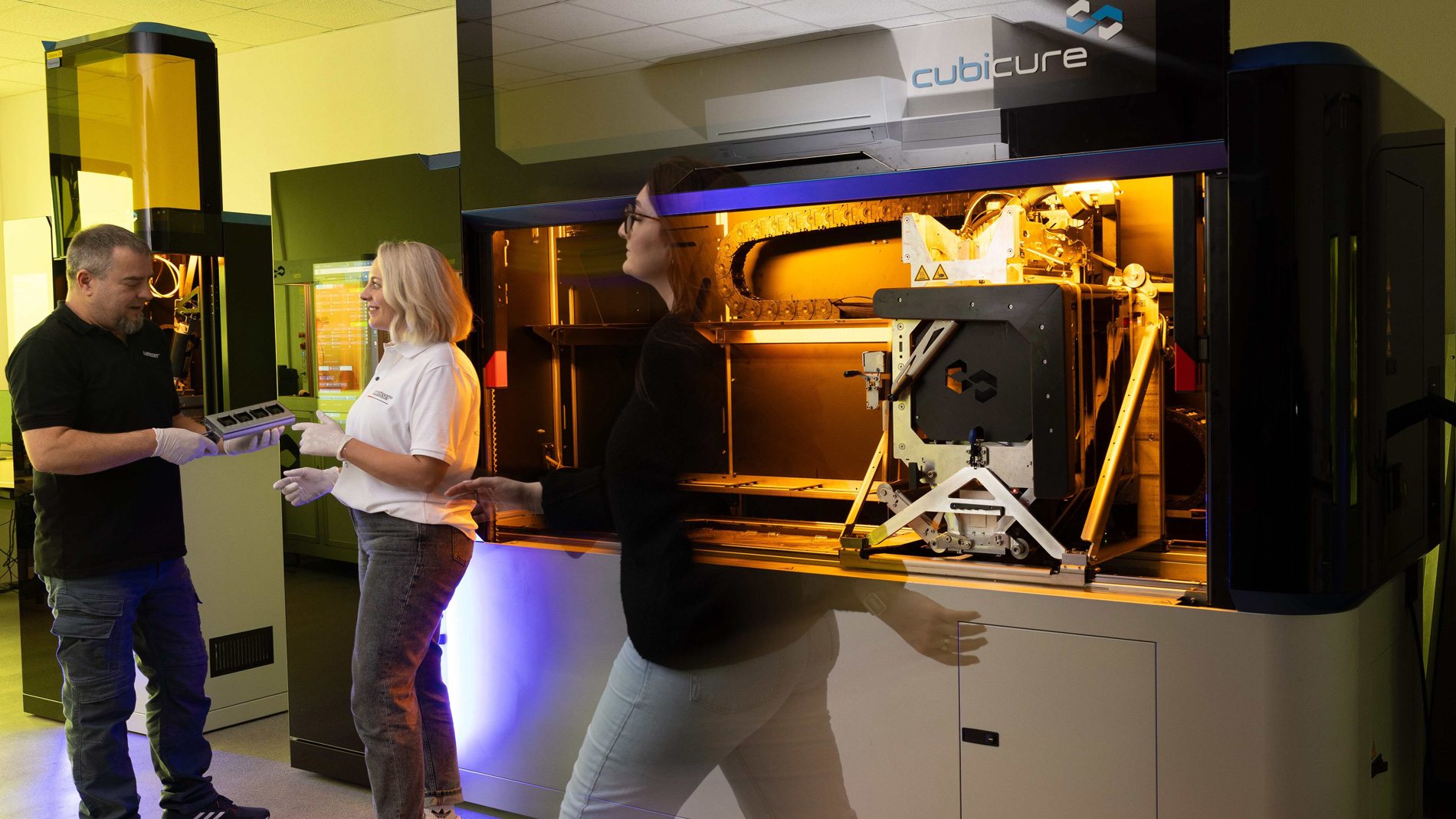
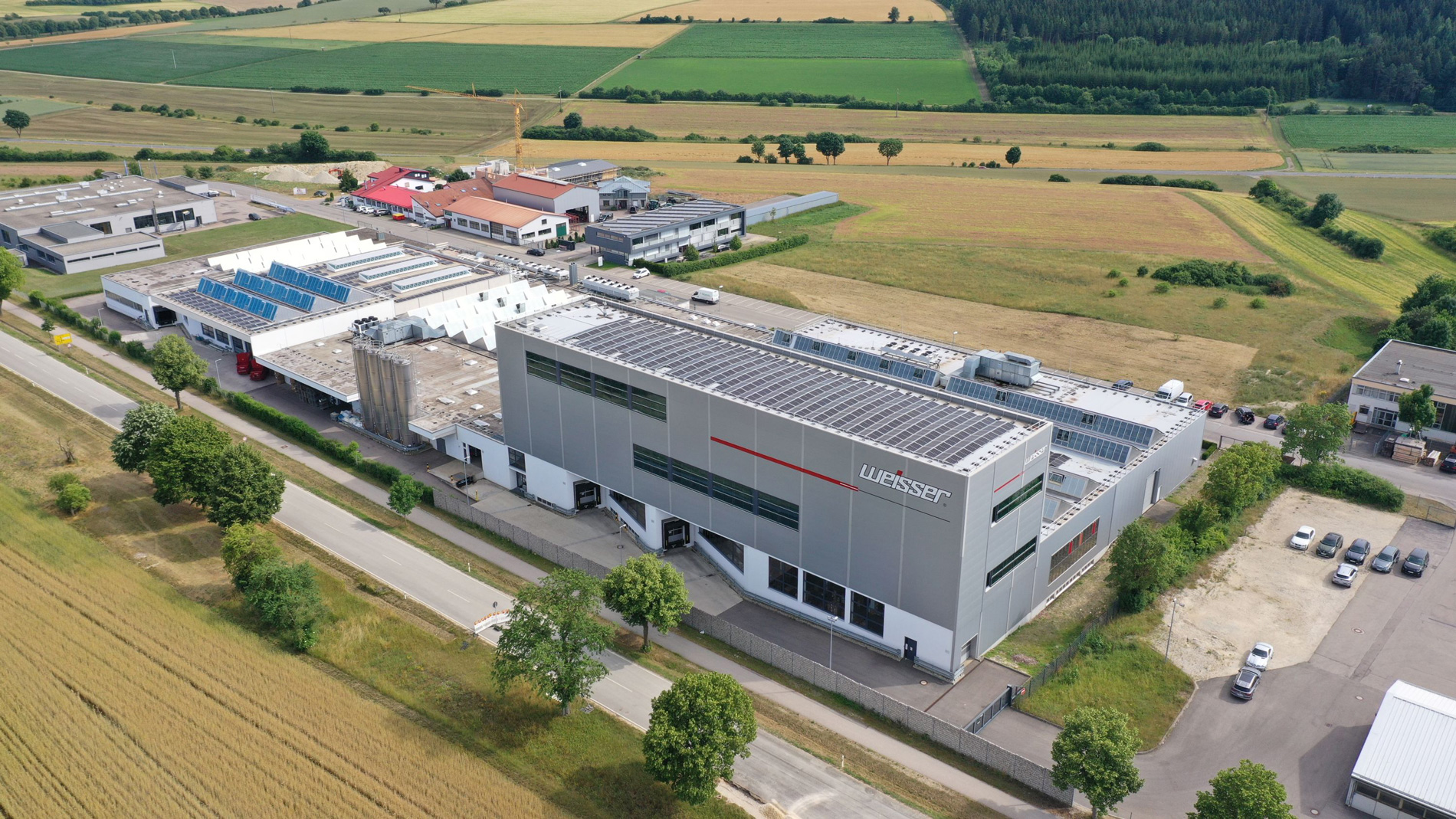
Plastic injection molding company Weisser introduced its first 3D printer just five years ago. Yet by mid-2022, the company had already made a significant investment in a Cubicure Cerion. Since then, Additive Manufacturing has been further expanded at Weisser and seven of the company’s 200 employees now work in the AM department.
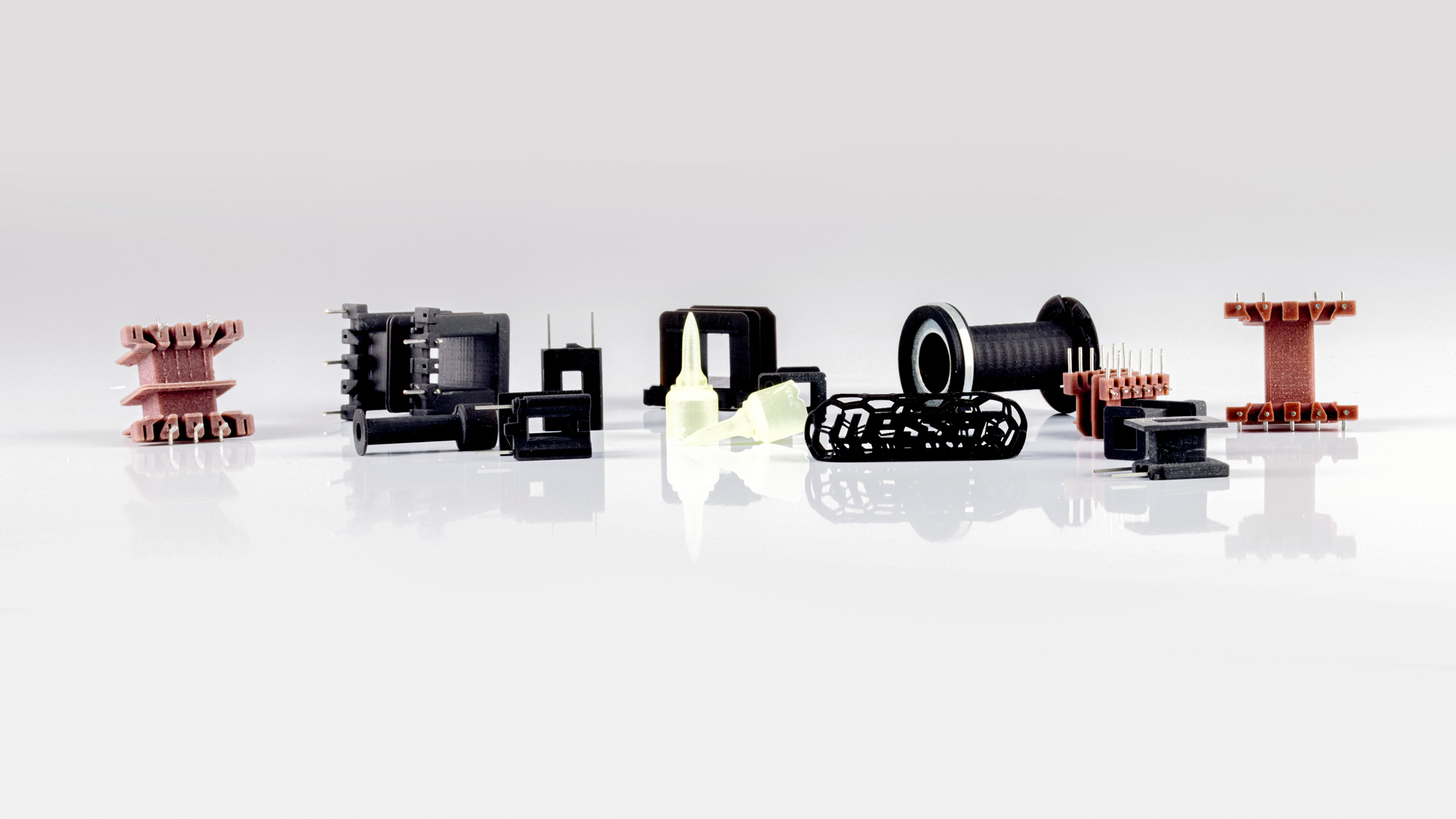
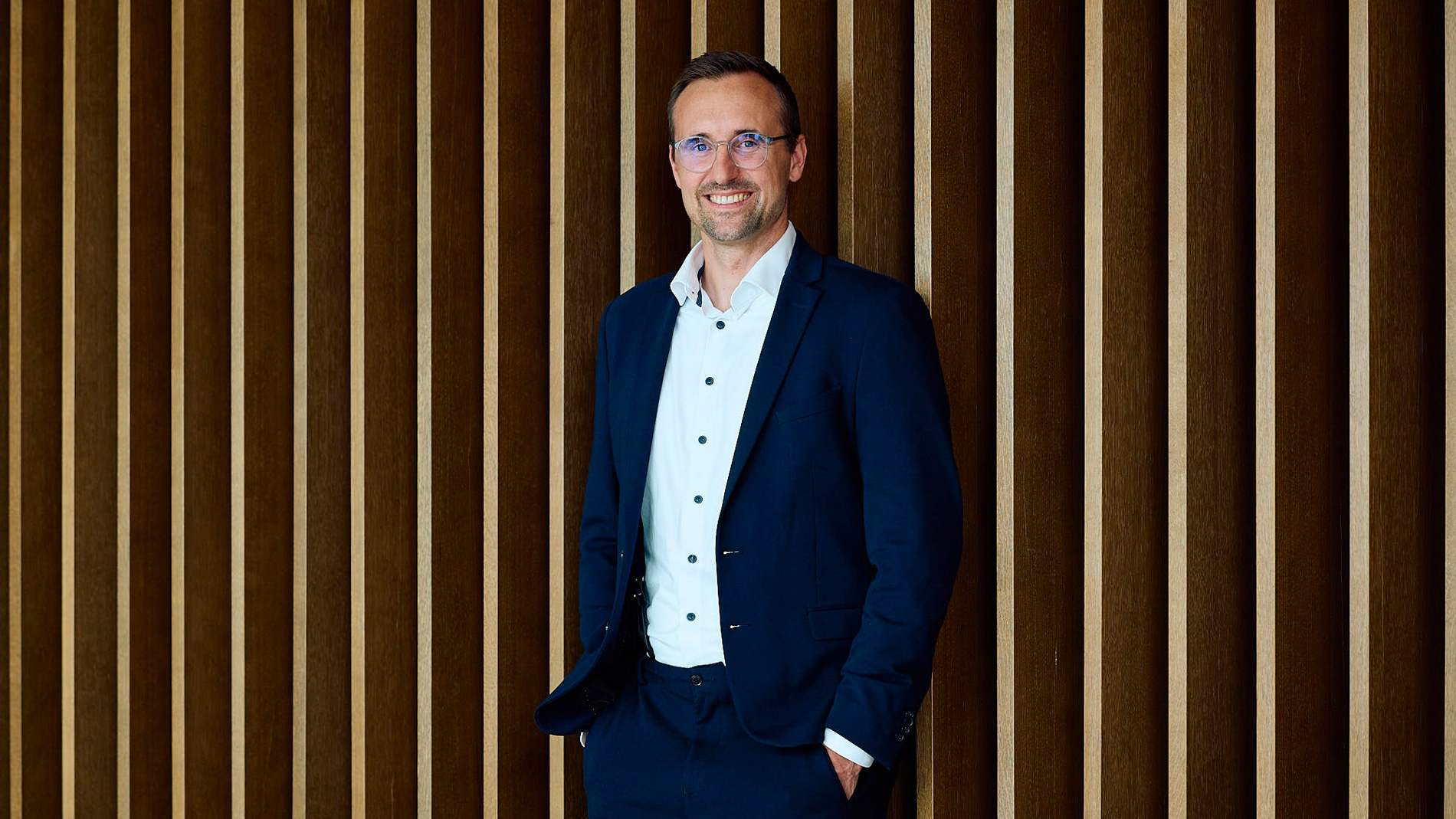
A major driver behind this development has been Managing Director Alexander Starnecker. For Starnecker, AM is a growth market and a major commitment. With the help of AM, Weisser produces series with four-digit batch sizes, including electrical clips, of which, according to Starnecker, 2,000 pieces are produced on the Cubicure Cerion in 2 hours, enabling “very attractive part prices.” Another success story is a coil form just a few millimeters in size, which is typically produced via injection molding with an annual batch size of 2 million: “We 3D-printed 600 parts, including metal contacts, and delivered them within 8 days so our customer could commission their new automation system and thus begin series production two months earlier.” Other AM applications include components for the aftermarket, where metallic conductor tracks are printed, as well as antennas that are metallically coated, and a small, unassuming block with two threaded holes used in medical technology. “3D printing is the economic choice here because the block is made of relatively expensive PEEK material, which has to be machined away with a heavy heart,” says Starnecker
Technology must be a good fit
Weisser is expanding its AM services beyond the field of electrical engineering. Starnecker reports that initial discussions have taken place in the defense sector regarding drones and helmet components. The company also uses AM technology to manufacture its own products. However, Starnecker emphasizes that, due to its technological focus, Weisser is not a broad-based AM service provider. “We have a specific technology; if it fits the challenge, we usually find a good solution.” This means that the company’s capabilities are optimized for high volumes, high precision, and special material properties. The focus is production parts and, occasionally, functional prototypes – “but not the pure prototypes that you put on a table just to look at.”
Pressure to succeed
The purchase of such a large AM system and the accompanying seven-figure investment, which was “really something special for a medium-sized company”, has put Starnecker under considerable pressure to succeed. For the entrepreneur, however, the step offered Weisser its best chances of AM success: “If you want to build something, you have to invest. Of course, after carefully considering your goals, the right technology, and much more. But you can’t wait until you have enough orders to fully utilize a system. Because then you’ll be waiting forever.”
Starnecker is satisfied with his AM track record so far, including “the pioneering work” he and his team are doing by offering lectures and seminars to convince more users in electrical engineering, in particular, of the benefits of AM technology. Through this educational work, Starnecker also aims to dispel a certain skepticism toward AM that he occasionally encounters in sales conversations. “People often prefer to trust their existing processes and the data sheets for the plastic materials they’re familiar with, like PA6.” In response to doubts and questions about the functionality of 3D-printed plastic components in 15 years, he points to the excellent results from numerous tests.
When the pain is particularly acute
Ultimately, however, even the less-than-rosy economic climate occasionally exerts a certain amount of pressure to explore innovations like AM. “The drive to try new things is motivated by either joy or pain.” According to Starnecker, companies are more likely to embrace the new solutions “when the pain is particularly acute.” And by “pain,” he means excessively high component prices or excessively long delivery times, for instance.
Starnecker attributes the current pressure in the electronics industry primarily to increasingly fierce competition from Asia and China. “They have learned an enormous amount and are, in some cases, already superior to European companies.” This is also evident in the willingness to adopt AM: “On the one hand, there are companies that say, ‘We’re putting everything to the test now and must use new technologies more than ever.’” Others, who may be fighting for survival right now, would prefer to avoid the additional risk that comes with adopting new technologies. “Whilst this may ensure a company’s short-term survival, it sacrifices its future viability. Right now is a good time to move forward boldly: Short-term pain for long-term gain.”
When acquiring AM projects, Starnecker and his team essentially take two approaches: Either an existing customer comes to Weisser with a problem that can be solved with AM or “We present our technical capabilities to the customer, and then we quickly identify products and applications that we can realize together.” The latter is the more common scenario. In such cases, the customers become creative and often come up with suitable applications on their own.