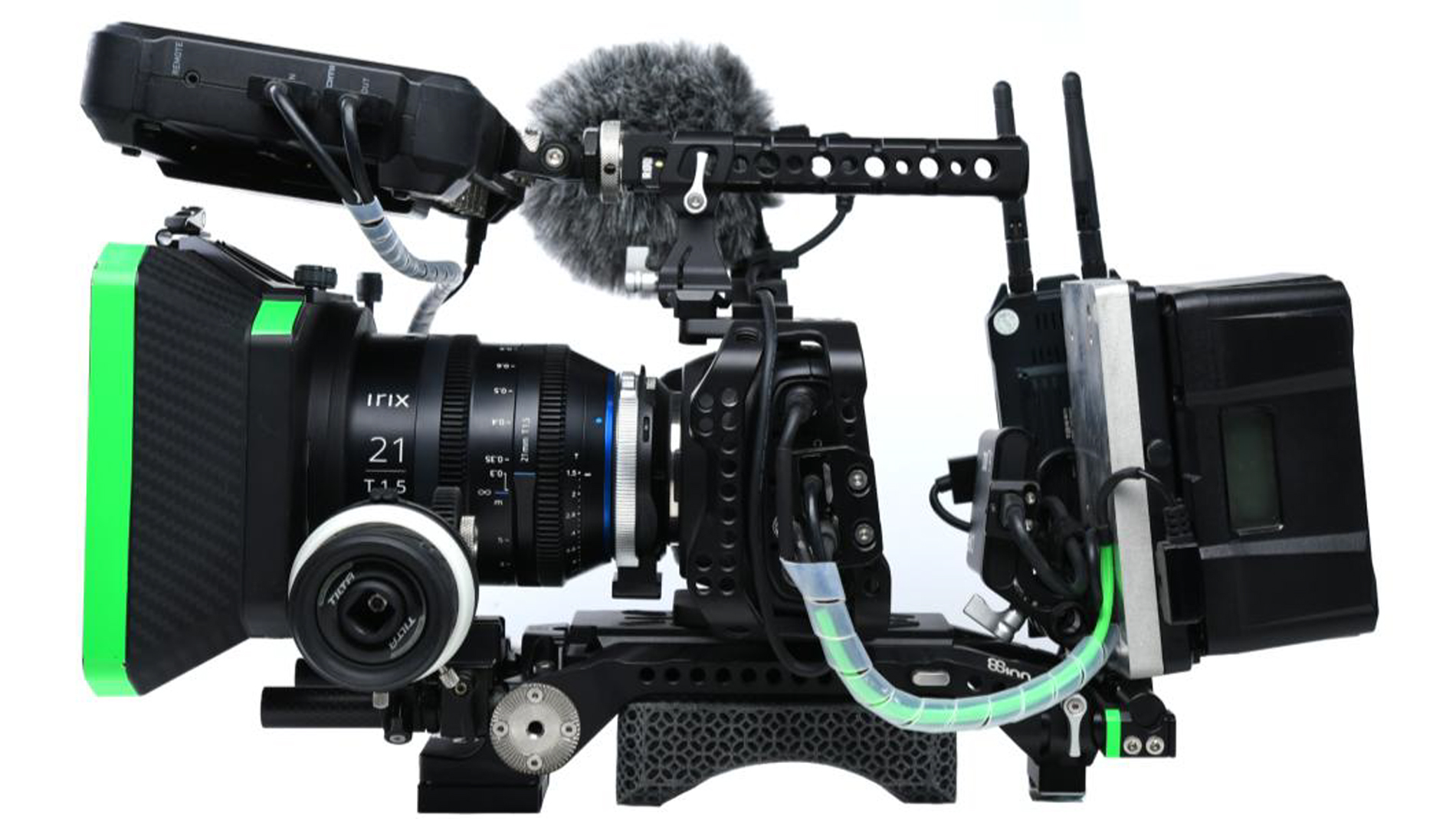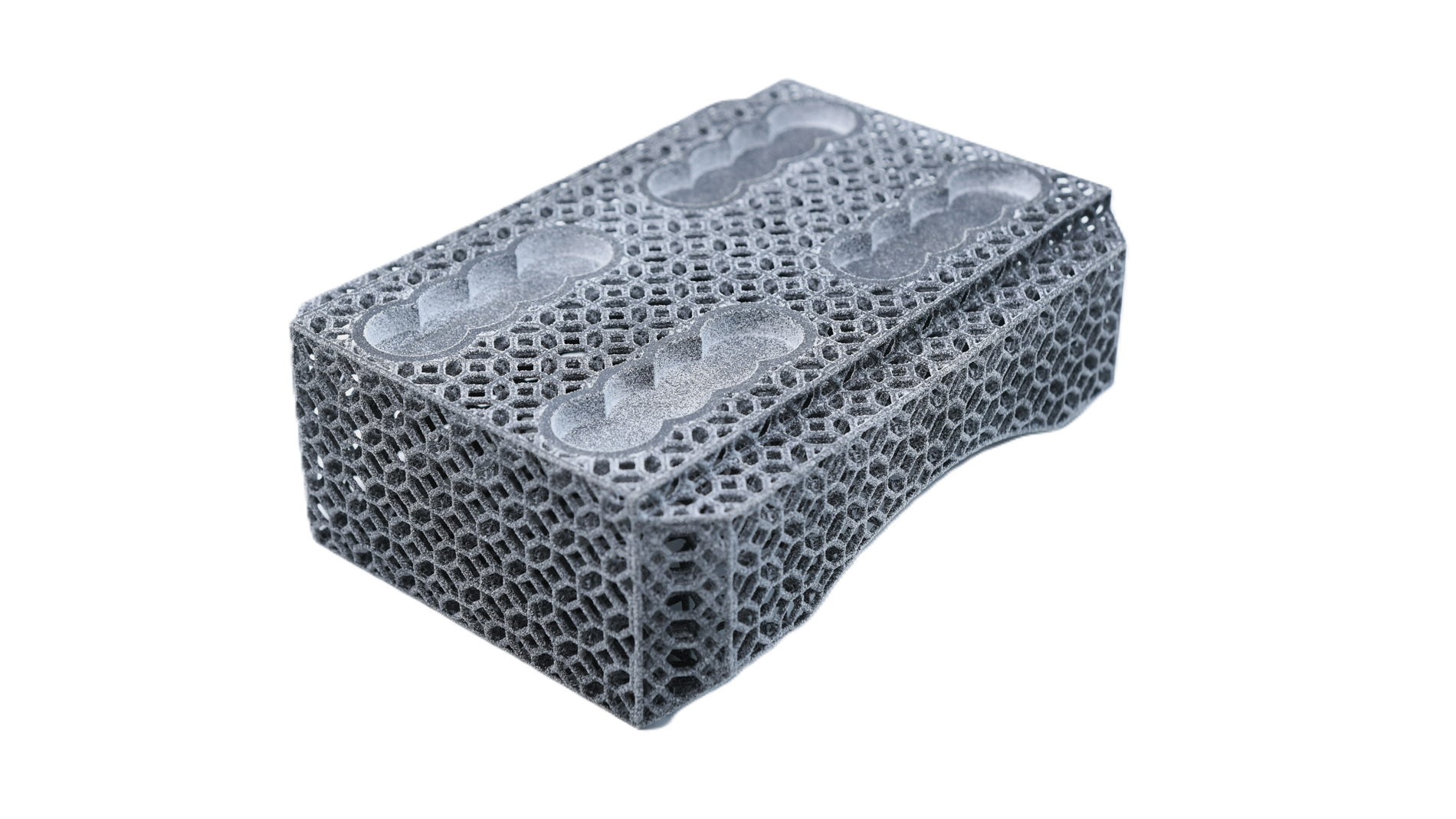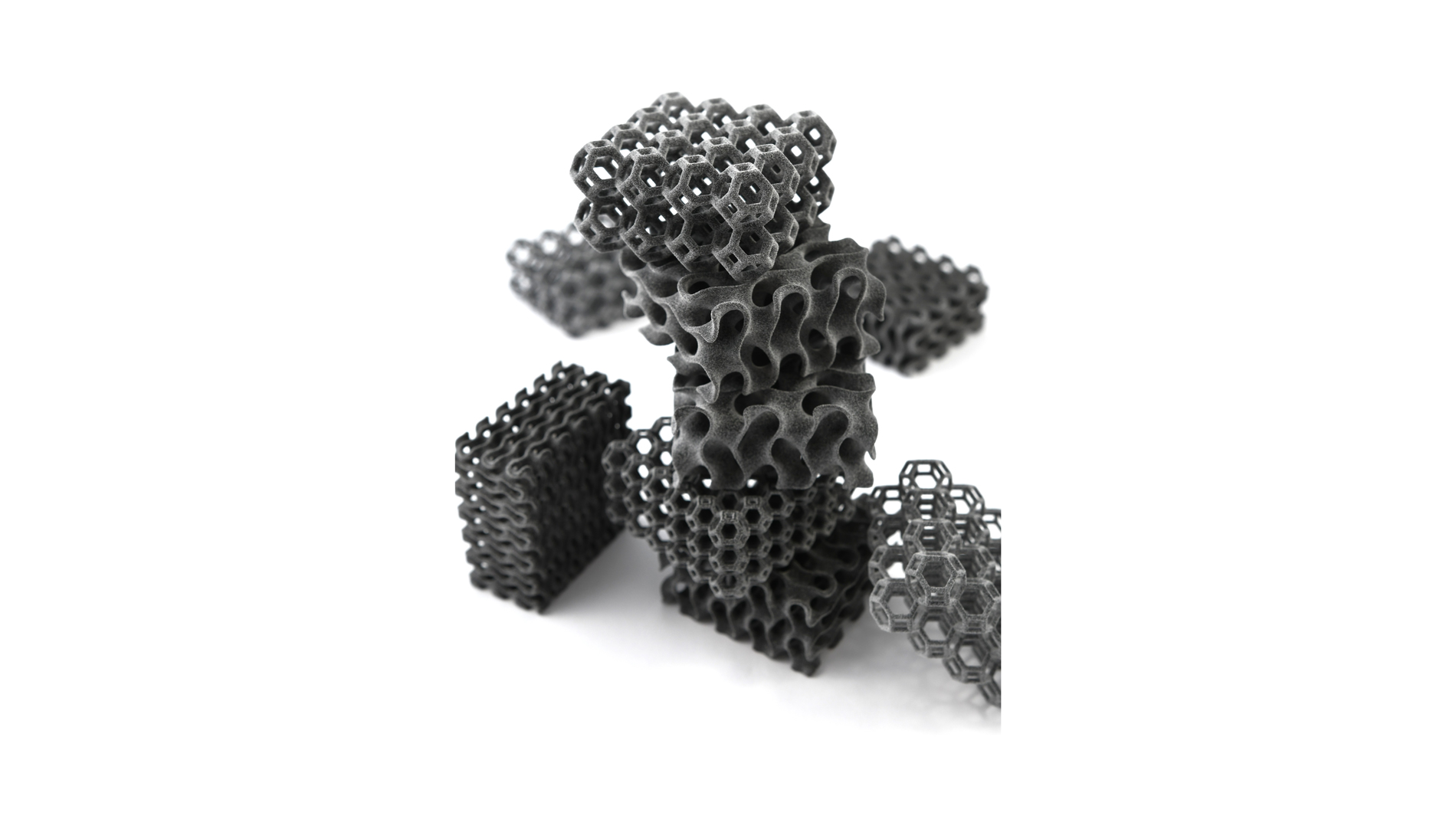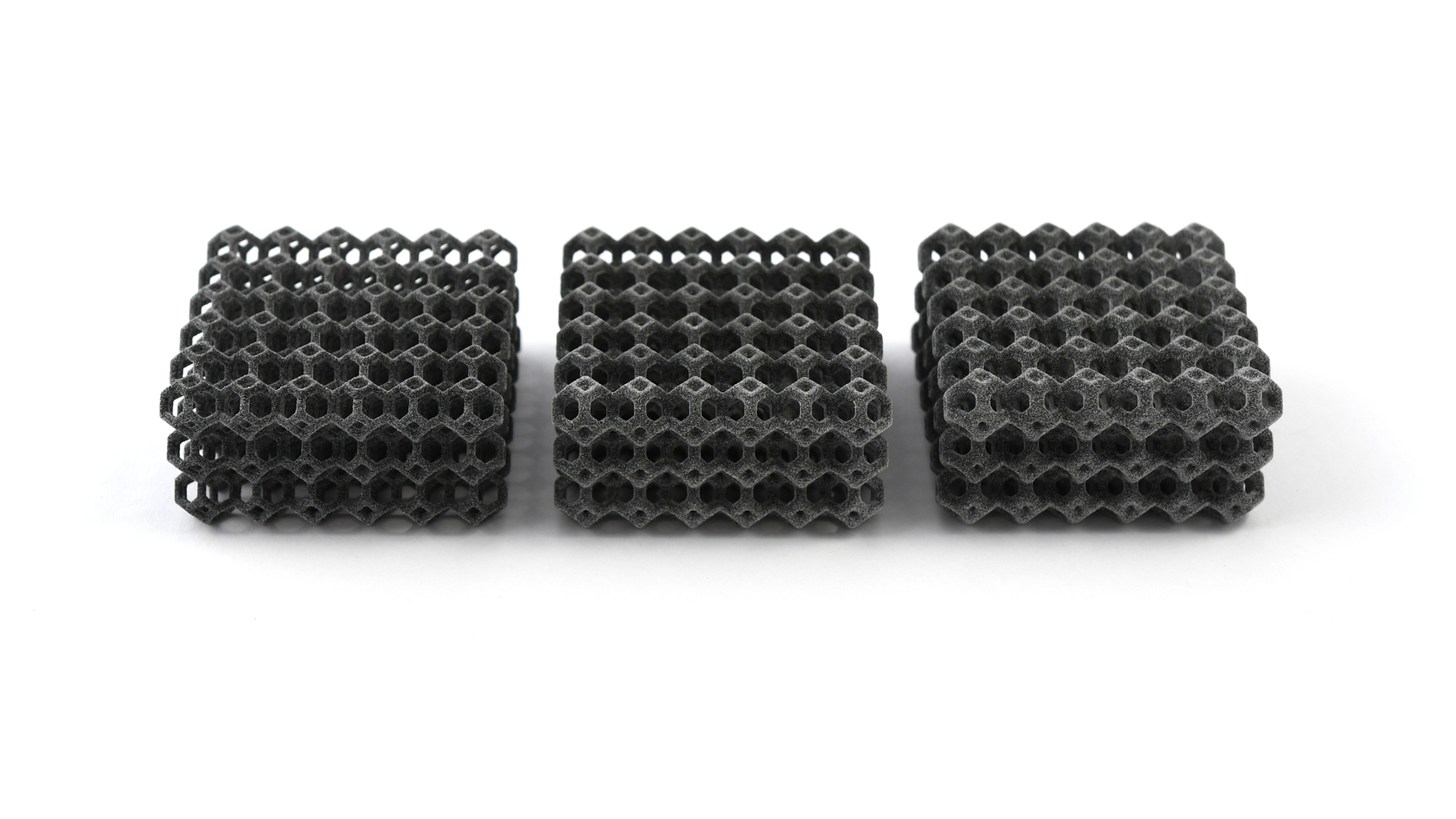
Practical applications provide proof of both the technology’s capabilities and the performance of the materials used. It is therefore no surprise that manufacturers throughout the entire process chain are highlighting innovative applications to showcase the capabilities of their AM systems, materials, and software. At the same time, the many examples on display at Formnext 2026 underscore the ever-expanding range of Additive Manufacturing applications, ranging from a copper-alloy rocket engine (Feramic) and new jewelry designs (Neoshapes) to a 3D-printed modular house (Avenco). In the automotive sector, Bosch and Meltio are presenting new approaches for spare parts and high-performance components. Beyond this, AM is opening up new possibilities for integrated functionality and hybrid manufacturing concepts, including a highly integrated fluid manifold from Nureo that replaces more than 30 individual tubes, and 3D-printed soluble cores and tooling from Sallea. The University of Bayreuth is even demonstrating a film production application, showcasing lightweight, breathable lattice structures for ergonomic camera shoulder pads.
Reading time: 11 minutes
Text: Thomas Masuch
Neoshapes: Generative design opens new possibilities for jewellery
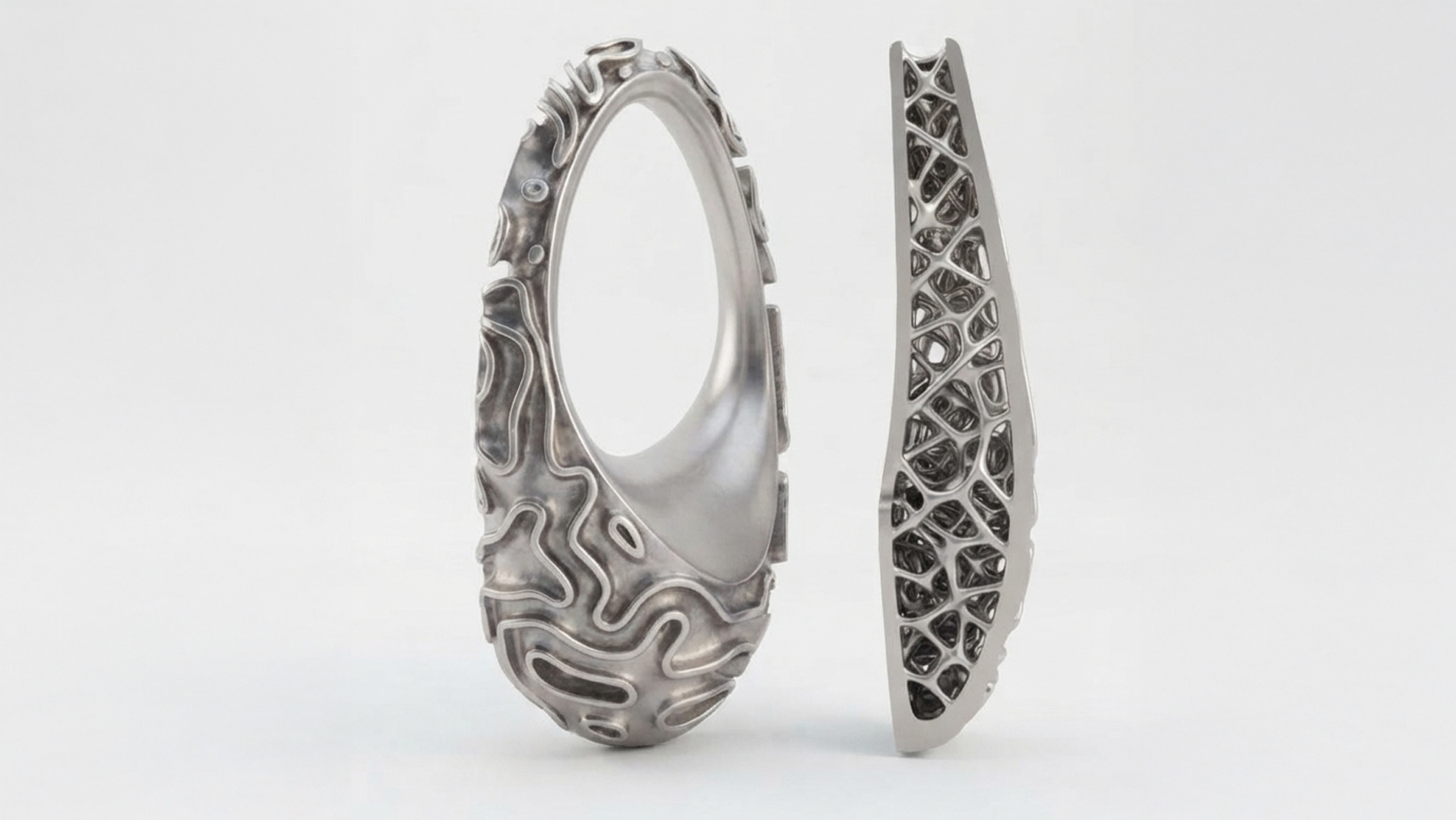
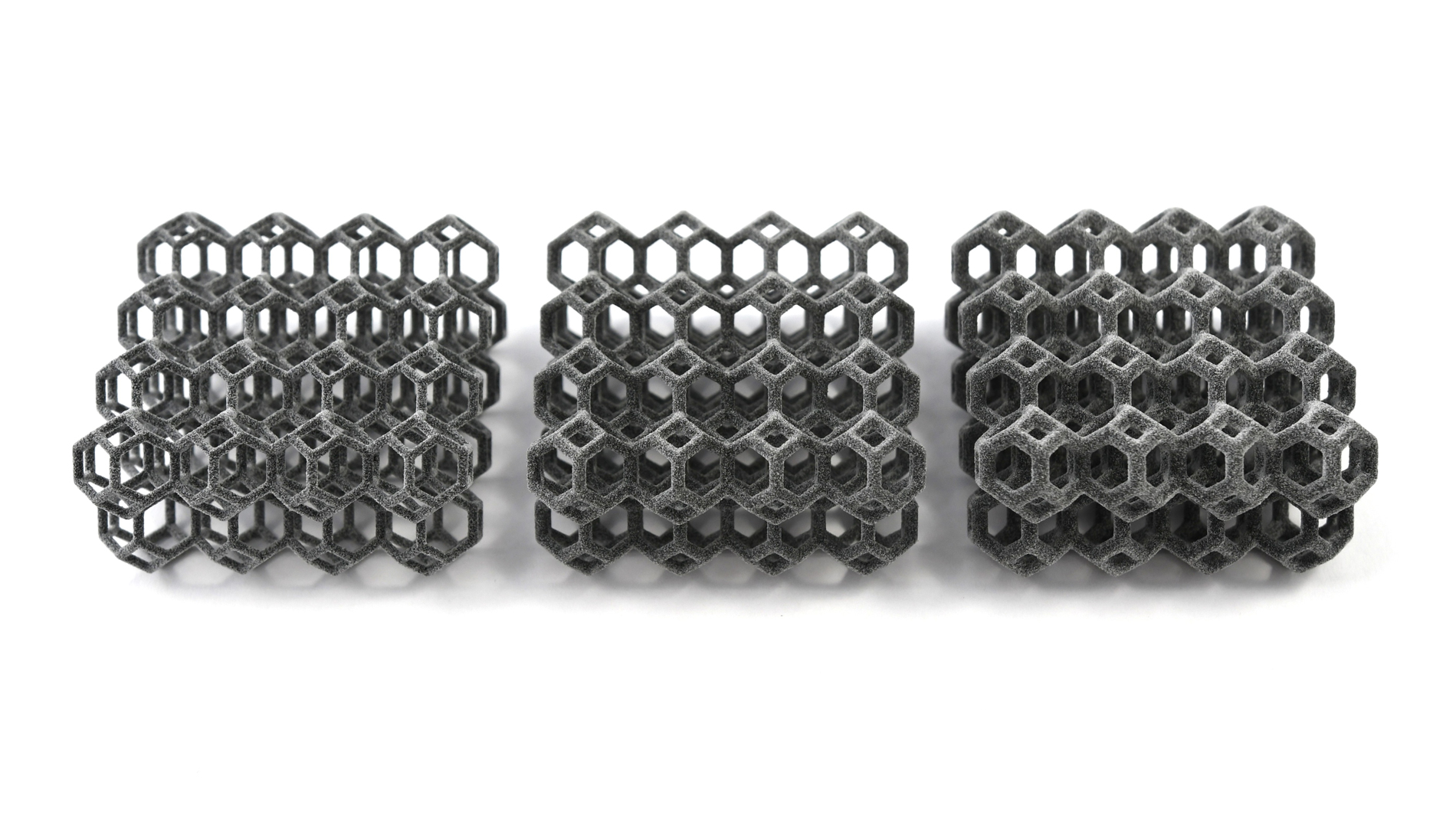
Through its collaboration with Spherene, Neoshapes SA is demonstrating how generative modelling algorithms combined with Additive Manufacturing can unlock new opportunities in jewellery production. The approach uses sophisticated internal and external structures to reduce weight while maintaining exceptional structural integrity. Binder Jetting technology enables the production of intricate channels, hidden cavities and complex lattice structures generated through advanced software algorithms. After printing, components undergo a sintering process and can also be infiltrated where required. According to Neoshapes, combining the precision of industrial metal 3D printing with the creative freedom of algorithmic design makes it possible to create distinctive jewellery pieces that combine visual impact with remarkable structural lightness.
Neoshapes at Formnext 2026: Hall 11.0, Booth A30
Berlin-Brandenburg: Collaboration drives 3D-printed roller coaster car project
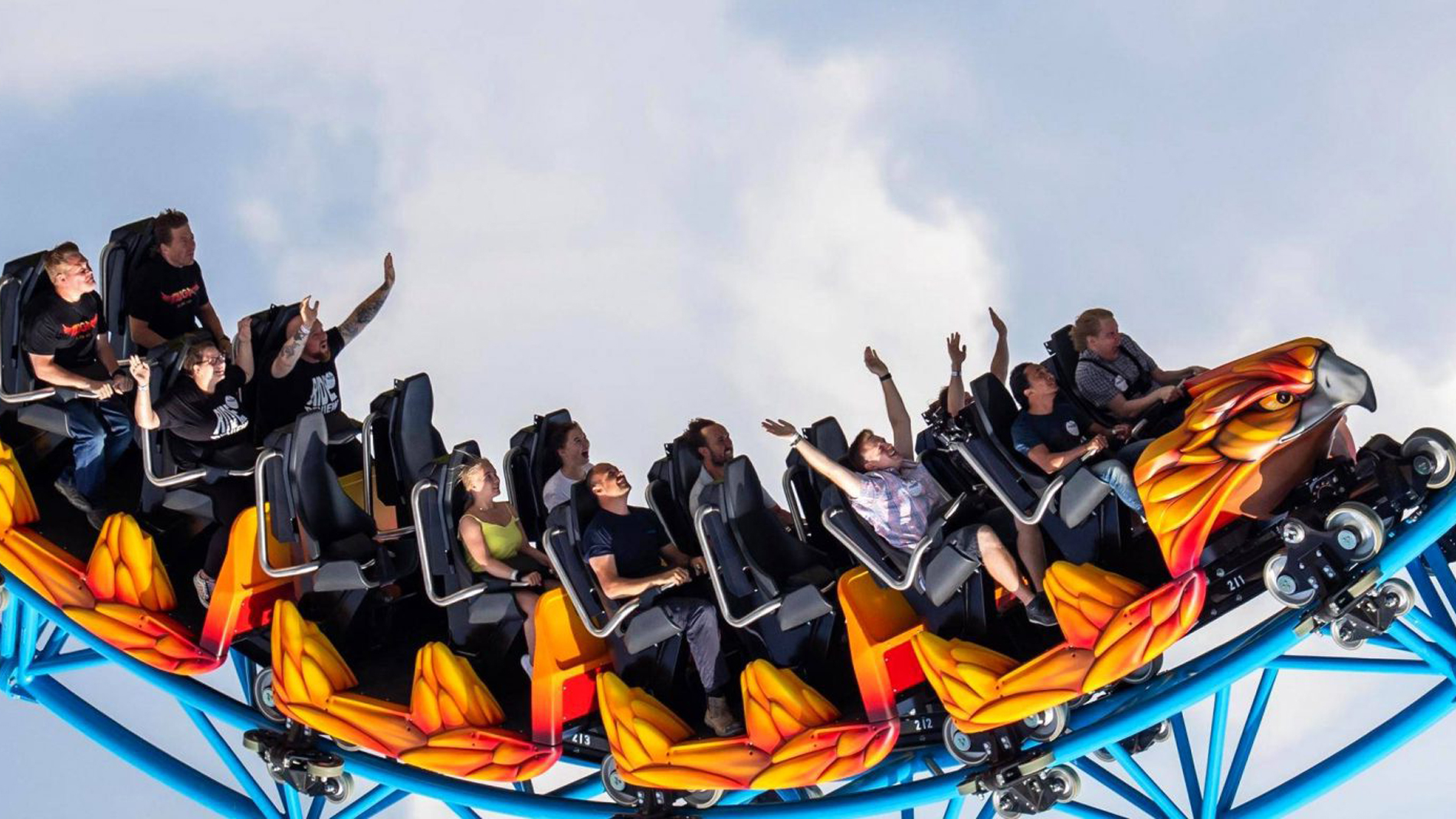
The Berlin-Brandenburg metropolitan region has been exhibiting at Formnext since 2018. A special highlight of this year’s joint booth, which spans approximately 400 m², is a full-scale 3D-printed replica of a roller coaster car. The original was created by Intamin, a company specialising in the development and production of amusement and transportation systems. The roller coaster car was created as part of a collaborative project involving several partners: Tobias Otten from Intamin (development and design of the roller coaster layout), Florian Otten (preparing design data and developing print-optimised components), Eric Dechandt of Überdruck3D Dechandt & Habermann GmbH (production of the roller coaster car), and the team at 3dk.berlin Trading GmbH (materials partner). The Berlin-Brandenburg joint booth is organised by Berlin Partner for Business and Technology on behalf of the State of Berlin.
Berlin-Brandenburg region at Formnext 2026: Hall 12.1, Booth A101
Feramic: Rotating detonation rocket engine made of copper
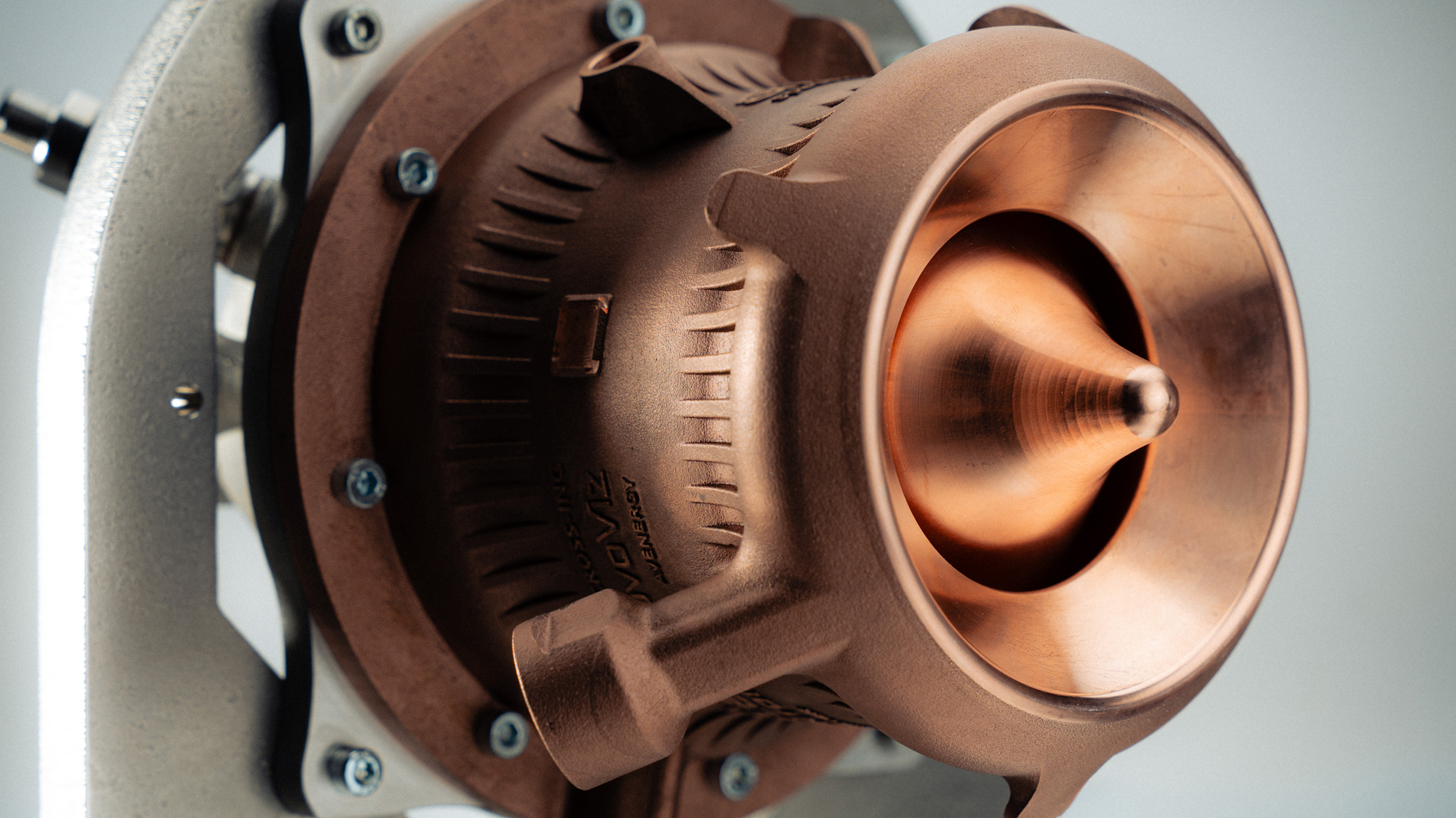
Swiss company Feramic AG is demonstrating how university research can be translated into industrial solutions in metallic Additive Manufacturing for the aerospace sector. At Formnext, the company will highlight two space-related projects. The first is the Pegasus rocket programme, a collaboration between ETH Zurich and the Swiss student space initiative ARIS. This project focuses on the development of a liquid-fuelled Rotating Detonation Rocket Engine (RDRE), which Feramic will present at Formnext for the first time. To achieve this, the team needed an engine with integrated, delicate cooling channels. Within four weeks, Feramic developed the appropriate printing parameters for the Hovadur CNCS copper alloy. The result was a fully functional test bench engine that demonstrated the feasibility of additively manufactured cooling geometries under extreme operating conditions.
Feramic at Formnext 2026: Hall 12.1, Booth C61
Bosch: Securing the availability of automotive spare parts
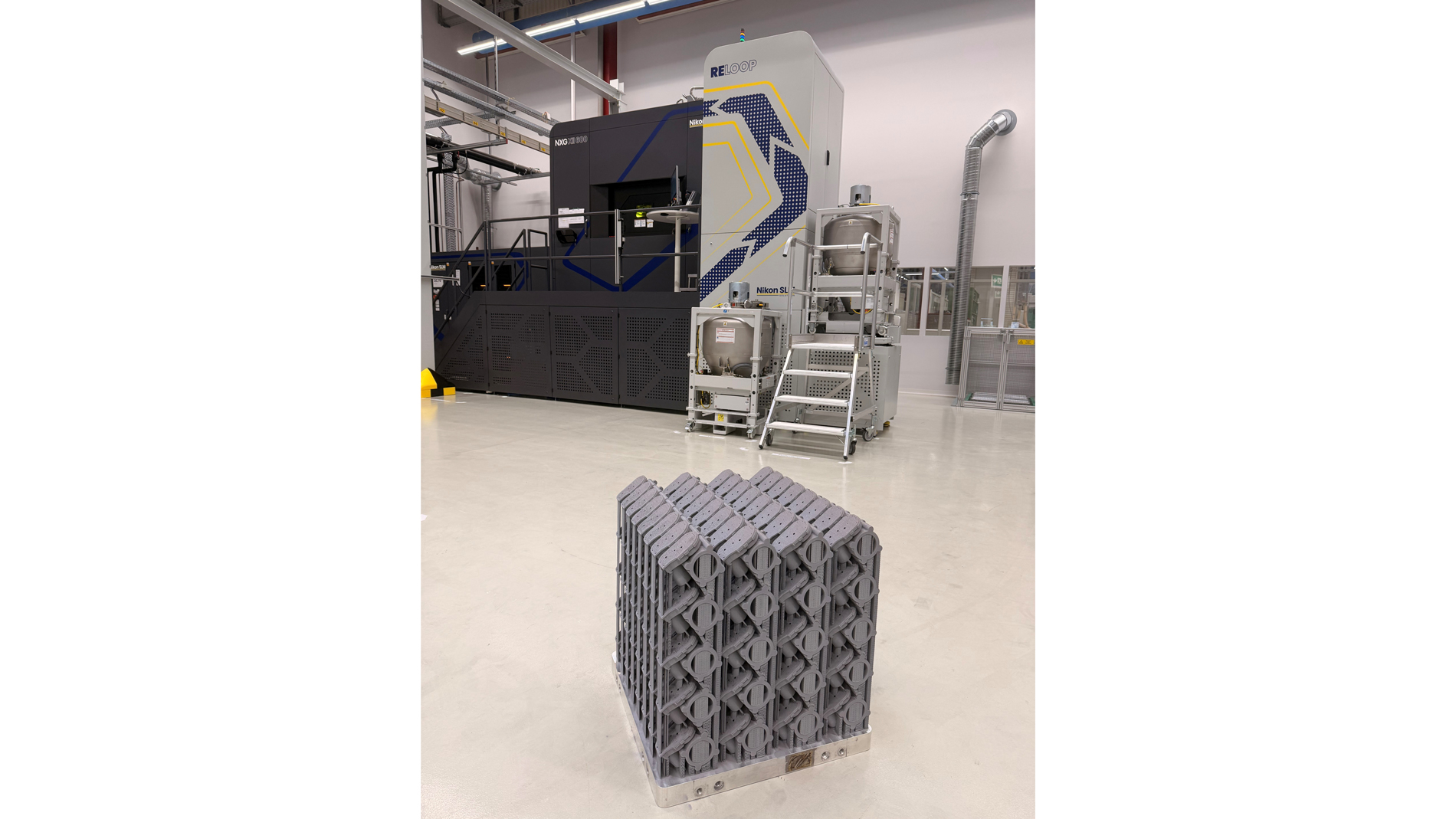
To ensure the continued availability of spare parts even as demand declines, Bosch has produced the housing of a throttle valve device (DV-E) from the aluminium alloy AlSi10Mg using the LPBF process at its Additive Solution Center (ASC) in Nuremberg. According to Bosch, producing the part with a conventional casting tool would have required a lead time of four to six months. Additive Manufacturing enabled the DV-E housing to be provided significantly faster. As an additional benefit, Bosch also cites greater material homogeneity compared with the conventionally manufactured cast component.
Bosch at Formnext 2026: Hall 12.1, Booth C41
Meltio: From exhaust header to optimised steel wheel
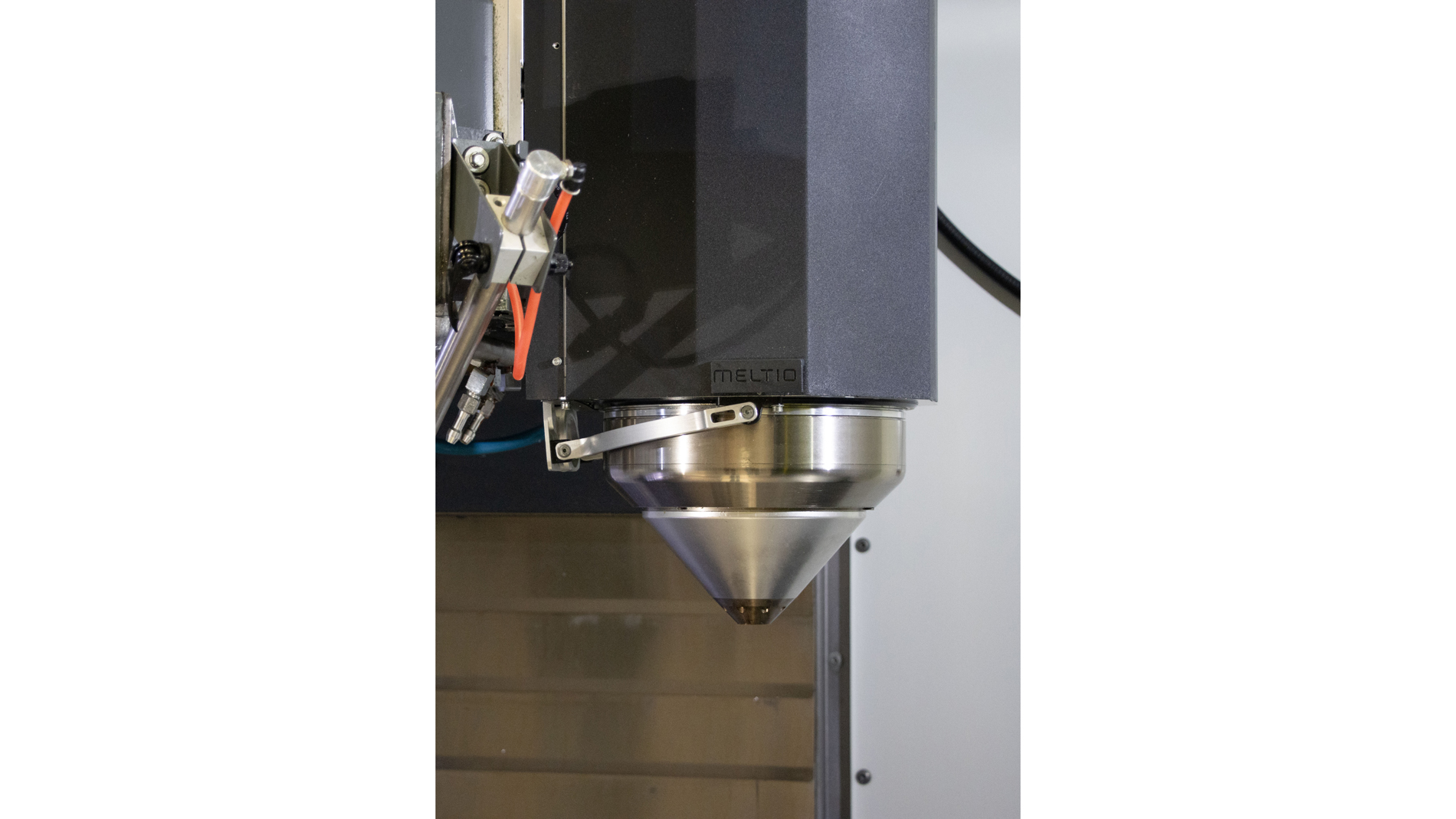
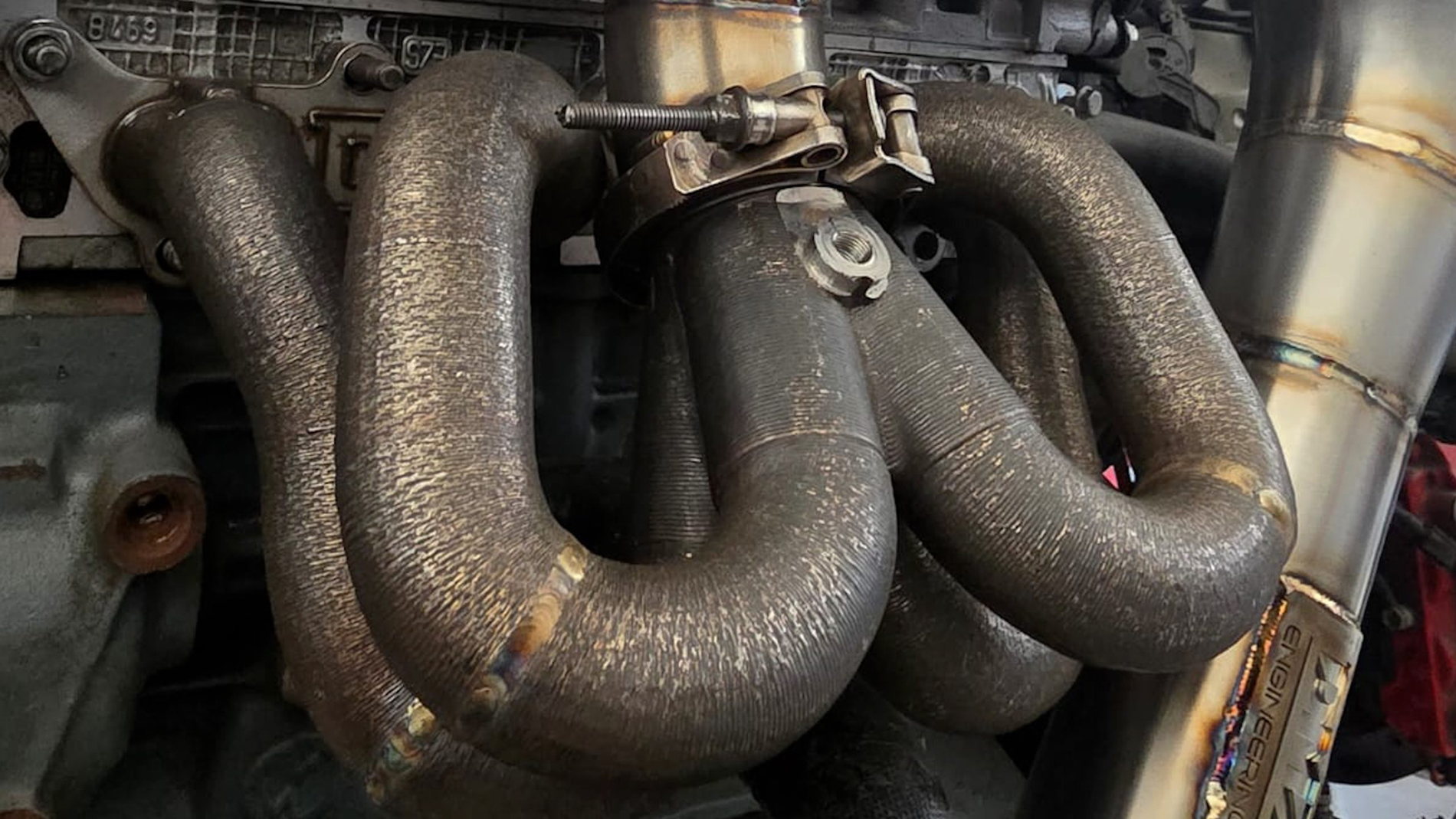
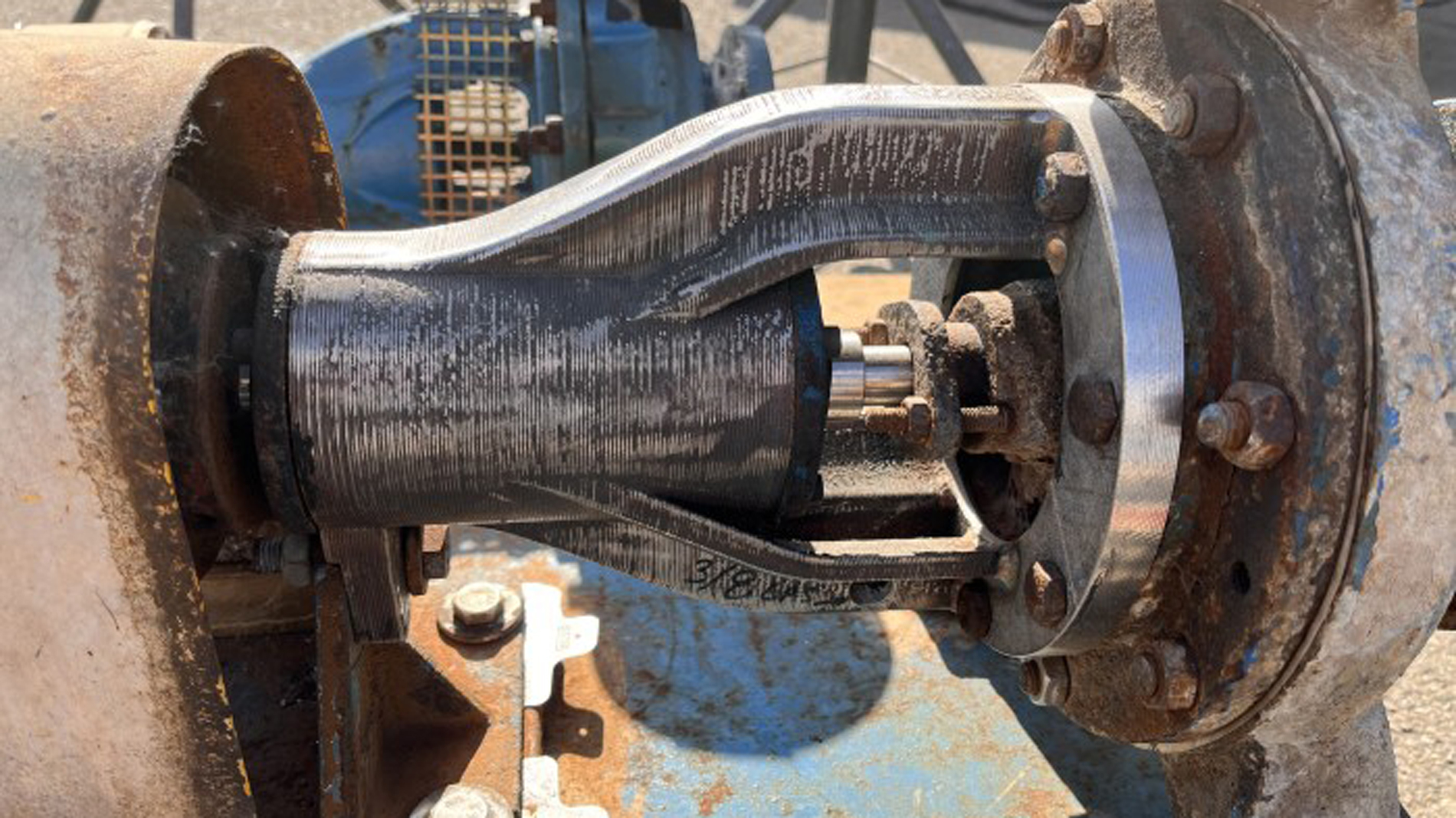
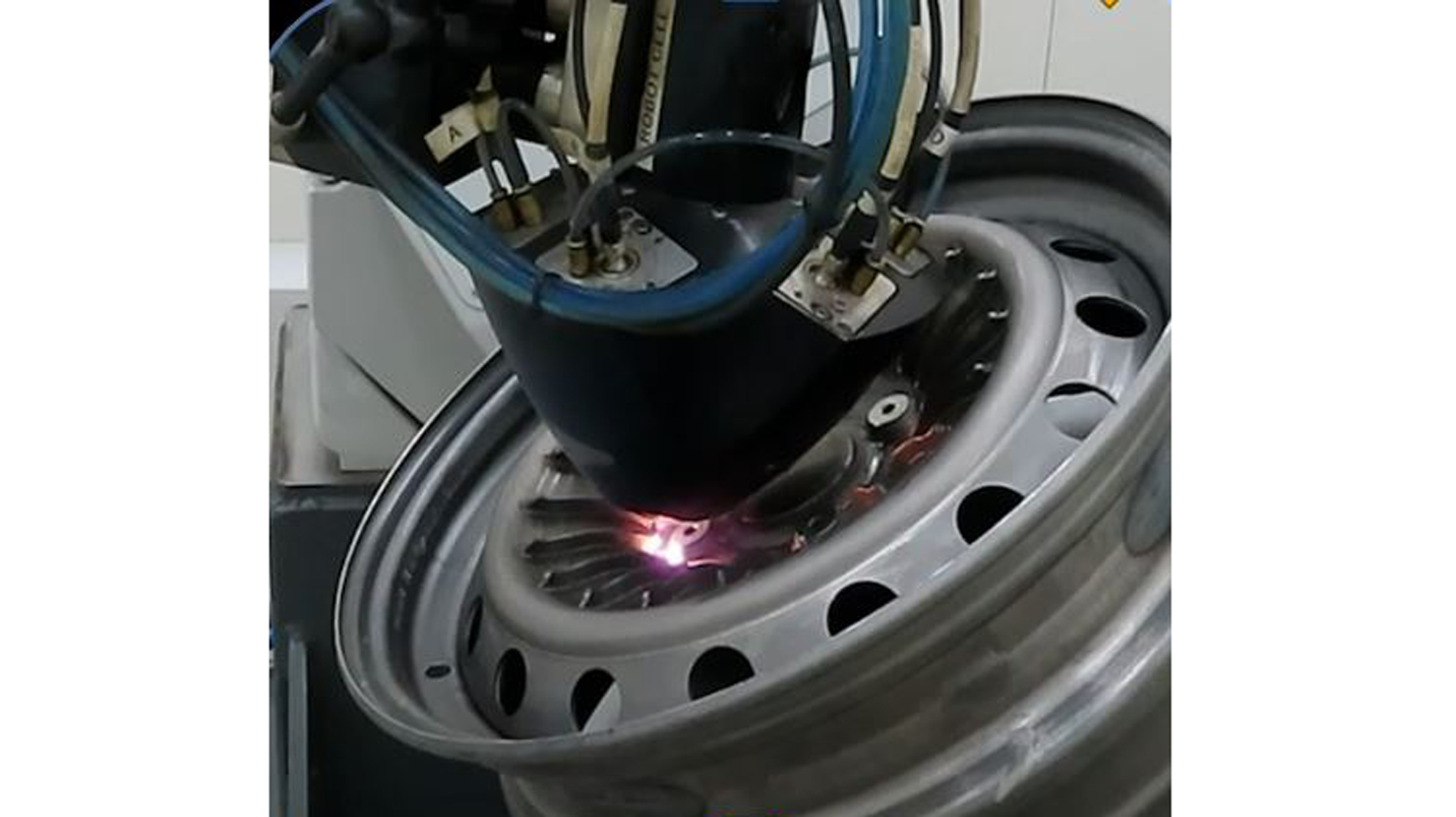
Spanish industrial technology company Meltio will present a range of real-world applications for its wire-laser AM technology. At the company stand, it will also be offering live demonstrations of its 3D printing technology. One highlight comes from automotive company DMZ, which used Meltio’s technology to manufacture a highly complex exhaust header geometry designed to optimise exhaust gas flow within a combustion engine. The redesign reduced assembly time from eight hours to just one. Printed in stainless steel, the component was installed in an Abarth 595 and successfully completed around 10,000 km of operation over the course of a year, including 600 km of track driving. MZ also applied Meltio’s AM technology to reinforce the metal structure of a steel vehicle wheels. In another application, Imet3D used Additive Manufacturing to replace an obsolete component following the failure of a critical centrifugal pump. The redesigned part was produced from 316L stainless steel, delivering significantly improved corrosion resistance compared with the original cast-iron component.
Meltio at Formnext 2026: Hall 12.0, Booth C119
Nureo: Single fluid manifold replaces more than 30 tubes
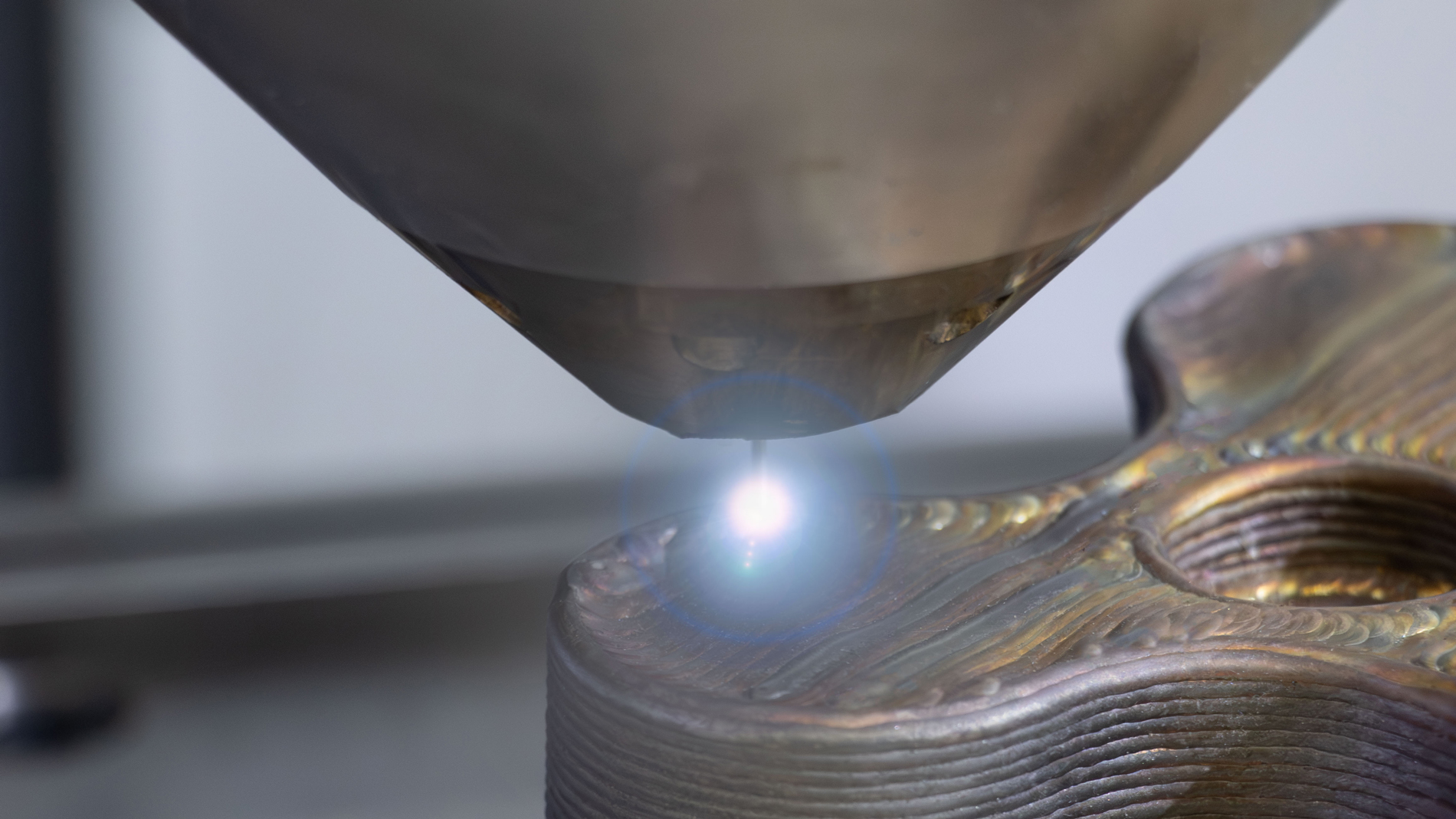
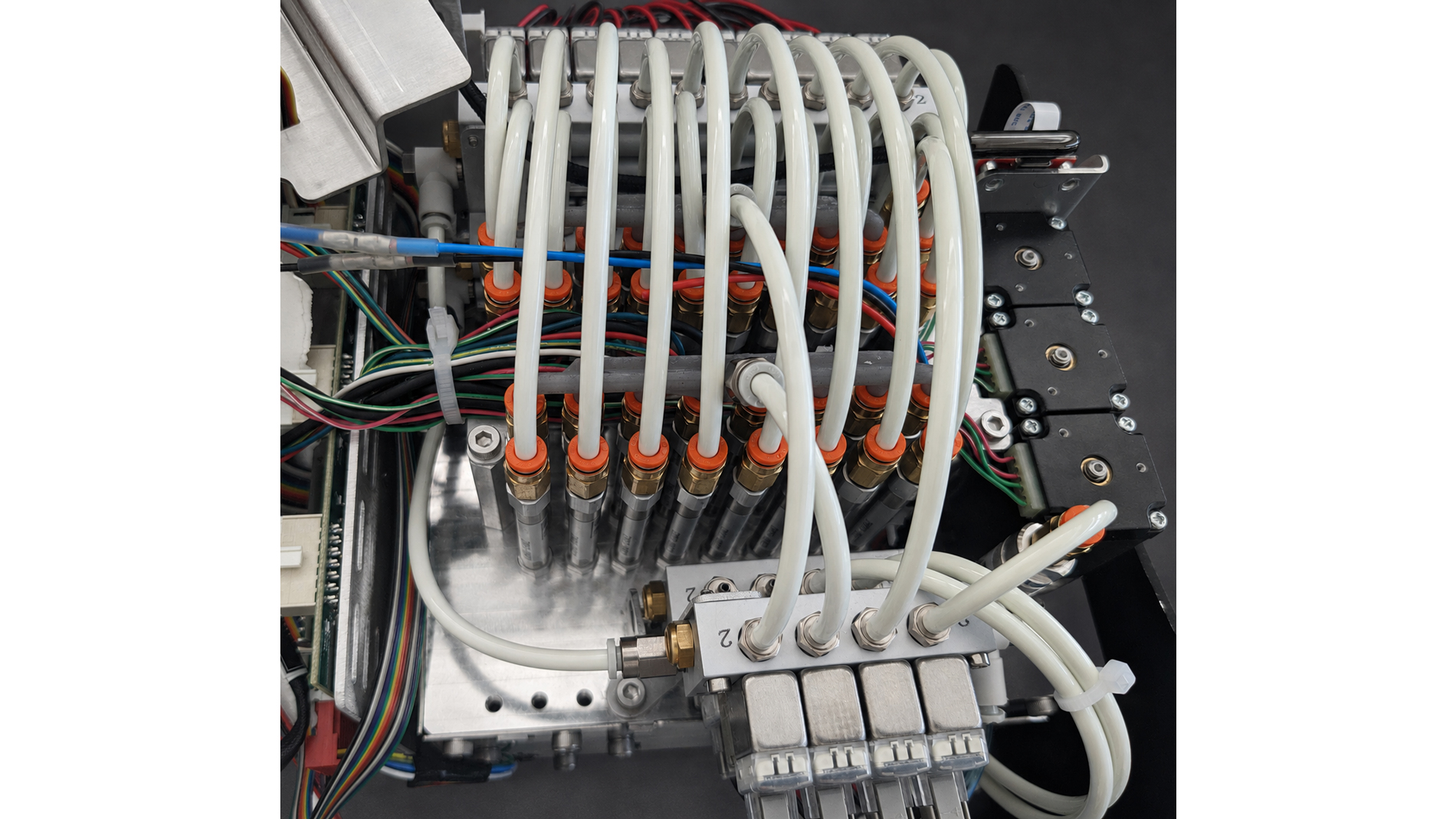
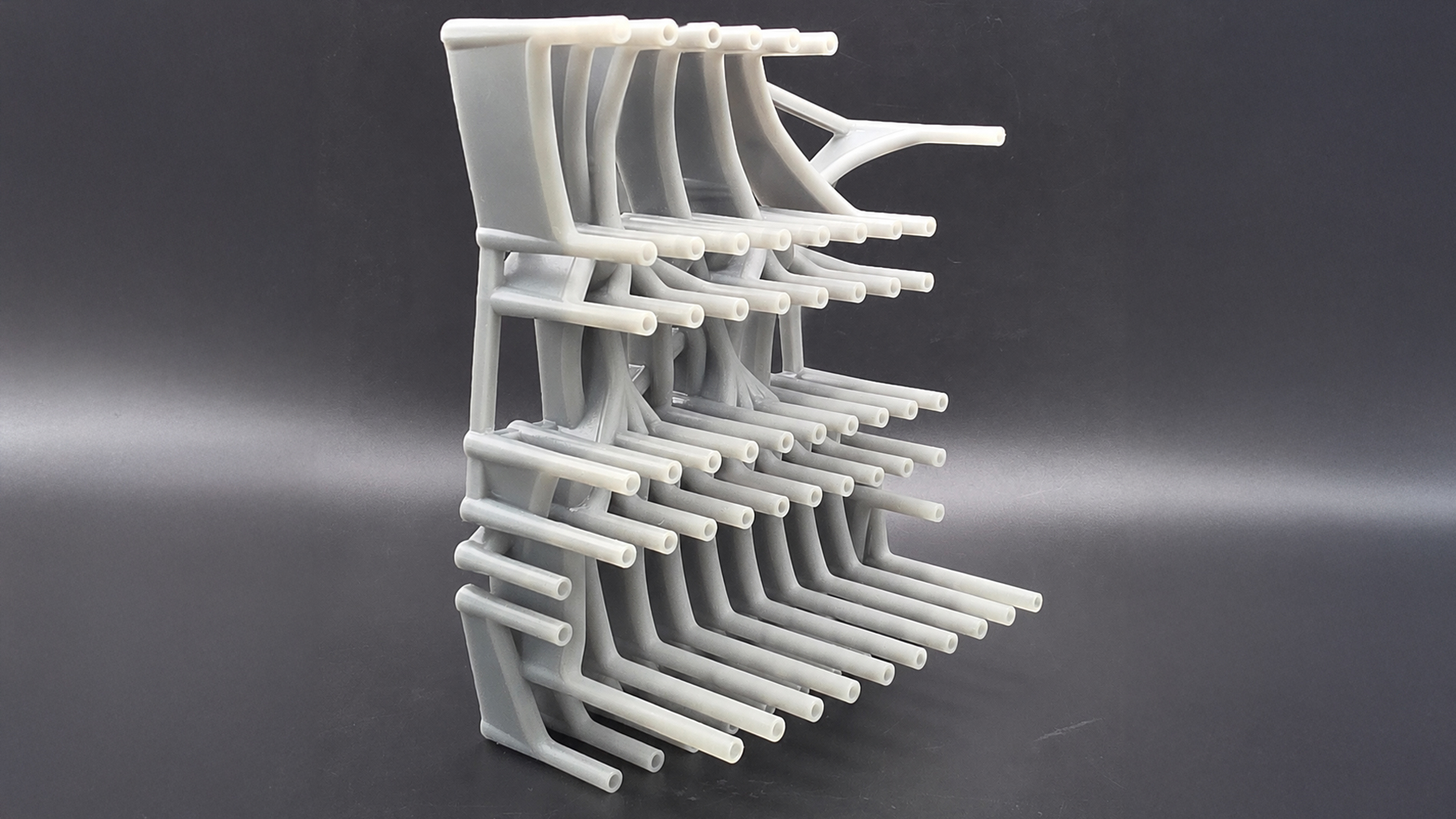
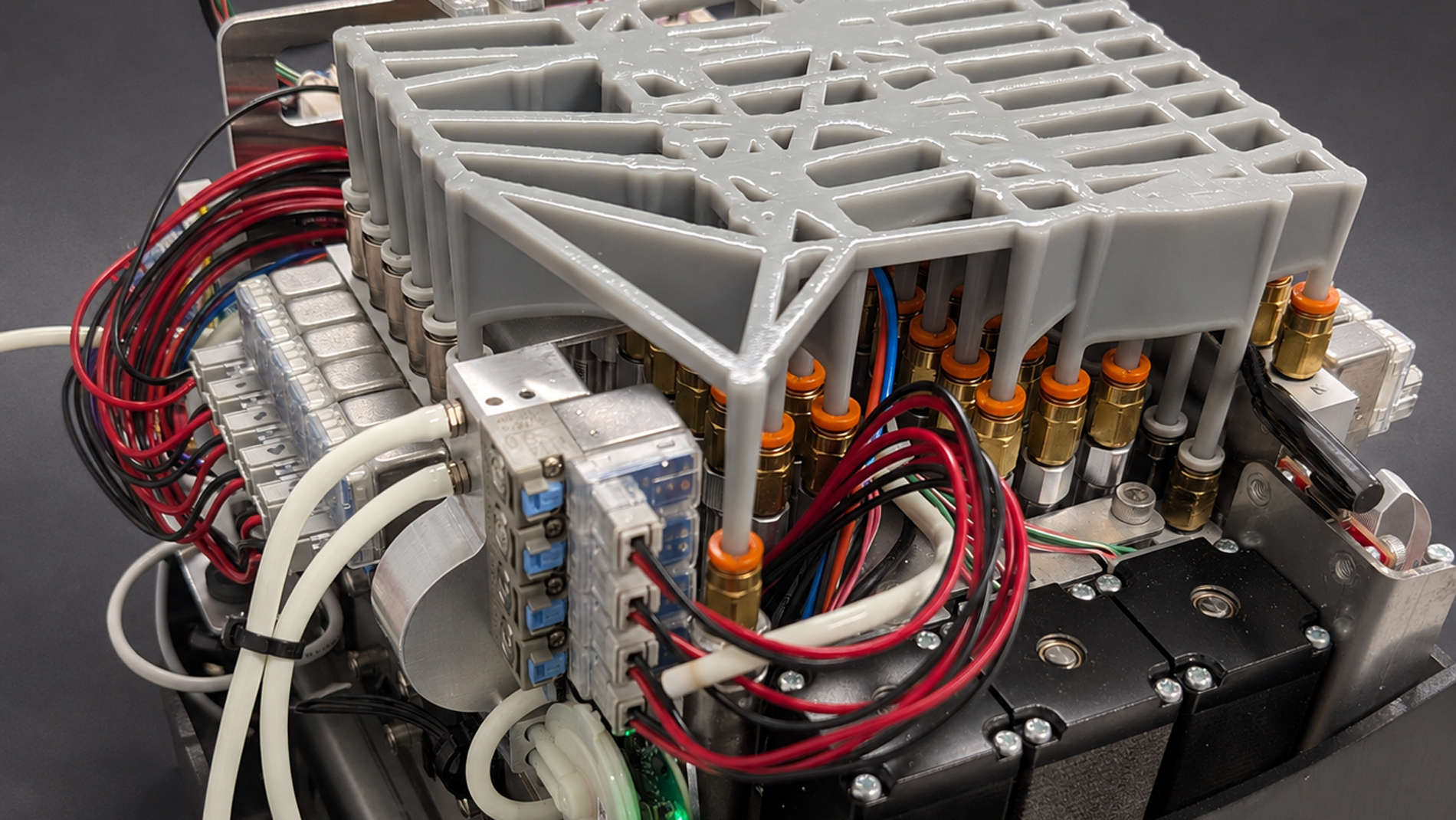
Complex pneumatic systems in life science equipment frequently require extensive manual assembly. A recent collaboration between Swiss start-up Nureo and UK-based Rapid Fluidics demonstrates how automated design and Additive Manufacturing can simplify these systems.
Working for a mutual client in the life sciences sector that develops automated sample preparation systems, the two companies redesigned a pneumatic subsystem that originally comprised more than 30 individual tubes. The new solution replaces these tubes with a single integrated fluid manifold. Featuring a complex organic geometry, the manifold combines multiple functions within a single compact component. For the system redesign, Nureo employed its automated 3D design software, which allows engineers to define the required interfaces and design constraints before automatically generating production-ready geometry within minutes. Rapid Fluidics manufactured the manifold using Additive Manufacturing before integrating and validating the component within the existing system.
Nureo AG at Formnext 2026: Hall 11.0, Booth D62H
Aimen: How AM is shaping the future of sustainable magnetic solutions
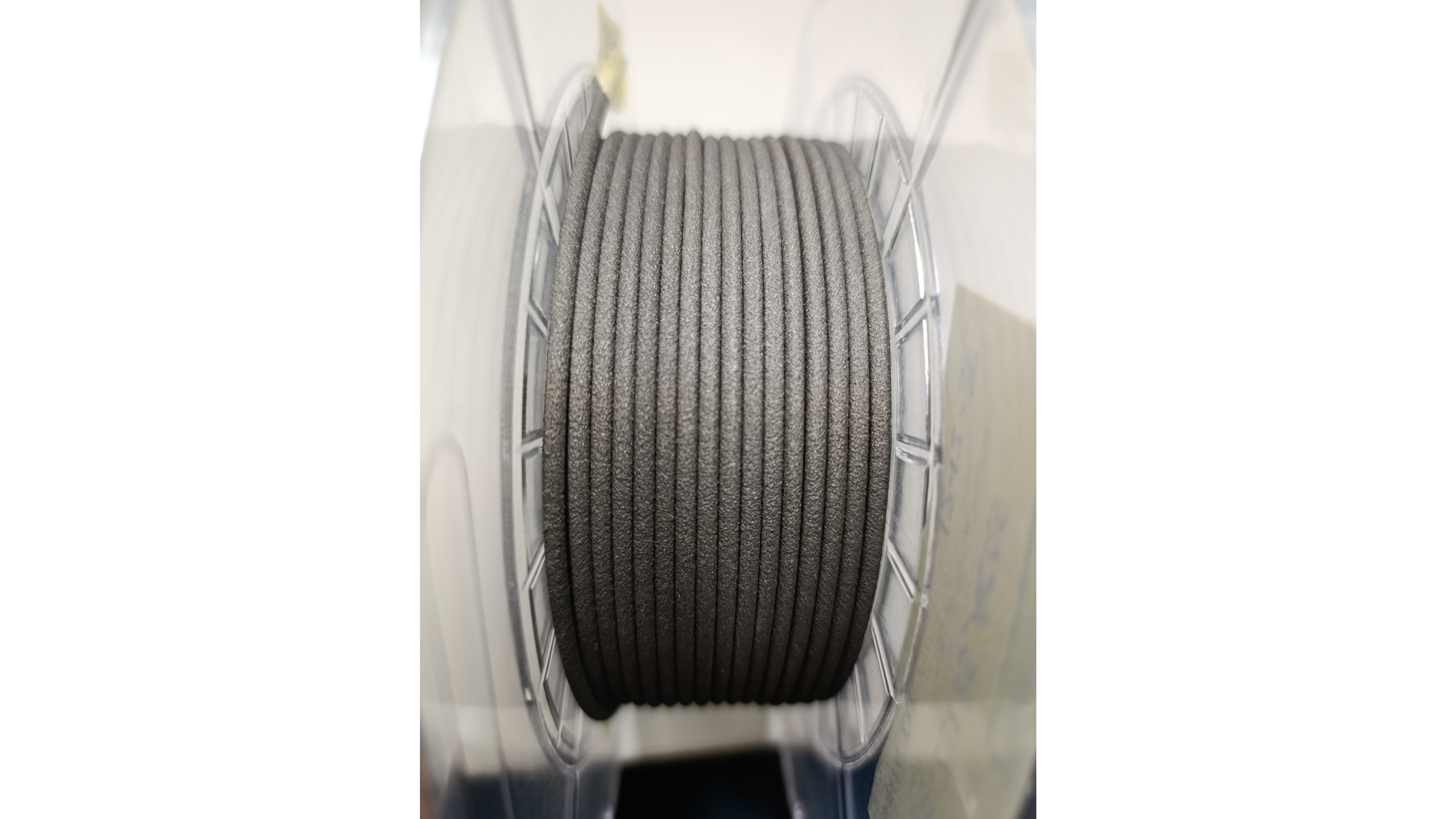
Aimen Technology Centre is exploring the potential of Additive Manufacturing for magnet production through two ambitious European projects: MagNeo and REMHub. The focus of MagNeo is on developing permanent magnets that are free of rare earth elements (REE), while REMHub aims to extend the service life of existing REE-containing magnets. Both projects recognise AM as a key technology for Europe’s future magnet ecosystem. Additive Manufacturing enables tailored material compositions and bespoke microstructures, including customised grain sizes and textures that directly influence magnetic performance. Within MagNeo, AimenIMen is pioneering high-throughput screening strategies using DED technology. The REMHub project takes a holistic approach to the rare earth value chain, covering sourcing, processing, recycling, digital traceability and remanufacturing. Another exciting development is the integration of an electromagnet directly into the printhead, enabling the in-situ alignment of magnetic particles during printing.
Aimen at Formnext 2026: Hall 11.0, Booth A74
Sallea: Wash-out tooling expands into injection molding
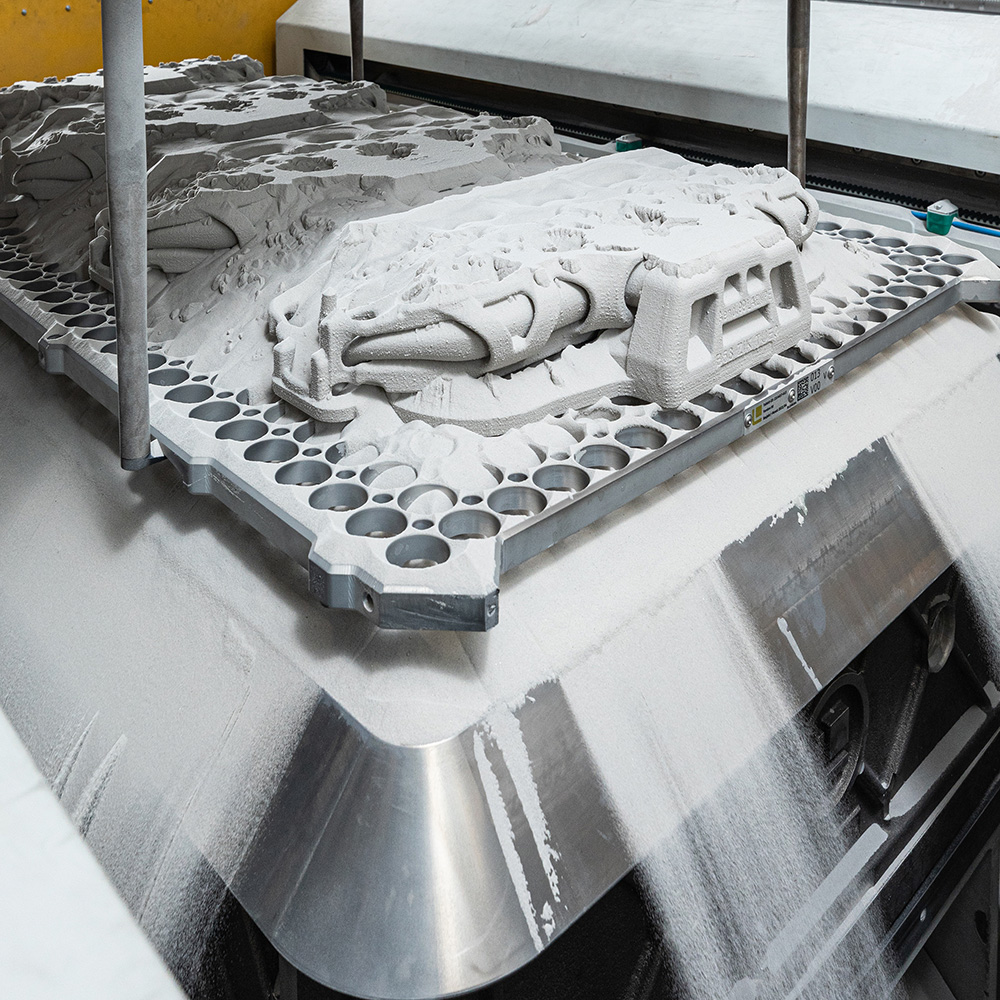
Having successfully demonstrated the use of its 3D-printed salt cores for manufacturing thermoset CFRP parts, Swiss start-up Sallea and industry partners are now expanding the technology to injection molding applications. Sallea recently developed a proprietary coating solution for binder-jetted salt cores. This new coating completely seals the cores while retaining their water solubility, creating ready-to-use washout tooling for industrial applications. The company’s expansion into injection molding initially focuses on liquid silicone rubber (LSR) and other polymer systems, with thermoplastic CFRP as well as aluminum and magnesium alloy applications expected to follow. One example of the technology’s potential is the production of lattice cores for sandwich structures. These lattice geometries can be further enhanced through locally tailored geometries, directional optimization and continuous gradients.
Sallea at Formnext 2026: Hall 11.0, Booth D62G
Avenco: From modular homes to a yacht’s hardtop
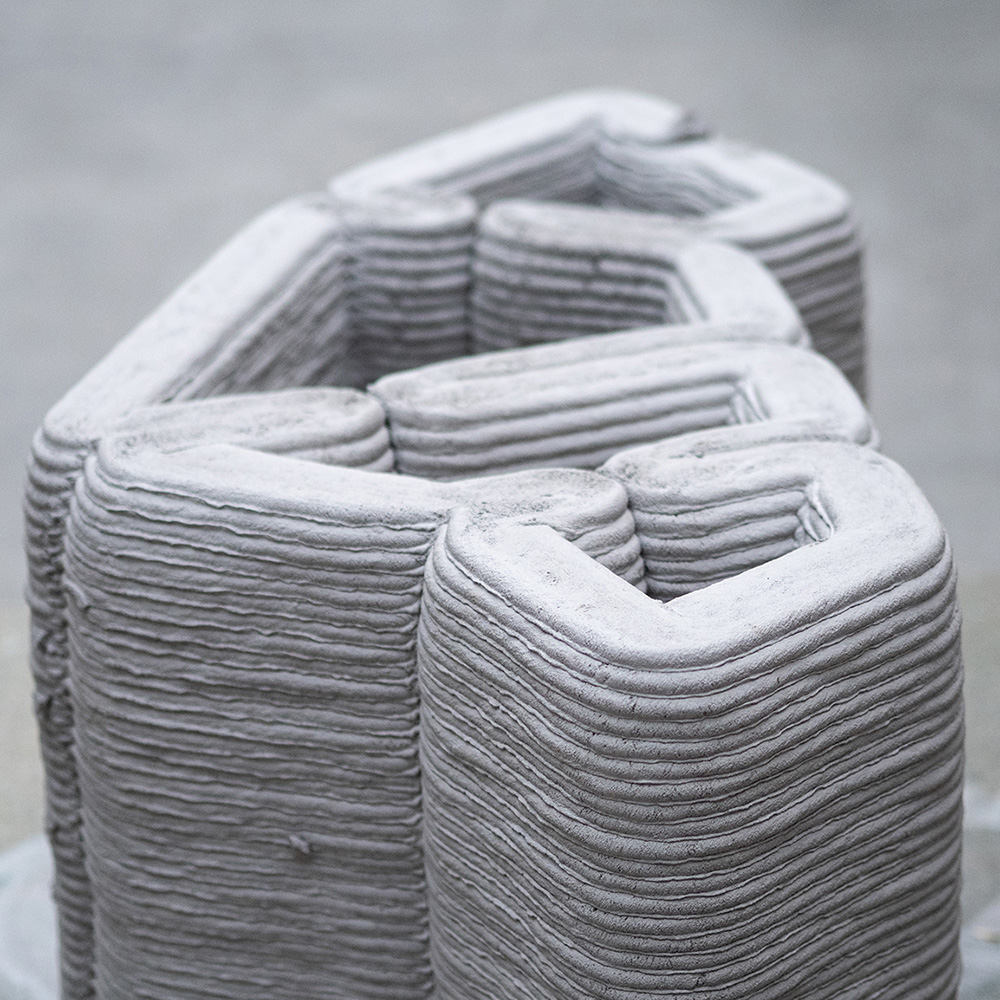
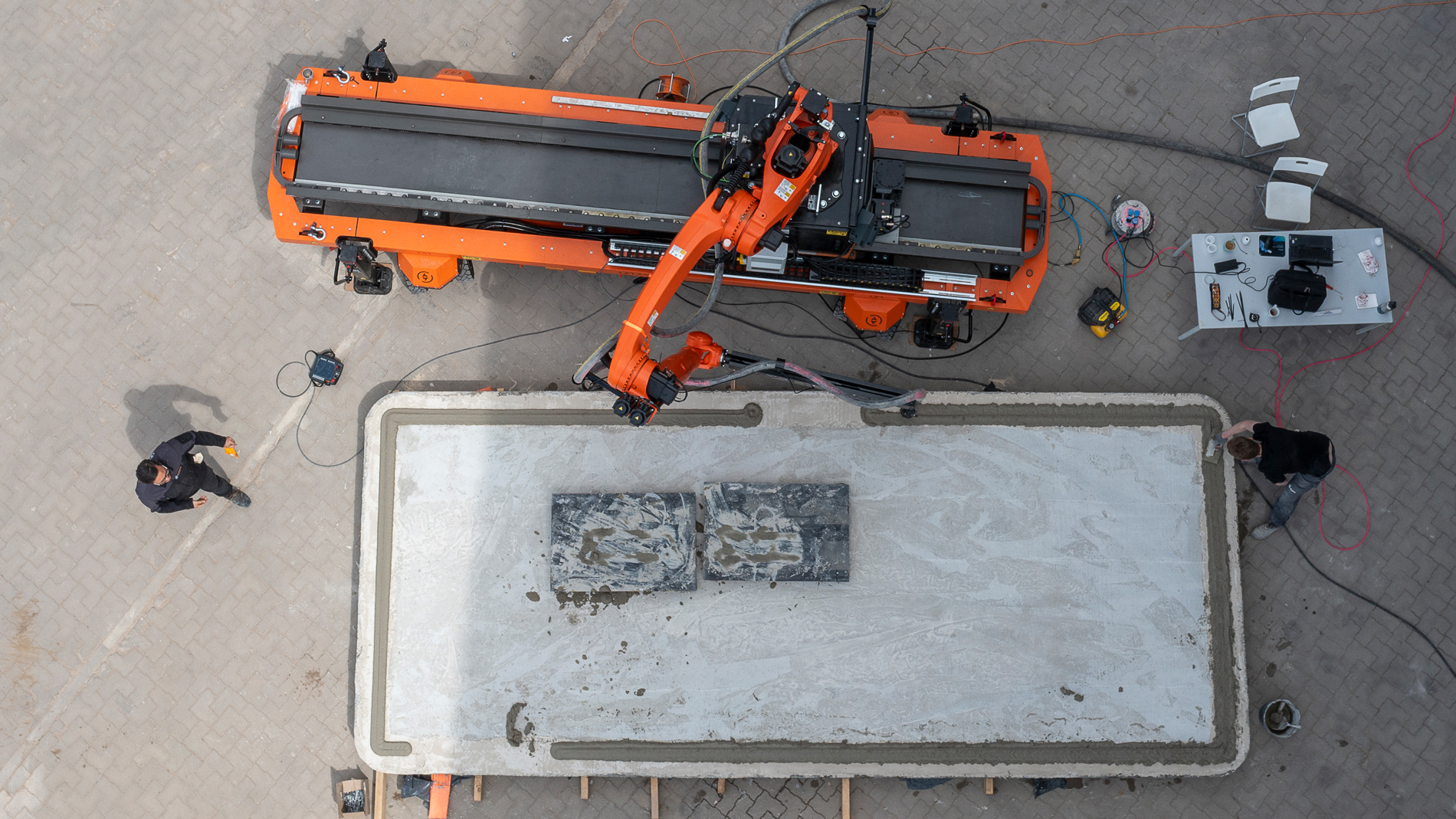
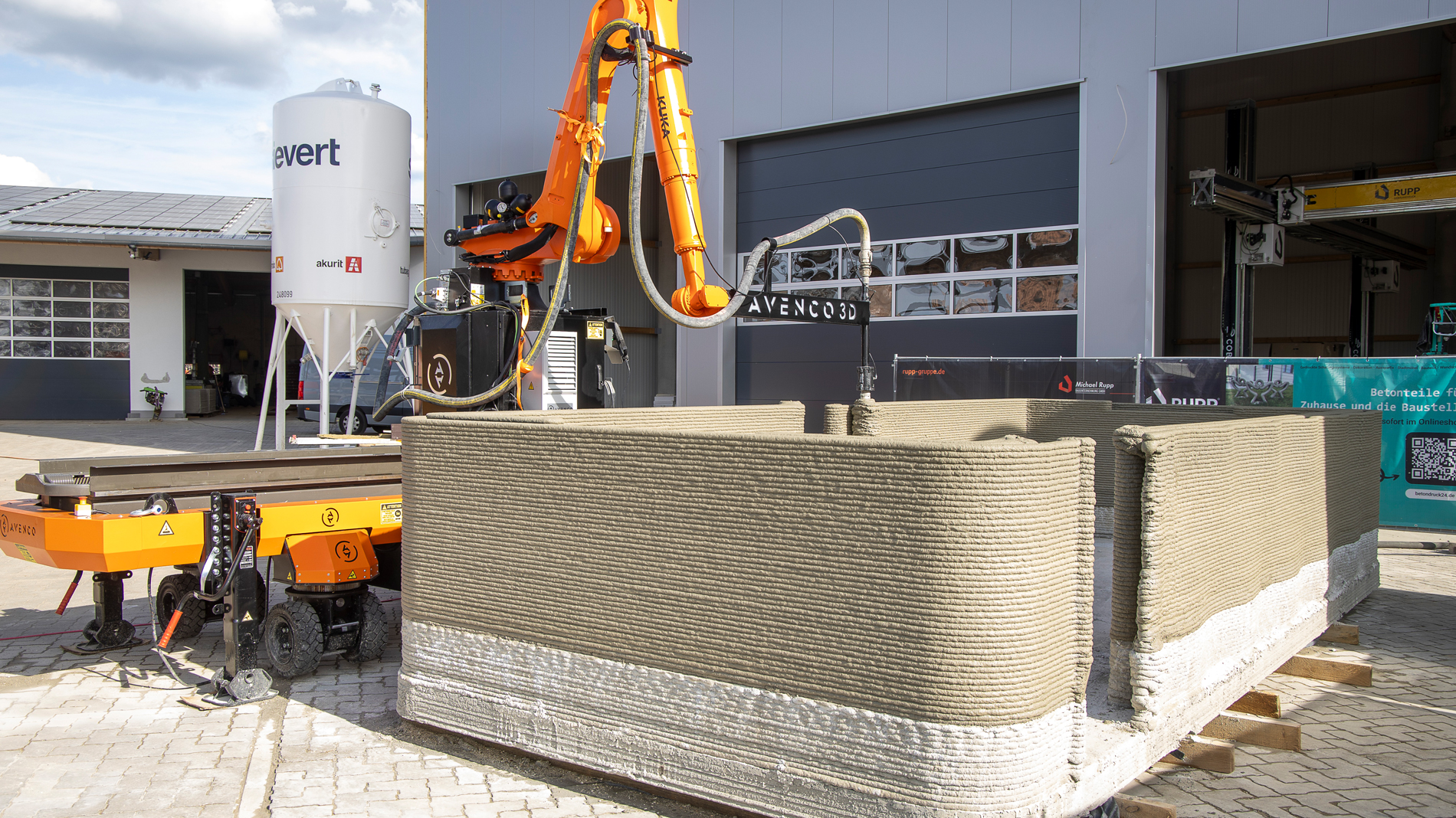
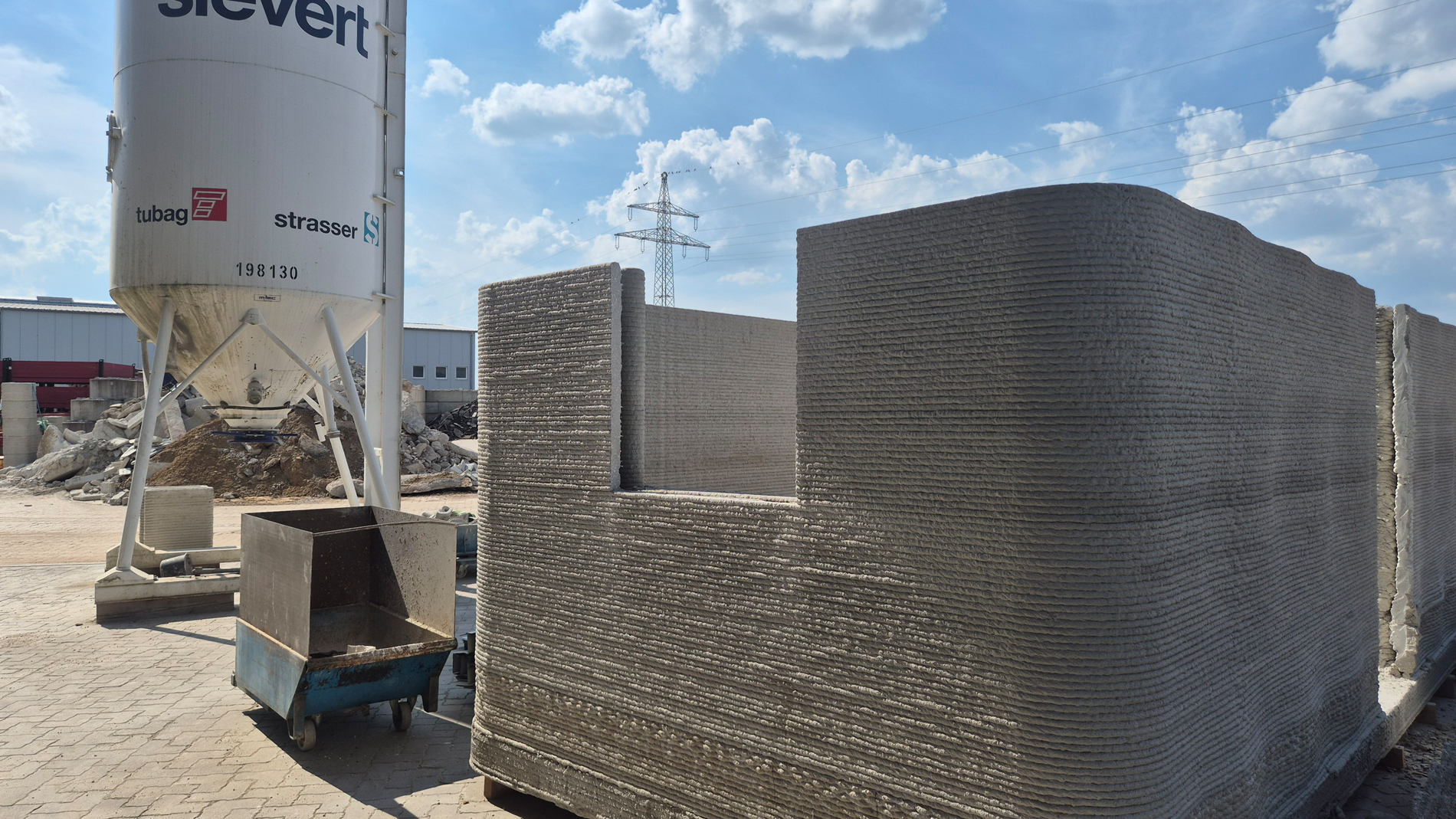
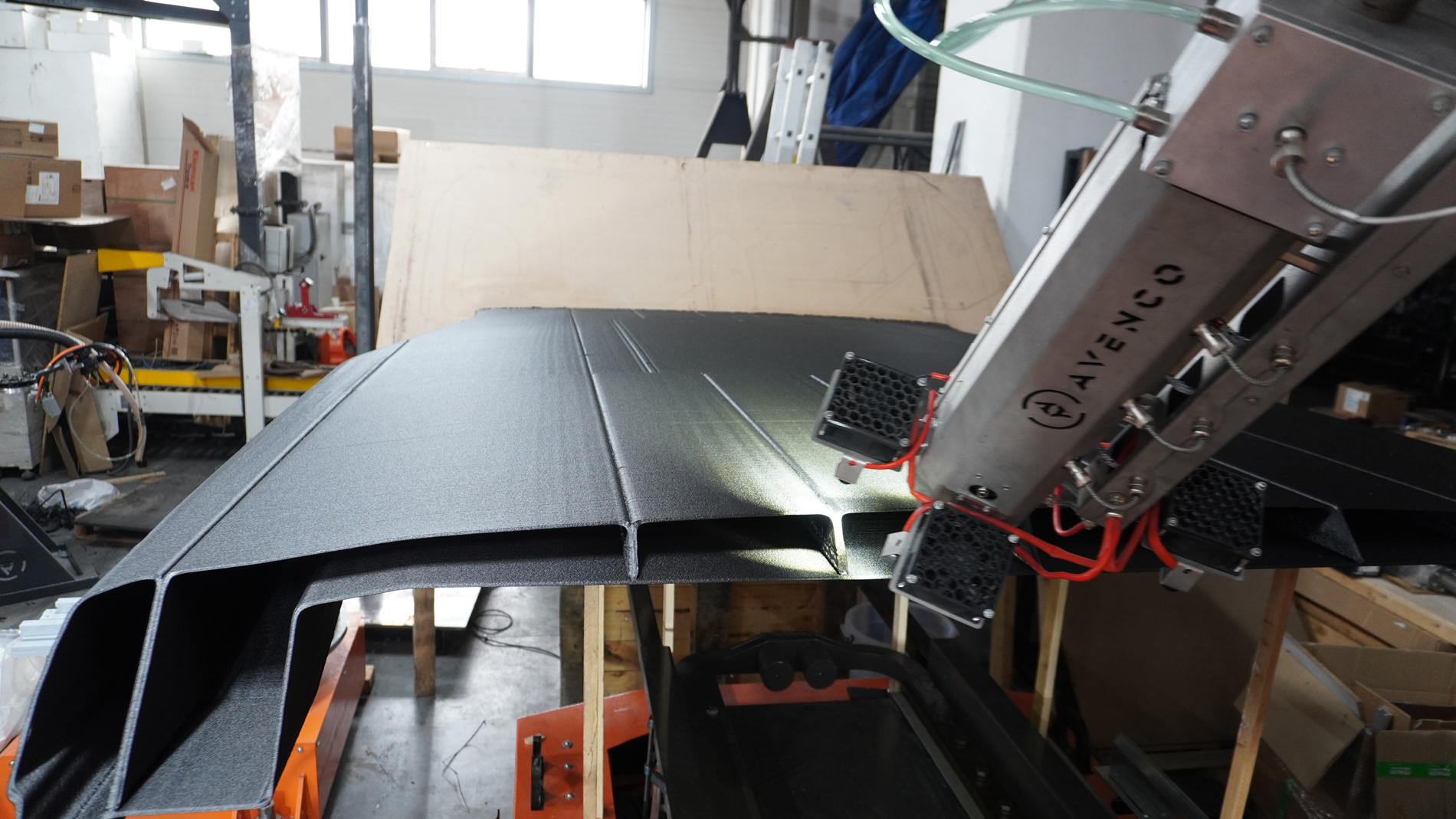
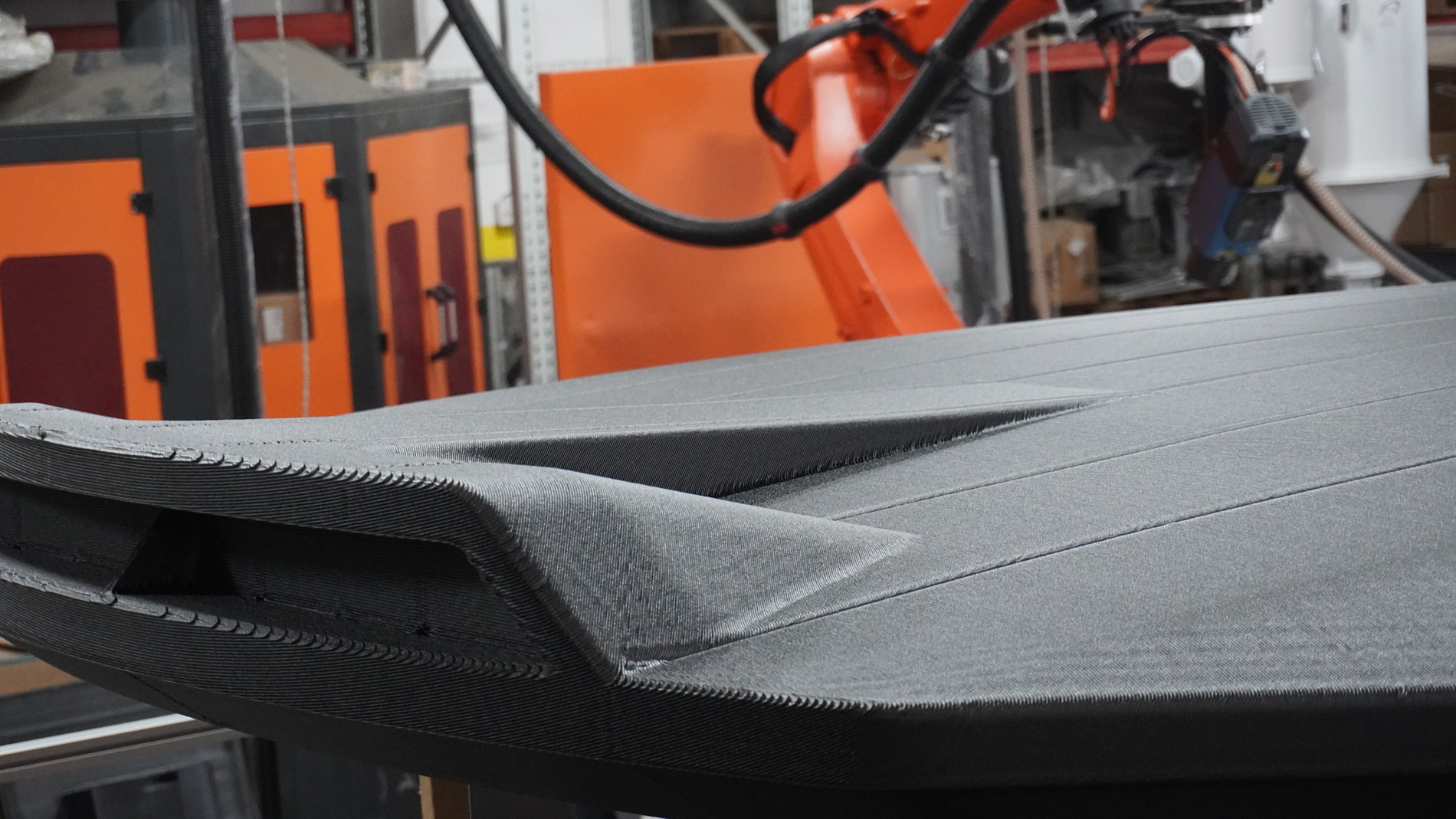
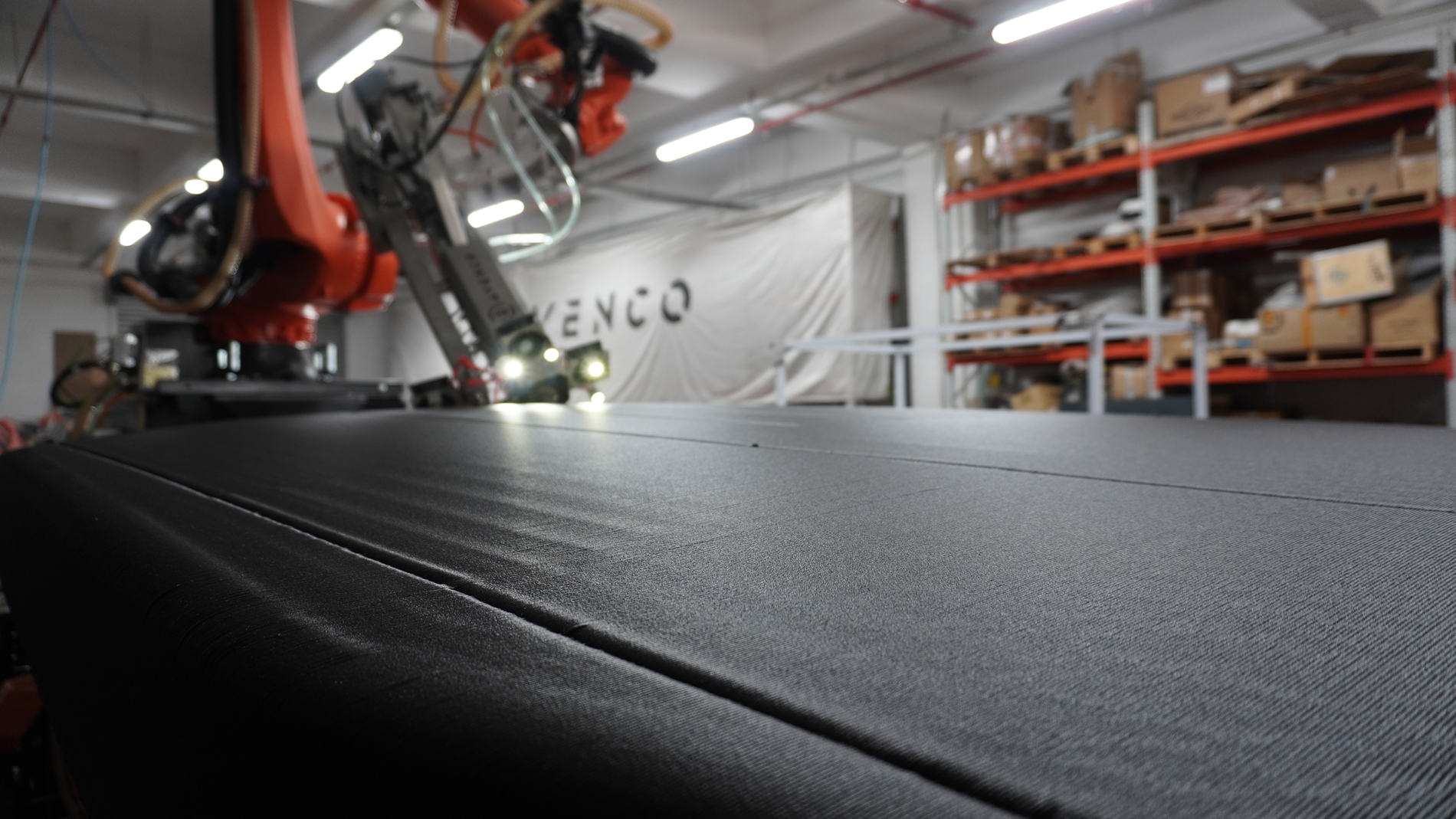
From modular housing to large-scale polymer components, Turkish engineering company Avenco will demonstrate how robotic Additive Manufacturing can be applied across a wide range of industries. A recent project in the Weißenhorn region of southern Germany showcased the company’s capabilities, with the exterior walls of a modular home produced through a single continuous 3D printing process using a mobile seven-axis robotic system developed in collaboration with Kuka. Avenco mounts a robotic arm on a mobile linear axis, with the rail serving as the system’s seventh axis. The rail provides a travel distance of 10 metres and, combined with the robotic arm’s reach of 4.9 metres, creates an effective printing area of approximately 80 m² for single-storey structures without repositioning the base unit. With a footprint of just 23 m², the Pluto module easily fitted within this operating envelope. The Pluto module was printed using standard-compliant concrete supplied by Quick-Mix. The rail-guided platform can also be adapted for other materials by replacing the concrete print head with Avenco’s large-format thermoplastic extruder. The company has used this method to produce two large-format polymer components: the complete yacht hardtop, including both the roof and load-bearing structure manufactured from carbon fibre-reinforced polycarbonate, and the hull of an autonomous maritime drone.
Avenco at Formnext 2026: Hall 12.1, Booth C69
University of Bayreuth: Customised shoulder pads using lattice structures
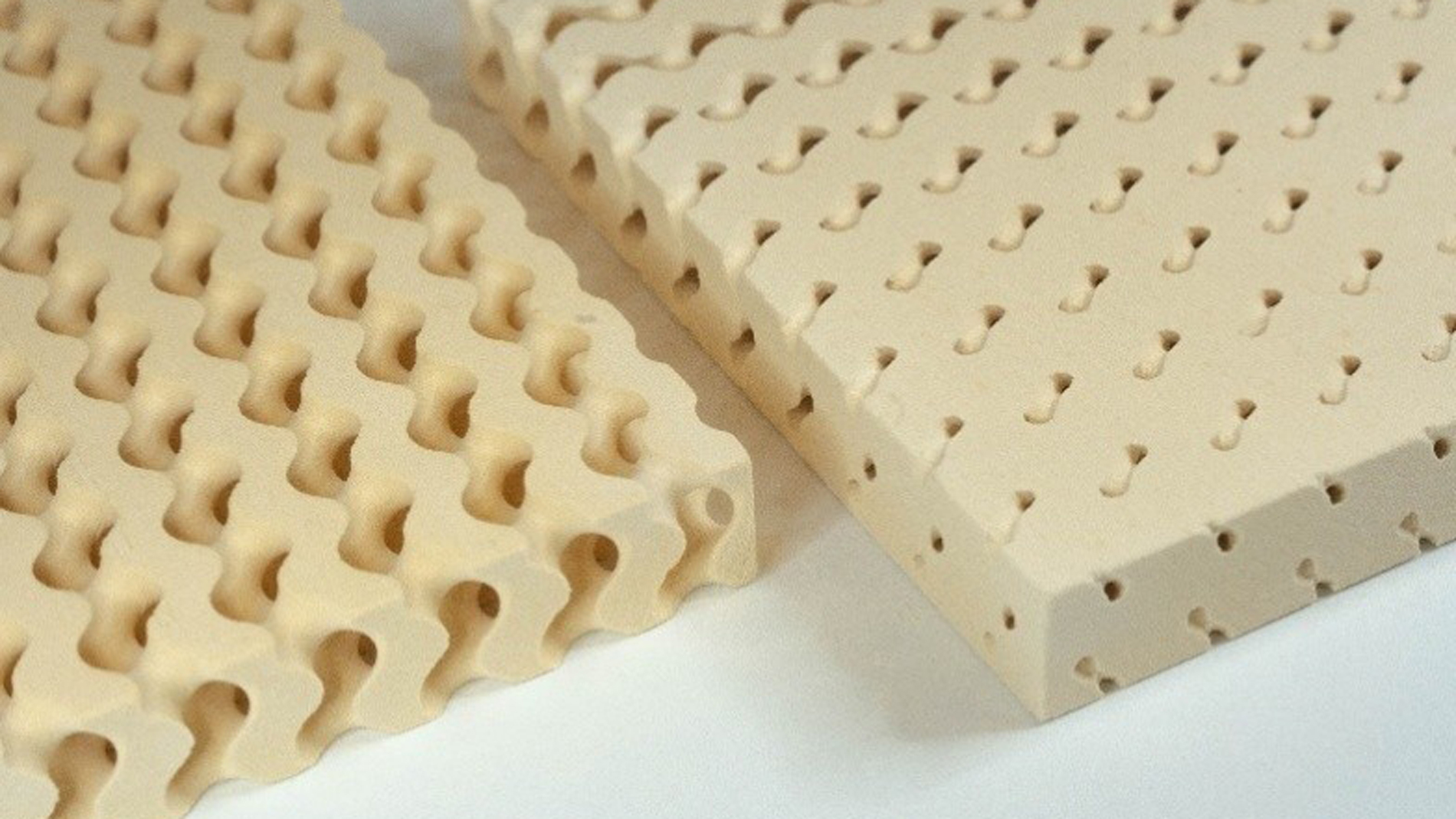
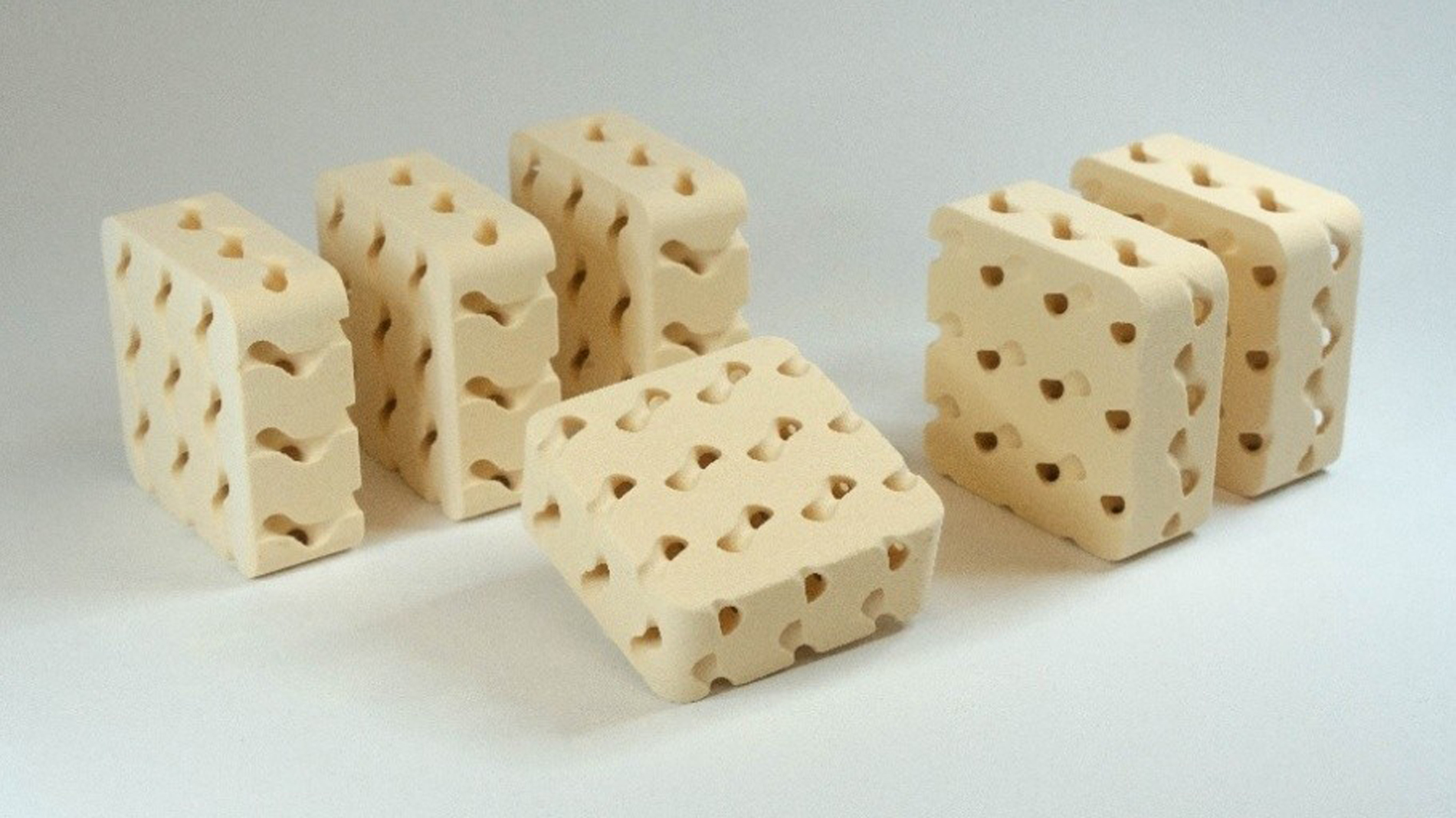
Camera operators carry more than the responsibility of capturing breathtaking cinematic images. They also bear the weight of equipment that can total 8 to 10 kg, including the camera, lens, battery and monitor. This load is typically concentrated on an area little larger than a postcard, with only a thin layer of rigid foam padding separating the equipment from the operator’s shoulder. Researchers at the Chair of Environmentally Sound Production Technology at the University of Bayreuth, together with the Fraunhofer Institute for Manufacturing Engineering and Automation IPA, have developed an alternative: additively manufactured lattice structure made from flexible thermoplastic polyurethane (TPU). The structures are produced using powder bed-based High Speed Sintering. According to the researchers, the shoulder pads offer improved carrying comfort. The highly permeable lattice design also reduces heat build-up and moisture accumulation. The University of Bayreuth reports that these advantages can be transferred to a wide range of other applications involving customised, print-optimised cushioning structures, including prosthetics and orthotics, protective equipment, seating systems and carrying systems.
University of Bayreuth at Formnext 2026: Hall 12.1, Booth C71